
Are you tired of throwing away chicken eggshells without giving them a second thought? Think again! Those seemingly insignificant eggshell fragments hold a wealth of potential, from repurposing to reducing waste. Not only do they serve as natural pest control in your garden, but they can also be transformed into beautiful DIY crafts and decorations for your home.
But that’s not all – chicken eggshells are a valuable resource waiting to be tapped. In this article, we’ll delve into the amazing world of repurposing these shells through sustainable practices. We’ll explore innovative ways to reduce waste, create functional items, and even use them as natural fertilizers for your plants. By the end of this post, you’ll be hooked on upcycling eggshells and eager to give new life to these humble shells.
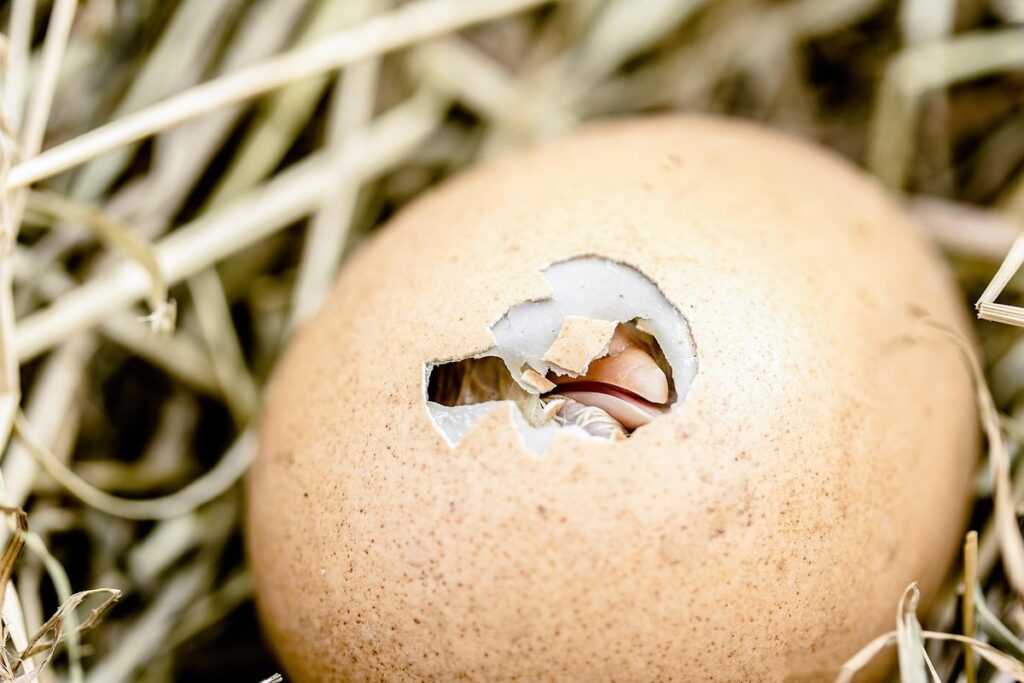
Benefits and Uses of Chicken Eggshells
Whether you’re a seasoned chicken keeper or just starting out, you’ll be delighted by the many creative uses for eggshells around your home and garden. From natural pest control to decorative accents, the possibilities are endless!
As a Natural Pest Control Method
Eggshells can also serve as a natural pest control method for gardens and indoor plants. When crushed or ground into small pieces, they create an environment that’s inhospitable to slugs, snails, and other pests. These pests have difficulty navigating through the jagged edges of eggshell fragments, which makes them an effective barrier.
In garden settings, sprinkle a thin layer of crushed eggshells around plants’ bases or mix it into potting soil. This approach allows for even distribution and prevents pests from reaching the plant’s roots. The process is particularly helpful in areas with heavy pest infestation or where chemical pesticides are undesirable.
When used indoors, place a few eggshell fragments near affected plants to deter pests without causing harm to humans or pets. As an added benefit, crushed eggshells also help to improve soil structure by allowing for better drainage and aeration. Regular use of eggshells as a natural pest deterrent can lead to healthier, more resilient plants with fewer pest-related problems.
Fertilizer and Soil Enhancer
One of the most beneficial uses of crushed or ground eggshells is as a natural fertilizer and soil enhancer. As we’ve discussed earlier, eggshells are an excellent source of calcium carbonate, which plays a crucial role in plant growth and development. When added to the soil, crushed eggshells help improve its structure by neutralizing acidity and increasing its pH level.
By doing so, you’re creating an environment that’s conducive to healthy root growth and nutrient uptake for your plants. This is especially beneficial for acid-loving plants like azaleas, blueberries, or strawberries, which require a slightly acidic soil condition. To utilize crushed eggshells as a fertilizer, simply sprinkle them around the base of your plants or mix them into the soil when planting new seeds or seedlings.
A general rule of thumb is to use 1-2 cups of crushed eggshells per square foot of garden bed. You can also compost eggshells with other organic matter and then use the resulting compost as a nutrient-rich fertilizer for your plants.
DIY Crafts and Decorations
Get creative with eggshell crafts and turn waste into unique decorations. Who would have thought that something as simple as a chicken eggshell could be transformed into stunning pieces of art? From ornaments to picture frames, and even jewelry, the possibilities are endless.
To make decorative ornaments, start by drying the eggshells thoroughly, either air-dried or oven-dried at 200°F for about an hour. Once dry, you can paint them with vibrant colors, add a coat of varnish, and hang them on your Christmas tree or from a mobile. You can also glue multiple shells together to create intricate designs or patterns.
To upcycle eggshells into picture frames, simply attach them to a piece of cardboard or a wooden frame using a hot glue gun. Add some decorative stickers or paint for an extra personal touch. Alternatively, you can use a hot glue gun to affix a single shell to the center of a picture frame as a unique focal point.
When it comes to jewelry-making, crushed eggshells can be used as a natural, biodegradable alternative to glass beads. Mix crushed shells with some clear resin and pour into molds to create beautiful pendants or earrings. You can also use whole shells to create unique earrings by gluing them onto earring hooks using a strong adhesive.
The Science Behind Eggshell Formation
You’re probably wondering how chicken eggs develop those incredibly hard, yet fragile shells. Let’s dive into the fascinating science behind eggshell formation and explore its incredible properties.
The Structure of an Eggshell
An eggshell’s structure is truly remarkable. It’s composed primarily of calcium carbonate (CaCO3), which gives it its rigidity and hardness. But that’s not all – the shell also contains about 95% of this mineral, along with small amounts of other substances like magnesium and potassium.
The thickness of an eggshell can vary depending on several factors, including the breed of chicken and the age of the bird. On average, a large chicken egg has an outer shell that’s around 0.38 millimeters thick. This might seem thin, but it provides excellent protection for the delicate yolk and white inside.
One of the most fascinating aspects of an eggshell is its unique texture. It’s made up of tiny pores, or “breathing” holes, which help regulate the temperature and humidity inside the egg. These pores also allow for gas exchange between the egg and the surrounding environment.
The way in which these pores are arranged is crucial to maintaining the right conditions within the egg. Research has shown that some breeds have more densely packed pores than others, which can affect the rate of incubation. If you’re interested in hatching eggs, understanding this aspect of shell structure can be beneficial for achieving optimal results.
Factors Influencing Eggshell Quality
When it comes to eggshell formation, several factors can influence the quality and thickness of an eggshell. Breed is a significant factor, with some breeds known for producing thicker, stronger shells than others. For instance, Leghorn chickens are renowned for their high egg production and relatively thin shells, while Orpingtons are known for their robust shells.
Nutrition also plays a crucial role in eggshell quality. Chickens require a diet rich in calcium to produce strong shells. A deficiency in calcium can lead to fragile or thin shells. Ensuring your chickens have access to a balanced feed that includes oyster shell grit will help support their calcium needs. In addition, age is another critical factor, with younger hens producing thinner shells due to ongoing bone growth and development.
Good health is also vital for strong eggshell production. Chickens suffering from respiratory issues or other health problems may experience weakened immune systems, making them more susceptible to shell-related issues. By monitoring your flock’s overall health and providing the necessary care and nutrition, you can help promote healthy eggshell production.
Genetic Influence on Eggshell Traits
When it comes to eggshell formation, genetics play a significant role in determining its strength, hardness, and other physical properties. Research has shown that certain genetic traits can affect the thickness of the eggshell membrane, which in turn influences the overall structure and durability of the shell.
Studies have identified specific genes responsible for controlling eggshell characteristics, such as the ovocledidin-17 (OC-17) gene, which affects the hardness of the shell. Chickens with a stronger OC-17 gene tend to produce eggs with thicker, more robust shells that are better equipped to withstand handling and storage.
Interestingly, certain breeds are naturally more prone to producing eggs with desirable traits. For example, Leghorn hens are known for laying large, brown eggs with relatively thick shells due to their genetic makeup. By selecting breeds that exhibit these characteristics, backyard chicken keepers can potentially increase the quality of their eggshells and enjoy the benefits of fresher, more durable eggs.
It’s worth noting that genetics alone don’t dictate eggshell quality; environment and nutrition also play a crucial role in shaping the final product. A well-balanced diet rich in calcium, vitamin D3, and other essential nutrients can help support healthy eggshell formation, even for breeds with less-than-ideal genetic traits.
Collecting and Storing Chicken Eggshells
Now that you’ve collected those eggshell treasures, it’s time to store them safely to preserve their unique benefits for years to come. We’ll walk you through the best methods for storing and preserving eggshells.
Best Practices for Collection and Storage
When collecting eggshells from your backyard flock, it’s essential to prioritize their safety and cleanliness. Avoid handling eggshells when they’re wet, as this can cause them to become brittle and prone to breakage. Instead, gently collect them from the nesting box or feeding area when they’re dry.
To store eggshells without contamination, transfer them to an airtight container immediately after collection. You can use a glass jar or a plastic bin with a tight-fitting lid. Make sure the container is clean and dry before adding the eggshells. Avoid mixing different types of eggshells in the same container, as this can cause cross-contamination.
When storing eggshells, it’s crucial to keep them dry to prevent mold and bacterial growth. You can store them in a cool, dark place like a pantry or cupboard. It’s also essential to label the container with the date you collected the eggshells so you can track their freshness and longevity.
Drying and Preserving Methods
Drying and preserving eggshells is an essential step to keep them clean, dry, and ready for use. One of the simplest methods is air-drying, where you spread out the shells on a paper bag or a clean cloth, allowing them to dry completely under direct sunlight. This method works best in warm, dry climates.
Another option is oven-drying, which is faster but requires more effort. Preheat your oven to its lowest temperature setting (usually around 150-200°F). Place the eggshells on a baking sheet lined with parchment paper and let them dry for 2-3 hours. This method helps kill any bacteria that might be present.
You can also use desiccants, like silica gel or activated charcoal, to absorb moisture from the shells. Store the desiccant in an airtight container with the eggshells for a few days. The desiccant will soak up excess moisture, leaving the shells dry and clean.
Regardless of the method you choose, make sure the eggshells are completely dry before storing them. This is crucial to prevent mold and bacteria growth that can ruin your collection.
Eggshell Color Variations and Significance
When it comes to eggshells, their color isn’t just a pretty exterior – it can actually reveal clues about your chicken’s health, age, and even breed. Let’s take a closer look at these fascinating variations!
Genetics of Eggshell Color
When it comes to eggshell color, genetics play a significant role in determining its hue. Different breeds of chickens have distinct genetic makeup that influences the production of pigment responsible for the eggshell’s color. For instance, some breeds like Araucana and Ameraucana owe their blue or green eggs to a genetic variation called ovotransferrin, which inhibits the production of melanin, a pigment responsible for brown and black colors.
In most chicken breeds, however, eggshell color is determined by the interaction between two types of melanin: eumelanin (black and dark brown) and pheomelanin (red and yellow). The ratio and distribution of these melanins determine whether an eggshell will be white, brown, or any shade in between. For example, Marans eggs owe their deep dark chocolate color to the high concentration of eumelanin.
As a chicken keeper, you can influence the genetics of your flock by selecting breeds that produce the desired eggshell colors. Researching different breeds and understanding their genetic characteristics can help you make informed decisions when choosing which birds to add to your coop.
Health Indicators through Eggshell Color
When it comes to eggshell color variations, many people are familiar with the idea that different colors can indicate the breed of chicken or even their diet. However, a lesser-known aspect of eggshell color is its relation to the health and well-being of the hen.
Changes in eggshell color can signal potential health issues or nutritional deficiencies in hens. For example, pale-colored eggs may indicate a lack of calcium in the hen’s diet, which is essential for building strong eggshells. On the other hand, dark-colored eggs may suggest that the hen has access to a rich source of antioxidants and minerals.
A closer look at eggshell color can also reveal signs of stress or disease in hens. Discoloration, such as greenish or bluish tinting, can be an indication of bacterial contamination or a fungal infection within the reproductive tract. In contrast, eggs with clear or transparent shells may indicate that the hen is consuming a diet rich in vitamin D and calcium.
If you’re concerned about the health of your hens, monitoring their eggshell color can be a valuable tool in detecting potential issues early on. By paying attention to these subtle changes, you can take steps to adjust their diet or provide additional care to ensure they remain healthy and happy.
Environmental Impact of Chicken Eggshells
Let’s dive into how chicken eggshells can impact our environment, from waste management to potential uses as a natural resource. We’ll explore some surprising facts along the way.
Waste Reduction and Recycling Opportunities
One of the most exciting aspects of chicken eggshells is their potential to reduce waste and minimize the environmental footprint of chicken farming. When disposed of improperly, eggshells can end up in landfills where they take hundreds of years to decompose. However, there are many creative ways to repurpose or recycle them, turning a potential problem into an opportunity.
For instance, crushed eggshells can be used as a natural deterrent for garden pests like slugs and snails. Simply sprinkle the shells around your plants to keep these unwanted visitors at bay. You can also use eggshells as a calcium supplement for your houseplants or as a component in compost piles to create nutrient-rich soil.
If you’re feeling crafty, consider using eggshells to create decorative items like vases, candle holders, or even jewelry. With a little creativity and some basic crafting skills, you can turn waste into art. If you’re not sure what to do with your eggshells, consider donating them to local schools or community gardens that may be able to repurpose them in their own projects.
By getting creative with chicken eggshells, you’re not only reducing waste but also reducing the environmental impact of chicken farming. With a little imagination and resourcefulness, these humble shells can become a valuable resource in your home and garden.
Potential Uses in Construction and Building Materials
Crushed eggshells are not only an eco-friendly alternative to traditional aggregate materials but also offer numerous benefits for construction projects. As a sustainable solution, crushed eggshells can reduce the carbon footprint of buildings by minimizing waste and conserving natural resources.
In construction, crushed eggshells can be used as a substitute for gravel or sand in various applications, such as:
• Paving stones: Eggshell aggregate provides excellent drainage and insulation, reducing maintenance costs.
• Insulation: The shells’ porous nature allows for airflow, creating an energy-efficient barrier against temperature fluctuations.
• Landscaping: Crushed eggshells can be used to stabilize soil and prevent erosion.
To incorporate crushed eggshells into your construction project:
- Research local suppliers of eggshell aggregate or collect clean eggshells from farms or households.
- Clean and crush the shells using a suitable crusher or blender.
- Mix with cement, water, and other materials according to your specific application needs.
By utilizing crushed eggshells as an aggregate material, builders can reduce their environmental impact while creating more sustainable buildings that last.
Conclusion: Unlocking the Full Potential of Chicken Eggshells
As we’ve explored the amazing uses and benefits of chicken eggshells, let’s now dive into what they can do to unlock their full potential in your home and garden.
Recap of Key Findings and Takeaways
As we conclude our exploration of the amazing world of chicken eggshells, let’s recap the key findings and takeaways. Throughout this article, we’ve uncovered the numerous benefits and opportunities presented by these often-overlooked natural resources.
Firstly, we discussed how chicken eggshells can be used as a sustainable and eco-friendly source of calcium carbonate for various industrial applications. This not only reduces our reliance on non-renewable sources but also helps minimize waste in the agricultural industry.
We also highlighted the potential uses of eggshells as a natural fertiliser, soil conditioner, and pest repellent. These alternatives to chemical-based products can promote healthier ecosystems and reduce environmental pollution.
In addition, we touched upon the economic benefits of utilising chicken eggshells. By repurposing these waste materials, individuals and businesses can generate additional income streams and contribute to the circular economy.
To put these findings into practice, consider exploring local sources for eggshells or experimenting with DIY projects that incorporate their unique properties. Whether you’re a gardener, entrepreneur, or environmentally conscious individual, there’s room to get creative and explore the full potential of chicken eggshells.
Encouraging Sustainable Practices through Eggshell Repurposing
As we’ve explored the various uses and benefits of chicken eggshells, it’s clear that they hold a wealth of potential for reducing waste and promoting sustainability. But what can you do with these discarded shells to make a positive impact on the environment? The answer is simple: repurpose them!
Start by collecting your eggshells in an airtight container and let them dry completely. Then, use them as a natural pest deterrent for your garden or indoor plants. Crush the shells into fine powder and mix with water to create a potent spray that will keep slugs, snails, and other pests at bay.
You can also use eggshells in craft projects, such as making decorative planters or bird feeders. Get creative and think outside the box (or shell!) – the possibilities are endless. By repurposing your chicken eggshells, you’ll not only be reducing waste but also contributing to a more sustainable future.
Make it a habit to save your eggshells from now on and see the positive impact it can have on your environment. Encourage friends and family members to join in on the fun and together, you can make a significant difference.
Frequently Asked Questions
Can I use eggshells from store-bought eggs?
Yes, you can repurpose store-bought eggshells, but keep in mind that they may not have the same benefits as those collected from your own backyard chickens, which are more likely to be free-range and have a diverse diet. However, with proper collection and storage, store-bought eggshells can still be used for natural pest control and DIY crafts.
How do I prevent mold growth in stored eggshells?
To prevent mold growth, ensure eggshells are completely dry before storing them. You can speed up the drying process by placing them in a single layer on a baking sheet or tray and letting them air-dry indoors or outdoors under the sun. Store dried eggshells in an airtight container to maintain their effectiveness as natural pest control.
Can I use crushed eggshells as a fertilizer for indoor plants?
Yes, crushed eggshells can be used as a natural fertilizer for indoor plants, but make sure they’re well-dried and free of any contaminants. Mix the crushed eggshells into potting soil to provide calcium and other minerals essential for plant growth.
Are there specific precautions when using eggshells around pets?
Yes, if you have small pets that may ingest the crushed or whole eggshells, make sure to keep them out of reach. Also, be aware of potential allergies or sensitivities your pets may have to eggshell fragments. Keep the eggshells away from areas where pets frequent.
Can I use eggshells as a natural pest control method for indoor plants without crushing them?
No, while whole eggshells can be used as a decorative accent around plants, they won’t provide effective natural pest control without being crushed or ground into small pieces. The jagged edges of the fragments deter slugs and snails from crossing over them.