
Using chicken manure in your compost can be a game-changer for gardeners, but before you start adding it to your pile, there are some things you should know. For one, chicken manure is an excellent source of nitrogen, phosphorus, and potassium – the three key ingredients that plants need to thrive. This nutrient-rich material can improve soil structure, increase yields, and even help suppress pests and diseases.
However, incorporating chicken manure into your composting routine also comes with its own set of challenges and considerations. From potential environmental impacts to proper handling and safety precautions, there’s more to using chicken manure in compost than meets the eye. In this article, we’ll delve into the benefits and drawbacks of using chicken manure in compost, providing you with a comprehensive guide on how to incorporate it safely and effectively into your gardening routine.
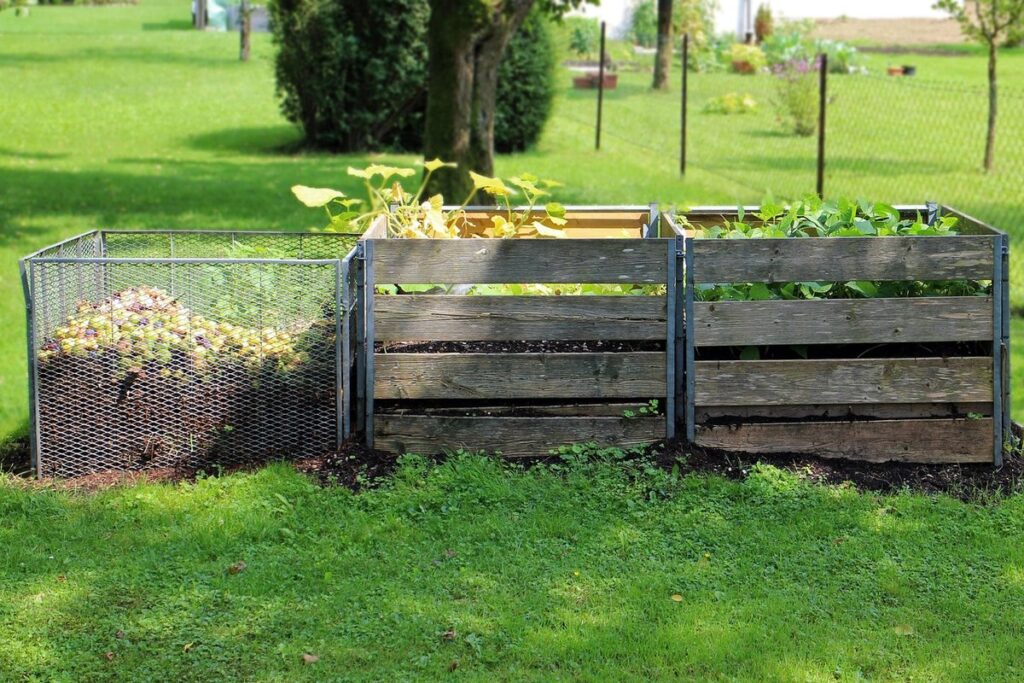
Understanding Chicken Manure as a Composting Material
When working with chicken manure, it’s essential to understand its unique characteristics and how they impact composting, including its high nutrient levels and potential odors. Let’s break down what you need to know about using chicken manure in your compost pile.
Nutritional Value of Chicken Manure
Chicken manure is an exceptionally nutrient-rich material, making it an invaluable addition to compost piles. It boasts high levels of nitrogen (N), phosphorus (P), and potassium (K) – the three key macronutrients essential for plant growth. A single pound of chicken manure can contain up to 1.5 pounds of nitrogen, which is significantly higher than other organic materials.
When added to compost, these nutrients are released as microorganisms break down the manure’s complex compounds. This process not only enhances the overall nutrient content of the compost but also contributes to its structure and texture. As a result, plants that use this compost will reap numerous benefits, including improved yields, increased resistance to disease, and enhanced flavor.
To maximize the nutritional value of chicken manure in your compost, it’s essential to balance it with carbon-rich materials like straw or leaves. This balance ensures optimal microbial activity and prevents an overabundance of nitrogen, which can lead to odors and pests. By incorporating chicken manure into your composting routine, you’ll be creating a nutrient-dense soil amendment that will give your plants the best chance at thriving.
Types of Chicken Manure for Composting
When it comes to using chicken manure in composting, not all types are created equal. There are several varieties of chicken manure available, each with its unique characteristics and potential uses.
Layer manure is one of the most common types used for composting. It’s rich in nitrogen and phosphorus, making it an excellent fertilizer for gardens and crops. However, layer manure can also be high in pathogens and weed seeds, so proper handling and pasteurization are crucial to minimize risks.
Broiler litter, on the other hand, is a byproduct of the broiler industry and often contains antibiotics and heavy metals. While it’s still usable for composting, it’s essential to choose a reputable supplier that guarantees low levels of contaminants.
Duck manure is another popular option for composters. It’s higher in carbon than layer manure but has a similar nitrogen content. Using duck manure can help balance the carbon-to-nitrogen ratio in your compost pile and create a more stable finished product.
When selecting chicken manure for composting, consider factors like nutrient content, contaminant levels, and ease of handling. Properly pasteurized or aged chicken manure can be an excellent addition to your compost mix, providing a natural source of fertility and promoting healthy plant growth.
Preparing Chicken Manure for Compost
To get started with composting chicken manure, you’ll first need to prepare it by breaking down its high nitrogen levels and removing any contaminants. This process is crucial for creating a nutrient-rich compost.
Processing Methods for Chicken Manure
Processing chicken manure before adding it to the compost pile is crucial for maintaining its nutrient value and preventing pathogens. One method of processing is aeration, which involves turning the manure regularly to increase oxygen flow. This process helps speed up decomposition, reducing odors and moisture levels. However, excessive aeration can lead to loss of nutrients like nitrogen and phosphorus.
Another common method is drying, where the manure is spread out in thin layers to evaporate excess moisture. While this reduces pathogens, it’s essential not to over-dry the manure, as this can damage nutrient-rich components. Pasteurization involves heating the manure to a high temperature for a short period, killing off harmful bacteria while retaining nutrients.
When choosing processing methods, consider the type of compost you’re making and the final use of the product. For instance, if you’re producing compost for vegetable gardens, it’s essential to retain as many nutrients as possible. A combination of aeration and drying may be an effective approach, as it balances nutrient retention with pathogen reduction.
Balancing Carbon-to-Nitrogen Ratio with Chicken Manure
When using chicken manure in compost, it’s essential to balance out its high nitrogen content with materials that are rich in carbon. This is because chicken droppings can be too “hot” for a compost pile, leading to over-nitrification and potentially creating ammonia gas. To avoid this issue, you’ll need to incorporate a mix of carbon-rich materials into your compost pile.
Some examples of suitable balancing agents include shredded newspaper, cardboard, or dried leaves. Aim to add 2-3 times as much carbon-rich material as chicken manure to create an optimal balance. You can also use other nitrogen-rich sources like grass clippings or vegetable scraps in moderation, but be mindful not to overdo it.
Remember to maintain a moisture level between 50-60% and turn your compost pile regularly to ensure even decomposition. By striking the right carbon-to-nitrogen ratio, you’ll minimize the risks of over-nitrification and create a nutrient-rich compost that’s perfect for your garden. With practice and patience, you’ll be able to harness the benefits of chicken manure in your compost while avoiding its challenges.
Safety Precautions When Using Chicken Manure Compost
When working with chicken manure compost, it’s crucial to take certain precautions to avoid any potential health risks or environmental hazards. We’ll cover these essential safety measures in more detail below.
Pathogen Reduction in Chicken Manure
When handling chicken manure compost, one critical consideration is pathogen reduction. Chicken manure can harbor harmful bacteria, viruses, and parasites that can pose serious health risks if not properly eliminated.
To effectively reduce pathogens, heating is a popular method. This process, known as pasteurization, involves raising the temperature of the manure to at least 160°F (71°C) for an extended period. By doing so, you can kill off 99% of pathogens without affecting the nutrient-rich properties of the compost.
Alternatively, natural disinfectants like peroxide or ozone can be used to reduce pathogens. These methods are more environmentally friendly and gentler on the compost’s ecosystem. For example, using a solution of 1 part hydrogen peroxide to 10 parts water can help eliminate pathogens without disrupting the beneficial microbial balance.
Proper pathogen reduction is crucial for safe use of composted chicken manure. By taking these steps, you can minimize health risks and ensure that your finished compost is free from contaminants, making it a valuable resource for gardening and agriculture.
Regulations and Guidelines for Using Chicken Manure Compost
When using chicken manure compost, it’s essential to familiarize yourself with local regulations and guidelines. These vary by region, so check with your state or local government for specific requirements. In the United States, for example, the Environmental Protection Agency (EPA) provides guidance on managing animal waste, including poultry manure.
Permitted applications may include use as fertilizer in agriculture, landscaping, or gardening. However, there are restrictions on using chicken manure compost in certain areas, such as near water sources or in urban environments. To avoid potential liabilities, ensure you follow best practices for application rates and timing.
Some key guidelines to keep in mind:
* Compost should be applied at least 3 feet away from buildings and property lines
* Avoid applying compost during periods of heavy rainfall or drought
* Wear protective gear when handling compost, including gloves and a face mask
* Keep records of your compost usage, including application rates and dates
By understanding and following these regulations and guidelines, you can safely use chicken manure compost to improve soil health while minimizing potential risks.
Applications and Benefits of Using Chicken Manure Compost
As you consider incorporating chicken manure into your compost, let’s explore some practical ways to use it and the benefits that come with making this eco-friendly choice.
Agricultural Uses for Chicken Manure Compost
Chicken manure compost is a valuable resource for agricultural settings, offering numerous benefits that can improve soil fertility, increase crop yields, and reduce environmental impact. One of the most significant advantages of using chicken manure compost is its high nutrient content. Rich in nitrogen, phosphorus, and potassium, it provides essential macronutrients required for plant growth.
When applied to soil, chicken manure compost can improve soil structure, increasing its water-holding capacity and aeration. This leads to healthier root development and a more efficient use of water by crops. For example, a study in the United States found that using chicken manure compost increased corn yields by 20% compared to conventional fertilizer.
To incorporate chicken manure compost into your agricultural practices, consider the following tips: mix it with other organic amendments to create a balanced fertilizer blend; apply it at the right time – usually during the growing season when plants are most active; and monitor soil pH levels to ensure optimal nutrient uptake. By leveraging these benefits, farmers can boost crop productivity while minimizing environmental harm associated with chemical fertilizers.
Non-Agricultural Uses for Chicken Manure Compost
Chicken manure compost is a nutrient-rich resource that can be repurposed in various non-agricultural settings. For instance, landscaping professionals often use chicken manure compost to enrich soil for ornamental plants and trees. This natural fertilizer promotes healthy root growth, improves soil structure, and enhances overall plant vitality.
In gardening contexts, chicken manure compost is utilized as a slow-release fertilizer for vegetables, fruits, and flowers. By incorporating this compost into garden beds, growers can expect increased yields and reduced reliance on synthetic fertilizers. Municipalities have also started to leverage chicken manure compost in waste management initiatives. By diverting this nutrient-rich material from landfills, cities can minimize their environmental footprint while generating revenue through compost sales.
For homeowners looking to adopt eco-friendly practices, consider using chicken manure compost as a natural fertilizer for your garden or yard. This versatile resource can be applied directly to soil or mixed into potting blends for optimal results. When utilizing chicken manure compost, ensure proper storage and handling to avoid any health risks associated with pathogen transmission.
Environmental Impact of Using Chicken Manure in Compost
When using chicken manure in compost, it’s essential to consider the potential environmental impact on water quality and soil ecosystems. This affects not just your garden but also local wildlife habitats.
Greenhouse Gas Emissions and Climate Change
Using chicken manure in compost has both positive and negative environmental implications when it comes to greenhouse gas emissions. On one hand, synthetic fertilizers contribute significantly to greenhouse gas emissions during their production process. In contrast, anaerobic decomposition processes involved in chicken manure composting release methane, a potent greenhouse gas. However, if managed properly, these emissions can be minimized.
For instance, studies have shown that well-managed composting facilities can reduce methane emissions by up to 90% compared to traditional fertilizer production methods. Additionally, using compost made from chicken manure can sequester carbon in soil for extended periods, mitigating climate change impacts.
To minimize greenhouse gas emissions associated with chicken manure composting, it’s essential to ensure adequate aeration and moisture levels during the decomposition process. This can be achieved by incorporating materials like wood chips or straw into the compost pile, allowing for better oxygen exchange and reducing anaerobic conditions that lead to methane production.
By adopting best management practices in composting, we can unlock the environmental benefits of using chicken manure while minimizing its drawbacks, creating a more sustainable path forward.
Nutrient Cycling and Soil Health
When you incorporate chicken manure into your compost, it’s not just about reducing waste and creating nutrient-rich soil – it also plays a crucial role in nutrient cycling and improving overall soil health. As organic matter breaks down, essential nutrients like nitrogen, phosphorus, and potassium are released, becoming available to plants.
Over time, the repeated use of chicken manure compost can lead to increased soil fertility, allowing for healthier plant growth and greater ecosystem resilience. For instance, a study found that incorporating compost made from animal manures (including chicken) into agricultural soils resulted in improved crop yields and reduced soil erosion.
To maximize the benefits of nutrient cycling through chicken manure compost, consider the following tips:
• Mix composted manure with other organic materials for optimal nutrient release.
• Add it to your garden or farm at regular intervals to maintain a consistent nutrient supply.
• Monitor your soil’s pH levels and adjust as necessary to ensure nutrient availability.
By implementing these strategies and harnessing the power of nutrient cycling, you can create a thriving ecosystem that supports plant growth while minimizing waste. As you continue to use chicken manure in your compost, keep in mind that it’s an integral part of maintaining healthy soils and ecosystems.
Best Practices for Implementing Chicken Manure Composting
When working with chicken manure, it’s crucial to implement effective composting practices to avoid contamination and ensure a high-quality end product. This section will walk you through the best strategies for successful composting.
Setting Up a Chicken Manure Compost System
When setting up a chicken manure composting system, it’s essential to determine the optimal scale and infrastructure requirements. The ideal size of your operation will depend on several factors, including the number of animals producing manure, space constraints, and your desired production levels.
To start, consider the following: how much manure can you realistically collect and process in a given time? What is the available land area for composting, and what type of infrastructure (e.g., storage bins, mixing equipment) do you need to acquire or build?
A good rule of thumb is to start small and scale up as needed. This approach allows you to test the system, refine your processes, and make adjustments before increasing production levels.
For instance, if you’re composting manure from a flock of 50 chickens, you may want to begin with a small-scale operation that can handle around 1-2 cubic meters of material per month. As your operation grows, you can increase the size of your system accordingly.
Key infrastructure components include:
* Adequate storage bins for collecting and storing fresh manure
* A mixing system (e.g., turner or aerator) to facilitate decomposition and carbon-to-nitrogen ratio balancing
* Covered areas for turning and processing compost
Monitoring and Maintaining Quality Standards
Monitoring chicken manure compost for quality standards is crucial to ensure it’s safe and beneficial for gardening. Regular testing can help detect pathogens such as Salmonella and E. coli, which can be present in the manure. Heavy metals like arsenic and lead also need to be checked to prevent contamination of the compost.
To test for pathogens, you can collect a sample from the compost pile and send it to a lab for analysis. If pathogens are detected, the compost should not be used as is; instead, additional steps such as pasteurization or heat treatment may be necessary to kill off bacteria. In terms of heavy metals, the Environmental Protection Agency (EPA) provides guidelines on acceptable levels in soil and compost.
For example, according to EPA regulations, there’s no maximum level for arsenic and lead allowed in compost. However, a study showed that composting chicken manure at high temperatures can significantly reduce heavy metal content. This highlights the importance of monitoring and adjusting the composting process as needed.
Maintaining quality standards also involves adhering to local and national regulations regarding organic waste management and food safety. Always check with your state’s department of agriculture or environmental agency for specific guidelines on using chicken manure in compost.
Frequently Asked Questions
How do I know if my soil is ready for chicken manure compost?
Before adding chicken manure compost to your soil, it’s essential to ensure that your soil has the right balance of nutrients and pH levels. A simple soil test can help you determine if your soil needs any adjustments before incorporating chicken manure compost.
Can I use chicken manure compost in raised beds or containers?
Yes, you can use chicken manure compost in raised beds or containers, but make sure to follow the same guidelines as for traditional garden beds. Start with a small amount and mix it well with other compost materials to avoid over-nutrition.
How long does it take for chicken manure compost to break down in my yard?
The decomposition process of chicken manure compost can take anywhere from several weeks to several months, depending on factors like temperature, moisture, and carbon-to-nitrogen ratio. Be patient and monitor your compost pile regularly to ensure the material is breaking down properly.
What are some common mistakes to avoid when using chicken manure compost?
Common mistakes include overusing chicken manure compost, which can lead to nutrient imbalances in your soil. Additionally, not mixing it well with other compost materials or failing to monitor its pH levels can also cause problems. Always follow recommended application rates and monitor your soil’s response.
Can I use chicken manure compost on lawns, or is it only for garden beds?
Chicken manure compost can be used on lawns, but it’s essential to dilute it with other compost materials to avoid over-nutrition. Also, make sure to apply it at the right time, typically during the growing season when your lawn needs a boost of nutrients.