
If you’re tired of spending hours in the woods or backyard, frantically searching for ticks on your skin and clothes, there’s good news: nature has provided a solution. Chickens, it turns out, are natural tick predators that can help control tick populations in your yard. This is especially important if you live in areas where Lyme disease is prevalent, as the risk of tick-borne illnesses is ever-present. In this article, we’ll explore how raising chickens for tick control works and the benefits it can bring to your family’s health and well-being. We’ll also delve into the requirements for setting up a successful tick-hunting chicken flock, including space needs, nutrition, and coop design. By the end of this article, you’ll have a better understanding of how chickens can be a valuable tool in your fight against ticks.
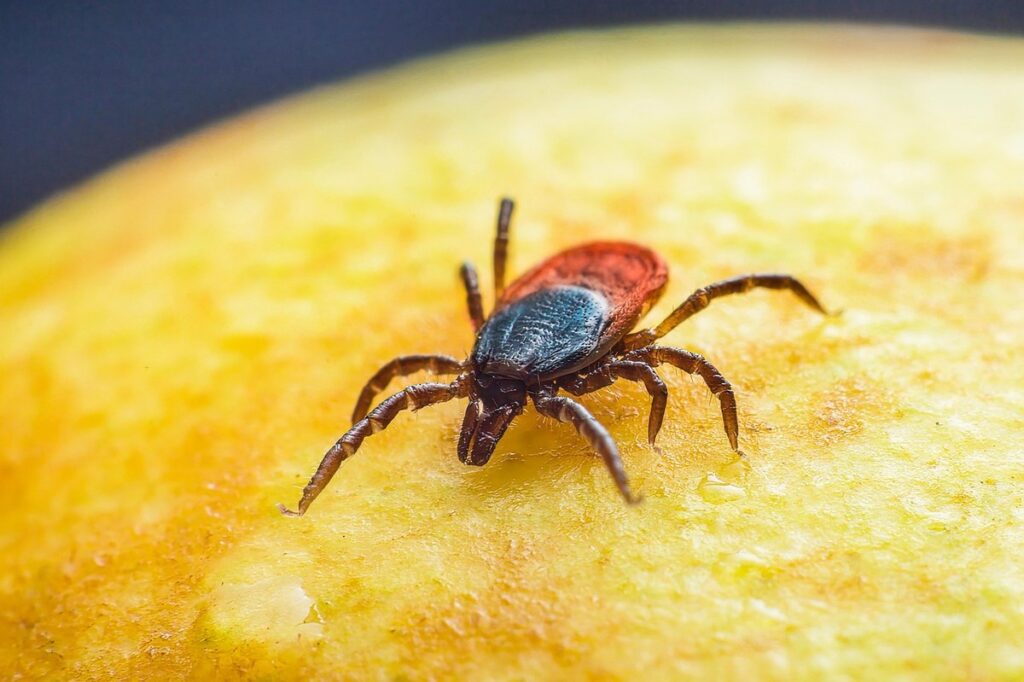
Understanding the Problem: Ticks and Their Dangers
Ticks are more than just a nuisance, they can transmit serious diseases to humans and pets, making them a significant health concern for many households. Let’s explore the dangers of ticks and what makes them such a persistent problem.
What Are Ticks and Why Are They a Concern?
Tick-borne illnesses are on the rise, and it’s essential to take tick control and prevention seriously. These tiny parasites can transmit some of the most debilitating diseases known to humans, including Lyme disease and Rocky Mountain spotted fever. According to the Centers for Disease Control and Prevention (CDC), over 30,000 cases of Lyme disease were reported in 2019 alone.
The alarming increase in tick-borne illnesses is largely attributed to climate change, which has led to an expansion of tick habitats and an increase in their populations. As ticks become more widespread, so do the risks associated with them. In areas where ticks are prevalent, residents can expect to see a significant rise in tick-related health issues.
If you live in an area prone to ticks, it’s crucial to take proactive measures to control and prevent infestations. This is where chickens come into play – more on that later! For now, let’s focus on the severity of tick-borne illnesses and why tick prevention is no longer a luxury but a necessity.
Some common symptoms of tick-borne illnesses include fever, headache, fatigue, and a distinctive rash. In severe cases, these diseases can cause long-term damage to joints, organs, and even lead to neurological disorders. The risk is real, and it’s up to us to take action and protect ourselves from these tiny but formidable foes.
The Impact of Ticks on Human Health
Ticks pose a significant threat to human health, and their impact extends far beyond physical discomfort. One of the most concerning aspects of tick-borne illnesses is the spread of diseases they carry. Lyme disease, Rocky Mountain spotted fever, and anaplasmosis are just a few examples of the many conditions that can be contracted through tick bites. These diseases not only have serious health implications but also come with significant emotional and financial burdens.
Dealing with tick bites can take a toll on mental health as well. The constant fear of being bitten, the anxiety of waiting to see if symptoms will develop, and the emotional weight of living with a chronic illness can all contribute to stress, anxiety, and depression. According to a study published in the Journal of Medical Entomology, 70% of people who contracted Lyme disease reported experiencing significant mental health effects.
By incorporating chickens into your tick control strategy, you can significantly reduce the risk of tick-borne illnesses and alleviate some of the emotional burden associated with dealing with ticks.
Introduction to Using Chickens for Tick Control
If you’re new to raising chickens, understanding their role in tick control is a crucial part of getting started. Let’s break down how to use chickens effectively against ticks on your property.
Why Chickens Make Effective Tick Hunters
Chickens have an innate ability to detect ticks, which makes them an effective solution for controlling tick populations. Their natural behavior is drawn to the vibrations and movements of ticks, allowing them to locate these pesky insects with ease. This instinctual trait enables chickens to scratch and peck at areas where ticks are present, effectively disrupting their habitats.
One reason chickens are so adept at finding ticks is due to their keen sense of smell. Ticks emit a unique scent that attracts chickens, who then proceed to eliminate the problem. This process not only reduces tick populations but also creates an environment that’s less hospitable to these unwanted guests. By introducing chickens to your property, you can create a natural barrier against tick infestations.
To effectively utilize chickens for tick control, it’s essential to understand their habitat and feeding preferences. Chickens prefer open spaces with short grass, which allows them to roam freely while hunting for ticks. Providing your flock with adequate food, water, and shelter will also encourage them to focus on their natural behavior of hunting ticks rather than competing for resources.
The History of Using Chickens for Tick Control
Chickens have been used for tick control for centuries, with roots dating back to ancient Europe and Asia. In the 17th century, European farmers observed that chickens would instinctively scratch and peck at ticks on their own bodies, leading some to introduce these birds into their farms as a natural pest control method. This traditional practice was not only effective but also provided an added benefit of reducing tick-borne diseases such as Lyme disease.
One notable example of successful chicken-assisted tick control comes from the Scottish Highlands in the early 20th century. Sheep farmers in the region implemented a program using chickens to control ticks on their livestock, resulting in significant reductions in tick populations and related health issues. This approach was so effective that it eventually spread to other parts of Europe.
While some initial attempts at large-scale chicken-assisted tick control have been met with limited success due to factors such as disease transmission and inadequate resource management, recent studies suggest that when implemented correctly, chickens can be a highly effective tool in the fight against ticks.
Setting Up a Chicken Flock for Tick Control
When setting up your chicken flock for tick control, it’s essential to consider the coop design and layout to maximize their effectiveness in reducing tick populations around your property. This includes choosing a suitable location and fencing the area.
Choosing the Right Breed and Number of Chickens
When it comes to selecting chickens for tick control, choosing the right breed is crucial. Not all breeds are created equal when it comes to their ability to control ticks effectively. For example, some breeds like the Silkie and Polish have a fluffier coat that can trap ticks, making them more effective at controlling tick populations.
Considerations such as size, temperament, and egg production should also be taken into account. Larger breeds tend to be better at foraging and can cover more ground, making them ideal for large properties with high tick infestations. However, smaller breeds are often easier to handle and can thrive in smaller spaces.
A good rule of thumb is to start with 2-3 chickens per acre to ensure adequate foraging and coverage. Keep in mind that different breeds have varying levels of egg production, so if you’re looking to supplement your family’s food supply, choose a breed known for high egg production, such as Leghorns or Rhode Island Reds.
Ultimately, the right number and breed of chickens will depend on your specific needs and property size. Be sure to research and consider factors like climate, available space, and local regulations before making a decision.
Providing a Suitable Environment for Your Chickens
Creating an environment that encourages your chickens to hunt ticks effectively is crucial for successful tick control. Start by providing shelter and protection from harsh weather conditions. Build a sturdy coop with adequate ventilation to keep your chickens safe and dry. Consider adding a covered run or enclosed area where they can roam freely without being exposed to predators.
A balanced diet is also essential for effective tick hunting. Ensure that your chickens have access to high-quality layer feed, fresh fruits, and vegetables. Supplement their diet with omega-3 rich foods like mealworms or flaxseed to boost their immunity and enhance their ability to hunt ticks.
Fresh water should always be available, but make sure it’s not a breeding ground for mosquitoes or other insects that might attract ticks. Predator management is also critical in creating a tick-hunting environment. Remove any potential threats such as raccoons, opossums, or other predators that might compete with your chickens for food.
By providing a safe, well-fed, and healthy environment, you’ll encourage your chickens to hunt ticks effectively, making them an invaluable asset in your tick control efforts.
Training Your Chickens to Hunt Ticks Effectively
Training your chickens to hunt ticks effectively is a crucial step in utilizing their tick control abilities, so let’s dive into some practical training tips and techniques.
Introducing Your Chickens to Ticks
When introducing your chickens to ticks, it’s essential to do so in a controlled manner to help them associate these pesky parasites with prey. Start by placing a few live ticks in a secure enclosure where your chickens can access them safely. You can use a small fenced area or even a large plastic bin with ventilation holes.
Begin by allowing your chickens to observe the ticks without any initial interaction, letting them get accustomed to their presence and movement. Once they seem comfortable with watching the ticks, it’s time to let them hunt. Release a few ticks into the enclosure at a time, giving your chickens the opportunity to pick them up in their beaks.
Be patient and let your chickens figure out how to eat the ticks on their own. This process may take some time, but with consistent exposure, they’ll eventually learn to associate ticks with food. Remember to always supervise your chickens during this introduction phase, ensuring their safety and the tick population’s control.
Encouraging Hunting Behavior in Your Chickens
Encouraging hunting behavior in your chickens is essential to effectively control tick populations. Start by understanding that chickens have a natural instinct to peck and scratch, which can be redirected towards hunting ticks. To encourage this behavior, consider creating designated “tick-rich” areas within their enclosure. These zones should be filled with leaf litter, wood chips, or other materials that attract ticks.
You can also use visual deterrents like reflective tape or shiny objects to create a “tick-hunting” area. Place these items near the tick-rich zones to entice your chickens to hunt and scratch in those areas. Make sure to supervise your flock during this process to ensure they’re targeting the right areas.
To further encourage hunting behavior, provide your chickens with adequate space to forage and search for food. This will help them develop their natural hunting instincts and become more efficient tick-hunters. By incorporating these strategies into your chicken-keeping routine, you’ll be well on your way to creating a flock that’s effective at controlling tick populations.
Monitoring and Maintaining an Effective Tick-Hunting Flock
Once you’ve established your tick-hunting flock, maintaining its effectiveness requires regular monitoring to ensure they’re doing their job and making necessary adjustments as needed. This involves tracking their feeding habits and overall health.
Measuring the Success of Your Chicken’s Ticking Efforts
Monitoring the success of your chicken flock’s tick-hunting efforts is crucial to ensure they’re doing their job effectively. To do this, you’ll want to keep an eye on several key metrics.
One way to measure their effectiveness is by tracking egg production. A healthy and well-fed flock should produce around 280-300 eggs per year, depending on the breed. If your chickens are producing fewer eggs than expected, it could be a sign that they’re spending too much time hunting ticks, leaving them less energy for laying eggs.
Another metric to monitor is feather condition. Healthy feathers are essential for a chicken’s overall well-being and can indicate whether or not they’re getting enough nutrients from their diet. Look out for signs of wear, thinning, or breakage, which could suggest that your chickens are expending too much energy on tick-hunting.
Regularly monitoring these metrics will give you an idea of how effective your flock is at controlling tick populations. By adjusting their diet, habitat, and other factors as needed, you can ensure they’re able to do their job effectively.
Addressing Challenges and Adapting Strategies as Needed
As you embark on using chickens as part of your tick control strategy, it’s essential to be prepared for potential challenges that may arise. One common issue is predation – those sneaky raccoons and foxes might see your flock as an easy meal. To mitigate this risk, consider introducing guard animals like dogs or donkeys to protect your flock.
Disease can also pose a problem, especially if your chickens aren’t properly vaccinated or are exposed to contaminated food and water sources. Regular health checks, proper sanitation practices, and ensuring access to clean water will help minimize the risk of disease transmission within your flock. It’s also crucial to maintain open communication with local animal control services in case you need assistance with managing external threats.
If an issue does arise, adaptability is key. Be prepared to adjust your strategies as needed – for instance, relocating feeding areas or implementing new coop designs to prevent predator entry points. By staying vigilant and responsive, you can keep your flock healthy and thriving while effectively controlling tick populations on your property.
Conclusion: The Chicken Solution for Tick Control
Now that you’ve learned how to use chickens as a natural tick control method, it’s time to summarize the key takeaways from our discussion.
Recap of Key Points and Takeaways
In reviewing this article on using chickens for tick control, it’s clear that incorporating these birds into your yard can be a highly effective strategy for reducing the risk of tick-borne illnesses. A few key points to consider are:
* Chickens can significantly reduce tick populations through their natural feeding habits.
* Regularly inspecting and monitoring chicken behavior is crucial in understanding when they’re most likely to encounter ticks.
* Creating a balanced ecosystem by incorporating plants that repel ticks, like lavender or mint, can further enhance the effectiveness of a chicken-based tick control system.
When implementing this solution, it’s essential to start with the right breed of chickens. Some popular options include the Silkie and the Polish due to their high tolerance for temperatures and ability to adapt well in diverse environments.
Remember that while introducing chickens is an excellent step towards tick control, it’s also important to maintain good yard practices, such as regularly mowing your lawn and keeping your property clean.
Final Thoughts and Future Directions
As we conclude our exploration of using chickens for tick control, it’s clear that these remarkable birds offer a unique solution to this persistent problem. By incorporating chickens into your outdoor space, you can significantly reduce the number of ticks present on your property. But what does this mean for future directions and areas of research?
One area worth further investigation is the potential for breeding tick-specific chicken breeds that excel in tick control. Research has already shown that certain breeds, such as the Silkie, are more effective at removing ticks than others. By selectively breeding these breeds, we may be able to develop a new generation of chickens specifically designed for tick control.
In addition, exploring ways to integrate chickens with other tick control methods is an area ripe for further research. For example, combining chicken-based tick control with the use of permethrin-treated clothing or diethylcarbamazine could provide a comprehensive approach to managing ticks in high-risk areas.
Frequently Asked Questions
Can I use existing chickens for tick control, or do I need to buy new ones?
Yes, you can use your existing chickens if they are healthy and free-range. However, it’s essential to introduce them to ticks gradually to avoid stressing the birds. This will help them develop their hunting skills over time.
How long does it take for my chickens to become effective tick hunters?
The effectiveness of your chicken flock in controlling tick populations depends on various factors, including breed selection, nutrition, and exposure to ticks. Generally, it can take several months (3-6) for your chickens to adapt and develop their hunting skills, but some breeds may show results sooner.
What are the benefits of having a diverse flock for tick control?
A diverse flock with different breeds can provide a range of benefits, including improved egg production, enhanced foraging abilities, and increased resistance to diseases. By introducing multiple breeds, you can create a more resilient and efficient tick-hunting system.
Can I use chickens in areas with poor soil quality or limited space?
Yes, chickens can thrive in small spaces and adapt to various environments. However, it’s crucial to ensure they have access to adequate nutrition, clean water, and shelter. You may need to adjust their diet and provide supplements to compensate for the limitations of your area.
How do I monitor the effectiveness of my chicken flock in tick control?
To measure success, track changes in tick populations over time by conducting regular counts in areas with high tick activity. Monitor your chickens’ behavior, such as their interest in foraging for ticks, and note any changes in egg production or health indicators that may suggest reduced exposure to ticks.