
Egg whites have been gaining popularity in recent years for their incredible benefits when used in cooking. One of the most exciting applications is in traditional chicken recipes, where they can be used to boost protein content while keeping calorie counts low. Whether you’re a health-conscious home cook or an experienced chef, incorporating egg whites into your chicken dishes can add a new level of sophistication and versatility.
In this article, we’ll explore how egg whites can revolutionize the way you cook with chicken. We’ll delve into expert tips on whipping and folding techniques to achieve light and fluffy textures, as well as provide guidance on substituting whole eggs with their white counterparts for maximum results. By the end of this article, you’ll be equipped with the knowledge to create high-protein, low-calorie chicken dishes that are sure to impress friends and family alike.
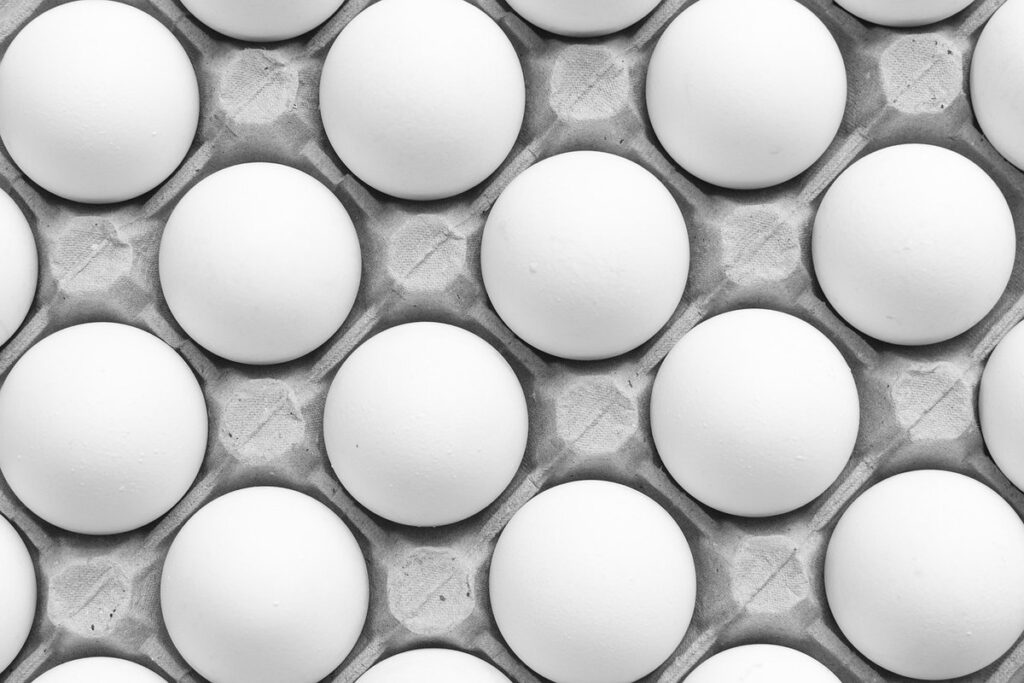
What are Egg Whites?
So, you’re curious about egg whites and what makes them so great? Let’s break down the basics: egg whites are essentially the clear liquid part of an egg that’s packed with protein.
Definition and Origin
Egg whites are one of the most versatile ingredients in the kitchen, and understanding their composition and origin is essential to unlocking their full potential. In simple terms, egg whites are the clear liquid part of an egg, separated from the yolk during the egg-whipping process. They consist mainly of protein (approximately 90%) and water (around 10%), making them an excellent source of lean protein.
Egg whites come from chicken eggs, which are laid by hens on farms or in backyard coops. The quality and nutritional content of egg whites can vary depending on the breed of chicken, diet, and living conditions. Look for eggs labeled “omega-3 enriched” or “pasture-raised” for higher nutritional value.
When purchasing eggs, choose fresh ones with clean, uncracked shells to ensure you’re getting the best egg whites possible. Store them in the refrigerator at a temperature below 40°F (4°C) to maintain their freshness and prevent bacterial growth.
Differences Between Whole Eggs and Egg Whites
When it comes to using egg whites in chicken recipes, understanding the differences between whole eggs and just egg whites is essential. The two have distinct nutritional profiles and cooking applications.
Whole eggs are composed of about 50% protein, 30% fat, and 20% carbohydrates, including cholesterol and saturated fats. On the other hand, egg whites contain only about 3-4 grams of fat, zero cholesterol, and a higher concentration of protein – approximately 90%. This significant difference in nutritional content makes egg whites an ideal choice for health-conscious cooks.
In terms of cooking applications, whole eggs are often used as a binder or thickener in baked goods and desserts. Egg whites, however, are commonly used as a standalone ingredient or mixed with other ingredients to add moisture and protein to dishes like omelets, frittatas, and scrambled eggs. When substituting egg whites for whole eggs, keep in mind that they will not provide the same richness and flavor due to their lack of fat and cholesterol content.
When choosing between whole eggs and egg whites for your chicken recipes, consider the specific requirements of your dish. If you’re looking for a leaner protein source or need an egg substitute, egg whites are the way to go.
The Benefits of Using Egg Whites in Cooking
When it comes to cooking with egg whites, you might be surprised at just how versatile and beneficial they can be. Let’s explore some of the key advantages of incorporating egg whites into your chicken recipes.
High-Protein Content
Egg whites are an incredibly nutritious component of chicken recipes, and one of their most significant benefits is their high protein content. Fitness enthusiasts and health-conscious individuals often seek out foods that can help them meet their daily protein needs, and egg whites fit the bill perfectly. A large egg white contains around 3-4 grams of protein, making it an excellent addition to post-workout smoothies or omelets.
In fact, according to a study published in the Journal of Agricultural and Food Chemistry, egg whites contain all nine essential amino acids that the human body cannot produce on its own. This makes them an ideal choice for individuals looking to boost their protein intake while minimizing their overall calorie consumption. To incorporate more protein-rich egg whites into your diet, try adding a scoop of beaten egg whites to your morning omelet or using them as a substitute for traditional breadcrumbs in chicken cutlets. By making simple swaps like these, you can significantly increase the protein content of your favorite chicken recipes without sacrificing flavor.
Low-Calorie and Versatile
When it comes to cooking with egg whites, one of the most significant advantages is their incredibly low-calorie nature. A single large egg white contains approximately 17 calories, making them an excellent choice for health-conscious cooks. In contrast, a whole egg contains around 70-80 calories, so using just the egg whites can significantly reduce the overall calorie count of your dish.
The versatility of egg whites in cooking is another major benefit. They can be used in a wide range of dishes, from savory to sweet. For instance, you can use them as a substitute for heavy cream or half-and-half in sauces and soups, adding moisture without excess calories. In baked goods, such as muffins or cakes, egg whites help provide structure and leavening properties.
To get the most out of your egg whites, try experimenting with different recipes that incorporate them. Whip them up into a meringue topping for a low-calorie dessert or use them as a binder in meatballs or burgers. With their impressive versatility and minimal calorie count, it’s no wonder why egg whites have become a staple ingredient in many health-conscious kitchens.
Using Egg Whites in Chicken Recipes
When working with egg whites, you can add a moisture boost and extra protein to your chicken dishes without overpowering their natural flavors. This section shares tips on how to incorporate egg whites into popular chicken recipes.
Marinades and Sauces
When it comes to adding flavor and moisture to chicken dishes, marinades and sauces are essential components. And, as we’ve discussed earlier, egg whites can be a fantastic base for these types of condiments. Let’s take a look at how you can use egg whites to create delicious marinades and sauces.
For instance, teriyaki sauce is a classic Asian-inspired condiment that pairs perfectly with grilled or pan-fried chicken. By using egg whites as the base, you can create a lighter, more protein-rich version of this popular sauce. Simply whisk together 1 tablespoon of egg white, 2 tablespoons of soy sauce, 2 tablespoons of sake (or dry white wine), and 2 tablespoons of brown sugar. This mixture will give your chicken a rich, savory flavor that’s sure to impress.
Another option is honey mustard sauce, which adds a tangy, slightly sweet element to dishes like chicken breasts or thighs. To make this sauce using egg whites, combine 1 tablespoon of egg white with 2 tablespoons of whole-grain mustard and 1 tablespoon of honey. Whisk until smooth and use as a glaze for your chicken during the last few minutes of cooking. By experimenting with different combinations of ingredients, you can create an endless variety of marinades and sauces using egg whites as the base.
Breading and Coating
When it comes to achieving that perfect crunch on fried chicken, using egg whites as an ingredient in breading and coating mixtures is a game-changer. By incorporating egg whites into your breading mixture, you’ll not only create a crispy exterior but also lock in moisture and flavor within the meat.
To get started, begin by whisking together egg whites with your desired seasonings and spices until well combined. Then, add your dry ingredients such as flour, cornstarch, or panko breadcrumbs to create a smooth and even consistency. The key is to achieve a balance between wet and dry ingredients – too much liquid can lead to a soggy coating, while too little can result in a rough texture.
As you apply the breading mixture to your chicken pieces, make sure to coat them evenly and generously for an extra crispy finish. You can also experiment with different combinations of egg whites and other ingredients like buttermilk or Greek yogurt for added tenderness and flavor. With these simple steps and a bit of practice, you’ll be on your way to creating mouth-watering, egg-white-enriched fried chicken that’s sure to impress friends and family alike!
How to Prepare Egg Whites for Cooking
To get started with egg white recipes, you’ll need to learn how to properly prepare them by separating and cleaning the whites from their yolks. We’ll walk through this process in detail here.
Whipping and Beating
To achieve that light, airy texture in recipes like meringues, souffles, and angel food cakes, it’s essential to whip or beat egg whites effectively. A stable foam is crucial for these dishes, as it provides structure and helps them rise.
When whipping egg whites, start by separating the eggs carefully to prevent any yolk contamination. Then, using a stand mixer or hand mixer, gradually add sugar while continuously beating the egg whites on high speed. Be cautious not to overmix, which can cause the foam to collapse. Aim for stiff peaks when whipping – this is indicated when the beaters leave trails in the mixture.
Another approach is to use a separate bowl and whisk for whisking the egg whites, then gently folding them into other ingredients. This method helps prevent deflation of the foam. For recipes like meringues, make sure to dry the baking sheet thoroughly after beating to ensure the meringue sets properly.
Folding and Mixing
When incorporating egg whites into various chicken dishes, mastering the folding and mixing technique is crucial to preserve their structure and texture. This delicate process can be intimidating for some cooks, but with practice and understanding of the underlying principles, you’ll become proficient in a short time.
To start, it’s essential to separate egg whites from yolks when they’re cold, then let them sit at room temperature until they come to a state close to room temperature. This helps prevent excessive foaming during mixing.
When folding in ingredients like chopped herbs, grated cheese, or diced vegetables, begin by gently pouring the egg whites into the bowl containing your chosen add-ins. Hold the spatula vertically and cut through the mixture with a gentle, sawing motion, being careful not to overmix. For a lighter texture, try incorporating air by incorporating a pinch of salt, which will help stabilize the foam.
When folding in heavier ingredients like ground meat or cream cheese, use a more vigorous mixing action while maintaining a light touch. This will prevent deflating the egg whites and ensure they remain airy and smooth.
Tips for Substituting Whole Eggs with Egg Whites
When working with egg whites, you may need to substitute them into recipes that call for whole eggs. Here’s how to do it effectively and achieve similar results.
Ratios and Conversions
When substituting whole eggs with egg whites in recipes, it’s essential to understand the ratios and conversions to achieve the best results. Egg whites have a higher protein content than whole eggs, which can affect the texture and structure of final dishes.
A general rule of thumb is to use 3-4 large egg whites for every 1 whole egg. However, this ratio may vary depending on the recipe and desired outcome. For example, in meringues or souffles, you may need to use more egg whites due to their airiness and structure requirements.
When converting recipes from whole eggs to egg whites, it’s also crucial to consider the moisture content. Egg whites have less fat and water than whole eggs, which can result in a drier final product if not adjusted accordingly. To compensate for this, you can add a small amount of liquid or oil to the recipe.
As a general guideline, start by using 3 large egg whites for every 1 whole egg and adjust as needed based on the specific recipe’s requirements. Remember that different brands and types of eggs may also affect the ratio, so it’s essential to experiment and find what works best for you.
Adjusting Liquid Content
When substituting whole eggs with egg whites in chicken recipes, it’s essential to consider the overall liquid content of the dish. Since egg whites are typically used without their accompanying yolks, they contribute less moisture and richness to the recipe compared to using whole eggs. This difference can impact the final texture and consistency of your dish.
To adjust for this change, you may need to add more liquid ingredients or alter the cooking method to maintain the desired texture. For example, if a recipe typically uses 2 large eggs and you’re substituting with egg whites, you might need to increase the amount of broth or water by about 1/4 cup to prevent the dish from becoming too dry.
A general rule of thumb is to add an extra 1-2 tablespoons of liquid for every 1 cup of egg whites used in a recipe. However, this will depend on the specific ingredients and their moisture levels. Monitor your dish closely while cooking, adjusting as needed to achieve the desired consistency. With practice and experience, you’ll become more comfortable with adjusting liquid content when using egg whites in your recipes.
Common Mistakes When Using Egg Whites
When using egg whites, many home cooks and chefs make a few common mistakes that can affect the texture and appearance of your dish. Let’s take a closer look at what to avoid when working with these versatile ingredients.
Over-Whipping or Over-Beating
When whipping egg whites for recipes like meringues, souffles, or even as a topping for chicken dishes, it’s easy to overdo it. Over-whipping or over-beating the egg whites can have serious consequences on the final product.
Over-whipping causes air bubbles in the egg whites to collapse, leading to a loss of volume and structure. This is especially problematic when making meringues, which rely heavily on the delicate balance between whipped egg whites and sugar for their texture and stability. In extreme cases, over-whipped egg whites can become too stiff and separate from each other, resulting in an unappealing, weepy consistency.
To avoid this, it’s essential to whip egg whites just until they form soft peaks. Then, immediately stop whipping and gently fold the mixture into your recipe. For most recipes, a 2-3 minute whipping time is sufficient. Beyond that, you risk pushing the egg whites past their optimal point and compromising their structure. By being mindful of this critical step, you can ensure your dishes retain the lightness and texture that makes egg white-based recipes so beloved.
Insufficient Folding or Mixing
Proper folding or mixing techniques are essential when combining egg whites with other ingredients to avoid creating an unappealing or even inedible dish. When you don’t fold or mix the egg whites correctly, they can become overworked and lead to a tough, rubbery texture that’s unpleasant to eat.
To illustrate this point, consider making a classic omelette recipe using egg whites. If you over-mix the egg whites with other ingredients like cheese, vegetables, or meat, the final product will likely be dense and unappetizing. This is because the proteins in the egg whites have been over-denatured, causing them to become tough and rigid.
To avoid this issue, it’s crucial to gently fold the egg whites into the other ingredients using a rubber spatula or whisk. Start by combining the egg whites with salt and pepper in a separate bowl before adding any other ingredients. Once you’ve added the desired mix-ins, use a gentle folding motion to incorporate them into the egg whites without over-working the mixture.
By following this simple technique, you’ll be able to achieve a light, airy texture in your egg white-based dishes that’s sure to impress your family and friends.
Frequently Asked Questions
Can I use egg whites from cartons or must I buy eggs specifically to extract the whites?
You can use either method, but if you plan on using a lot of egg whites in your cooking, buying eggs and separating them yourself might be more cost-effective. Make sure to check the ingredient label for any added preservatives when purchasing pre-separated egg whites.
How do I store leftover egg whites after whipping or folding to maintain their texture and quality?
Store whipped or folded egg whites in an airtight container in the refrigerator at 40°F (4°C) or below. Use them within a day or two for best results. If you’re not using them immediately, consider freezing them in ice cube trays for later use.
What are some common mistakes to avoid when substituting whole eggs with egg whites in recipes?
When substituting, remember that one large egg white is equivalent to about 2-3 tablespoons of liquid. Be mindful of the overall liquid content and adjust accordingly to prevent overly thin batters or mixtures.
Can I use egg whites as a thickening agent in sauces and marinades, similar to cornstarch or flour?
Yes, you can use egg whites to thicken sauces and marinades. However, be cautious not to over-whip the mixture, which can result in a gel-like texture instead of a smooth, even consistency.
How do I know if I’ve over-beaten or over-whipped my egg whites, leading to a dense or separated texture?
Check for a few signs: whipped egg whites should have doubled in volume and be smooth and shiny. If they become grainy, stiff, or separate into distinct peaks, it’s likely you’ve over-beaten them. Start again with fresh egg whites if needed.