
If you’re a backyard chicken keeper, you know how vulnerable your flock can be to predators like hawks and owls. These birds of prey are skilled hunters that can swoop in quickly and silently, causing irreparable harm to your beloved chickens. One effective way to protect your flock is by using an owl decoy – a clever trick that deters these predators with the illusion of a watchful presence. But not all owl decoys are created equal, and choosing the right one for your needs can be overwhelming. In this article, we’ll take you through the process of selecting and setting up an effective owl decoy system to safeguard your chickens from those raptor threats and keep your flock safe and healthy.
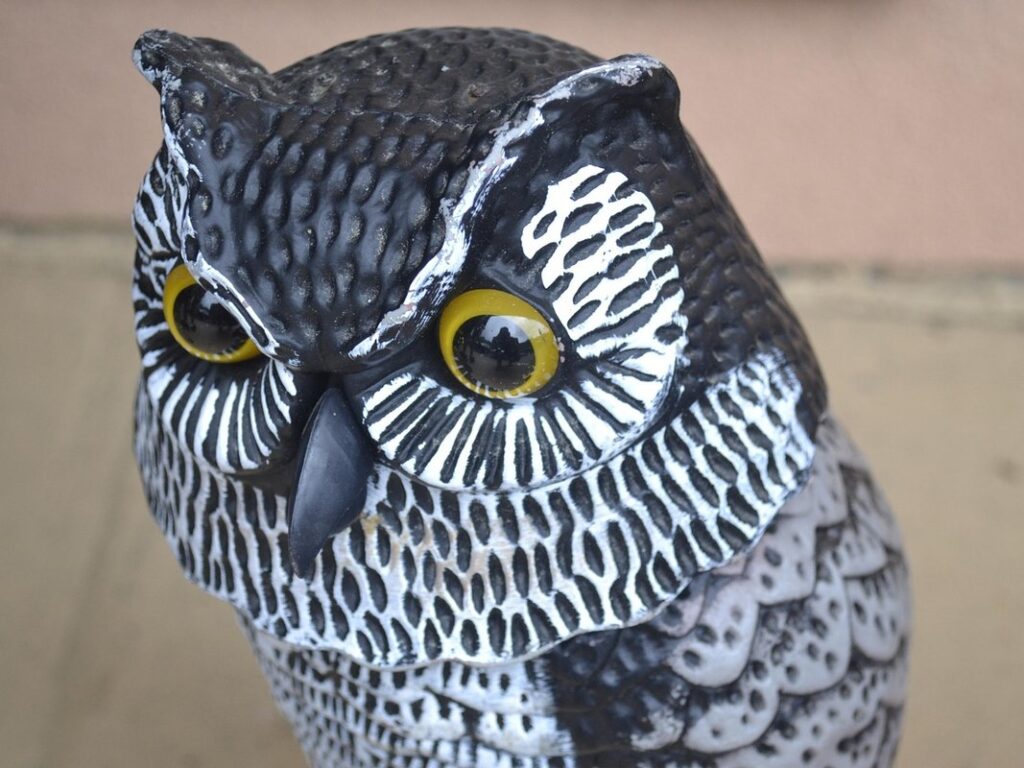
Introduction to Owl Decoys
If you’re new to using owl decoys for chicken protection, this is a great place to start learning the basics and understanding their purpose. Let’s dive into what makes owl decoys an effective solution.
Benefits of Using Owl Decoys
Using owl decoys can provide an added layer of protection for your chickens from predators such as hawks, owls, and foxes. By placing a realistic owl decoy in the vicinity of your coop or run, you can create a sense of danger for potential threats. This is especially useful if you live in areas with high predator activity.
Some benefits of using owl decoys include:
* Reduced stress on chickens: When hawks and owls see an owl decoy, they are less likely to attack the real birds.
* Deterrent effect: Owl decoys can also deter other predators such as foxes and raccoons that may be attracted to your coop or run.
* Cost-effective: While it’s essential to have a secure coop and run, using owl decoys is a low-cost way to supplement your security measures.
To get the most out of your owl decoy, choose one that’s made from durable materials and has realistic features such as feathers and beak. Place it in an area where it can be seen by potential predators, ideally near the coop or run entrance. This will help create a sense of danger and keep your chickens safe.
Choosing the Right Owl Decoy
Choosing the right owl decoy is crucial to effectively protecting your flock from predators. There are various types of owl decoys available, each with its unique features and benefits. Fake owls, also known as static decoys, can be an affordable option for small farms or backyard chicken keepers. However, they may not be effective against more cunning predators.
Motion-activated decoys, on the other hand, are a more advanced option that uses sensors to trigger motion when an animal approaches. These can be particularly useful in areas with high predator activity. Solar-powered owl decoys are another popular choice, as they are eco-friendly and require minimal maintenance.
When selecting an owl decoy, consider your flock’s specific needs and the type of predators you’re trying to deter. For example, if you live in an area with coyotes or foxes, a larger, more realistic decoy may be more effective. Ultimately, choose a decoy that is durable, easy to install, and visible from a distance. Remember to place it strategically near your coop or run to maximize its effectiveness.
Understanding Chicken Predator Behavior
When it comes to protecting your flock from owl predators, understanding their behavior is crucial for effective decoy placement and strategy. Let’s dive into the world of nocturnal hunters and their tactics.
Owl Predation Habits
When it comes to protecting your flock from predators, understanding owl predation habits is crucial. Owls are skilled hunters that primarily feed on small mammals, birds, and reptiles. However, they also see chickens as a potential meal source.
Owls typically hunt at dawn and dusk when their prey is most active. They use stealthy flight patterns to sneak up on their victims, often swooping down from a nearby tree or perch. When it comes to nesting sites, owls prefer secluded areas with dense foliage, such as woodland edges or agricultural fields with tall grasses.
If you suspect an owl is a threat to your flock, pay attention to the time of day and any unusual bird activity near your coop. Keep in mind that owls are most active during the breeding season (February-May), which means they’re more likely to be hunting for food during this period.
By recognizing these hunting patterns, you can take steps to safeguard your flock using owl decoys strategically placed around your property.
Identifying Potential Threats
When it comes to protecting your flock with owl decoys, understanding potential threats is crucial. Knowing what predators are lurking around your area can help you take proactive steps to safeguard your chickens.
First and foremost, familiarize yourself with the common predators in your region. For example, hawks and owls (ironically!) are known to prey on backyard chickens in many areas. Coyotes and foxes are also major threats in certain regions. Research what types of predators are most prevalent in your area by:
* Consulting local animal control or extension offices
* Joining online forums or social media groups focused on backyard chicken keeping
* Observing wildlife in your area to identify potential predators
Once you’ve identified the predators, take steps to secure your flock’s enclosure. Consider:
* Installing hardware cloth around enclosures to prevent digging and climbing
* Using sturdy fencing that’s at least 3 feet high to prevent jumping
* Keeping your chickens in a locked coop with covered runs
Setting Up an Effective Owl Decoy System
When it comes to setting up a successful owl decoy system, one of the most crucial steps is choosing the right location for your decoys. Let’s dive into what you need to consider for maximum effectiveness.
Strategically Placing Decoys
When setting up an owl decoy system, strategically placing these decoys is crucial to their effectiveness. You want to position them in areas where predators like owls are most likely to be a threat to your flock.
Start by identifying the nesting sites of your chickens. Place one or two owl decoys near these areas, making sure they’re visible from a distance. This will deter potential predators from even approaching the area.
You should also place owl decoys near feeding areas and congregation spots, such as roosting bars or favorite scratching posts. These locations are high-traffic zones where your chickens tend to congregate, increasing their vulnerability to attacks.
Consider placing owl decoys at corners of the coop or in strategic positions within the enclosure. This will give you maximum coverage without obstructing visibility or creating a cluttered environment. By thoughtfully positioning your owl decoys, you can create a comprehensive defense system that keeps your flock safe and secure.
Tips for Motion-Activated Decoys
When it comes to using motion-activated owl decoys, programming and placement are crucial for effectiveness. Start by reading the manufacturer’s instructions for setting up the decoy, as different models may have unique requirements. Typically, you’ll need to set the decoy to detect movement within a specific range (e.g., 10-20 feet) and adjust the sensitivity level according to your chicken coop or run size.
To maximize the decoy’s effectiveness, place it in an area where predators are most likely to be seen by your chickens. This might be near the entrance of the coop, along fence lines, or in areas with high activity. Consider placing multiple decoys at intervals of 10-20 feet apart to create a “sentry” system.
For optimal results, position the decoy so that it’s visible from various angles within the chicken enclosure. Make sure it’s securely anchored to avoid movement during strong winds or other environmental factors.
Maintaining and Upgrading Your Owl Decoy System
Now that your owl decoy system is up and running, it’s essential to keep it in good condition to ensure continued effectiveness in deterring predators from your chicken coop. Regular maintenance and upgrades will help you stay on top of this crucial safety measure.
Regular Cleaning and Maintenance
To keep your owl decoy system running effectively, regular cleaning and maintenance are essential. Over time, the decoys can accumulate dirt, debris, and even parasites like mites and ticks. If not addressed, these issues can reduce the decoy’s effectiveness and create an unhealthy environment for both humans and chickens.
Start by inspecting each decoy regularly for any signs of damage or wear. Check for loose or missing parts, such as eyes, beaks, or wings, which can compromise the decoy’s appearance and authenticity. Use a soft brush to gently sweep away dirt and debris from the decoy’s surface, paying particular attention to areas around the eyes and mouth.
It’s also crucial to wash your owl decoys periodically with mild soap and water. Avoid using harsh chemicals or abrasive materials that might damage the decoy’s finish or compromise its durability. After cleaning, make sure to dry each decoy thoroughly before returning it to its position.
By incorporating regular cleaning and maintenance into your schedule, you’ll be able to ensure your owl decoy system remains effective over time, protecting your flock from predators and keeping your yard a safer place for both humans and animals.
Upgrading Your System as Needed
As your flock grows and becomes more comfortable with their surroundings, it’s essential to upgrade your owl decoy system as needed. This may involve replacing worn-out decoys or adding new ones to the mix. Decoys that have lost their vibrancy or become faded can lose their effectiveness in deterring predators.
To swap out old decoys for new ones, start by inspecting each unit for damage or signs of wear. Remove any torn or frayed feathers, and clean the body and wings with mild soap and water. If a decoy is beyond repair, it’s time to replace it.
When selecting new decoys, consider factors such as size, material, and placement within your yard. Ensure that they blend seamlessly into their surroundings to maximize their deterrent effect. Remember, a well-placed owl decoy can be an incredibly effective tool in protecting your flock.
Common Challenges and Solutions
As you begin using owl decoys, you’ll likely encounter some common challenges that can affect their effectiveness. Let’s dive into these issues and explore practical solutions to overcome them.
Overcoming Skepticism from Neighbors
Addressing concerns from neighbors about using owl decoys to protect your chickens is not uncommon. Many people assume that these devices are ineffective or even a waste of money. However, numerous studies and real-life examples demonstrate their effectiveness.
If you’re facing skepticism from your neighbors, start by sharing some of the research on owl decoy success rates. For instance, one study found that using owl decoys reduced predation by 90%. You can also share photos or videos of successful owl decoy implementations in your community to show its efficacy.
When discussing with neighbors, focus on how owl decoys complement other security measures rather than relying solely on them. Emphasize the importance of a multi-layered approach to securing your chicken coop and run. This might involve combining owl decoys with secure fencing, alarm systems, or even guard animals like geese. By presenting a well-rounded strategy, you can alleviate concerns that owl decoys are too expensive or ineffective.
Troubleshooting Decoy Malfunctions
If you’ve set up an owl decoy system to protect your chickens from predators, but it’s not functioning as expected, there are a few common issues that may be the culprit. One of the most frustrating problems is faulty programming or decoy malfunctions. Perhaps the motion sensors aren’t triggering the decoy movement, or the decoy itself isn’t rotating or flapping as intended.
To troubleshoot these issues, start by checking the manufacturer’s instructions and troubleshooting guide for your specific owl decoy system. Look for any error messages on the control panel or remote, as these can often provide valuable clues about what’s going wrong. Check the batteries or power source to ensure they’re properly connected and fully charged.
Also, make sure that the motion sensors are correctly positioned and calibrated. If you’ve made recent changes to your coop or surrounding area, it may be necessary to re-calibrate the system to account for these changes. By following these simple steps, you should be able to identify and resolve any decoy malfunction issues, ensuring that your chicken flock stays safe and secure.
Conclusion: Protecting Your Flock with Owl Decoys
Now that you’ve learned how to safely and effectively use owl decoys, let’s discuss the final steps in protecting your flock from predators.
Recap of Key Takeaways
As we conclude our comprehensive guide to owl decoys for chickens, it’s essential to recap the key takeaways to ensure you have a solid understanding of what it takes to protect your flock effectively. First and foremost, the primary benefit of using owl decoys is their ability to deter predators without harming them. By mimicking the appearance and movements of an owl, these decoys can fool potential threats into thinking they’ve encountered a real bird of prey.
To set up an effective owl decoy system, we recommend placing multiple decoys in strategic locations around your property. Consider positioning them near areas where chickens are most active or where predators have previously been spotted. Additionally, be sure to maintain a clean and secure environment by regularly inspecting the decoys for damage and making any necessary repairs.
By following these setup strategies and maintenance tasks, you’ll be well on your way to creating a safe and secure space for your flock. Remember to choose high-quality decoys made from durable materials, and don’t hesitate to adapt your system as needed based on your specific situation and the behavior of your chickens.
Final Tips for Maximum Effectiveness
To ensure that your owl decoy system remains effective over time, it’s essential to regularly inspect and maintain your decoys. Check for any signs of wear and tear, such as faded paint or broken perches. Replace any damaged decoys promptly to prevent them from becoming ineffective.
It’s also crucial to update your system periodically to reflect changes in the local environment. For example, if you notice an increase in hawk activity, you may need to adjust the placement or number of decoys to better protect your flock. Consider rotating decoys every few months to keep the birds guessing and prevent them from becoming desensitized.
Take note of any changes in your farm’s surroundings, such as new trees or structures that could provide shelter for predators. Make adjustments accordingly to maintain a robust defense system. By staying vigilant and adapting to changing circumstances, you can ensure that your owl decoy system remains an effective deterrent against predators and continues to safeguard your flock. Regular maintenance will also help prevent pest infestations and other issues that can compromise the effectiveness of your decoys.
Frequently Asked Questions
Can I use an owl decoy indoors to protect my chickens from flying predators?
Yes, while owl decoys are often used outdoors, you can also place them near windows or on indoor perches to deter flying predators like hawks and owls. Just ensure the decoy is visible from the outside and easily seen by potential threats.
How many owl decoys do I need to protect my flock effectively?
It’s generally recommended to use multiple owl decoys strategically placed around your coop or run, rather than relying on a single decoy. The ideal number depends on the size of your property, the type of predators you’re protecting against, and the effectiveness of your overall security system.
Can I reuse an old owl decoy or should I replace it after a certain time?
While some owl decoys can be reused, their effectiveness may decrease over time due to fading, wear, or pest infestations. If you notice a decline in performance or see signs of damage, consider replacing the decoy with a new one. Regular cleaning and maintenance can also help extend its lifespan.
How do I prevent an owl decoy from attracting unwanted attention from curious animals like dogs or raccoons?
To minimize the risk of attracting unwanted attention, ensure your owl decoy is securely positioned and out of reach for smaller animals. You may also consider using a motion-activated decoy that only triggers when a potential predator approaches.
Can I use an owl decoy as part of a larger security system or do they work best alone?
Yes, owl decoys can be used in conjunction with other security measures like fencing, netting, and electronic deterrents to create a comprehensive defense system for your chickens. By combining multiple strategies, you can enhance the overall effectiveness of your protection plan.