
Are you looking to give your hens a nutritional boost that translates into stronger, healthier birds? If so, you’re likely considering adding oyster shells to their feed. This simple yet effective addition has been gaining popularity among backyard chicken keepers and commercial farmers alike for its impressive benefits on eggshell production and overall flock health. Not only can crushed or whole oyster shells help fortify your chickens’ bones, but they also support optimal calcium levels in the body. But what exactly do oyster shells do for your birds, and how can you incorporate them into their diet safely? In this article, we’ll delve into the benefits of using oyster shells in chicken feed, potential risks to consider, and provide expert advice on getting started.
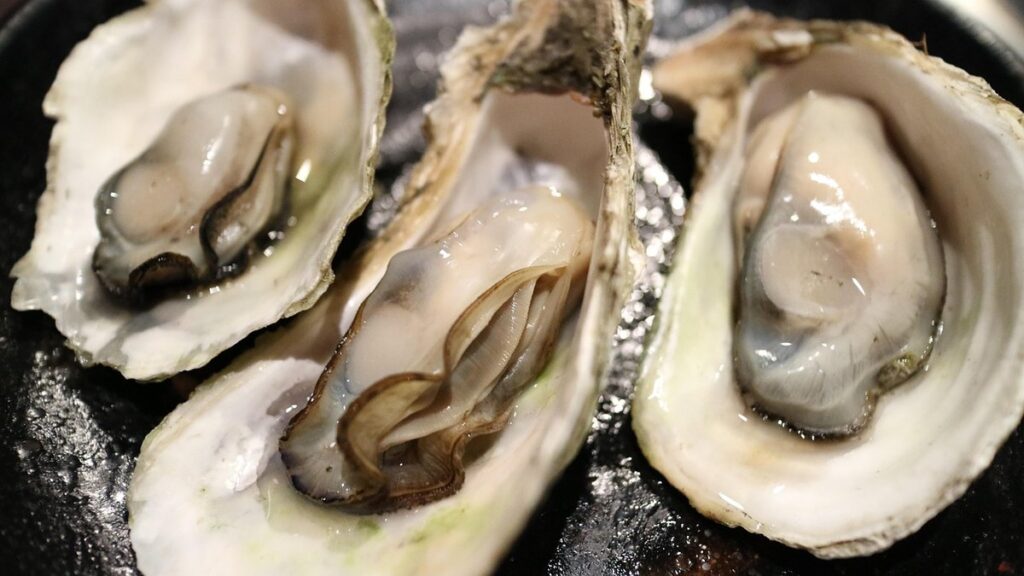
Introduction to Using Oyster Shells in Chicken Feed
If you’re considering adding oyster shells to your chicken feed, understanding their benefits and proper usage is crucial for a healthy flock. This section will walk you through the ins and outs of incorporating them into your bird’s diet.
Benefits of Adding Oyster Shells to Chicken Feed
Adding oyster shells to chicken feed can have a significant impact on the overall health and productivity of your flock. One of the primary benefits is the high calcium content found in oyster shells. Calcium is essential for building strong bones and eggshells, making it an ideal supplement for chickens. A diet rich in calcium will result in stronger eggshell production, reducing the likelihood of cracked or fragile eggs.
In fact, a study conducted by the University of Kentucky found that adding oyster shells to chicken feed increased eggshell thickness by up to 25%. This is because oyster shells contain not only calcium but also other essential minerals such as magnesium and phosphorus. When incorporated into their diet, these minerals help to strengthen the overall structure of the eggshell.
To incorporate oyster shells into your flock’s diet, start by adding a small amount (about 1-2% of their daily feed) and gradually increase the amount as needed. It’s also essential to note that fresh oyster shells should be crushed or broken down before being added to the feed to ensure they are easily digestible.
Overview of Oyster Shell Types and Sources
When it comes to using oyster shells in chicken feed, understanding the different types available is crucial. Oyster shells come in various forms, each with its own advantages and uses.
One of the most popular types is crushed oyster shells, also known as oyster shell grit or simply “gut-load” supplements. Crushed oyster shells are finely ground into a powder or small fragments that provide essential minerals like calcium, phosphorus, and potassium to your chickens’ diet. This form is ideal for young chicks and layers who require a boost of nutrients.
Whole oyster shells, on the other hand, are larger and less processed than crushed varieties. They’re often used as an additional source of grit in the chicken’s digestive system, helping grind food particles into smaller bits for easier digestion.
Both types of oyster shells can be sourced from various places, including local pet stores or online suppliers. When choosing a supplier, ensure they provide clean and free-from contaminants products to maintain your flock’s health.
It’s essential to note that not all oyster shell types are created equal, so choose the one that best suits your chicken’s needs.
Nutritional Value of Oyster Shells
When it comes to using oyster shells for your chicken’s health, understanding their nutritional value is crucial. Let’s dive into the essential details of what these shells offer your feathered friends.
Calcium Content and Importance in Chicken Nutrition
When it comes to maintaining strong bones and healthy eggshell production, calcium is the key. Oyster shells are an excellent source of this essential mineral, making them a popular supplement for backyard chicken keepers. A single serving of oyster shell powder can contain anywhere from 30-40% calcium by weight.
But why is calcium so crucial for chickens? Simply put, it’s the backbone of their skeletal system. Calcium helps build and maintain strong bones, as well as promote healthy eggshell production. In fact, a deficiency in calcium can lead to issues like softened eggs, brittle bones, and even reduced fertility. When choosing an oyster shell supplement, look for products that have been crushed or powdered to release the calcium more easily.
To give you a better idea of just how important calcium is, consider this: the average layer hen requires around 3-4 grams of calcium per day. That’s why providing an adequate source of calcium through oyster shells can make all the difference in your flock’s overall health and well-being. By incorporating oyster shell powder into their diet, you can help ensure your chickens are getting the calcium they need to stay happy and healthy.
Other Key Nutrients Found in Oyster Shells
In addition to calcium, oyster shells also provide other essential nutrients that are vital for chicken health. Protein is one of the key nutrients found in oyster shells, making them a valuable supplement for chickens that require high levels of protein in their diet. A 1-ounce serving of oyster shells can contain up to 5 grams of protein, which can contribute significantly to your flock’s daily protein needs.
Phosphorus is another essential nutrient found in oyster shells, playing a crucial role in the development and maintenance of strong bones and teeth in chickens. Oyster shells are an excellent source of phosphorus, with a single serving providing up to 15% of the recommended daily intake for your birds. By incorporating oyster shells into their diet, you can help ensure that your chickens receive adequate levels of this essential mineral.
These nutrients work in tandem with calcium to support overall health and well-being in your flock. When choosing an oyster shell supplement for your chickens, make sure to select a product that is specifically formulated to meet the nutritional needs of poultry.
How to Use Oyster Shells in Your Chicken Feed
Now that you know the benefits of oyster shells for your chickens, let’s dive into how to safely and effectively incorporate them into their daily feed. Add crushed oyster shells to your flock’s meal once a week.
Adding Crushed Oyster Shells to Layer Feed
When it comes to layer feed, incorporating crushed oyster shells is an excellent way to support eggshell production. Oyster shells are rich in calcium carbonate, which is essential for strong and healthy eggshells. By adding crushed oyster shells to your chicken’s diet, you’ll be providing them with the necessary building blocks for producing high-quality eggs.
To incorporate crushed oyster shells into layer feed, start by calculating the correct amount based on the number of chickens in your flock and their age. A general rule of thumb is to add 1-2% of oyster shell to their diet. For example, if you have a flock of 10 laying hens, you would add 100-200 grams of crushed oyster shells to their feed daily.
It’s also essential to choose the right type of oyster shell for your chickens. Look for ones that are finely ground and contain minimal impurities. You can purchase crushed oyster shells at most farm supply stores or online.
Mixing crushed oyster shells with layer feed is simple: just sprinkle it over their food or add it to a separate feeding trough. Make sure to refresh the oyster shell mixture regularly to prevent spoilage and maintain optimal egg production.
Using Whole Oyster Shells for Broiler Flocks
Using whole oyster shells as a supplement for broiler flocks has gained significant attention in recent years due to its potential benefits on growth rates and bone strength. This is particularly important for commercial poultry producers looking to optimize their operations.
When it comes to incorporating whole oyster shells into your chicken feed, there are several key advantages to consider. Firstly, oyster shells have been shown to improve the overall health of broilers by providing essential minerals such as calcium and phosphorus. These nutrients are crucial for strong bone development, which is critical during the rapid growth phase.
One study found that feeding whole oyster shells to broiler chicks resulted in a significant increase in bone density compared to those fed a standard commercial diet. Improved bone strength can lead to faster processing times and reduced feed waste. Additionally, research has also suggested that using oyster shells as a supplement may have positive effects on the overall health of your flock.
A general guideline for incorporating whole oyster shells into your broiler feed is to use 2-4% of the total feed ration. This can be achieved by mixing crushed or whole oyster shells with other ingredients in your feed formulation.
Potential Risks and Considerations
Before adding oyster shells to your flock’s diet, it’s essential to consider some potential risks and factors that might impact their health and well-being. Let’s explore these important considerations together.
Intestinal Blockages from Ingesting Large Oyster Shell Pieces
Feeding whole oyster shells to your flock can be beneficial for their calcium intake, but it’s crucial to understand the potential risks involved. Intestinal blockages are a serious concern when chickens ingest large pieces of oyster shell.
The issue arises when oyster shells become too large or dense, making them difficult for the chicken’s digestive system to break down. If your birds consume significant amounts of whole oyster shells, the risk of intestinal blockages increases. According to some studies, this can happen when shells are larger than 3-4 mm in diameter.
To minimize this risk, crush or grind your oyster shells before offering them to your chickens. This will ensure that they’re able to absorb the calcium without any complications. As a general rule, aim for crushed oyster shell particles around 1-2 mm in size.
Some chicken owners also recommend soaking oyster shells in water overnight to help soften and break them down further. However, this method is not foolproof and should be used with caution.
By taking these precautions, you can provide your chickens with the calcium-rich benefits of oyster shells while avoiding potential harm.
Interaction with Other Supplements or Medications
When adding oyster shell supplements to your chicken’s diet, it’s essential to consider potential interactions with other medications or feed additives. Some common combinations that may require extra attention include antibiotics and antifungals.
Antibiotics can bind to calcium in the body, which may reduce their effectiveness if taken simultaneously with oyster shells. This is particularly concerning for farmers who rely on antibiotics as a last resort. To minimize this risk, ensure you’re not administering antibiotics at the same time as introducing oyster shell supplements.
Another potential issue arises when combining oyster shells with other calcium-rich feed additives or mineral supplements. Overloading your flock with excessive calcium can lead to kidney damage and other health problems. Monitor your birds’ intake closely and balance their diet accordingly to avoid such complications.
It’s also crucial to note that some medications, like metformin and bisphosphonates, may interact with oyster shells by increasing the risk of hypercalcemia (elevated calcium levels). If you’re already providing other supplements or administering medication to your flock, consult with a veterinarian or nutritionist before introducing oyster shell supplements.
Conclusion and Recommendations
Now that you’ve learned how to incorporate oyster shells into your chicken’s diet, let’s summarize our key findings and make some final recommendations for you.
Integrating Oyster Shells into Your Chicken Feed Strategy
Now that you’ve learned about the benefits of oyster shells for chickens and how to properly store and prepare them, it’s time to integrate them into your chicken feed strategy. As we’ve discussed throughout this comprehensive guide, oyster shells can provide essential calcium for strong eggshell production, improve overall health, and support natural digestive processes.
Key takeaways from our exploration of oyster shells include their rich mineral profile, which includes not only calcium but also magnesium and potassium. These minerals are crucial for maintaining healthy bone density, muscle function, and heart activity in chickens. When selecting oyster shells as a supplement, ensure you choose an uncalcined, crushed variety to maximize nutrient absorption.
To incorporate oyster shells into your chicken feed strategy, follow these practical steps:
* Start by providing 2-3% of the oyster shell content in the total feed mix for a standard flock. Adjust this ratio according to individual bird needs and health conditions.
* Consider mixing oyster shells with other supplements like grit or crushed limestone to create a well-rounded diet.
* Be mindful of over-supplementation, as excessive calcium consumption can lead to an imbalance of essential nutrients.
When adding oyster shells to your chicken feed routine, pay attention to the specific age and breed requirements of your flock. For example:
* Laying hens will require around 2-3 times more oyster shell than non-layers.
* Young chickens benefit from a higher calcium intake during the first year after hatch.
Monitor your flock’s performance closely and adjust the amount of oyster shells accordingly to optimize health and eggshell quality. By incorporating these simple yet effective strategies, you can create a balanced diet that supports overall well-being in your birds.
Frequently Asked Questions
Can I use oyster shells for chickens with existing health issues?
Yes, oyster shells can be a beneficial addition to the diet of chickens with existing health issues, especially those related to calcium deficiency or weak bones. However, it’s essential to consult with a veterinarian before introducing oyster shells into the feed, as they may interact with other medications.
How do I know if my flock is getting enough calcium from oyster shells?
To determine if your flock is receiving sufficient calcium, monitor their eggshell production and overall health. A good indicator is strong, thick eggshells. Additionally, you can also consider providing a varied diet that includes dark leafy greens, like kale or spinach, which are rich in calcium.
What’s the difference between crushed and whole oyster shells for chickens?
Crushed oyster shells are easier to digest than whole ones and allow for better absorption of calcium. However, if you’re raising broiler chickens, whole oyster shells can be a more cost-effective option. It’s crucial to ensure that your flock has access to fresh water at all times when consuming oyster shells.
Can I mix oyster shells with other supplements or medications?
When combining oyster shells with other supplements or medications, consult with a veterinarian to avoid potential interactions. For example, administering vitamin D3 simultaneously may increase the risk of excessive calcium intake. Ensure you’re aware of any possible combinations before adding them to your chicken’s feed.
How often should I replenish oyster shells in my flock’s feeding trough?
Oyster shells can become rancid if stored for too long. It’s recommended to replace them every 2-3 months, or as needed based on consumption rates. Monitor the condition and freshness of the oyster shells regularly and adjust your replenishment schedule accordingly.