
If you’re looking for a protein-packed food that’s also budget-friendly, you might want to crack open your knowledge about white chicken eggs. These oval wonders are often overlooked in favor of their brown counterparts, but they have a lot going for them. Not only do white chicken eggs offer a lean source of protein, but they’re also relatively inexpensive and widely available. In this comprehensive guide, we’ll dive into the benefits, uses, and nutritional value of white chicken eggs, from their high protein content to their environmental impact. We’ll explore how these versatile eggs can be used in cooking, their role in a healthy diet, and what makes them a great choice for environmentally conscious consumers. Whether you’re a busy cook or an eco-warrior, this guide will have you egg-static about the possibilities of white chicken eggs!
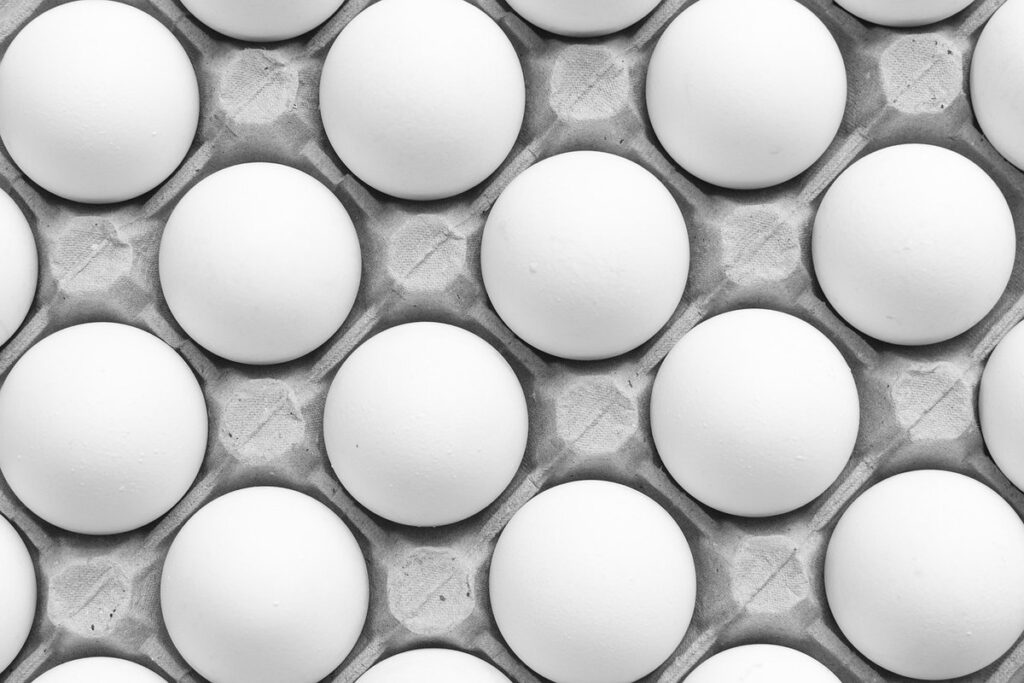
Introduction to White Chicken Eggs
If you’re new to raising white chickens, let’s start by understanding what makes their eggs so special. We’ll dive into the characteristics and unique qualities of these versatile eggs.
What are White Chicken Eggs?
White chicken eggs are a unique and popular choice among consumers due to their distinct appearance and potential health benefits. But what exactly sets them apart from other types of eggs? The answer lies in the genetic makeup of the hens that produce them.
These hens possess a specific trait that causes their feathers, legs, and eggshells to turn white. This is not a result of external factors such as dye or pigment, but rather an innate characteristic that’s passed down through generations. As a result, the eggs produced by these hens have a distinct white appearance, which many consumers find appealing.
The genetic trait responsible for producing white feathers and eggshells in chickens is known as albinism. However, it’s essential to note that true albinism is extremely rare in chickens, and most white-feathered breeds are actually leucistic, meaning they have a reduction or absence of melanin pigmentation. Regardless of the underlying genetic cause, the end result is the same: beautiful, snow-white eggs that add a touch of elegance to any kitchen.
If you’re considering raising your own backyard flock, look for breeds such as Leghorns or Ancona, which are known for their white feathers and high egg-laying abilities. With proper care and nutrition, these hens will reward you with an abundance of fresh, healthy eggs.
History of White Chicken Egg Production
White chicken eggs have been a staple in many countries’ diets for centuries. The history of their production dates back to ancient civilizations, where chickens were first domesticated around 2000 BCE. In those early times, eggs were a rare and precious commodity, reserved primarily for the wealthy.
It wasn’t until the Roman Empire that egg production became more widespread. The Romans kept large flocks of chickens and used them for both meat and egg production. As they expanded their territories, they introduced chicken-keeping to other parts of Europe, including the British Isles. By the Middle Ages, eggs had become a common food source throughout much of Western Europe.
The Industrial Revolution brought significant changes to egg production, with the introduction of new breeds like Leghorns and Cornish Cross. These breeds were bred specifically for their high egg-laying abilities, leading to increased efficiency and productivity in farms. As global trade expanded, white chicken eggs became more widely available, contributing to their popularity as a staple food source worldwide. Today, billions of people consume white chicken eggs every day, appreciating their convenience, nutritional value, and affordability.
Nutrition and Health Benefits of White Chicken Eggs
White chicken eggs are a rich source of essential nutrients, including protein, vitamins, and minerals that can have a significant impact on our overall health. Let’s explore their nutrition and health benefits in more detail.
Protein Content and Amino Acid Profile
White chicken eggs are an excellent source of protein, making them an ideal food for individuals looking to build and repair muscle tissue. In fact, a large egg provides about 6-7 grams of high-quality protein that is essential for muscle growth and maintenance.
The amino acid profile of white chicken eggs is particularly noteworthy, containing all nine essential amino acids that the human body cannot produce on its own. These include leucine, isoleucine, valine, histidine, methionine, phenylalanine, threonine, tryptophan, and lysine. This complete amino acid profile makes egg protein a superior choice for muscle growth and repair.
For individuals who are physically active or engaging in strength training, consuming 1-2 eggs per day can help to promote muscle recovery and growth. For example, a study published in the Journal of the International Society of Sports Nutrition found that consuming an egg-based breakfast after resistance exercise resulted in greater muscle protein synthesis compared to a soy-based breakfast.
When choosing eggs for optimal protein content, look for those from pasture-raised or omega-3 enriched hens, which tend to have higher levels of beneficial fatty acids and conjugated linoleic acid (CLA).
Choline and Brain Function
Choline is an essential nutrient that plays a critical role in brain function and development. It’s involved in the synthesis of neurotransmitters, including acetylcholine, which regulates memory formation and cognitive processing speed. Studies have shown that choline deficiency can lead to impaired cognitive performance, fatigue, and even depression.
White chicken eggs are an excellent source of dietary choline, with a large egg providing about 125 milligrams of this essential nutrient. This is particularly significant because many people don’t get enough choline in their diets. To reap the benefits of choline from white chicken eggs, consider incorporating them into your breakfast routine or using them as a snack.
Incorporating more choline-rich foods like white chicken eggs can also support fetal brain development during pregnancy. The American Pregnancy Association recommends eating at least 450 milligrams of choline per day to support healthy fetal brain growth. By choosing white chicken eggs as part of a balanced diet, you’re not only getting essential protein but also supporting optimal brain function and development.
Uses and Recipes for White Chicken Eggs
Now that you know the amazing benefits of white chicken eggs, let’s explore some delicious and creative ways to use them in your cooking. From omelets to baked goods, we’ve got you covered!
Baking and Cooking Applications
When it comes to baking and cooking with white chicken eggs, the possibilities are endless. These versatile ingredients can elevate a wide range of sweet and savory dishes, from classic cakes and cookies to hearty breakfast skillets.
For bakers, white chicken eggs offer excellent structure and moisture to baked goods like cakes, muffins, and scones. For example, using three large eggs per batch adds richness and tenderness to homemade chocolate cake recipes. In cookie dough, a single egg helps bind ingredients together while providing a subtle sheen to the finished product.
Beyond baking, white chicken eggs can be used in a variety of cooking techniques. Poaching is an excellent way to prepare delicate dishes like Eggs Benedict or steamed asparagus with poached eggs and hollandaise sauce. For heartier meals, try pan-frying sliced vegetables, meatballs, or even crispy hash browns for added protein and texture.
To get the most out of your white chicken eggs in cooking and baking, remember to always use room-temperature eggs for better emulsification and mixing results.
Dye-Free Decorating Methods
When it comes to decorating hard-boiled eggs, traditional methods often rely on food coloring or other chemicals that can be detrimental to our health. Fortunately, there are alternative dye-free methods that you can use to add some color and personality to your Easter egg creations.
One way to decorate eggs without dyes is by using natural ingredients found in your kitchen. For example, you can use beets, turmeric, or paprika to create vibrant colors. Simply boil the hard-boiled eggs as usual, then let them cool before rubbing the natural coloring agent onto the eggshell. The result is a beautiful, one-of-a-kind design that’s free from harsh chemicals.
Another option is to get creative with stickers, stamps, and stencils. You can use adhesive-backed stickers or even make your own out of natural materials like leaves or twigs. Stamps made from sponges or household items like potatoes can also add interesting textures and patterns to your eggs. With a little imagination, the possibilities are endless!
By using these alternative methods, you can enjoy decorating hard-boiled eggs without exposing yourself or your family to potentially hazardous chemicals.
White Chicken Egg Production and Sustainability
Let’s take a closer look at how white chicken egg production is impacting our environment, from feed to farm management practices that benefit both farmers and the planet.
Environmental Impact of Large-Scale Egg Farms
Large-scale egg farms can have a significant environmental impact due to their resource usage and waste management concerns. For instance, it’s estimated that one large egg farm can consume over 10 million gallons of water annually, not to mention the fuel used for transportation and electricity generation. Moreover, these operations often result in massive amounts of manure and wastewater production which can lead to pollution and soil degradation if not managed properly.
Inefficient waste management is a pressing issue in many industrial-scale farms. When left unregulated, it can contaminate nearby water sources, harm local ecosystems, and even affect public health. This is why implementing sustainable practices like recycling and reusing resources is crucial. For example, some large egg farms have started using anaerobic digesters to convert their waste into biogas, reducing methane emissions by up to 70%. By exploring innovative methods of resource management and adopting eco-friendly technologies, the environmental footprint of commercial egg production can be significantly minimized.
However, not all hope is lost. Consumers who prioritize sustainability can still choose environmentally responsible eggs from farms that adopt regenerative practices like rotational grazing or integrating with solar power.
Small-Scale and Backyard Chickens
Raising backyard chickens or participating in community-supported agriculture (CSA) programs is an excellent way to produce sustainable eggs while reducing reliance on industrial farming methods. By doing so, you not only contribute to a more environmentally friendly food system but also gain direct access to fresh, high-quality eggs.
One of the main advantages of small-scale egg production is its ability to operate with minimal environmental impact. Chickens require less land and resources compared to large commercial farms, making them an attractive option for urban or suburban areas. In fact, a study by the University of California found that backyard chicken-keeping can reduce carbon emissions by up to 50% due to reduced transportation costs.
If you’re considering raising your own chickens, start by checking local regulations and ensuring you have sufficient space for a coop. It’s also essential to choose breeds well-suited for egg production, such as Leghorns or Rhode Island Reds. As for CSAs, look for programs that prioritize humane treatment and sustainable practices. By supporting these initiatives, you’ll not only be enjoying the benefits of fresh eggs but also contributing to a more resilient food system.
Comparison with Other Types of Eggs
When it comes to choosing eggs, you might be wondering how white chicken eggs stack up against others. Let’s take a closer look at their differences in size, taste, and nutritional value.
Omega-3 Content and Fatty Acid Profile
When it comes to omega-3 content and fatty acid profile, white chicken eggs often get a bad rap compared to other types of eggs. But are they really that different? Let’s dive into the details.
White chicken eggs contain about 20-30 milligrams of omega-3s per large egg, which is relatively low compared to duck or quail eggs. Duck eggs, for example, can have up to 100 times more omega-3s than white chicken eggs! However, it’s essential to note that these high levels are largely due to the ducks’ diet, not their egg-laying abilities.
Quail eggs, on the other hand, contain a higher percentage of polyunsaturated fatty acids (PUFAs), including alpha-linolenic acid (ALA) and eicosapentaenoic acid (EPA). While these fats are beneficial for heart health, it’s worth noting that ALA can be converted into EPA in the body. White chicken eggs, however, have a more balanced fatty acid profile with higher levels of monounsaturated and saturated fats.
If you’re looking to boost your egg’s omega-3 content, consider feeding your hens foods rich in alpha-linolenic acid (ALA), such as flaxseeds or chia seeds. This will give your eggs an extra nutritional kick without sacrificing their taste or texture.
Laying Hens’ Living Conditions
When it comes to laying hens‘ living conditions, there are several options available that cater to different needs and preferences. Free-range laying hens, for instance, have the freedom to roam outdoors, which can lead to a more natural and active lifestyle. These birds typically spend their days pecking at grass, exploring their surroundings, and engaging in social behavior with other chickens.
Organic laying hens, on the other hand, are raised without antibiotics or hormones and are often provided with access to the outdoors as well. This approach prioritizes animal welfare and environmental sustainability. However, it’s essential to note that both free-range and organic options can come at a higher cost compared to conventionally raised birds.
If you’re considering raising laying hens on your own, there are steps you can take to ensure their living conditions are optimal. Providing enough space for exercise, access to fresh water and feed, and regular veterinary care are all crucial aspects of laying hen husbandry. By doing so, you’ll be able to enjoy the benefits of farm-fresh eggs while promoting the health and well-being of your birds.
Frequently Asked Questions
Can I use white chicken eggs as a substitute for other types of eggs in baking and cooking recipes?
Yes, you can definitely use white chicken eggs as a substitute in most recipes. However, keep in mind that their slightly different nutritional profile may affect the texture and consistency of certain baked goods. It’s always a good idea to adjust liquid content or add additional ingredients to ensure the best results.
Are white chicken eggs suitable for people with egg allergies?
No, unfortunately, not all individuals with egg allergies can tolerate white chicken eggs. The protein structure in these eggs is similar to other types of eggs, so they may still cause an allergic reaction. If you’re considering using white chicken eggs as a substitute or supplement, consult with a healthcare professional or registered dietitian for personalized advice.
How do I choose the freshest and highest-quality white chicken eggs?
Look for eggs with clean, dry shells, and check the expiration date or “Sell By” label. You can also examine the egg’s appearance: fresh eggs will have a firm white and a slight sheen to the yolk. For backyard or small-scale producers, ask questions about their feeding practices, living conditions, and handling procedures to ensure you’re getting the best quality.
Can I use white chicken eggs in making vegan products or as an ingredient in plant-based recipes?
Yes, you can definitely incorporate white chicken eggs into your vegan product development or plant-based cooking. Use egg whites or yolks as a binder, emulsifier, or texture modifier to create innovative and delicious alternatives to traditional animal-derived ingredients.
How do I store white chicken eggs for optimal freshness and safety?
Store eggs in their original carton or container, with the pointed end facing down. Keep them refrigerated at 40°F (4°C) or below, and use within a week of purchase. Wash hands thoroughly before handling eggs, and make sure to cook them until the whites are set and the yolks reach your desired doneness to avoid foodborne illness.