
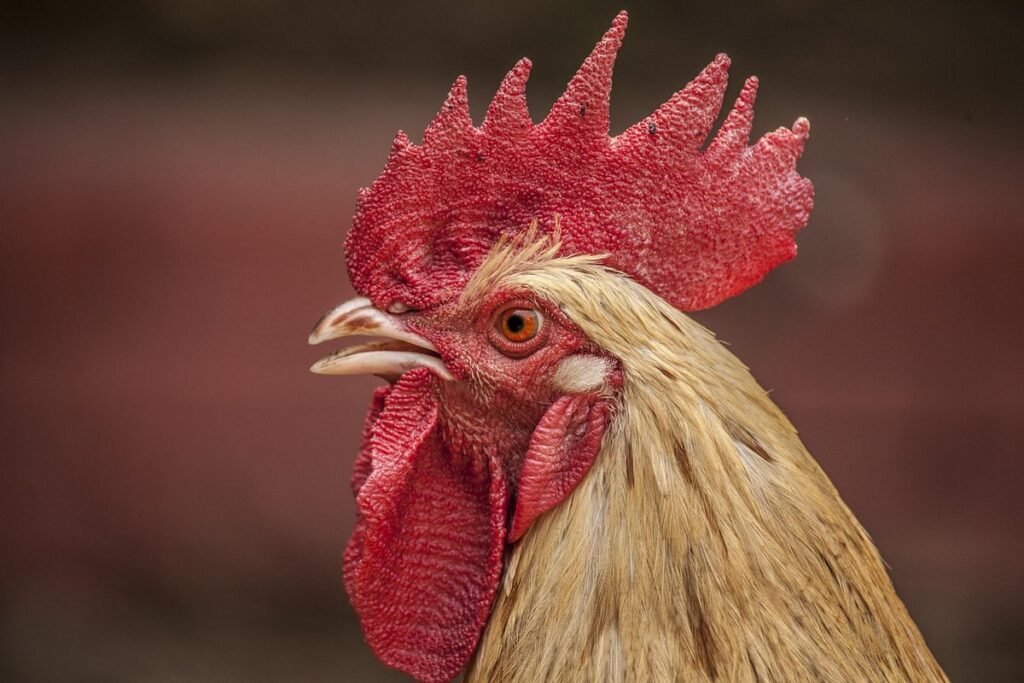
When you look at a chicken’s face, one of the most distinctive features is its vibrant red wattle. But have you ever wondered what this curious appendage does? A chicken’s wattle plays a vital role in temperature regulation, helping to cool down their body when it gets too hot. But that’s not all – it also serves as a communication tool, sending signals about the bird’s emotional state and even its reproductive readiness. In breeding, the size and shape of a chicken’s wattle can be an important indicator of overall health and fertility. That’s why understanding how this fascinating feature functions is crucial for breeders, owners, and enthusiasts alike. In this article, we’ll delve into the world of the chicken wattle, exploring its significance in temperature regulation, communication, breeding, and more.
What is a Chicken’s Wattle?
So, you’re wondering what that loose flap of skin hanging from your chicken’s neck is all about. In this section, we’ll explore the function and purpose of a chicken’s wattle.
Definition and Purpose of the Wattle
The wattle, also known as the dewlap, is a distinctive feature of many chicken breeds. It’s a loose flap of skin hanging from the throat, and its purpose might seem unclear at first glance. However, this characteristic serves several essential functions that are vital for a chicken’s overall health and well-being.
One primary function of the wattle is to regulate body temperature. When a chicken gets too hot, the blood vessels in the wattle expand, allowing heat to escape from the body. Conversely, when it’s cold, the vessels constrict, helping to conserve warmth. This process occurs through a complex mechanism involving the release and constriction of these blood vessels.
In addition to thermoregulation, the wattle also plays a role in communication and social interaction among chickens. When a rooster puffs out his wattle during courtship or territorial displays, it’s often a sign of dominance or aggression. This visual cue can also signal potential threats to other birds.
Importance of Wattles for Breeding and Identification
When it comes to identifying different chicken breeds, wattles play a significant role. Breeders rely on several characteristics, including size, shape, and color of the wattle, to distinguish between various types. For instance, some breeds like the Silkie and the Polish have long, fluffy wattles that are easy to recognize, while others like the Brahma have smaller, more compact wattles.
Breeders use wattles as a key factor in poultry selection because they can indicate a bird’s overall health and temperament. A well-attached wattle suggests good genetics and a robust immune system, making it easier for breeders to select birds that will excel in breeding programs. On the other hand, a droopy or detached wattle may be a sign of underlying health issues.
To identify different chicken breeds using wattles, pay attention to the following characteristics:
* Size: Some breeds have long, flowing wattles, while others are shorter and more compact.
* Shape: Wattles can be pointed, rounded, or even fringed in some cases.
* Color: Wattles come in a range of colors, from white to red, pink, or black.
* Attachments: The way the wattle attaches to the neck is also an important factor. Some breeds have wattles that are long and free-flowing, while others are shorter and more compact.
By paying attention to these characteristics, you can use wattles as a useful guide in identifying different chicken breeds and selecting birds for breeding programs.
Functions of the Wattle
So, let’s dive into what exactly wattles do for your chickens and how they help keep them healthy. We’ll break down their functions in detail.
Temperature Regulation
Chickens have an incredible ability to adapt to various environmental conditions, and their wattle plays a crucial role in temperature regulation. During hot weather, the wattle acts as a natural evaporative cooling system. As blood flows through the wattle, it releases heat into the air, allowing chickens to dissipate excess body heat efficiently. This process helps prevent overheating and maintains the bird’s internal body temperature at around 106°F (41°C).
Conversely, in extreme cold conditions, the wattle serves as an insulating layer to conserve heat. The loose skin on the wattle traps warm air close to the chicken’s body, minimizing heat loss. Additionally, the rich blood supply to the wattle enables it to act as a sort of ‘radiant heat panel,’ slowly releasing stored heat into the surrounding area.
To ensure your chickens stay comfortable in extreme temperatures, make sure they have access to adequate ventilation and shelter from direct sunlight or wind.
Sound Production and Communication
When it comes to sound production and communication among chickens, their wattle plays a crucial role. Did you know that chickens can produce low-frequency sounds through the movement of their wattle? This unique ability helps them convey important information to other members of their flock.
As chickens interact with each other, they use these low-frequency sounds to establish dominance, alert others to potential threats, or signal the presence of food. These vocalizations are often accompanied by visual displays, such as bobbing their heads or flapping their wings. By combining auditory and visual cues, chickens effectively communicate complex social information.
In practice, this means that chicken keepers can use the wattle’s sound-producing abilities to better understand their flock’s dynamics. For example, if you notice a particular hen producing low-frequency sounds while interacting with others, it may indicate her role as a dominant bird or her interest in mating. By paying attention to these subtle cues, you can gain valuable insights into your flock’s social hierarchy and behavior.
Health Implications of Wattle Function
As we explore the wattle function in chickens, it’s essential to consider how its role can impact a bird’s overall health and well-being, which is what we’ll examine next.
Skin Infections and Irritations
Chickens with unhealthy wattles are not only unsightly but also vulnerable to infections and irritations. Skin issues related to wattles can be caused by poor hygiene practices, environmental factors like extreme temperatures, humidity, or exposure to drafts. Prolonged wetness under the wattle can lead to bacterial growth, resulting in infections such as cellulitis or abscesses. Irritations due to dry skin or eczema can also cause discomfort and pain for the chicken.
Maintaining healthy wattles requires regular cleanliness. Ensure your chickens have access to a clean and well-ventilated coop with adequate dust baths to help regulate moisture levels on their skin. Dry off your chickens after bathing or showering, paying extra attention to areas around the wattle. Trim any dead or overgrown tissue to prevent irritation and infection. Regular checks for signs of infections like swelling, redness, or discharge will enable prompt treatment.
Impact on Productivity and Behavior
A compromised wattle can have far-reaching consequences for a chicken’s overall well-being. When wattle health is neglected, it can impact a bird’s productivity and behavior within the flock. Chickens are highly social creatures that thrive on interaction with their peers. However, stress caused by ailing wattles can lead to aggression, flightiness, or even withdrawal from social interactions.
Wattles play a crucial role in regulating a chicken’s body temperature. When they become infected or irritated, it can cause discomfort and lead to reduced egg laying. This is particularly concerning for backyard flock owners who rely on their hens for fresh eggs.
To minimize the impact of compromised wattle health on your flock, monitor your birds regularly for signs of stress or infection. Keep an eye out for changes in behavior, such as increased aggression or lethargy. Practice good hygiene and provide a clean, dry environment to reduce the risk of wattle infections. Consult with a veterinarian if you notice any issues with your chicken’s wattles to ensure timely intervention and prevent further complications.
Genetics and Development
Genetics play a significant role in determining a chicken’s wattle size, shape, and function. Let’s dive into how your bird’s genetics influence its unique characteristics.
Genetic Influence on Wattle Size and Shape
Genetic influence plays a significant role in determining wattle size and shape. Research has identified multiple genetic factors that contribute to these traits, including genes regulating feather development, growth hormone expression, and collagen synthesis. For instance, studies have pinpointed the FW5 gene as a key regulator of wattle size, with variations leading to differences in wattle length.
Breeders seeking to develop specific wattle traits must consider these genetic factors when selecting breeding stock. By identifying and understanding the genetic markers associated with desired characteristics, breeders can make informed decisions about their breeding programs. This knowledge allows them to prioritize selection for the most favorable combinations of genes, thereby increasing the chances of producing offspring with the desired wattle size and shape.
To apply this knowledge in practice, consider a breeder aiming to develop a larger wattle in their chicken flock. They would focus on selecting birds with known genetic markers associated with increased wattle size, such as those carrying the FW5 gene variant linked to longer wattles.
Environmental Factors Affecting Wattle Growth
Environmental conditions play a significant role in determining wattle growth and overall health in chickens. Nutrition is a critical factor, as inadequate nutrition can lead to underdeveloped wattles that are more susceptible to damage. A diet rich in essential vitamins and minerals, particularly vitamin E, helps promote healthy skin and tissue development.
Climate also affects wattle growth, with extreme temperatures and humidity levels impacting its condition. Exposure to harsh weather conditions can cause the wattle to become dry and brittle, making it more prone to damage from pecking or other injuries. Additionally, disease exposure can compromise a chicken’s overall health, including the integrity of its wattle.
To promote healthy wattle growth in your flock, ensure they have access to a balanced and nutritious diet that includes essential vitamins and minerals. Provide adequate shelter and protection from extreme weather conditions, and take steps to prevent disease exposure through regular vaccination and biosecurity practices. Regular monitoring can also help identify any potential issues before they become more serious problems.
Caring for Wattles
Caring for your chicken’s wattle is crucial, so let’s dive into how to keep it healthy and prevent issues like frostbite and irritation. Regular inspection and gentle care can make all the difference.
Maintaining Cleanliness and Hygiene
Maintaining clean wattles is crucial to prevent infections and promote overall health. A dirty wattle can provide an ideal breeding ground for bacteria, leading to painful infections that may spread to other parts of the chicken’s body. To keep your flock’s wattles clean, make sure to provide a dust bath area with dry sand or wood ash. This allows chickens to self-groom and remove dirt from their skin.
Regular cleaning is also essential. Use a mild soap solution to gently scrub away dirt and debris. Be cautious not to scrub too hard, as this can cause irritation. Rinse thoroughly with clean water, ensuring no soap residue remains. It’s equally important to maintain a healthy environment for your flock. Ensure good ventilation in the coop, allowing fresh air to circulate and reduce moisture buildup. Provide ample space for movement, reducing overcrowding that can lead to stress and compromise immune systems.
In addition to these measures, monitor your chickens regularly for signs of infection, such as swelling or discharge around the wattle. If you notice any unusual symptoms, consult a veterinarian for advice.
Best Practices for Handling Chickens with Large or Unhealthy Wattles
When handling chickens with large or unhealthy wattles, it’s essential to prioritize their care without causing them undue stress or discomfort. Chickens with prominent wattles can be prone to irritation and skin problems, so gentle handling is crucial.
To start, make sure you’re washing your hands before handling the chicken to prevent transferring bacteria from one area of the coop to another. Gently lift the wattle away from the chicken’s body, taking care not to tug or pull on it. This will help keep the area clean and reduce the risk of infection.
For chickens with large wattles, consider gently trimming any overhanging skin to prevent moisture buildup and promote airflow. However, be cautious not to cut too closely, as this can lead to further irritation. If you’re unsure about how to trim a chicken’s wattle safely, consult with a veterinarian or experienced poultry breeder for guidance.
Regular monitoring of the chicken’s overall health is also vital. Look out for signs of discomfort, such as droopy wings, lethargy, or changes in appetite. By providing gentle care and attentive monitoring, you can help keep your flock healthy and happy.
Conclusion and Final Thoughts
As we wrap up our exploration of wattle function in chickens, let’s summarize the key takeaways and discuss their practical implications for your flock.
Recap of Key Points
In reviewing our discussion on wattle function in chickens, it’s essential to distill the key takeaways for a comprehensive understanding. The wattle serves as an indicator of heat stress and is also involved in thermoregulation through sweating. As we’ve seen, the wattle contains blood vessels that allow it to expand when heated, which helps the chicken dissipate excess heat.
In addition, the wattle’s function extends to social interactions, with certain breeds using their wattles to communicate dominance or attract mates. However, its role in mating behavior varies across different species. For instance, some breeds display more pronounced wattles during courtship rituals, while others may not exhibit this behavior at all.
To recap, a chicken’s wattle is multifaceted and performs several vital functions. Not only does it regulate body temperature, but it also plays a role in social signaling. By being aware of these key points, you can better appreciate the importance of this often-overlooked feature in your flock.
Practical Applications and Recommendations
When it comes to managing chicken flocks, understanding the wattle’s function is crucial for maintaining their overall health and well-being. As a breeder, owner, or caretaker, you can apply this knowledge to make informed decisions about your flock’s care.
Here are some practical recommendations:
* Monitor temperature fluctuations: Be aware of extreme temperatures that may cause excessive drooping or swelling of the wattle. Provide shade or ventilation to prevent heat stress.
* Keep it clean: Regularly inspect the wattles for signs of dirt, mites, or other parasites. Clean and disinfect the area as needed to maintain hygiene.
* Watch for health issues: Be aware of potential health problems such as frostbite, skin infections, or cancer that can affect the wattle. Consult a veterinarian if you notice any unusual changes.
* Consider breed selection: When choosing breeds, look for those with well-proportioned wattles that are less prone to drooping or swelling.
By following these guidelines and staying informed about your flock’s health, you’ll be better equipped to manage their care and promote overall well-being.
Frequently Asked Questions
How can I assess the overall health of my chickens based on their wattle size and shape?
When evaluating your flock’s health, consider the wattle as one of several indicators. A healthy chicken’s wattle should be pink and firm to the touch. Look for signs of irritation, redness, or swelling, which may indicate underlying health issues. If you notice any abnormalities, consult with a veterinarian to determine the cause. Regularly monitoring your chickens’ wattles can help you identify potential problems early on.
Can I use my chicken’s wattle as an indicator of its reproductive readiness?
Yes, a chicken’s wattle can indeed serve as an indicator of its reproductive readiness. In breeding, the size and shape of the wattle are often used to assess fertility. A healthy, fertile rooster will typically have a larger, more vibrant wattle compared to one that is less fertile or unhealthy. However, it’s essential to remember that this is just one factor to consider when evaluating your birds’ reproductive status.
How can I keep my chickens’ wattles clean and free from infections?
Maintaining cleanliness and hygiene around your flock’s wattles is crucial in preventing infections. Ensure their living space is well-ventilated, and provide a balanced diet rich in nutrients. Regularly inspect the wattle for signs of irritation or infection, and seek veterinary advice if you notice any abnormalities. Keeping the area around the wattle clean will also help prevent skin irritations.
Can I breed chickens with smaller wattles to improve their temperature regulation?
While breeding chickens with smaller wattles may seem like a solution to excessive heat stress, it’s essential to consider the broader implications of modifying your flock’s genetics. Selecting for smaller wattles might compromise the birds’ ability to regulate body temperature effectively in hot environments. A more balanced approach would be to incorporate cooling measures and environmental management strategies into your breeding program.
How can I handle a chicken with an unhealthy or injured wattle?
When handling a chicken with an unhealthy or injured wattle, exercise caution to avoid causing further damage. Gently support the bird’s head and neck, taking care not to touch or manipulate the affected area. If you suspect infection or injury, seek immediate veterinary attention to ensure proper treatment and minimize the risk of complications. In severe cases, it may be necessary to quarantine the bird to prevent the spread of disease within your flock.