
Are you a fan of rare and beautiful ducks? Look no further than the Welsh Harlequin, a true gem among waterfowl enthusiasts. This charming breed has been a favorite among backyard duck keepers for its gentle nature and striking appearance. But beyond its beauty, the Welsh Harlequin holds a special place in the hearts of conservationists due to its rarity. As one of the oldest breeds of domesticated ducks, it’s essential that we learn about its history, characteristics, and care requirements to ensure its survival.
In this article, we’ll delve into the world of the Welsh Harlequin, covering its origins, unique features, and specific needs when it comes to housing, diet, and health. We’ll also explore the conservation efforts in place to protect this stunning breed from extinction. Whether you’re a seasoned duck keeper or just starting out, you’ll find valuable insights into what makes the Welsh Harlequin truly special.
History and Origins of the Welsh Harlequin
The Welsh Harlequin is a unique and fascinating breed that has a rich history, dating back to its origins in England in the 19th century. Let’s explore how this breed came to be.
Early Beginnings
The Welsh Harlequin’s story begins in 19th-century Wales, where duck breeding was a common practice among local farmers. Initially, they aimed to create a hardy and prolific breed that could thrive on small farms with limited resources. To achieve this goal, crossbreeding between different waterfowl species took place.
Early accounts suggest that the Welsh Harlequin’s development involved interbreeding between British Muscovys and other native ducks. This resulted in a unique hybrid known for its exceptional egg-laying abilities and resistance to disease. The breed was designed to be low-maintenance, tolerating rough weather conditions and varied diets.
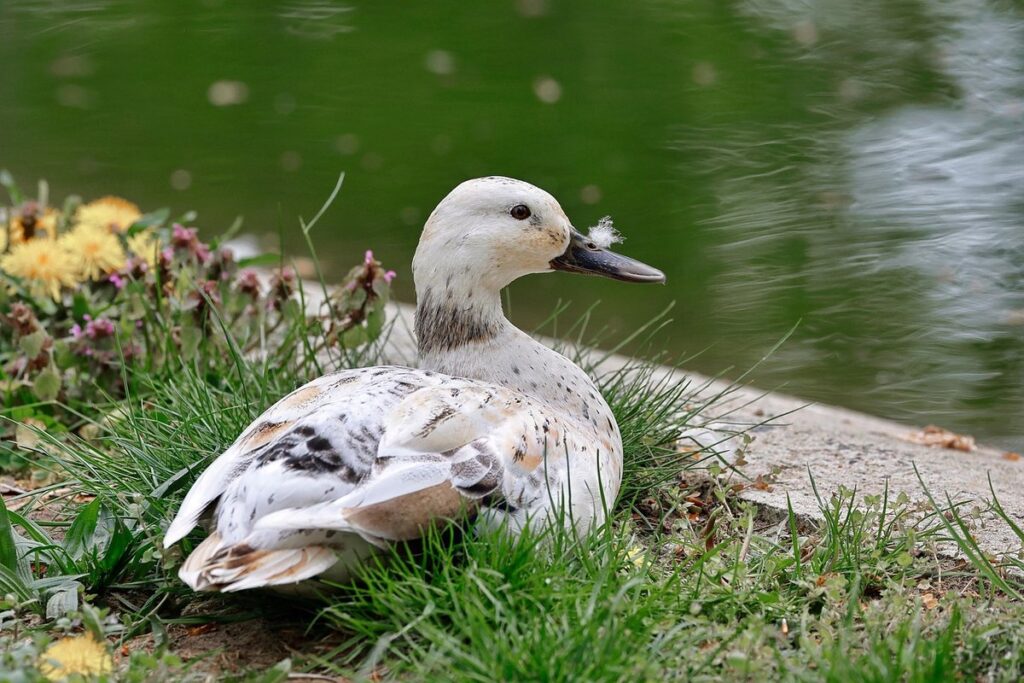
By the early 20th century, the Welsh Harlequin gained popularity among local farmers due to its impressive laying capacity. With some hens producing up to 300 eggs per year, they became an attractive choice for small-scale duck keepers. The breed’s distinctive appearance – featuring a white or yellow-brown base color with speckled markings – also contributed to their appeal.
As the Welsh Harlequin gained recognition, breeding clubs and associations began to standardize its characteristics, setting the stage for its evolution into the distinct breed we know today.
The Role in Ponds and Farms
In days gone by, Welsh Harlequin ducks played a vital role in maintaining balance within farm and pond ecosystems. Their contribution to pest control was significant, as they would forage on insects, slugs, and snails that could damage crops or harm other aquatic life. Farmers would often rely on these birds to keep their ponds free from algae blooms by feeding on the excess nutrients that contribute to them.
The Welsh Harlequin’s role in providing a source of meat was also crucial. They were raised for food, and their eggs were consumed as well. In fact, during World War II, duck eggs were a staple protein source for many people due to rationing and scarcity of other meats.
If you’re considering raising Welsh Harlequins on your farm or in your backyard pond, consider how these birds can benefit your ecosystem. By allowing them to forage freely, you’ll not only have a natural pest control system but also a sustainable source of meat and eggs. Be sure to provide adequate space and nutrition for the ducks to thrive, and enjoy the many benefits they bring to your farm or homestead.
Physical Characteristics and Appearance
The Welsh Harlequin’s physical characteristics are quite unique, making it easy to spot in a show pen or backyard flock. Let’s take a closer look at what sets this breed apart visually.
Size and Weight
When it comes to physical characteristics and appearance, one of the notable aspects of Welsh Harlequins is their size and weight. On average, a male Welsh Harlequin duck can weigh around 1.4-2.3 kg (3.1-5.1 lbs), while females typically tip the scales at 1.2-2.0 kg (2.6-4.4 lbs). These ducks are medium-sized, with males reaching a length of approximately 58-65 cm (23-26 in) and females slightly shorter at around 53-60 cm (21-24 in).
Compared to other duck breeds, Welsh Harlequins are generally on the smaller side. For instance, Pekin ducks can grow up to 2.5 kg (5.5 lbs), while Muscovy ducks can reach lengths of over 70 cm (28 in). However, their compact size makes them an excellent choice for backyard duck keepers with limited space.
When selecting a Welsh Harlequin, it’s essential to consider the breed standard and ensure you’re getting a healthy bird. Look for ducks that are well-proportioned, have good feather coverage, and demonstrate energy and movement. By choosing a quality bird, you’ll be more likely to end up with a happy and thriving companion.
Feather Patterns and Colors
The Welsh Harlequin’s unique feather pattern is one of its most distinctive features. The breed is known for its “harlequin” pattern on the feathers, characterized by a mix of solid colors and white, often creating a mottled or marbled effect. This pattern can vary in intensity, with some birds displaying a more subtle mix of colors and others showcasing bold, contrasting hues.
In terms of color, the Welsh Harlequin comes in a range of varieties, including Blue, Silver, Wheaten, Buff, and many other solid and bi-colored combinations. The breed’s plumage is typically smooth and glossy, with a subtle sheen that catches the light. When selecting a Welsh Harlequin, potential owners should look for birds with a well-defined harlequin pattern and vibrant, even coloring.
It’s worth noting that while some breeders may emphasize certain color or pattern variations, the harlequin pattern is what truly sets the Welsh Harlequin apart from other breeds. By understanding and appreciating this unique feature, enthusiasts can better appreciate the beauty and individuality of each bird.
Temperament and Behavior
When it comes to Welsh Harlequin temperament, one of the most striking aspects is their affectionate nature, making them perfect companions for families. Their behavior is equally endearing, as they love to interact and play.
Friendliness and Social Nature
Welsh Harlequins are renowned for their exceptionally friendly and social nature, making them an excellent choice as family pets. They thrive on interaction with humans and other animals, forming strong bonds with their owners through gentle play and affectionate cuddles.
In a domestic setting, Welsh Harlequins are known to be outgoing and confident around strangers, which can make them great companions for families or those who enjoy hosting guests. However, it’s essential to socialize your Harlequin from an early age to ensure they grow into well-adjusted adults.
When interacting with other animals, Welsh Harlequins tend to be calm and gentle, often seeking to avoid conflicts rather than initiate them. This characteristic makes them an excellent choice for multi-pet households or families with small children who want a low-maintenance yet loving companion.
To foster a strong bond between your Welsh Harlequin and other household members, try setting aside dedicated playtime each day. Engage in interactive games like hide-and-seek or puzzle toys to keep their minds active and encourage positive social interactions. With patience and consistency, you can develop a happy and harmonious home with your friendly Welsh Harlequin as the centerpiece.
Noise Levels and Activity
Welsh Harlequins are known to be relatively quiet dogs, which makes them an excellent choice for families living in urban areas. On average, a Welsh Harlequin barks about 5-10 times per day, which is significantly less than many other breeds. However, it’s essential to note that every dog is unique, and their noise levels can vary depending on factors such as training, exercise, and individual temperament.
In terms of activity level, Welsh Harlequins are considered to be medium-energy dogs. They require regular exercise to stay happy and healthy, but they don’t need as much as some other breeds. A daily walk of about 30-45 minutes, combined with some playtime in the garden or a local park, should suffice. This makes them an excellent choice for families who want a dog that can keep up with their active lifestyle without being too demanding.
If you’re considering bringing a Welsh Harlequin into your urban home, it’s essential to provide them with adequate exercise and mental stimulation. A lack of physical activity can lead to destructive behavior, such as chewing or digging, so make sure to prioritize regular walks and playtime. Additionally, consider providing puzzle toys filled with treats to keep their minds engaged when you’re away from home.
Care and Management
To keep your Welsh Harlequin happy and healthy, you’ll need to consider their specific needs for care and management, which we cover next. This includes their diet, grooming, and living arrangements.
Housing and Space Requirements
When it comes to housing and space requirements for Welsh Harlequins, there are several factors to consider. First and foremost, these beautiful birds need a safe and spacious environment to thrive. A minimum pond size of 4 feet by 2 feet (1.2 meters by 0.6 meters) is recommended, but ideally, you should aim for something larger – around 8 feet by 4 feet (2.4 meters by 1.2 meters) or more.
Fencing is also crucial to prevent predators and other unwanted visitors from disturbing your Welsh Harlequins. A sturdy fence that’s at least 3 feet high (0.9 meters) and made of chicken wire or hardware cloth should do the trick. Additionally, consider adding a shelter or coop to provide protection from harsh weather conditions.
When it comes to pond depth, aim for something between 2-4 feet deep (0.6-1.2 meters). This will give your Welsh Harlequins ample space to swim and exercise without making them vulnerable to predators. Remember to also include some shallow areas where they can easily access the water’s edge.
Finally, ensure that your Welsh Harlequin enclosure is well-maintained and clean. Change the water frequently and provide plenty of hiding places and plants for them to forage on.
Diet and Nutrition
Welsh Harlequins are known to be active foragers, and as such, their diet plays a crucial role in maintaining their overall health. In the wild, they would typically feed on a variety of food sources including insects, seeds, and aquatic plants. To replicate this diet in captivity, it’s essential to provide them with a varied and nutritious menu.
Their insect-based diet should include a mix of live and frozen insects such as mealworms, crickets, and waxworms. A balanced seed diet can be achieved by offering sunflower seeds, pumpkin seeds, and millet sprays. Aquatic plants like duckweed, watercress, and elodea should also be provided to mimic their natural foraging behavior.
To ensure a healthy diet, it’s recommended to follow the 80/20 rule: 80% of their diet should consist of nutrient-rich foods, while 20% can include treats. For example, you can offer live insects as the main staple and supplement with seeds and aquatic plants on alternate days. This will not only keep them engaged but also provide them with the necessary nutrients for optimal health.
Health Considerations
When considering a Welsh Harlequin as a pet, it’s essential to think about their specific needs and potential health risks. Let’s explore some of the key health considerations for this breed.
Common Issues and Illnesses
As you welcome a Welsh Harlequin into your home, it’s essential to be aware of potential health issues that may arise. One common problem affecting this breed is respiratory difficulties. These can range from mild coughing and sneezing to more severe conditions like bronchitis or pneumonia. Factors contributing to these issues include brachycephalic syndrome, which causes breathing problems due to the dog’s short nasal passages and elongated soft palate.
To prevent respiratory problems, maintain a healthy weight through regular exercise and balanced feeding. Additionally, keep your Welsh Harlequin indoors during extreme temperatures and avoid over-exercising in hot weather. Regular grooming is also crucial; cleaning their face and eyes will help reduce dirt buildup that can exacerbate breathing difficulties.
If you notice any signs of respiratory distress, such as rapid breathing, blue lips or tongue, or lethargy, seek veterinary attention immediately. Treatment options may include medication to manage symptoms, oxygen therapy, or even surgery in severe cases. With proper care and attention, many Welsh Harlequin owners successfully manage their pets’ respiratory issues, ensuring a long and happy life together.
Genetic Traits and Hereditary Diseases
As you consider bringing a Welsh Harlequin into your family, it’s essential to understand the genetic traits and hereditary diseases that can affect this breed. The Welsh Harlequin is prone to several health issues, including patellar luxation, a condition where the kneecap slips out of place, and ectropion, a condition where the eyelid rolls outward. Responsible breeding practices are crucial in minimizing the risk of these conditions.
When purchasing a Welsh Harlequin puppy, make sure to ask about the breeder’s health testing and genetic clearances. Look for breeders who have had their breeding stock tested for inherited diseases such as Progressive Retinal Atrophy (PRA) and Patellar Luxation. Additionally, ensure that the breeder is transparent about any known health issues in the puppy’s ancestry.
To further minimize the risk of hereditary diseases, consider investing in genetic testing for your Welsh Harlequin. This can help identify potential health risks early on, allowing you to take preventative measures and provide the best possible care for your dog. By prioritizing responsible breeding practices and staying informed about genetic traits and hereditary diseases, you can enjoy a long and healthy relationship with your Welsh Harlequin companion.
Breeding and Conservation Efforts
Breeding and conservation efforts are crucial for the long-term survival of the Welsh Harlequin, a rare breed that requires careful management to thrive. Let’s take a closer look at how these efforts are making a difference.
Responsible Breeding Practices
As we strive to conserve and promote the Welsh Harlequin breed, it’s essential to emphasize the significance of responsible breeding practices. This is crucial for maintaining a healthy population and preventing the genetic defects that can arise from inbreeding.
Irresponsible breeding can lead to a range of issues, including increased susceptibility to diseases, weakened physical conformation, and decreased fertility. To avoid these problems, reputable breeders must adhere to strict guidelines that prioritize genetic diversity and minimize inbreeding.
When selecting breeding stock, look for breeders who have implemented rigorous testing protocols, such as DNA testing for inherited disorders and thorough veterinary evaluations. These tests can help identify potential health risks and allow breeders to make informed decisions about their breeding programs.
Additionally, responsible breeders often participate in breeding programs designed to preserve genetic diversity within the breed. By collaborating with other reputable breeders, they can introduce new bloodlines and reduce the likelihood of genetic defects.
Conservation Status and Efforts
The Welsh Harlequin’s conservation status is a pressing concern, as it’s currently classified as a rare breed by the Rare Breeds Survival Trust. This means that there are fewer than 1,000 breeding females remaining in the UK, making the breed vulnerable to extinction.
To address this issue, several organizations and associations have launched efforts to protect and preserve the Welsh Harlequin. The National Pig Association’s (NPA) “Save Our Breeds” campaign aims to raise awareness about rare breeds like the Welsh Harlequin and promote their conservation. Additionally, the NPA has established a breeding program specifically for this breed.
Another significant effort is the Welsh Harlequin Stud Book, which was revived in 2010 after being dormant since 2005. This stud book helps track the breed’s ancestry and ensures that breeding programs are carried out in accordance with the breed’s standards. By supporting these initiatives and adopting a Welsh Harlequin pig from a reputable breeder, you can help contribute to the conservation of this unique breed.
It’s also worth noting that some farmers and breeders have started exploring alternative uses for the Welsh Harlequin’s genetics, such as crossbreeding with other breeds to enhance their productivity. This approach could potentially help increase the breed’s numbers while maintaining its integrity.
Frequently Asked Questions
Can I breed the Welsh Harlequin with other duck breeds for conservation purposes?
When breeding the Welsh Harlequin with other ducks, it’s essential to consider genetic diversity and conservation goals. Responsible breeders often engage with experienced individuals or organizations to ensure the best possible outcomes for both the breed and its gene pool.
How do I know if my Welsh Harlequin is a purebred or has been cross-bred?
Determining an animal’s lineage can be challenging, but examining physical characteristics, documentation from reputable breeders, and genetic testing (if available) can help. Be cautious of unverified claims or breeders who prioritize profit over the breed’s integrity.
What are some common health issues to watch out for in Welsh Harlequins?
As with any domesticated duck breed, Welsh Harlequins may be prone to specific health concerns like respiratory infections, feather pecking, and obesity. Regular monitoring of their living conditions, diet, and behavior can help prevent or identify these issues early on.
Can I keep a single Welsh Harlequin in a small backyard pond?
While it’s possible to care for one Welsh Harlequin in a well-maintained environment, they are social birds that thrive when kept with other ducks. Providing adequate space, companionship, and stimulation will help ensure your Welsh Harlequin leads a happy and healthy life.
How can I support conservation efforts for the Welsh Harlequin breed?
You can contribute to the preservation of this unique breed by spreading awareness about its importance, supporting reputable breeders who prioritize genetic diversity and conservation, and considering adopting from rescue organizations or reputable breeders.