
If you’re anything like me, you’ve probably heard of Welsummer chickens but never quite gotten around to trying their famous brown eggs. Well, today we’re going to change all that! Welsummers are a dual-purpose breed with a rich history and some truly unique characteristics that set them apart from other backyard chicken varieties.
Their distinctive brown eggs have become a staple in many local farmers’ markets and artisanal bakeries, but what exactly makes them so special? In this article, we’re going to delve into the world of Welsummer brown eggs, exploring their nutritional benefits, cooking tips, and of course, the history behind these beloved birds. Whether you’re an experienced backyard chicken enthusiast or just starting out with your first flock, by the end of this post you’ll be hooked on the humble yet remarkable Welsummer breed.
History and Origin of Welsummer Brown Eggs
Let’s take a step back and explore where these remarkable eggs come from, tracing their history and origin to understand what makes them so unique. From rural Dutch farms to global popularity, we’ll uncover it all.
Origins in the Netherlands
The origins of Welsummer brown eggs date back to the Netherlands, where they were first bred for their unique characteristics. This breed has its roots in the late 19th century, when Dutch farmers sought to create an egg-laying chicken that excelled in both appearance and production. The result was a remarkable bird with exceptional qualities.
The name “Welsummer” is derived from the town of Welsum in the Netherlands, where the breed originated. Farmers in this region were instrumental in developing the breed, carefully selecting for traits like rich brown eggs, sturdy build, and friendly temperament. Over time, the Welsummer became synonymous with high-quality brown eggs, prized by consumers for their robust flavor and satisfying size.
Interestingly, early Welsummer farmers would often use these birds as dual-purpose animals – providing both meat and eggs for family consumption. Today, however, most Welsummers are raised specifically for egg production, allowing us to enjoy the fruits of their labor in our own kitchens.
Early Development as a Dual-Purpose Breed
In their early development, Welsummers were bred as a dual-purpose breed, which means they were designed to excel not only in egg production but also in providing meat for the table. This unique characteristic sets them apart from many modern chicken breeds that have been selectively bred for either eggs or meat alone.
Originally, farmers wanted a bird that could provide both eggs and meat, making them self-sufficient on their farms. The Welsummer’s ancestors were crossed with other breeds to achieve this goal, resulting in a robust and reliable layer. For instance, the breed’s strong build and broad chest made it an excellent choice for small-scale farming operations where every bird counted.
The dual-purpose nature of the Welsummer also meant that they required less maintenance than specialized egg or meat breeds. They were easier to care for and fed on a more balanced diet, making them a practical choice for many farmers. This versatility in breed design has contributed significantly to their enduring popularity among backyard chicken keepers and small-scale farmers today.
Introduction to Other Countries
The introduction of Welsummer brown eggs to other countries marked a significant milestone in their global popularity. One of the first countries to adopt Welsummers was the UK, where they were introduced in the 1960s. The British poultry industry recognized the unique characteristics and benefits of these eggs, which led to a steady increase in demand.
In North America, Welsummers gained traction in the 1970s, particularly in the United States and Canada. Breeders and farmers began importing Welsummer roosters from Europe to establish flocks that would produce these distinctive eggs. Today, Welsummers are widely available across North America, with many breeders working to improve their egg-laying capabilities.
The Australian market also saw a surge in interest for Welsummer brown eggs, with the first imports arriving in the 1980s. Breeders in Australia worked tirelessly to develop strains that would thrive in the country’s temperate climate. As a result, Welsummers have become a staple in many Australian backyard flocks and commercial farms.
The introduction of Welsummers to these regions not only expanded their availability but also allowed for breeding programs to be established, further increasing the global population of this unique breed.
Characteristics of Welsummer Brown Eggs
Let’s dive into the characteristics that set welsummer brown eggs apart from other breeds, including their unique appearance and rich flavor profile.
Unique Coloration
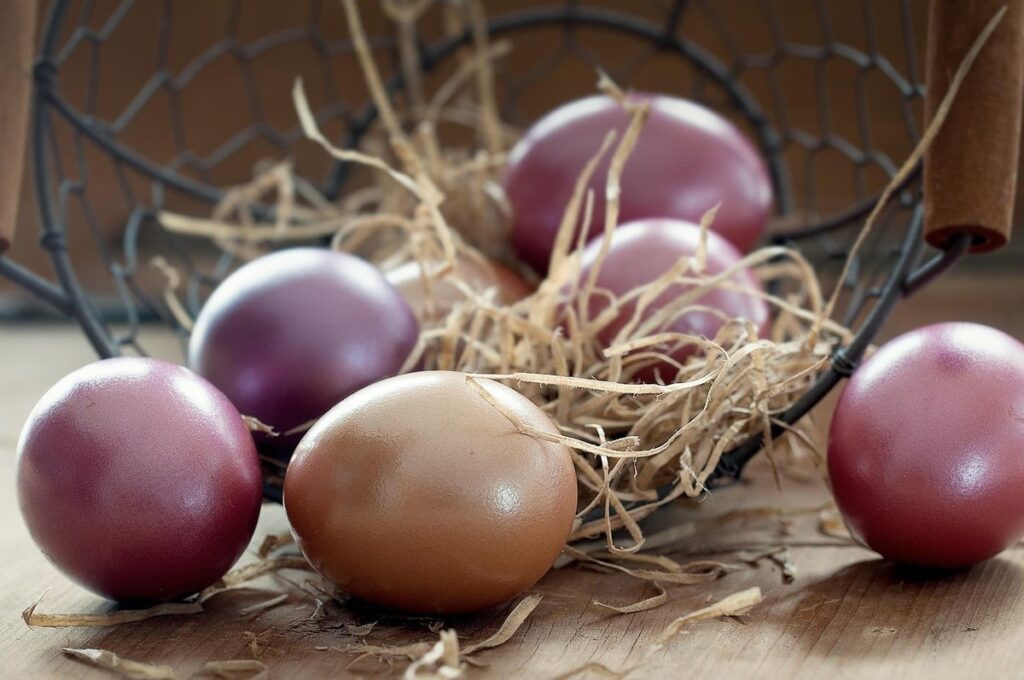
One of the most distinctive features of Welsummer brown eggs is their unique coloration. This breed’s eggs are known for their warm, terracotta-brown hue with subtle speckles and mottling. But have you ever wondered why Welsummer brown eggs look so different from other breeds? The answer lies in the breed’s history and genetics.
As a result of crossing between various strains, the Welsummer breed developed its distinctive egg coloration over time. This unique characteristic is due to the interaction of genes that control melanin production, resulting in the characteristic brown pigment. In contrast, most commercial chicken breeds have been selectively bred for larger eggs and other characteristics, sacrificing some of their natural diversity.
This genetic peculiarity gives Welsummer brown eggs a certain charm and sets them apart from other breeds. For backyard chicken keepers, this distinctive coloration can be an added bonus, as it makes the eggs easily identifiable as coming from your own flock. So, if you’re looking to add some uniqueness to your egg-laying experience, consider introducing some Welsummer brown hens to your coop!
Shell Texture and Strength
When it comes to the texture and strength of Welsummer brown eggshells, several characteristics set them apart from other breeds. One notable feature is their slightly thicker shell walls compared to other chicken breeds, which contributes to increased durability. This trait can be attributed to the breed’s robust nature and ability to thrive in various environments.
In terms of texture, Welsummer eggs tend to have a more matte finish rather than a glossy one, giving them a subtle appearance that many find appealing. However, it’s worth noting that eggshells can vary in texture, even within the same flock, due to individual bird characteristics and environmental factors.
If you’re planning to collect eggs from your Welsummer hens regularly, understanding their shell texture and strength is essential for handling and storage purposes. For instance, a slightly thicker shell may require more force when cracking open the egg compared to thinner-shelled breeds. Keep this in mind when handling your Welsummer brown eggs to avoid any potential breakage or damage.
In terms of practical applications, knowing how to handle Welsummer eggs with care can help minimize waste and ensure you get the most out of their rich, nutritious contents. This is particularly relevant for backyard chicken keepers who are looking to harvest fresh eggs directly from their own flock.
Size and Shape Variations
One of the most distinctive characteristics of Welsummer brown eggs is their variation in size and shape. Unlike many commercial egg producers that focus on uniformity, welsumer breeders emphasize the natural diversity found in free-range birds. This means you can expect to find eggs in various sizes, including jumbo and large varieties.
The sizes range from small (about 50 grams) to large (around 65 grams), with some rare instances of even larger eggs. The egg shape itself is another point of interest – while most welsummer brown eggs are elongated or oval, you may occasionally come across a more spherical or even slightly pointed one. This irregularity makes each egg uniquely beautiful and adds to their appeal for those seeking artisanal or specialty products.
If you’re planning to raise welsumer chickens yourself, it’s essential to note that their varied egg sizes can affect the overall presentation of your product. However, many customers appreciate this natural variation as a sign of genuine quality.
Nutrition and Health Benefits
Let’s dive into the amazing nutrition and health benefits of Welsummer brown eggs, which set them apart from other egg varieties on the market. From rich protein to essential vitamins and minerals, these eggs pack a punch for overall wellness.
High-Quality Protein Content
When it comes to nutrition, one of the most significant advantages of Welsummer brown eggs lies in their high-quality protein content. As a vital component for building and repairing muscles, bones, and tissues, protein is essential for maintaining overall health.
Welsummer brown eggs contain approximately 6-7 grams of protein per large egg, making them an excellent choice for those seeking to increase their dietary intake of this crucial nutrient. Moreover, the protein found in Welsummer eggs is considered high-quality due to its high biological value (BV), which measures a protein’s ability to supply amino acids necessary for building new tissues.
To put this into perspective, consider that the average American consumes around 15% less than the recommended daily intake of protein. Incorporating Welsummer brown eggs into your diet can help bridge this gap and provide an easily accessible source of high-quality protein. When selecting eggs, look for those with a “pasture-raised” or “free-range” label, as these tend to have higher levels of omega-3 fatty acids and vitamins A and E – all essential nutrients that complement the protein content in Welsummer brown eggs.
Rich in Omega-3 Fatty Acids
Welsummer brown eggs are not only rich in flavor but also packed with nutrients that can boost your overall health. One of the key nutrients present in these eggs is omega-3 fatty acids, which are essential for maintaining heart health and reducing inflammation. Unlike many other egg-laying breeds, Welsummers have a unique ability to convert plant-based sources of omega-3 into the desirable EPA and DHA forms, making their eggs an excellent source of this crucial nutrient.
The potential health benefits of consuming Welsummer brown eggs rich in omega-3 fatty acids are numerous. Studies have shown that regular consumption can help lower triglyceride levels, improve blood lipid profiles, and even reduce the risk of heart disease. Additionally, omega-3s have been found to have anti-inflammatory properties, which may aid in reducing symptoms associated with conditions such as arthritis.
When choosing Welsummer brown eggs, look for producers who follow sustainable farming practices that prioritize animal welfare and nutritional content. By incorporating these nutrient-dense eggs into your diet, you’ll be supporting overall health and well-being while also giving back to the environment.
Lower Cholesterol Compared to Other Eggs
When it comes to cholesterol levels, Welsummer brown eggs are often compared to other popular egg breeds. According to the US Department of Agriculture (USDA), a large egg from a Welsummer chicken contains approximately 186 milligrams of cholesterol. While this may seem high, it’s essential to put this number into perspective.
For comparison, an egg from a Leghorn breed typically contains around 194 milligrams of cholesterol, while an egg from a Rhode Island Red has about 190 milligrams. On the other hand, eggs from some heritage breeds like the Barred Plymouth Rock have slightly lower cholesterol levels, at around 180 milligrams per large egg.
To keep things in perspective, consider that dietary guidelines recommend limiting daily cholesterol intake to 300 milligrams or less. This means that even if you’re eating eggs from a breed with higher cholesterol levels, they are still relatively low-risk as part of a balanced diet.
Cooking and Preparation Tips
When it comes to cooking with Welsummer brown eggs, you’ll want to know how to bring out their rich flavor and unique characteristics. Here are some tips for preparing these special eggs at home.
Pan-Cooking and Roasting Methods
When it comes to cooking Welsummer brown eggs, you’ll be pleased to know that they hold up exceptionally well to various methods. Pan-cooking is an excellent way to prepare these eggs, and we recommend starting with a hot skillet over medium heat. Crack the egg into the pan and cook until the whites are set and the yolks reach your desired doneness.
For those who prefer a crisper exterior and a fluffier interior, roasting is another great option. Preheat your oven to 375°F (190°C) and crack an egg into a ramekin or small baking dish. Roast for about 8-12 minutes, depending on the size of the egg.
To enhance the flavor of your Welsummer brown eggs, consider adding aromatics like diced onions, garlic, or herbs to the pan when cooking. You can also experiment with different seasonings and spices to suit your taste preferences. Whichever method you choose, remember that gentle heat and precise timing will yield the best results. By following these tips, you’ll be able to bring out the rich flavor and velvety texture of Welsummer brown eggs in no time.
Poaching and Boiling Techniques
When it comes to cooking Welsummer brown eggs, maintaining their moisture is crucial to preserve their rich flavor and texture. To achieve perfectly cooked eggs without drying them out, try the following techniques for poaching and boiling.
Poaching is a delicate method that requires precision, but with practice, you’ll get it just right. Start by bringing a pot of water to a simmer, adding a splash of vinegar to help maintain the egg’s shape. Crack an egg into a small bowl or ramekin before gently sliding it into the water. Cook for 3-5 minutes, depending on your desired level of doneness. To avoid overcooking, use a slotted spoon to carefully remove the egg from the water.
Boiling Welsummer brown eggs is a more straightforward process, but still requires attention to temperature and cooking time. Place the eggs in a single layer at the bottom of a saucepan, cover them with cold water, and bring to a boil. Once boiling, reduce heat to a simmer and cook for 10-12 minutes for large eggs. Shock the eggs in an ice bath to stop the cooking process and seal in moisture.
To ensure your Welsummer brown eggs stay moist, it’s essential to avoid overcooking them. Use a timer to monitor the cooking time, and don’t be afraid to check on them occasionally. With these simple techniques and a bit of practice, you’ll be enjoying perfectly cooked Welsummer brown eggs every time.
Pairing with Other Ingredients
When it comes to cooking with Welsummer brown eggs, their rich, earthy flavor pairs well with a variety of ingredients. In savory dishes, try pairing them with caramelized onions and fresh thyme for a classic quiche filling. The sweetness of the onions complements the eggs’ natural richness, while the thyme adds a subtle herbaceous note.
For a heartier breakfast option, combine Welsummer brown eggs with sautéed mushrooms and crispy prosciutto. The earthy flavor of the mushrooms pairs beautifully with the eggs, while the salty crunch of the prosciutto adds texture. You can also use Welsummer brown eggs in Asian-inspired dishes, such as stir-fries with soy sauce, ginger, and scallions.
When using Welsummer brown eggs in baked goods, like omelets or frittatas, they hold their shape well and provide a moist, tender crumb. Try adding some grated cheese, diced ham, or chopped herbs to give the dish an extra boost of flavor. Experiment with different combinations to find your favorite ways to pair Welsummer brown eggs with other ingredients in your recipes.
Keeping Welsummers as Backyard Chickens
If you’re considering adding some Welsummer charm to your backyard, we’ll cover the essentials of caring for these lovely birds in a small flock setting. Proper care will ensure their happiness and egg-laying success.
Space Requirements and Housing
When keeping Welsummers as backyard chickens, it’s essential to provide them with sufficient space to roam and exercise. A general rule of thumb is to allocate at least 2-4 square feet per chicken inside the coop and 8-10 square feet outside in a fenced area for each bird. This allows for comfortable movement and reduces stress.
In terms of housing, Welsummers are relatively low-maintenance birds when it comes to coop design. A simple, predator-proof enclosure with adequate ventilation will suffice. Consider adding nesting boxes (about one per 3-4 hens) and roosting bars for them to perch on at night. Remember that Welsummers are heavy birds, so the coop’s floor must be sturdy enough to support their weight.
When building or setting up your coop, don’t forget to include a secure door with latches and consider adding windows for natural light. Also, ensure easy access for cleaning and maintenance. A well-designed coop will not only keep your Welsummers safe but also encourage egg-laying and overall health.
Feeding and Nutrition for Backyard Flocks
When it comes to feeding and providing nutrition for your Welsummer chickens, it’s essential to understand their specific dietary needs. As a breed known for their rich, brown eggs, they require a balanced diet that includes a mix of protein, calcium, and other essential nutrients.
Welsummers are medium-sized birds and need around 1/4 to 1/2 pound of food per day, depending on age, sex, and activity level. They prefer a layer feed specifically formulated for hens, which should contain around 16-18% protein and 3-4% calcium. You can also supplement their diet with fruits, vegetables, and grains like oats and barley.
Some treats that are particularly beneficial for Welsummers include mealworms, sunflower seeds, and chopped apples. However, be sure to limit these treats to no more than 10% of their daily intake, as overfeeding can lead to obesity and other health issues.
Providing a balanced diet is crucial for maintaining the overall health and egg-laying abilities of your Welsummers. By following these guidelines and making adjustments based on individual needs, you’ll be well on your way to raising happy, healthy hens that produce delicious brown eggs year-round.
Egg-Laying Expectations
When it comes to egg-laying productivity, Welsummer hens are known for their moderate production. On average, a healthy and well-cared-for Welsummer hen will lay around 200-220 brown eggs per year. However, some owners have reported higher yields of up to 250 eggs annually.
It’s essential to note that egg production can vary significantly depending on factors such as the individual hen’s genetics, diet, health, and living conditions. A balanced diet rich in protein, calcium, and other essential nutrients will play a crucial role in maintaining your Welsummer hens’ overall health and fertility.
To maximize your Welsummer hens’ egg-laying potential, make sure to provide them with plenty of fresh water, a nutritious feed, and adequate space for exercise. Regular flock management practices such as monitoring health, collecting eggs daily, and providing regular dust baths will also contribute to their overall well-being and productivity. By doing so, you can enjoy a steady supply of delicious brown eggs from your Welsummer girls throughout the year.
Frequently Asked Questions
Can I keep Welsummers as backyard chickens if I live in a small urban area?
Yes, Welsummers are adaptable to various environments, including small backyards. However, ensure you provide enough space for your flock to roam and exercise. A minimum of 2-3 square feet per bird is recommended, along with adequate shelter and protection from predators.
How long does it take for a Welsummer hen to start laying eggs?
Welsummers typically begin laying eggs around 18-20 weeks of age. Factors such as nutrition, health, and genetics can influence the timing. Keep your flock well-fed and healthy to ensure they reach their full egg-laying potential.
What are some tips for pairing Welsummer brown eggs with other ingredients in recipes?
Welsummers’ rich, earthy flavor pairs well with herbs like thyme and rosemary. Try adding them to Mediterranean-style omelets or salads. You can also use the eggs as a base for homemade mayonnaise or hollandaise sauce.
How do I store Welsummer brown eggs to maintain their nutritional quality?
Store your Welsummer eggs in a cool, dry place, away from direct sunlight. The ideal storage temperature is around 40°F (4°C). Keep them pointed end down to prevent moisture from entering the egg and causing spoilage.
Can I hatch my own Welsummer chicks from fertile eggs?
Yes, you can hatch your own Welsummer chicks if you have experience with incubation and chick-rearing. However, ensure you follow proper hatching and brooding techniques to minimize mortality rates and maximize the chances of healthy chicks.