
If you’re an avid backyard chicken keeper or simply fascinated by the unique characteristics of certain breeds, you’ll love exploring the world of Welsummer chickens. These beautiful birds are prized for their striking barred plumage and rich, brown eggs, but did you know that their eggshell color can also come in a rare white variety? If you’re wondering about the genetics behind this phenomenon or how factors like diet and environment influence egg color and quantity, you’ve come to the right place. In this article, we’ll delve into the fascinating world of Welsummer chicken eggs, exploring the science behind their unique colors and providing valuable insights for keepers looking to optimize their flock’s egg-laying performance.
What are Welsummer Chickens?
Let’s start by learning a bit more about these amazing birds, known for their striking copper and gold plumage and rich history in Dutch egg-laying traditions.
Origin and History of the Breed
The Welsummer chicken breed has its roots in the Netherlands, where it originated over a century ago. Developed from local farm chickens, the breed was created to produce high-quality eggs with distinctive terracotta-colored shells. The name “Welsummer” is derived from the Dutch town of Welsum, which is located in the province of Overijssel.
In the early 20th century, a Dutch breeder named F.W. van der Laan developed the breed’s foundation stock by crossing local farm chickens with Partridge and Campine breeds. The resulting birds were bred to accentuate their unique egg-laying abilities, which produced eggs with rich, earthy tones.
Welsummers were introduced to Europe in the 1920s, where they quickly gained popularity among backyard chicken keepers and small-scale farmers due to their exceptional foraging abilities and cold hardiness. Today, the breed remains a beloved favorite among poultry enthusiasts worldwide, prized for its stunning eggshell colors and robust constitution.
Key Characteristics of Welsummers
One of the most distinctive and recognizable features of Welsummer chickens is their unique barred plumage. This striking appearance sets them apart from other breeds, making them a favorite among backyard chicken enthusiasts and breeders alike. As you’d expect from a bird known for its rich egg-laying abilities, Welsummers are also moderately sized, with roosters reaching weights of around 7-8 pounds (3-4 kg) and hens weighing slightly less.
When it comes to temperament, Welsummers are often described as friendly, docile, and easy-going. They’re a great choice for families or those new to raising chickens, as they tend to be gentle and social birds. However, like any breed, Welsummers can be wary of strangers, so introducing them to your flock slowly is recommended.
Overall, the unique combination of barred feathers, moderate size, and friendly demeanor makes Welsummers a popular choice among chicken enthusiasts. Whether you’re looking to add some variety to your backyard or build a flock from scratch, these characteristics are well worth considering when deciding if Welsummers are right for you.
Types of Eggs Laid by Welsummers
Welsummer chicken eggs come in a variety of colors, and it’s essential to know what types you can expect from your flock. Let’s explore the different shades of brown and speckled eggs they lay.
Brown Egg Color Range
When it comes to the egg color range of Welsummer chickens, brown is the dominant hue. However, within this category, you’ll find a vast spectrum of shades and undertones that can make each egg truly unique.
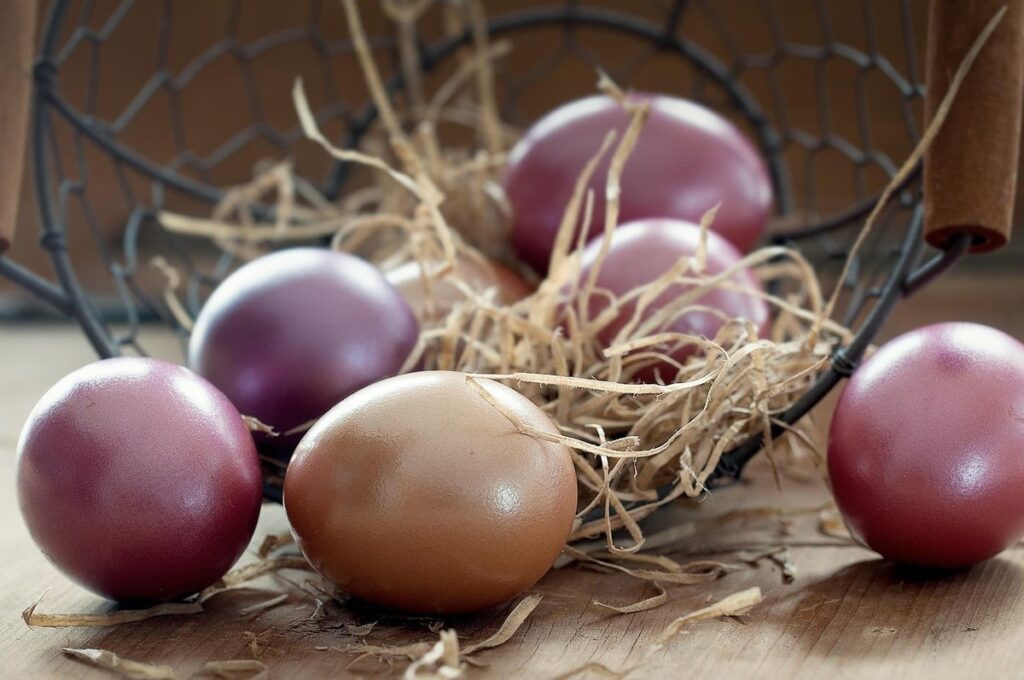
One of the most noticeable aspects of Brown eggs laid by Welsummers is their warm, earthy tone. This is due to the high concentration of carotenoid pigments present in their diet, which are then deposited onto the shell as they’re being formed. You’ll often see shades ranging from light golden brown to deep chocolate brown, with some eggs exhibiting a reddish or orange undertone.
Some Welsummer hens may even produce eggs with a slightly olive or greenish tint, depending on their individual genetic makeup and environmental factors such as diet and health. This can make for a truly one-of-a-kind egg color that’s sure to stand out in your collection. To get the most consistent brown egg production from your Welsummers, ensure they’re receiving a balanced diet rich in protein and calcium, along with plenty of fresh water and exercise.
White or Light-Colored Eggs: Rarity in Welsummers
When it comes to Welsummer chicken eggs, white or light-colored eggs are relatively rare. This is because Welsummers have a unique genetic makeup that affects the production of melanin, the pigment responsible for eggshell color.
Welsummers owe their distinctive brown egg color to the interaction between two types of melanin: eumelanin and pheomelanin. Eumelanin produces darker colors, while pheomelanin produces lighter shades. However, when it comes to white or light-colored eggs, the dominance of eumelanin leads to a more intense brown coloration.
It’s estimated that only about 5-10% of Welsummer hens will lay eggs with a lighter shell color. This can be due to various genetic factors, such as heterozygosity (having two different alleles for a gene) or incomplete dominance. If you’re breeding Welsummers specifically for eggshell color, selecting hens that have produced white or light-colored eggs in the past may increase your chances of getting these types of eggs.
Keep in mind that even if a hen lays mostly brown eggs, there’s always a chance it will produce an occasional white or light-colored egg.
Understanding Eggshell Color Genetics
To truly grasp the beauty of Welsummer eggs, it’s essential to understand the color genetics behind their distinctive hues. Let’s dive into the fascinating world of eggshell color inheritance!
Basic Principles of Eggshell Color Determination
When it comes to understanding eggshell color determination in Welsummer chickens, there are some basic genetic principles at play. Genetics is the study of heredity and variation, and when applied to eggshell colors, it’s fascinating to see how complex traits can be influenced by just a few genes.
In simple terms, eggshell color is determined by two main factors: the production of pigments (eumelanin and pheomelanin) and the structure of the shell itself. Eumelanin is responsible for brown and black colors, while pheomelanin produces red and yellow hues. The interaction between these two types of melanin determines the final eggshell color.
To break it down further, consider that Welsummer chickens have a genetic predisposition to laying dark brown eggs due to their dominant E gene. However, this is just one part of the equation – individual birds can still express variations in eggshell color depending on their unique combination of genes and environmental factors. As an enthusiast or breeder, understanding these basic principles will help you make informed decisions about selecting breeding stock or predicting potential outcomes in your flock.
Inheritance Patterns and Chromosome Mapping
To understand the eggshell color genetics of Welsummer chickens, it’s essential to grasp the concept of inheritance patterns and chromosome mapping. This involves the interaction between multiple genes that determine the final color outcome. The main genes responsible for eggshell color in Welsummers are B (brown), E (pink-washed brown), and H (homozygous sex-linked gene).
When it comes to inheritance, these genes can be either dominant or recessive. For instance, the B gene is dominant over the E gene, meaning if a hen inherits the B gene, her eggs will display the brown color even if she also carries the E gene. However, if both parents are carriers of the E gene, there’s a 50% chance their offspring will inherit two copies of the E gene and produce pink-washed brown eggs.
Understanding these genetic interactions can help breeders predict eggshell colors in their Welsummer flock. By analyzing the genotype (genetic makeup) of individual hens, they can estimate the probability of certain color combinations appearing in future generations.
Breed-Specific Factors Affecting Egg Color
When it comes to Welsummer chicken eggs, some breeds may produce more vibrant shades than others due to genetic factors unique to their lineage. Let’s take a closer look at how different breeds can impact your egg-laying expectations.
Influence of Diet on Egg Yolk and White Color
A Welsummer’s diet plays a significant role in determining the color of their eggs. The pigmentation of both the yolk and white is influenced by the nutrients and minerals present in their food. For instance, high levels of beta-carotene in their diet can result in yellow or orange hues in the yolks, while lutein and zeaxanthin contribute to the formation of green or blue-green colors.
The composition of the egg white, on the other hand, is affected by the overall nutritional balance. A diet rich in methionine, an essential amino acid, tends to result in whiter egg whites. Conversely, excessive amounts of cysteine can lead to a greyish tint.
To encourage optimal yolk and white pigmentation in your Welsummers, consider enriching their diet with nutrient-dense foods like leafy greens, carrots, and squash. Limit the intake of grains and starches, which may dilute egg quality. Keep in mind that individual variations in genetics and nutritional absorption rates will still influence final egg color results.
Monitoring your flock’s dietary habits and adjusting as necessary can significantly impact the aesthetic appearance of their eggs.
Environmental Impact on Eggshell Color
When it comes to welsummer chicken eggs, their distinctive brown-red coloration is not just determined by genetics, but also influenced by environmental factors. The environment plays a significant role in the development of eggshell pigmentation, and this is particularly evident when it comes to eggshell color.
Temperature fluctuations, for instance, can affect the production of porphyrins, which are the pigment precursors responsible for the brown-red coloration. Welsummers exposed to extreme heat or cold may produce eggs with a more muted or washed-out color compared to those raised in optimal temperatures. On the other hand, adequate nutrition and a balanced diet rich in essential micronutrients like iron, copper, and zinc can enhance eggshell color.
In addition, exposure to sunlight and its intensity also impacts eggshell pigmentation. Welsummers raised outdoors will generally produce eggs with richer, more vibrant colors compared to those kept indoors. However, be mindful of over-exposure, as excessive sunlight may lead to fading or discoloration.
Tips for Raising Healthy Welsummers Laying Eggs with Desired Colors
To encourage healthy egg-laying, provide your Welsummer hens with a balanced diet and ensure they have access to fresh water at all times, and some key habits.
Managing Stress to Promote Optimal Health
When it comes to raising healthy Welsummers that lay eggs with desired colors, managing stress is crucial. Stress can impact egg color and overall health, so it’s essential to implement strategies to minimize it. A stressed-out chicken will not only produce lower-quality eggs but may also experience a decline in egg-laying frequency.
To reduce stress in your flock, make sure they have enough space to roam and exercise. Provide a safe and comfortable living environment with adequate ventilation, lighting, and temperature control. Ensure their nutritional needs are met by offering a balanced diet that includes essential vitamins and minerals. Avoid over-crowding, which can lead to stress-related behaviors such as pecking and feather-pulling.
Some other ways to manage stress in your Welsummers include:
* Offering regular breaks from egg-laying through controlled lighting
* Providing mental stimulation through enrichment activities like puzzle toys or foraging games
* Practicing good flock management by separating dominant birds from the rest of the flock
Importance of Balanced Nutrition
A balanced diet is crucial for Welsummers to produce eggs with the desired colors. A poor diet can lead to nutritional deficiencies that affect eggshell quality and color. For instance, a lack of calcium can result in pale or spotted eggs. On the other hand, an adequate intake of essential vitamins and minerals promotes rich, vibrant colors.
To ensure balanced nutrition for your Welsummers, provide them with a mix of high-quality grains, fruits, and vegetables. Include dark leafy greens like kale and spinach for iron and calcium, as well as omega-3 rich foods like flaxseeds and sunflower seeds. Fresh fruits such as berries and citrus fruits contribute essential vitamins A and C.
A balanced diet also depends on the availability of clean water and a nutrient-rich layer feed supplement. Consider consulting with a veterinarian or poultry expert to determine the best feeding schedule for your flock. Regularly inspect your Welsummers’ droppings for signs of nutritional imbalance, such as pale or runny stools.
Troubleshooting Common Issues Affecting Egg Color or Quantity
If you’re experiencing problems with your Welsummer chicken’s egg color or quantity, don’t worry – we’ve got solutions to common issues you may encounter. Read on for troubleshooting tips and advice to get back to fresh eggs in no time.
Recognizing Potential Health Problems
As you’re working with Welsummer chickens and notice deviations from their expected egg-laying abilities, it’s crucial to be aware of common health issues that may impact their egg color or quantity. By recognizing these potential problems early on, you can take corrective action and prevent further complications.
One of the most significant factors affecting egg color is a balanced diet. A lack of certain nutrients can cause eggs to appear dull or pale in color. For example, if your Welsummer chickens are not receiving enough beta-carotene, their eggs may lack the distinctive dark brown pigment that’s characteristic of this breed. Ensure that you’re providing a high-quality layer feed rich in vitamins and minerals.
Another common issue is internal parasites, such as mites or lice, which can weaken your hens’ immune systems and affect egg production. Regular monitoring for signs of infestation, including excessive scratching, loss of appetite, or visible parasites on their feathers or legs, is essential. Use an eggshell inspection as a simple method to detect any internal parasites that may be present.
Additionally, stress caused by changes in environment or social hierarchy can also impact egg-laying abilities. Ensure that your flock has enough space and adequate shelter from extreme temperatures or predators. Regularly monitoring the behavior of your hens will help you identify potential issues before they escalate into more serious problems.
Lastly, certain health conditions, such as hypocalcemia (milk fever) or reproductive tract infections, can cause changes in egg color or quantity. Look out for symptoms like lethargy, loss of appetite, or eggshell thinning, and consult a veterinarian if you suspect your Welsummer hens are experiencing any of these issues.
By keeping an eye on your flock’s overall health and addressing potential problems promptly, you’ll be well-equipped to encourage your Welsummer chickens to produce eggs with the vibrant colors you’ve come to expect.
Additional Considerations for Breeders and Enthusiasts
If you’re a breeder looking to develop your flock’s egg-laying abilities, or an enthusiast seeking to improve your understanding of Welsummer chicken characteristics, read on for some valuable insights.
Preserving Rare or Unusual Colors
Preserving rare or unusual eggshell colors is crucial for maintaining genetic diversity and preventing the loss of unique characteristics in chicken breeds. As a breeder or enthusiast, you may encounter challenges when attempting to preserve these colors, particularly if they are influenced by recessive genes. One such example is the Welsummer’s distinctive dark brown eggshell color, which is often produced by a combination of dominant and recessive genes.
To preserve rare eggshell colors, breeders can implement selective breeding strategies that prioritize genetic diversity. This involves matching birds with desirable traits to create offspring that exhibit the desired characteristics. For instance, if you’re looking to preserve a bird’s ability to lay dark brown eggs, you might pair it with another bird known for its similar trait.
By carefully managing breeding programs and selecting for specific eggshell colors, breeders can help ensure the long-term survival of these unique traits. This not only enhances the diversity of chicken breeds but also allows enthusiasts to appreciate and enjoy the distinct characteristics of their birds.
Promoting Awareness of Sustainable Egg Production Practices
As a responsible breeder or enthusiast of Welsummer chickens, promoting awareness about sustainable egg production practices is crucial for the well-being of both the birds and the environment. One way to do this is by educating yourself and others about the importance of free-range, organic, and humane farming methods.
When it comes to choosing eggs from your flock, consider selecting hens that have been raised on pasture or in outdoor runs. Not only will their eggs be richer in nutrients, but you’ll also be supporting sustainable agriculture practices. Look for certifications like “Free-Range” or “Pasture-Raised” when purchasing eggs from other farms.
As a breeder, you can promote sustainable egg production by adopting methods that mimic nature, such as providing access to fresh air, sunlight, and exercise for your birds. You can also share your knowledge with fellow enthusiasts through workshops, online forums, or social media groups. By working together, we can create a more compassionate and environmentally-friendly chicken-keeping community.
You can take it a step further by exploring local regulations and incentives that support sustainable agriculture practices. Some regions offer tax breaks or grants for farmers who adopt regenerative methods.
Frequently Asked Questions
What are the chances of hatching a white egg-laying Welsummer from a brown egg-laying parent?
The genetics behind eggshell color inheritance can be complex, but essentially, the trait is determined by multiple genes interacting with each other. While it’s possible to breed for specific characteristics, the likelihood of getting a white egg-laying Welsummer from a brown egg-laying parent is relatively low, as the genetic predisposition is still present in the breed.
How can I maintain a healthy environment that promotes optimal egg color and quantity in my flock?
Creating an ideal environment for your chickens involves providing adequate space, nutrition, and stress management. Ensure that your birds have access to fresh water, balanced feed, and plenty of sunlight. Regular cleaning and maintenance of their living quarters will also help keep them healthy and encourage consistent egg-laying.
Are there any specific nutritional needs I should focus on to influence the color and richness of my Welsummers’ eggs?
While a balanced diet is essential for overall health, certain nutrients can affect egg color and quality. Omega-3 fatty acids, particularly alpha-linolenic acid (ALA), play a significant role in determining yolk color and richness. In addition, adequate calcium intake supports strong eggshell development.
Can I crossbreed my Welsummers with other breeds to create offspring that inherit the unique white egg-laying trait?
While it’s theoretically possible to breed for specific traits by crossing different breeds, the outcome depends on various factors including genetics, fertility, and health considerations. Crossbreeding should be approached with caution, as it can introduce new genetic risks and impact overall flock health.
Are there any signs I can look out for if my Welsummers’ egg color or quantity changes suddenly?
Keep an eye out for potential health issues like respiratory problems, parasites, or nutritional deficiencies that may cause changes in egg appearance. Also, monitor your flock’s behavior and living conditions to ensure they remain stress-free and well cared for, as these factors can influence egg production.