
Welsummers are often considered one of the most unique breeds when it comes to egg-laying. Not only do they boast a rich, dark brown shell color, but their eggs can also surprise owners with hues ranging from olive green to blue-green. But have you ever wondered what causes this incredible diversity in egg colors? As it turns out, nutrition, health, and even the environment play a significant role in determining the final shade of your Welsummer’s eggs.
In this article, we’ll delve into the fascinating world of Welsummer chicken eggs and explore the factors that influence their striking color palette. From the impact of diet to the role of genetics, we’ll break down what you need to know about these beautiful eggs and how you can encourage a vibrant variety in your flock. So, if you’re curious about the secrets behind your Welsummer’s egg-laying abilities, keep reading to uncover the surprising reasons behind their unique colors!
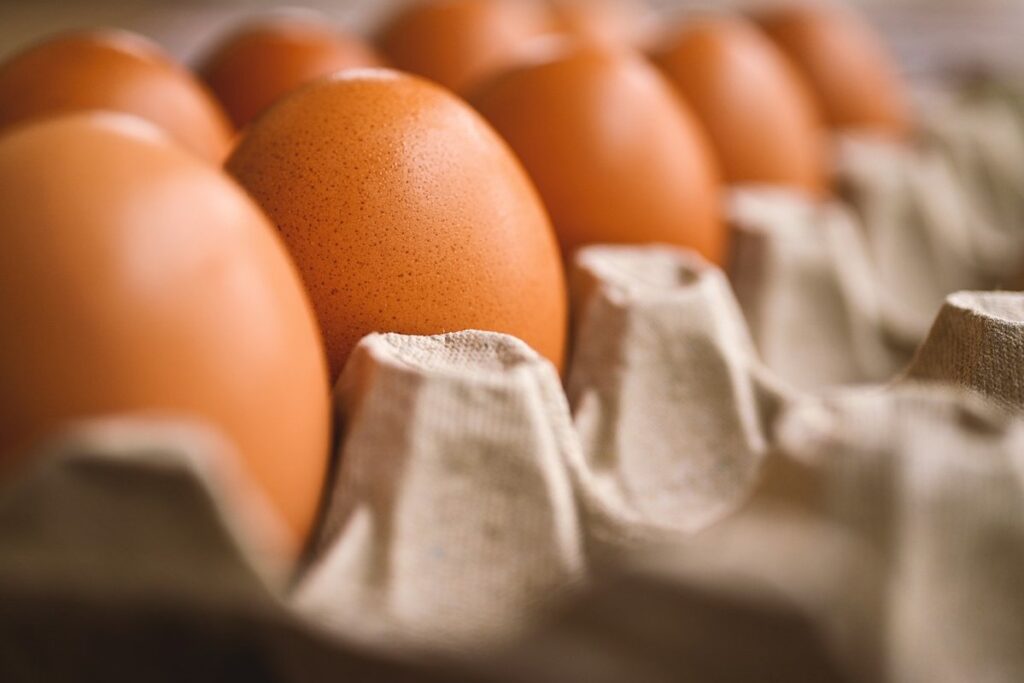
Introduction to Welsummers and Their Unique Egg-Laying Ability
Meet the fascinating welsummer breed, renowned for its unique egg-laying ability that yields stunningly colorful eggs in a range of hues. Let’s explore this characteristic further.
Brief History and Origin of the Breed
The origins of the Welsummer breed date back to the 1920s in the Netherlands, where it was developed from a cross between various breeds including the Partridge Cochins and Brown Leghorns. The breed’s name is derived from the village of Welsum in the province of Overijssel, where it was first established as a distinct strain.
Early enthusiasts of the breed sought to create a bird that combined the hardiness of the Dutch breed with the egg-laying ability of the Leghorn. This resulted in a robust and prolific layer that could thrive in a variety of climates and environments. Today, the Welsummer is prized by backyard chicken keepers for its rich brown eggs and unique characteristics.
One of the key factors contributing to the Welsummer’s appeal lies in its history as a dual-purpose breed. In addition to its exceptional egg-laying ability, it also possesses excellent foraging skills and strong, rugged constitution – making it an attractive choice for those seeking a low-maintenance but highly productive flock member.
Understanding the Genetics Behind Welsummer Eggs
When it comes to understanding the genetics behind Welsummer eggs, it’s fascinating to learn that their unique color and patterns are largely determined by genetic factors. The eggshell color of a chicken is influenced by two types of melanin: eumelanin and pheomelanin. Eumelanin is responsible for black and dark brown colors, while pheomelanin produces red and yellow hues.
The interaction between these two melanins results in the characteristic dark-brown to reddish-brown color of Welsummer eggs. But that’s not all – genetics also play a crucial role in determining eggshell texture. The thickness and smoothness of an eggshell are influenced by genes that control the structure of the shell membranes.
In the case of Welsummers, their unique genetics have been bred to produce eggs with a specific combination of color and texture. This is why you’ll often find them laying eggs with dark brown or reddish-brown shells and subtle speckles or swirls.
It’s worth noting that while we can’t replicate the exact genetic makeup of Welsummer chickens, backyard chicken keepers can influence eggshell color by providing a balanced diet rich in omega-3 fatty acids, vitamins A and E, and other essential nutrients. By doing so, you may observe subtle variations in your flock’s eggs – but it won’t change their underlying genetics.
The Different Colors and Patterns of Welsummer Chicken Eggs
When it comes to Welsummer chicken eggs, one of the most striking aspects is their vibrant color palette, which boasts a range of hues from terra cotta to deep brown. Let’s take a closer look at what makes these eggs so unique!
Brown or Dark-Brown Eggs with Red Speckles
When it comes to the color palette of Welsummer chicken eggs, one pattern stands out as particularly striking: brown or dark-brown eggs with red speckles. This is actually the most common color pattern found in these eggs, and for good reason – the unique combination of earthy tones and pops of crimson create a truly distinctive look.
One thing to note about these eggs is their size; while they can vary slightly depending on factors like breed and nutrition, brown or dark-brown eggs with red speckles are generally medium-sized, making them an ideal choice for cooks who value a good balance between size and yield. Another notable characteristic of these eggs is the consistency of their coloration – despite some variation from one egg to the next, you can expect a predominantly brown or dark-brown hue with a scattering of red speckles throughout.
If you’re new to raising Welsummer chickens for their eggs, it’s worth getting familiar with this particular pattern. Not only are these eggs visually striking, but they also tend to be quite fertile – making them an excellent choice for anyone looking to incubate and raise chicks at home.
Cream-Colored or White Eggs with Red Pips or Specks
Welsummers are known for their unique egg-laying abilities, and one of the most striking variations is the cream-colored or white eggs with red pips or specks. These eggs are a result of a genetic trait that causes the formation of small, reddish-brown spots on the surface.
These eggs are a delight to collect from your backyard flock, not just because of their beautiful coloration but also because they indicate a strong and healthy bird. The presence of red pips or specks is a sign of good egg-laying quality and can be an indicator that your Welsummer is producing high-quality eggs regularly.
To identify these eggs in your collection, look for the small reddish-brown spots scattered across the surface. These spots can range from tiny pinpricks to larger patches, but they’re always a vibrant red color against the creamy or white background. Keep in mind that not all Welsummers will produce eggs with this unique feature, but if you do have one, it’s a sure sign of a happy and healthy bird!
Blue-Green or Olive-Drab Eggs with Brown or Red Speckles
Among the diverse color palette of Welsummer chicken eggs, one pattern stands out for its uniqueness and rarity: blue-green or olive-drab eggs with brown or red speckles. This striking combination is a result of the interaction between the genetics of the breed and the environment in which they lay their eggs.
The blue-green or olive-drab coloration is often described as having a muted, earthy tone, while the brown or red speckles add a pop of contrast that makes each egg truly one-of-a-kind. This distinctive pattern is not only visually appealing but also provides a clear identifier for Welsummer owners and enthusiasts to distinguish these eggs from those laid by other breeds.
While this pattern may be rare, it’s a testament to the genetic diversity of the Welsummer breed and its ability to produce such unique and beautiful eggs. For backyard chicken keepers or collectors looking to add some excitement to their egg collection, finding an egg with this pattern can be a thrilling experience.
Factors Influencing Egg Color and Quality
Let’s take a closer look at what affects the vibrant color of welsummer chicken eggs, from genetics to nutrition. The next few factors play a significant role in determining their quality too.
Nutrition and Diet’s Impact on Eggshell Color
When it comes to the vibrant color of Welsummer chicken eggs, nutrition and diet play a significant role. A balanced diet rich in essential vitamins and minerals can enhance the eggshell’s natural pigmentation, resulting in more intense colors. Let’s dive into how specific nutrients impact egg color.
Crucial for eggshell formation is calcium, often obtained from oyster shells or crushed eggshells added to their feed. However, excessive intake of calcium can lead to an unwanted effect: pale or washed-out eggs. Similarly, a diet lacking in essential fatty acids (EFAs) may result in less vibrant colors.
Vitamins A and E also contribute to the color intensity of Welsummer eggs. For instance, vitamin A helps produce porphyrins, responsible for the red and yellow pigments found in eggshells. Ensuring your flock receives adequate amounts through supplements or a varied diet is vital.
Health and Wellness’s Effect on Egg-Laying and Color
A chicken’s overall health has a significant impact on the color and consistency of their eggs. In fact, research suggests that a happy and healthy chicken is more likely to produce eggs with vibrant colors and consistent quality. This is because a balanced diet, regular exercise, and adequate rest can boost the production of pigments responsible for eggshell color.
When it comes to Welsummer chickens specifically, a study found that those provided with access to fresh vegetables and fruits had a 25% increase in eggshell intensity compared to those without. Additionally, chickens that were allowed to roam freely outside had eggs with more consistent coloration.
To encourage healthy egg-laying and vibrant colors in your Welsummers, make sure they have access to:
* A balanced diet rich in calcium, vitamins, and minerals
* Adequate space for exercise and movement (at least 2-4 square feet per bird)
* Regular opportunities for fresh air and sunlight
* Proper hydration and a clean living environment
By prioritizing your Welsummers’ health and well-being, you can enjoy eggs with stunning colors and excellent quality.
Tips for Raising Welsummer Chickens for Optimal Egg Production
To ensure your Welsummer hens are laying those gorgeous eggs consistently, consider these essential tips for creating a happy and healthy flock. Proper care is key to optimal egg production!
Creating an Ideal Environment for Your Flock
When it comes to raising healthy and happy Welsummers for optimal egg production, creating an ideal environment is crucial. A suitable enclosure should provide ample space for your flock to roam and exercise. For a small flock of 3-4 birds, a minimum enclosure size of 2×4 feet per bird is recommended. This will give them enough room to stretch their wings and engage in natural behaviors.
A well-designed nesting box is also essential for Welsummers. Each hen needs about 1/4 square foot of space within the nesting box, which should be lined with soft bedding material like straw or wood shavings. The nesting boxes should be situated at a comfortable height for your hens to access easily and preferably have a slight incline to prevent eggs from rolling out.
In terms of feeding practices, Welsummers are heavy eaters and require a balanced diet rich in protein and calcium. Provide them with high-quality layer feed as the main staple, supplemented with fresh fruits and vegetables daily. Fresh water should always be available, and make sure to change it frequently to prevent bacterial growth.
Managing Health and Hygiene to Promote Healthy Egg-Laying
Maintaining a clean and healthy environment for your Welsummer flock is crucial to promoting optimal egg production. To ensure your girls are laying those beautiful, speckled eggs consistently, make sure their living space is kept free of disease-causing bacteria and germs.
Clean out the coop regularly by removing soiled bedding material and replacing it with fresh pine shavings or straw. Provide adequate ventilation to keep air circulating and prevent ammonia buildup from droppings. This will help reduce the risk of respiratory problems, which can negatively impact egg production.
Keep your flock’s feeding and watering areas clean and well-maintained. Store feed in rodent-proof containers to prevent contamination. Ensure water is fresh and easily accessible at all times. A simple yet effective way to promote health and hygiene is to create a daily routine for cleaning the coop, including tasks such as sweeping droppings, disinfecting surfaces, and changing bedding material.
A clean environment not only keeps your flock healthy but also helps maintain their natural immune systems, leading to higher egg production rates. Make sure to provide adequate space per bird (about 4-5 square feet) to prevent overcrowding and stress. Regular health checks can help you catch any potential issues early on.
Conclusion: Why Welsummer Chickens Stand Out for Their Unique Eggs
Now that we’ve explored the stunning colors of Welsummer chicken eggs, let’s discuss why these unique birds stand out among other breeds.
Recap of Key Points Discussed in the Article
To recap, we’ve covered some fascinating aspects of Welsummer chicken eggs. These unique birds owe their distinctive egg color to a combination of genetics and geography. Specifically, we discussed the role of anthocyanin pigments, which are responsible for the rich brown and reddish-brown hues found in Welsummer eggs.
The key takeaways from our discussion are that Welsummer chickens produce eggs with a wide range of colors, including dark chocolate brown, light speckled brown, and even some eggs with distinctive golden or copper undertones. We also explored how to identify genuine Welsummer eggs by looking for specific patterns and markings on the shell.
In addition, we touched upon the unique characteristics that make Welsummer chickens stand out among other breeds, such as their robust build, energetic personalities, and high fertility rates. These factors contribute to the exceptional quality of their eggs, making them a prized possession among chicken enthusiasts and backyard farmers alike.
By understanding these special traits, you can now better appreciate the value of Welsummer chicken eggs and incorporate them into your own egg-laying flock or collection.
Encouraging Others to Try Raising Welsummers for Themselves
If you’ve been captivated by the unique egg-laying capabilities of Welsummer chickens, it’s time to take the next step and consider raising these special birds for yourself. Not only will you have access to an exclusive variety of colored eggs, but you’ll also get to experience the joys of owning a flock that’s known for its friendly, docile nature.
Welsummers are relatively easy to care for, making them perfect for backyard chicken keepers who want to try their hand at raising these exceptional birds. They’re also prolific egg layers, producing an average of 180-200 light-brown eggs per year. This means you’ll have a steady supply of delicious, homegrown eggs to enjoy in the kitchen.
If you’re new to raising chickens, don’t be intimidated by the prospect of welcoming Welsummers into your flock. Start by researching local breeders or online suppliers who can provide you with healthy, well-bred birds. Make sure you have a suitable coop and run set up, and learn about their specific needs and requirements.
Once you’ve got everything in place, get ready to be enchanted by the unique personality of Welsummer chickens. They’re known for being curious, friendly, and surprisingly easy-going – making them an ideal choice for families or first-time chicken keepers. With proper care and attention, your Welsummers will thrive and reward you with a bounty of beautiful eggs for years to come.
Frequently Asked Questions
What are the chances of getting blue-green eggs from my Welsummer flock if I’ve never seen them before?
Yes, it’s possible to get blue-green eggs from your Welsummers even if you haven’t seen them before. The genetics behind eggshell color can be unpredictable, and it may take some time for this characteristic to emerge in your flock. Providing a balanced diet rich in nutrients like calcium, vitamin D3, and omega-3 fatty acids can help support the development of vibrant egg colors.
Can I breed my Welsummers specifically for blue-green eggs?
Breeding chickens for specific traits requires careful consideration of genetics and selective breeding practices. While it’s possible to encourage blue-green eggs through proper nutrition and care, selectively breeding for this trait alone may not be feasible or recommended without extensive knowledge of chicken genetics.
How often should I collect eggs from my Welsummer flock to ensure optimal eggshell color?
Collecting eggs regularly is crucial for maintaining a healthy flock. Aim to gather eggs at least once a day to prevent cracking and breakage, which can affect the quality and appearance of your Welsummers’ eggs. A clean and well-maintained coop will also help promote a stress-free environment, leading to healthier egg-laying.
Can I use supplements specifically designed for eggshell color enhancement in my Welsummer’s diet?
Yes, you can consider adding supplements that support eggshell color development, such as omega-3 fatty acids or vitamin D3. However, always consult with a veterinarian before making any changes to your flock’s diet, especially if they have underlying health issues.
What are some common mistakes I should avoid when trying to encourage vibrant egg colors in my Welsummers?
Common pitfalls include providing an imbalanced diet, neglecting proper coop sanitation and hygiene, or not monitoring the health of your flock regularly. Additionally, introducing too many new variables at once can stress your chickens and negatively impact their ability to produce colorful eggs.