
If you’re an avid backyard farmer or simply looking to add some exotic charm to your flock, you’ve probably heard of the stunning Welsummer chicken hen. Known for their distinctive dark brown eggs with olive-green speckles, these birds are a favorite among egg enthusiasts and breeders alike. But what sets them apart from other laying hens? In this article, we’ll dive into the unique characteristics, exceptional egg-laying abilities, and important health considerations of Welsummer chicken hens. We’ll also provide practical tips on how to raise, breed, and care for these stunning birds. Whether you’re a seasoned farmer or just starting out, our comprehensive guide will give you everything you need to know about raising healthy and happy Welsummers that deliver beautiful eggs.
Characteristics and History of Welsummer Chickens
Let’s take a closer look at the characteristics and history that make Welsummer hens so unique, from their origins to their distinctive traits. This will help you appreciate their incredible eggs even more!
Origin and Breeding History
The Welsummer chicken breed has its roots in the Netherlands, where it was developed in the early 20th century. This dual-purpose breed was created to serve both as a egg-layer and meat producer for local farmers. The Dutch breeder, Willem de Haas, played a significant role in developing the breed by crossing various local fowl with the Barnevelder and other breeds.
The result of this breeding program was a robust and hardy chicken that excelled in producing rich, brown eggs. Welsummer hens were prized for their exceptional egg-laying abilities, with some individuals laying up to 200 large eggs per year. The breed’s adaptability and ability to thrive in various environments made it an attractive choice for farmers looking to maximize their productivity.
Today, the Welsummer is still cherished by backyard chicken enthusiasts and commercial farmers alike for its rich history, robust constitution, and exceptional egg-laying abilities.
Temperament and Personality Traits
One of the most delightful aspects of keeping Welsummer chickens is their temperament. Known for being friendly and docile, these hens are a joy to have around. If you’re new to backyard chicken-keeping, the Welsummer’s gentle nature makes them an excellent choice. They thrive on human interaction and love nothing more than having people nearby.
In fact, Welsummers are often described as “social butterflies” of the chicken world. They’ll happily follow you around the yard, exploring every nook and cranny, and will even perch on your lap if they feel like it! This makes them a great breed for families with children or for anyone who wants to spend quality time with their birds.
However, it’s worth noting that Welsummers can be a bit skittish around loud noises, so keep this in mind when introducing them to new environments. With patience and gentle handling, though, they’ll quickly become your closest feathered friends. By understanding and appreciating their temperament, you’ll find that keeping Welsummer hens is not only enjoyable but also rewarding – especially when you’re collecting those delicious eggs!
Physical Characteristics
Welsummers are a medium-sized breed, with roosters weighing around 6-7 pounds and hens coming in slightly smaller at 5-6 pounds. They have a distinctive appearance, characterized by their dark brown plumage with red-brown highlights on the wings, tail, and head. The feathers on their backs often feature a subtle sheen, giving them a rich, earthy tone.
In terms of egg-laying abilities, Welsummer hens are known for producing large to extra-large eggs that range in color from dark brown to nearly black. They are prolific layers, with an average production rate of 200-220 eggs per year. However, their peak production period typically occurs between 18 and 24 months of age.
One notable aspect of Welsummer chickens is their robust build and energetic nature. This makes them well-suited for active households or backyard flocks where they can roam freely and engage in exercise. While they are not as lightweight as some other breeds, their sturdy construction allows them to withstand cold temperatures and rough handling. As a result, Welsummers have become a popular choice among chicken enthusiasts seeking a hardy and reliable breed.
Welsummer Chicken Hens: Egg-Laying Abilities and Quality
When it comes to egg production, welsummer chicken hens are quite impressive, laying a moderate number of large, brown eggs daily. Let’s take a closer look at their egg-laying abilities and quality.
Average Annual Egg Production
When it comes to egg production, Welsummer hens are known for their impressive annual output. On average, a healthy Welsummer hen will lay around 180-200 eggs per year, although some may produce more or less depending on various factors.
One of the key influences on egg production is nutrition and diet. A balanced diet rich in essential nutrients such as protein, calcium, and vitamins will support optimal egg-laying abilities. In contrast, a poor-quality feed can lead to reduced egg production and overall health issues. For example, a study by the American Poultry Association found that hens fed with high-quality feed produced an average of 190 eggs per year compared to only 120 eggs for those on lower-quality feed.
Climate also plays a significant role in determining egg production. Welsummers thrive in temperate climates with moderate temperatures between 40°F and 80°F (4°C and 27°C). Extreme temperatures can lead to reduced egg production, so it’s essential to provide adequate ventilation and shelter to protect your flock from harsh weather conditions.
In addition to nutrition and climate, individual hen characteristics also impact egg production. Age is a significant factor; Welsummers typically reach their peak egg-laying abilities at around 18-24 months of age. By understanding these factors, you can create an optimal environment for your hens to thrive and enjoy a bountiful harvest of delicious eggs.
Egg Size, Shape, and Shell Quality
When it comes to Welsummer eggs, their size, shape, and shell quality are just as impressive as their rich brown color. On average, a large Welsummer egg weighs around 50-60 grams (1.8-2.1 oz), making them a great addition to any omelette or breakfast dish.
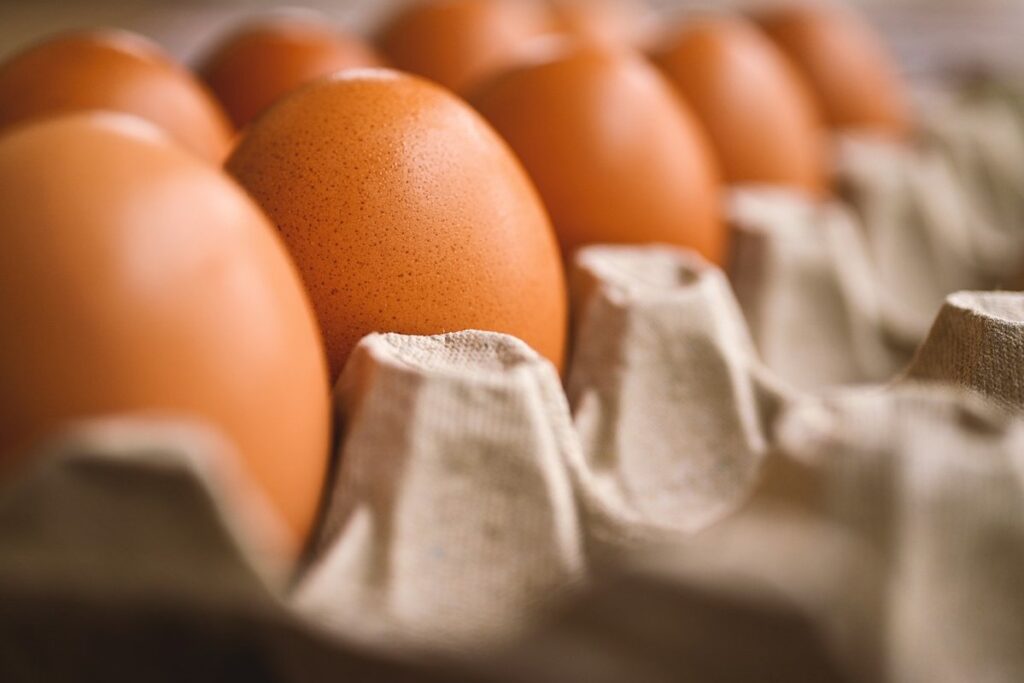
One of the distinctive features of Welsummer eggs is their teardrop shape, which is due to the way the yolk settles in the shell during formation. This unique shape makes them stand out from other breeds and adds to their charm. In terms of shell quality, Welsummers are known for their brown, almost reddish-brown shells that have a smooth texture.
To get the most out of your Welsummer eggs, make sure to store them in a cool, dry place to preserve their freshness. It’s also essential to handle them gently to avoid cracking the delicate shells. If you’re planning to sell or share your eggs, consider adding a decorative touch with a label or a ribbon – after all, the presentation can make a big difference!
Egg Color and Patterns
The blue-green eggshell coloration of Welsummer chicken hens is one of their most distinctive and attractive characteristics. This unique trait is developed due to a genetic combination that affects the production of melanin, the pigment responsible for eggshell color. As a result, Welsummers produce eggs with a beautiful, mottled appearance that ranges from blue-green to dark brown.
One thing to note about Welsummer eggs is that they don’t have a uniform blue-green color throughout. Instead, you’ll often see patches of blue, green, and even darker tones mixed in, creating a unique marbled effect. This variation in eggshell pattern is due to the way melanin is distributed during eggshell formation.
When choosing Welsummers for their eggs, many breeders look for birds that consistently lay eggs with this striking coloration. To encourage your own Welsummer hens to produce eggs with vibrant blue-green shells, make sure they have a balanced diet rich in calcium and other essential nutrients. With proper care and attention, you can enjoy the beautiful eggs of these incredible birds all season long!
Health Considerations for Welsummer Hens
When it comes to raising welsummer hens, their unique characteristics also mean they require special attention when it comes to health considerations. Here are some key factors to keep in mind for a happy and healthy flock.
Common Health Issues and Concerns
Welsummer hens are generally known for their hardiness and robust health. However, like all breeds, they can be prone to certain common health issues that owners should be aware of.
Respiratory problems, such as chronic bronchitis or pneumonia, can affect Welsummers, particularly in cold or damp environments. This is often due to poor ventilation or exposure to disease-causing pathogens. To mitigate this risk, ensure your coop has good airflow and keep an eye out for signs of respiratory distress, including coughing, wheezing, or labored breathing.
Parasite infestations are another health concern for Welsummers, with mites, lice, and fleas being common culprits. These external parasites can cause discomfort, stress, and even lead to secondary infections if left unchecked. Regular checks and treatments should be part of your flock’s maintenance routine, using products that target the specific type of parasite present.
Proactive measures such as maintaining a clean coop, monitoring flock behavior, and providing regular vaccinations (if necessary) will help minimize the likelihood of these health issues arising in your Welsummer hens.
Nutrition and Diet Requirements
When it comes to ensuring the health and well-being of your Welsummer hens, their nutritional needs are crucial. These birds require a balanced diet that meets their specific requirements to produce high-quality eggs. A layer’s diet should consist of approximately 16-18% protein, which can be obtained from high-quality commercial feed or supplemented with organic materials such as mealworms and sunflower seeds.
To boost the calcium content in your Welsummer hens’ diet, you can offer crushed eggshells or dark leafy greens like kale and spinach. These supplements will help strengthen their eggshell production and overall bone health. As a general rule, provide fresh water at all times, and consider adding oyster shells as an additional source of calcium to support strong eggshell development.
It’s also essential to avoid overfeeding your Welsummer hens, as this can lead to obesity and related health issues. Monitor their food intake and adjust the amount according to their age, size, and activity level. Providing a varied diet with fresh fruits and vegetables will not only ensure the nutritional needs of your birds are met but also encourage natural foraging behavior.
Tips for Preventing and Managing Health Issues
Maintaining the health and well-being of your Welsummer hens is crucial for their longevity and productivity. A healthy flock not only lays more eggs but also reduces the risk of disease outbreaks that can devastate your entire coop.
One of the most effective ways to prevent diseases in your Welsummer hens is through proper sanitation and hygiene practices. This includes regular cleaning of the coop, nest boxes, and run, as well as disinfecting any equipment or surfaces that may have come into contact with infected birds. You should also ensure that your hens have access to clean water at all times.
In addition to prevention, it’s essential to monitor your flock regularly for signs of illness or stress. Keep an eye out for changes in appetite, drooping wings, or unusual vocalizations. If you notice any of these symptoms, consult with a veterinarian as soon as possible.
A well-balanced diet is also crucial for maintaining the health of your Welsummer hens. Ensure that they have access to high-quality feed that meets their nutritional needs, and consider supplementing with fresh fruits and vegetables to provide essential vitamins and minerals.
By following these tips, you can help prevent and manage common health issues in your Welsummer hens, ensuring a happy and healthy flock for years to come.
Raising and Keeping Welsummer Hens as Pet Chickens
If you’re thinking of bringing home a few Welsummer hens, here’s what you need to know about raising them as pets in your backyard. This section covers the basics of their care and maintenance.
Housing and Environment Requirements
When it comes to raising and keeping Welsummer hens as pet chickens, their housing and environmental needs are crucial for their health and well-being. These active birds require a lot of space to roam around, exercise, and engage in natural behaviors.
As a general rule, each welsummer hen should have at least 3-4 square feet of floor space inside the coop, while the entire run or enclosure should provide about 8-10 square feet per bird. This allows them to stretch their wings, forage, and move around comfortably. A larger space is always better than a cramped one, as it will help reduce stress and prevent health issues.
Ventilation is also essential in welsummer hen housing. These birds can be prone to respiratory problems if the air inside the coop gets stale or damp. To ensure proper ventilation, provide windows for natural light and airflow, install vents, or use a fan to circulate the air. You should also ensure that the coop is well-ventilated by providing enough space between each bird’s nest box.
A clean and dry environment is vital for welsummer hens’ health. Make sure to keep their living area tidy by removing soiled bedding and manure regularly, and replace it with fresh material like straw or wood shavings. This will prevent the buildup of ammonia fumes that can cause respiratory problems and other issues.
Feeding and Nutrition Strategies
As you care for your Welsummer hens, it’s essential to provide them with a balanced diet that promotes healthy growth and optimal egg-laying. A well-planned feeding strategy will not only ensure the overall health of your flock but also support their reproductive capabilities.
Start by providing high-quality layer feed as the staple in their diet. You can choose from a variety of brands, each offering unique formulations to meet different nutritional needs. Aim to give them 16-18% protein content and include a calcium supplement to support strong eggshell production.
In addition to commercial layer feed, consider incorporating fresh fruits and vegetables into their meals. Carrots, leafy greens, and sweet potatoes are all excellent choices that provide essential vitamins and minerals. Limit treats high in fat and sugar, such as table scraps and junk food, as they can lead to obesity and related health issues.
Some Welsummer owners also swear by the benefits of adding probiotics and omega-3 supplements to their hens’ diet. While not essential, these additives can support gut health and overall well-being, potentially increasing egg production and quality. Be sure to research reputable brands and follow proper dosing instructions to ensure optimal results.
Tips for Handling and Socializing Young Chicks
When it comes to raising young Welsummer chicks as pets, handling and socializing them is crucial for their development and your relationship with them. It’s essential to start socialization from an early age, ideally within the first week of hatching.
Begin by gently picking up the chicks and placing them in a separate container or box, allowing you to handle each one individually without stressing the rest of the brood. Make sure to support their body and wings, as they are fragile at this stage. Handle them for short periods, about 5-10 minutes, 2-3 times a day.
As they grow, gradually increase handling time and frequency. Be sure to also expose them to various sounds, sights, and textures to help them become confident and calm around new stimuli. This includes placing them near people, other animals, and different environments, such as outdoors or in different rooms.
By following this socialization plan, you’ll be rewarded with friendly, outgoing Welsummer hens that will thrive under your care. As they mature, they will lay rich, dark brown eggs, a testament to their health and well-being under your nurturing guidance.
Breeding and Hatching Welsummer Chicks
Welcoming new additions to your flock can be a thrilling experience, and learning how to breed and hatch Welsummer chicks is a crucial step in expanding your poultry collection. This section will guide you through the process of successfully breeding these gorgeous birds.
Selecting the Right Breeders
When it comes to selecting breeders for your Welsummer flock, there are several key factors to consider. Genetics play a crucial role in determining the overall health and egg-laying abilities of your chickens. Look for breeders who have a proven track record of producing healthy, fertile eggs. Research the breeder’s bloodlines and pedigree to ensure they are working with top-quality stock.
Egg production is another essential consideration. Welsummers are known for their high egg production, laying around 200-220 brown eggs per year. When selecting breeders, look for those that have a history of producing chickens that meet or exceed this average. It’s also essential to consider the temperament of your potential breeders. A friendly and docile temperament can make a big difference in the overall experience of keeping Welsummers.
Consider the following when evaluating breeder characteristics:
* Fertility rates: Look for breeders who have a high fertility rate (around 90% or higher) to ensure you’ll get healthy, fertile eggs.
* Egg size and quality: Choose breeders that produce chickens with large, well-formed eggs.
* Temperament: Select breeders that are known for producing friendly, easy-going birds.
Fertility and Hatchability Rates
When it comes to breeding Welsummer chicken hens for optimal egg production, understanding fertility and hatchability rates is crucial. These rates refer to the percentage of fertile eggs laid by a hen that successfully hatch into chicks. In Welsummers, fertility rates can range from 70% to 90%, while hatchability rates typically fall between 50% to 80%. While these numbers may seem high, there are factors at play that can affect these rates.
Genetics, nutrition, and environmental conditions all contribute to the overall fertility and hatchability of Welsummer eggs. To improve these rates, breeders should focus on selecting birds with desirable traits, such as strong egg-laying ability and robust chick development. Additionally, ensuring a balanced diet rich in nutrients is essential for optimal reproductive health.
To give you a better idea, consider this: a study showed that hens fed a diet high in omega-3 fatty acids had significantly higher fertility rates compared to those on a standard diet. By incorporating these practices into your breeding program, you can enhance the overall quality of your Welsummer eggs and increase their chances of successful incubation.
Tips for Successful Hatching and Rearing Chicks
When it comes to hatching and rearing Welsummer chicks, there are several strategies you can employ to ensure high chick survival rates. Firstly, make sure the incubator is set at a consistent temperature between 99-100°F (37-38°C) for the first 18 days of incubation.
Next, monitor the humidity levels closely, as Welsummers have a higher demand for moisture than some other breeds. Aim for a relative humidity of around 50-60% during the first 24 hours after transfer to the hatcher.
To encourage strong chicks and healthy growth, ensure that your egg-laying hens are receiving a balanced diet rich in calcium and protein. A deficiency in these nutrients can lead to weak or deformed chicks, so be sure to provide plenty of oyster shells and high-quality feed.
When handling eggs for incubation, gently tap the egg on a flat surface to dislodge any debris that may have accumulated at the air cell. This is especially important if you’re using older eggs, as Welsummers can sometimes accumulate a thick layer of albumen on their eggs.
Frequently Asked Questions
Can I raise Welsummer hens for eggs if I have limited space?
Welsummers are considered a dual-purpose breed, but they do require some space to roam. For small backyards, it’s essential to provide adequate housing and a secure enclosure where your birds can exercise. Consider investing in a coop with a fenced area or even a chicken tractor to ensure your hens get enough space to move around.
How long does it take for Welsummer chickens to start laying eggs?
Welsummers are known for their excellent egg-laying abilities, but they do need some time to mature before producing eggs. Typically, you can expect them to start laying eggs within 24-28 weeks of age. Keep in mind that individual birds may vary, and proper nutrition, health checks, and care will also impact their overall performance.
What are the key differences between Welsummer hens and other egg-laying breeds?
One of the most distinctive features of Welsummer chickens is their dark brown eggs with olive-green speckles. This breed stands out from others due to its unique egg coloration, robust build, and exceptional foraging abilities. If you’re looking for a new addition to your flock that can offer a mix of charm and utility, Welsummers are an excellent choice.
How do I ensure the fertility and hatchability rates when breeding Welsummer chickens?
When selecting breeders or planning to breed Welsummer chicks, it’s essential to choose healthy birds with good egg-laying records. Regular health checks, proper nutrition, and a well-ventilated breeding area can help optimize fertility and hatchability rates. Research local breed clubs or experienced breeders for guidance on best practices and recommendations.
Can I raise Welsummers in cold climates?
Welsummer chickens are generally hardy birds, but they may require extra care and protection in extreme temperatures. When raising them in colder climates, ensure your coop is well-insulated, provide adequate bedding to keep them warm, and consider adding supplemental lighting to promote egg-laying during the winter months.