
If you’re an avid egg collector or simply looking to elevate your breakfast game, chances are you’ve come across those stunning Welsummer eggs with their unique speckles. These distinctive markings have captivated many, but beyond their aesthetic appeal, Welsummer eggs also offer a range of benefits for both consumers and farmers. Not only do they bring a pop of color to any dish, but these speckled eggs are also rich in nutritional value. In this comprehensive guide, we’ll delve into the history behind these beautiful eggs, exploring the characteristics that make them so special, and uncovering their culinary uses. Whether you’re a chef seeking new inspiration or a home cook looking for unique ingredients, this article will provide you with everything you need to know about Welsummer egg color speckles.
What Are Welsummer Chickens?
Let’s start by getting to know these beautiful birds, known for their striking brown eggs and distinctive appearance that sets them apart from other chicken breeds.
Origins and History of the Breed
The Welsummer breed has its roots in the Netherlands, where it was first developed in the early 20th century. The exact origin of the breed is credited to a farm in Limburg, where farmer Jan Veenendaal experimented with crossing various breeds to create a bird that could thrive in the challenging climate of southern Netherlands.
The goal was to produce a hardy, egg-laying chicken that could withstand the region’s harsh winters and hot summers. Through careful selection and breeding, Veenendaal successfully created the Welsummer, which quickly gained popularity among local farmers for its excellent laying ability and striking appearance.
Over time, the breed has undergone significant development, with breeders introducing new traits such as improved fertility and increased egg production. Today, the Welsummer is recognized by most major poultry associations worldwide for its unique characteristics and attractive plumage, including that distinctive speckled eggshell that’s a hallmark of the breed.
Characteristics of Welsummer Chickens
Welsummers are instantly recognizable due to their striking physical characteristics. One of the breed’s most distinctive features is its plumage, which comes in a range of colors including mahogany-red, dark brown, and golden. The feathers are often adorned with lighter or darker markings, giving each bird a unique appearance.
In terms of beak shape, Welsummers have a slightly curved beak that’s well-suited to pecking at the ground for insects and seeds. Their earlobe type is also worth noting – it’s quite large and hangs down almost imperceptibly below their jawline, adding to their endearingly rustic charm.
Behaviorally, Welsummers are known to be active birds who enjoy scratching in the soil and engaging in general exploratory behavior. They’re generally friendly and social, making them a great choice for backyard flocks where they’ll thrive with plenty of attention and interaction.
The Science Behind Egg Speckles
Let’s dive into the fascinating world of science behind egg speckles, where we’ll uncover the process that creates those beautiful spots on Welsummer eggs. This intricate process is a natural wonder worth exploring.
What Causes Egg Speckles?
Egg speckling is a result of a complex interplay between genetics, pigmentation, and environmental factors. The unique appearance of Welsummer eggs, with their distinctive brown-speckled shells, can be attributed to the interaction of these elements.
Pigmentation plays a significant role in egg speckling. In poultry, two main types of melanin are responsible for pigment deposition: eumelanin (brown/black) and pheomelanin (red/yellow). Welsummer chickens produce both types, but in varying concentrations, resulting in the characteristic brown-speckled pattern.
Genetics also significantly influence egg speckling. The breed’s unique genetics dictate that they have a higher concentration of eumelanin on their eggshells, which manifests as darker brown spots. Environmental factors, such as diet and nutrition, can affect pigmentation levels but do not entirely determine the speckled appearance.
In summary, the combination of genetic predisposition, varied melanin production, and environmental influences comes together to create the distinctive look of Welsummer eggs.
The Role of Luteinizing Hormone in Egg Formation
Luteinizing hormone (LH) plays a crucial role in regulating ovulation and egg production in chickens. It’s the hormone responsible for triggering the release of an egg from the ovary into the oviduct, where it will mature and develop its shell. In simple terms, LH acts as the “go-ahead” signal that tells the hen to produce an egg.
But how does LH affect the development of yolk, shell membrane, and shell quality? Research has shown that high levels of LH in the early stages of ovulation promote healthy yolk formation. This is especially important for chickens like Welsummers, which are known for their vibrant orange yolks. When LH is present in adequate amounts, it ensures that the yolk develops properly, giving eggs their characteristic color and texture.
A balanced level of LH also impacts shell membrane and shell quality. Studies have demonstrated that optimal LH levels result in stronger, more durable eggshells with fewer cracks. This means healthier eggs for your family to enjoy! To support healthy LH levels in your flock, ensure they’re receiving a well-balanced diet rich in vitamins A, D3, and E, which play a crucial role in hormone regulation.
Unique Characteristics of Welsummer Eggs
One of the most distinctive and charming aspects of welsummer eggs is their unique speckled pattern, but what exactly makes each one so special? Let’s take a closer look at some of the characteristics that set them apart.
The Significance of Speckles on Eggshells
Welsummer eggs are renowned for their beautiful speckled patterns, but what’s truly fascinating is the significance behind these distinctive markings. Not only do they add a touch of elegance to the eggs’ appearance, but research suggests that certain breeds of chickens may have unique characteristics that could potentially enhance the nutritional value of their eggs.
The visual appeal of speckled eggs is undeniable – who can resist the charm of those delicate brown spots against the creamy white or light brown background? But did you know that the pattern and coloration on eggshells can also be an indicator of the chicken’s health and well-being? For example, studies have shown that eggs from free-range hens contain higher levels of vitamins A and E compared to their caged counterparts.
Some breeds, like the Welsummer, are naturally more inclined to produce eggs with speckles due to their genetic makeup. By choosing to consume eggs from these breeds, you may be getting a healthier and more nutritious option. While there’s no conclusive evidence to prove that speckled eggs have any direct health benefits, the idea is intriguing nonetheless. So next time you’re at your local farmer’s market or grocery store, keep an eye out for those charming speckles – you might just discover a healthier choice in the process!
How to Identify a Genuine Welsummer Egg
When it comes to identifying genuine Welsummer eggs, breeders and enthusiasts need to pay attention to several key characteristics. First, let’s talk about the shape: Welsummer eggs are typically elongated, with a slight tapering at both ends. This unique shape is one of the most distinctive features that set them apart from other breeds.
Another crucial factor in identifying authentic Welsummer eggs is their size. While egg sizes can vary slightly depending on individual birds and nutrition, genuine Welsummer eggs tend to be on the larger side, often weighing around 60-70 grams (2.1-2.5 oz).
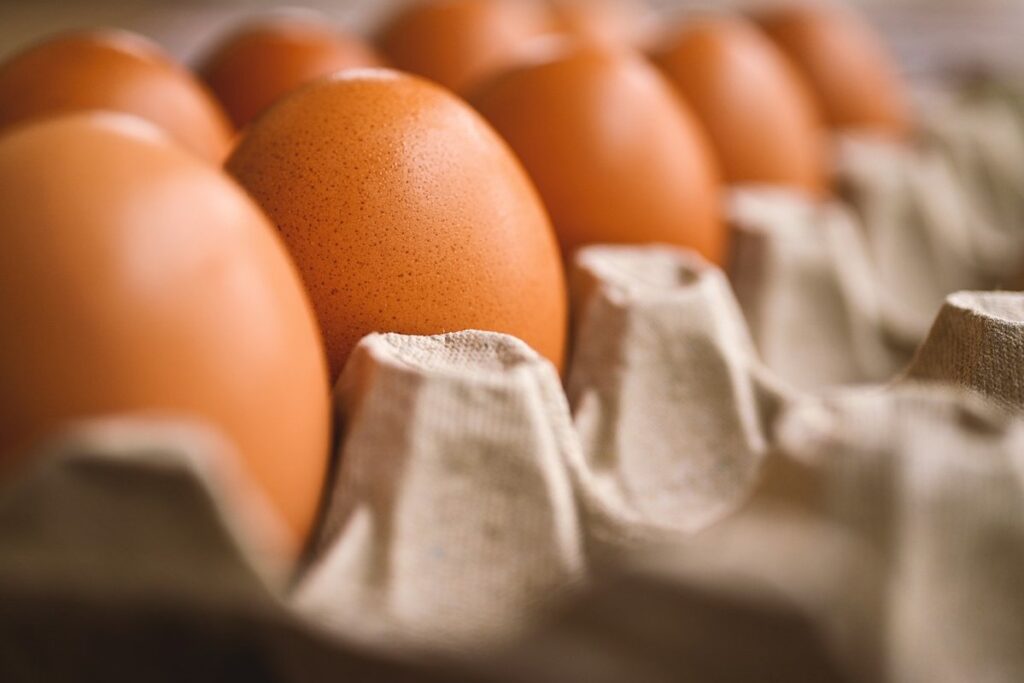
In terms of appearance, Welsummer eggshells have a lovely mottled brown color with distinctive speckles or freckles. These speckles are typically darker in color and more concentrated near the pointed end of the egg. When examining eggs, look for an irregular distribution of speckles – it’s not uncommon to see some areas with a high concentration of speckles while others may be relatively clear.
To ensure the quality and authenticity of your flock’s eggs, regularly inspect them for any signs of abnormality or damage. Keep in mind that genuine Welsummer eggs will always display these unique characteristics.
Caring for Your Welsummer Flock
Caring for your welsummer flock requires attention to their specific needs, from nutrition and health checks to providing a safe and happy living environment. Let’s take a closer look at how to keep your welsummers thriving.
Nutritional Requirements for Healthy Egg Production
Welsummers are a hardy breed that thrive on a balanced diet rich in nutrients. To support healthy egg production and overall well-being, it’s essential to provide your flock with a well-rounded mix of vitamins, minerals, and proteins.
A good starting point is to offer high-quality layer pellets as the main staple of their diet. These pellets should contain at least 16% protein and no more than 4% calcium. You can also supplement their diet with fresh fruits and vegetables, such as leafy greens like kale or spinach, and treats like mealworms.
However, it’s equally important to avoid overfeeding your Welsummers, as this can lead to obesity and other health problems. Stick to a recommended feeding schedule, and ensure they always have access to clean, fresh water.
For optimal egg production, make sure your flock is getting enough calcium through their diet or supplements. You can also add crushed oyster shells or dark leafy greens like kale to boost their calcium intake. By providing a balanced and nutritious diet, you’ll be supporting the health and happiness of your Welsummer flock – and the unique charm of those speckled eggs!
Best Practices for Housing and Environmental Conditions
When it comes to caring for your Welsummer flock, creating a suitable environment is crucial for their health and well-being. Adequate space is essential, as Welsummers are an active breed that requires room to roam. Ensure each bird has at least 2-4 square feet of floor space inside the coop and 8-10 square feet in the run.
Proper ventilation is also vital, as it helps to regulate temperature and prevent ammonia buildup from droppings. Install windows or vents on the walls and roof to allow fresh air to circulate. Keep the coop well-maintained by cleaning out droppings regularly and disinfecting surfaces with a 1:10 solution of white vinegar and water.
To protect your flock, consider adding netting or wire mesh around the run to prevent predators from reaching inside. Regular inspections will also help you identify any potential issues early on, such as signs of mites or other parasites. By following these best practices, you’ll be creating a healthy environment that promotes happy and thriving Welsummers, which in turn will reward you with beautiful egg speckles.
Breeding and Raising Welsummers
If you’re interested in raising chickens that lay those gorgeous speckled eggs, learning how to breed and raise healthy Welsummers is a great place to start. This process requires careful consideration of genetics and environmental factors.
Choosing the Right Parent Stock
When it comes to breeding Welsummers for their unique egg speckles, choosing the right parent stock is crucial. You want to select birds that will not only produce high-quality eggs but also exhibit the desired traits of egg speckling. One key factor to consider is genetic diversity. This ensures that your flock remains healthy and robust, reducing the risk of inherited diseases.
When evaluating potential parent stock, look for birds with a proven track record of fertility rates. Aim for roosters with at least 80% fertility, as this will significantly impact your overall egg production. You should also prioritize birds that lay high-quality eggs with vibrant speckles. Inspect the eggs carefully to determine if they have the desired pattern and coloration.
When selecting your parent stock, consider purchasing from reputable breeders who specialize in Welsummers. They can provide guidance on selecting birds that will meet your specific needs and breeding goals. Don’t be afraid to ask questions about the genetic makeup of the birds or their fertility rates. With the right parent stock, you’ll be well on your way to raising a flock that produces those stunning speckled eggs.
Tips for Managing a Small Flock or Backyard Chicken Coop
When it comes to managing a small flock or backyard chicken coop, it’s essential to prioritize hygiene and health to ensure the well-being of your beloved Welsummers. Regular cleaning is crucial to prevent disease and parasites from taking hold. Set aside time each week to scrub down nesting boxes, collect droppings, and refresh bedding material. Consider implementing a “deep clean” every 2-3 months, where you thoroughly disinfect all surfaces and equipment.
Monitoring health is equally important. Keep an eye out for signs of illness or stress in your hens, such as changes in appetite or droppings. Establish a routine of regular egg collection to detect any abnormalities in shell quality or color. A happy and healthy flock is key to producing those coveted speckled eggs!
To promote happiness in your hens, ensure they have access to adequate space, fresh air, and nutrition. Provide a balanced diet that meets their needs, including a mix of grains, vegetables, and supplements. Offer plenty of nesting boxes and perches for them to roost on. By following these simple tips, you’ll be well on your way to raising happy, healthy Welsummers that will reward you with those beautiful speckled eggs.
Welsummer Eggs in the Kitchen
When it comes time to get creative in the kitchen, Welsummer eggs add a pop of color and personality to any dish. Let’s explore how their unique speckles can elevate your recipes.
Culinary Uses of Speckled Eggs
Welsummers’ speckled eggs are not only visually stunning but also incredibly versatile in the kitchen. When it comes to using them in cooking, you’ll find that their unique flavor profiles and textures add a new level of depth to various dishes. For instance, their rich, buttery flavor makes them an excellent choice for baked goods like quiches, scones, or muffins.
In savory dishes, the speckled eggs can be used in place of regular eggs, adding a subtle yet distinct taste. Try using them in a frittata or omelette, where their creamy texture will add a luxurious feel to your meal. You can also use Welsummer eggs as a topping for salads, such as a Caprese salad with fresh mozzarella and basil.
One of the best things about speckled eggs is that they don’t need to be cooked any differently than regular eggs. Simply crack them into a bowl and whisk them as you would with any other egg. This makes it easy to incorporate them into your favorite recipes, from breakfast burritos to pasta dishes. With their unique charm and versatility, it’s no wonder that Welsummer eggs are becoming increasingly popular among chefs and home cooks alike.
Preserving Freshness and Quality
When it comes to preserving the freshness and quality of your prized Welsummer eggs, proper storage techniques are crucial. First, ensure you store them in a cool, dry place, away from direct sunlight and heat sources. This means keeping them out of the pantry or kitchen counter, where temperatures can fluctuate.
For longer-term storage, consider using an egg carton or tray specifically designed for storing eggs. These containers allow for airflow between each egg, helping to maintain humidity levels and prevent moisture buildup. You can also use old-fashioned techniques like storing them in a mesh bag or a ventilated container suspended from the ceiling – just be sure they’re not touching each other.
In terms of refrigeration practices, it’s essential to remember that eggs should always be stored with the pointed end down. This helps prevent moisture from seeping into the egg through the air cell at the large end. As for creative uses for eggshells, consider saving them to use as mini planters or seed starters – just make sure they’re thoroughly clean and dry before reusing them.
Conclusion
As you’ve delved into the fascinating world of Welsummer egg speckles, it’s likely that you’re now aware of their unique charm and appeal. If you’re an aspiring backyard chicken keeper or simply a poultry enthusiast, incorporating these striking eggs into your flock is definitely worth considering. The distinctive markings on Welsummer eggs not only add visual interest but also serve as a conversation starter. In conclusion, whether you’re looking to elevate the aesthetic of your kitchen table or simply connect with nature’s beauty, embracing the charm of Welsummer egg speckles can be a rewarding experience. By choosing this breed and appreciating their one-of-a-kind eggs, you’ll not only be adding character to your daily life but also fostering a deeper appreciation for the simple joys of backyard chicken keeping.
Frequently Asked Questions
Can I raise Welsummer chickens in my backyard or small farm with limited space?
Welsummers are known for being adaptable to various environments, but they do require a moderate amount of space to roam. If you’re considering raising them on a small plot, ensure you provide at least 2-3 square feet per bird inside the coop and 8-10 square feet outside in the run. This will help maintain their health and egg production.
How can I differentiate Welsummer eggs from others with similar speckles?
When purchasing or collecting eggs, inspect them closely for the distinctive brown color and unique “speckle” pattern. Authentic Welsummer eggs have a more pronounced, darker speckling compared to other breeds. If you’re still unsure, consult with a breeder or experienced chicken keeper to confirm their authenticity.
Are Welsummer chickens suitable for cold climates?
Welsummers originated in the Netherlands, which has a temperate climate with cold winters and hot summers. They are relatively hardy birds and can adapt to temperatures as low as 20°F (-7°C) and as high as 90°F (32°C). However, they may require extra care during extreme weather conditions.
How do I ensure my Welsummer flock is receiving the necessary nutrients for optimal egg production?
A balanced diet rich in protein, calcium, and vitamins is crucial for healthy egg production. Provide your flock with a mix of grains, vegetables, fruits, and commercial layer feed. Ensure access to fresh water at all times, and consider supplementing their diet with crushed oyster shells or dark leafy greens.
Can I use Welsummer eggs as a decorative item or gift, even if they’re not intended for consumption?
While speckled eggs make stunning decorations, ensure you only use them in this capacity after cleaning and sanitizing them thoroughly to avoid any potential health risks. You can also consider using fake or replica speckled eggs as an alternative. When giving them as gifts, be sure to include clear instructions on their intended use.