
If you’re one of the many backyard chicken enthusiasts who’ve fallen in love with the charming Welsummer breed, chances are you’re curious about the unique characteristics of their eggs. The Welsummer egg color chart is a fascinating topic that reveals the genetic factors influencing the wide range of colors and patterns found in these eggs. From dark browns to rare blue-greens, each egg is a testament to the breed’s remarkable diversity. But what exactly determines the color and pattern of a Welsummer egg? And how can you promote healthy production while encouraging the emergence of those striking blues and greens we all adore? In this article, we’ll delve into the world of Welsummer eggs, exploring patterns, genetic factors, and tips for identifying and nurturing this remarkable trait.
Understanding Welsummer Chickens and Their Eggs
If you’re new to raising Welsummer chickens, it’s essential to understand their unique characteristics, habits, and egg-laying traits to ensure a harmonious flock. Let’s dive into what makes these birds special.
Origin and History of Welsummer Breed
The Welsummer breed has its roots in the Netherlands, where it was developed in the early 20th century. Originally bred for egg production and meat, this hardy bird quickly gained popularity among farmers for its robust constitution and rich-brown eggs. One of the defining characteristics of the Welsummer is its striking appearance, with a reddish-brown plumage and distinctive ‘mustache’ feathers on its face.
As a result of their origins in the Netherlands, Welsummers were initially designed to thrive in cold, damp climates. This makes them an excellent choice for backyard farmers who live in areas with harsh winters or unpredictable weather patterns. In addition to their hardiness, Welsummers are known for their friendly and docile nature, making them a great breed for families or beginners.
If you’re considering raising Welsummers on your farm, it’s essential to understand their specific needs and characteristics. By doing so, you’ll be able to provide the best possible care for these wonderful birds and enjoy the rich rewards they bring – not least of which are their beautiful brown eggs.
Characteristics of Welsummer Hens
The Welsummer hen is a unique and charming breed that’s perfect for backyard chicken keepers. One of the most distinctive features of this breed is its physical appearance. They have a warm, golden-brown plumage with a subtle sheen to it, making them look like they’ve been kissed by the sun. Their beak is a deep orange-red color, adding to their rustic charm.
But it’s not just about looks – Welsummer hens are also known for their friendly and docile temperament. They’re social birds that thrive on interaction with humans and other animals, making them an excellent choice for families or small farms. In fact, they’re often described as being “dog-like” in their behavior, following you around the yard and vying for attention.
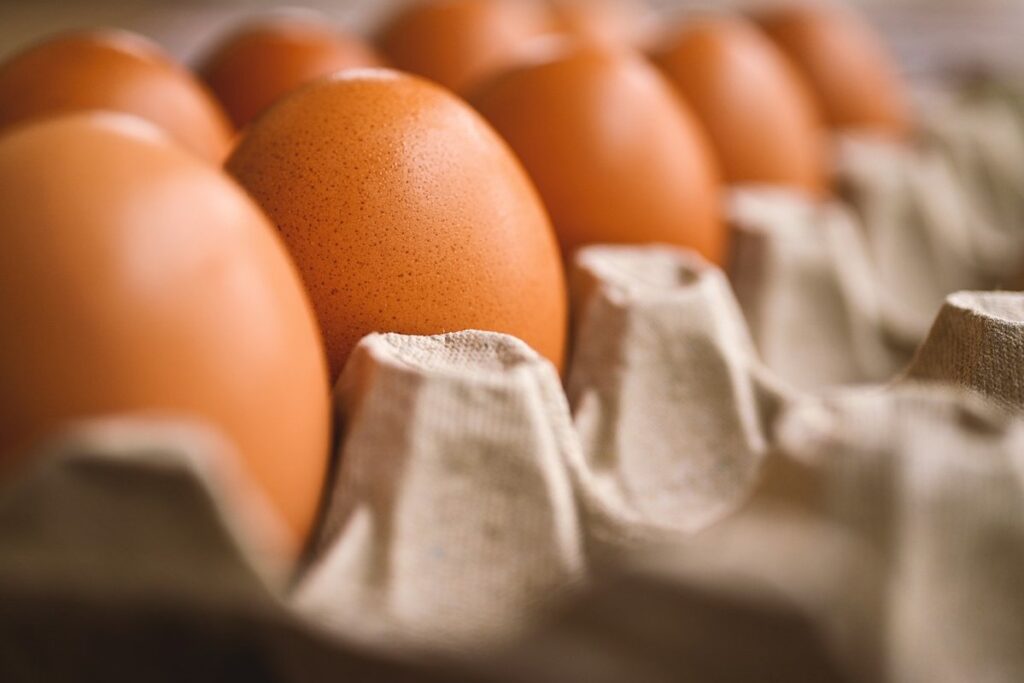
When it comes to egg-laying, Welsummer hens are prolific producers. They’ll typically lay around 180-200 brown eggs per year, with some individual hens producing up to 220. Their eggs are medium-sized, with a smooth, dark-brown shell that’s free from blemishes or imperfections. If you’re looking for a breed that will provide you with a steady supply of fresh eggs, the Welsummer hen is an excellent choice.
Importance of Breeding Purebred Welsummers
Breeding purebred Welsummers is crucial for preserving the breed’s distinctive characteristics and genetic makeup. These chickens are renowned for their rich brown eggs with terracotta red speckles, a trait that’s deeply rooted in their Dutch heritage. When breeding purebreds, you’re ensuring that these unique features are passed down to future generations.
To maintain the breed’s integrity, it’s essential to focus on preserving its original characteristics. This includes not only the eggshell color but also their robust build, friendly nature, and high fertility rates. By doing so, you’ll be safeguarding the Welsummer’s reputation as a top-notch laying breed. For instance, consider the 2019 poultry show in the Netherlands where purebred Welsummers took home several awards for their exceptional eggs and overall appearance.
When selecting stock for breeding, prioritize heritage birds that have been registered with reputable organizations like the American Bantam Association or the Dutch Poultry Breeders Association. This will help you identify genuine purebreds and ensure a consistent supply of high-quality chicks for your flock.
Understanding Egg Color Charts
To accurately identify and interpret Welsummer egg colors, it’s essential to understand the egg color chart system used by breeders and enthusiasts alike. This section will break down the basics of the chart.
What is an Egg Color Chart?
An egg color chart is an essential tool for chicken keepers to track their birds’ egg-laying patterns. It’s a visual representation of the different colors and types of eggs laid by each hen, helping you identify which breeds are performing well and which may need attention.
The primary purpose of an egg color chart is to monitor and record the color of eggs produced by each chicken over time. This simple yet effective tool allows you to see at a glance how your hens are doing, making it easier to detect any potential issues with their health or nutrition. For example, if one hen consistently lays blue or green eggs, while others produce only brown eggs, this could indicate that the former is receiving an unusual diet or has a specific breed characteristic.
By using an egg color chart, you can also track changes in your hens’ egg-laying patterns, which can be affected by factors such as season, age, and nutrition. For instance, some breeds may lay more eggs during spring and summer months due to increased daylight hours. By monitoring this information, you can make informed decisions about your flock’s health and well-being, ensuring they receive the care and attention they need to thrive.
Factors Affecting Eggshell Color
When it comes to understanding egg color charts, particularly for Welsummer chickens, one crucial aspect is grasping the factors that affect the color and pigmentation of eggs. The truth is, multiple elements come into play when determining the vibrant hues we see on our egg cartons.
Firstly, let’s talk about genetics – yes, you read that right! Breed characteristics play a significant role in determining the final shade of your Welsummer eggs. For example, if you’re breeding for darker or lighter shades, this will directly impact the color intensity. But what about environmental influences? Nutrition and health can significantly sway egg pigmentation. A well-balanced diet rich in essential nutrients like carotenoids (beta-carotene and lutein) will contribute to richer, deeper colors.
On the other hand, stress, illness, or inadequate nutrition can cause a decrease in pigment production leading to paler or washed-out tones. This is where managing your flock’s health comes into play – providing optimal living conditions, access to fresh water, and a balanced diet ensures you get the best possible egg color outcome.
Interpreting an Egg Color Chart for Welsummers
Using an egg color chart is a fantastic way to track and analyze the eggs laid by your Welsummer hens. It’s essential to understand that each breed has its unique characteristics, including eggshell colors. For Welsummers, their eggs typically have a dark brown or reddish-brown shell. However, as you start collecting more eggs, you might notice variations in color intensity, patterns, or even discolorations.
To make the most of your egg color chart, look for patterns and potential issues in the following areas:
* Eggshell color: A consistent dark brown or reddish-brown hue is normal. If the eggs are too light or too pale, it could indicate a diet-related issue.
* Speckles and marks: Welsummer eggs often have small speckles or darker markings. However, if you notice excessive or uneven markings, it might be due to stress or poor health.
* Shell texture: A smooth, even shell is ideal. If the shells are excessively thick, thin, or cracked, it could indicate a calcium deficiency or other nutritional issues.
By regularly monitoring your egg color chart and identifying any unusual patterns or discolorations, you can take prompt action to address potential health concerns and ensure the well-being of your Welsummer hens.
Welsummer Egg Colors: A Guide to Different Shades
When it comes to welsummer eggs, one of the most exciting things is the wide range of colors you’ll see in your nesting box! This section will break down the different shades and hues you can expect.
Dark Brown Eggs from Welsummers
Dark brown eggs are a prized possession among Welsummer chicken owners, and with good reason. These gorgeous eggs not only look stunning but also signal that your girls are thriving. But what factors influence the production of dark brown eggs in Welsummers? For starters, genetics play a significant role – some Welsummer lines are bred specifically for their rich, dark egg-laying abilities.
To encourage consistent production of these beautiful eggs, it’s essential to provide your flock with a balanced diet and optimal living conditions. A nutrient-rich feed that includes omega-3 fatty acids can help enhance the richness and depth of the egg yolks. Also, ensure that your girls have access to plenty of fresh water and a clean, spacious coop where they can roam freely.
Another crucial aspect is health. If your Welsummers are consistently producing dark brown eggs, it’s likely an indication of their overall well-being. Regular check-ups with a veterinarian can help identify any potential issues before they become major problems. By paying attention to these details and providing the right care, you’ll be enjoying those gorgeous dark brown eggs in no time!
Light Brown and Tinted Eggs from Welsummers
Light Brown and Tinted Eggs from Welsummers are a delightful surprise for many backyard chicken keepers. These eggs often feature warm, earthy tones that add character to the welsummer’s signature terracotta hue. Identifying light brown and tinted eggs is relatively straightforward: look for an overall lighter shade of brown with subtle undertones of pink or reddish-brown.
To encourage these beautiful egg colors, it’s essential to understand that diet plays a crucial role. Providing your Welsumners with a balanced mix of fresh fruits, leafy greens, and high-quality feed will help them produce eggs with vibrant colors. For example, adding foods rich in beta-carotene like sweet potatoes or carrots can enhance the yellow and orange pigments responsible for these warm tones.
Some tips to keep in mind: make sure your chickens have access to clean water at all times, maintain a balanced calcium intake through oyster shells or crushed eggshells, and avoid overfeeding on certain foods that may cause color dilution. By doing so, you’ll be well on your way to raising happy, healthy hens that produce stunning light brown and tinted eggs, making each day a joy to collect from the coop.
Blue-Green and Speckled Eggs from Welsummers
Blue-green and speckled eggs from Welsummers are relatively rare occurrences that can add an extra layer of interest to your flock. These unusual colors are caused by genetic variations that affect the way pigment is deposited on the eggshell during formation.
The blue-green tint can range in intensity from a subtle, mossy hue to a vibrant, electric blue color, while speckling can take many forms, including small spots or patches of different sizes and patterns. In some cases, these markings may be concentrated around the air cell or distributed more evenly across the eggshell.
The causes of these variations are not fully understood, but it’s believed that they result from interactions between multiple genes involved in pigment production. As a breeder, you can encourage the expression of these traits by selecting for birds with desirable eggshell colors and patterns, while also maintaining genetic diversity within your flock to minimize the risk of inbreeding.
It’s worth noting that blue-green and speckled eggs may be more susceptible to breakage due to their irregular surfaces. However, this is a relatively minor concern compared to the aesthetic appeal they bring to your eggs.
Tips for Raising Healthy Welsummer Chickens
To help you raise happy and healthy Welsummers, here are some essential tips on nutrition, exercise, and disease prevention to ensure their well-being. Proper care will reward you with an abundance of delicious eggs!
Nutrition and Feed for Optimal Egg Production
When it comes to raising healthy Welsummer chickens, providing a balanced diet that supports optimal egg production is crucial. A well-planned nutrition plan can help ensure your girls stay happy and healthy throughout their lives. Here are some key components to focus on:
A high-quality layer feed should make up the bulk of your Welsummers’ diet, providing essential nutrients like protein, calcium, and vitamins. Aim for a feed with at least 16% protein content to support muscle growth and egg production. Supplementing with fresh fruits and vegetables can add variety and fiber, but be sure to introduce new foods gradually to prevent digestive upset.
To promote healthy digestion and immune function, consider adding probiotics or oyster shells to their feed. Probiotics help maintain a balanced gut microbiome, while oyster shells provide essential calcium for strong eggshells. Aim to provide fresh water at all times, and make sure your girls have access to grit to aid in digestion.
By following these guidelines, you can help ensure your Welsummer hens are receiving the nutrients they need to produce healthy eggs and live long, happy lives.
Exercise and Stress Reduction for Welsummers
Regular exercise and stress reduction are crucial for maintaining the overall well-being of your Welsummer hens. Just like humans, chickens need physical activity to stay healthy and happy. A lack of exercise can lead to behavioral problems, such as feather pecking and cannibalism, while chronic stress can weaken their immune system, making them more susceptible to diseases.
To ensure your Welsummers get enough exercise, provide them with a spacious run or enclosure where they can roam freely. You can also consider adding toys and enrichment activities, like scratching posts and foraging games, to keep them engaged and stimulated. For example, you can bury treats or seeds in the ground for them to dig up, providing mental stimulation and entertainment.
In addition to physical exercise, stress reduction strategies are equally important. Try to minimize changes in their environment, such as introducing new chickens or changing their living space. Provide a balanced diet and plenty of fresh water to keep them nourished and hydrated. By incorporating these simple tips into your daily routine, you can help maintain the physical and mental well-being of your beloved Welsummer hens.
Health Monitoring and Record Keeping
Regular health checks are crucial for maintaining a healthy flock. It’s essential to get familiar with your Welsummer chickens’ behavior and body language. Look out for signs of illness, stress, or discomfort such as changes in appetite, droopy wings, or unusual vocalizations. Monitor their egg-laying patterns too – irregularities can indicate underlying health issues.
Keep accurate records of each chicken’s weight, egg production, and any notable behaviors or events. A spreadsheet or a notebook is sufficient for this purpose. Note down the date, time, and details of each entry to track changes over time. This record-keeping will help you identify potential problems early on.
For instance, if you notice a sudden drop in egg production from one bird, investigate further by checking their living conditions, diet, and overall health. Consult with experts or online forums for advice if needed. Regular monitoring and record-keeping enable timely interventions, thus preventing minor issues from escalating into major health crises. By staying vigilant, you’ll be able to provide the best possible care for your Welsummer flock.
Breeding and Genetics: A Deep Dive into Welsummer Egg Colors
Let’s take a closer look at how breeding and genetics influence the unique colors found in Welsummer eggs, a fascinating topic for any backyard chicken enthusiast. Genetics play a significant role in determining eggshell color.
Understanding Inheritance Patterns for Eggshell Color
When it comes to Welsummer egg color, understanding inheritance patterns is crucial for breeders and backyard chicken keepers. The genetics of eggshell color are complex, but breaking them down into simple principles can help you predict the outcome of breeding programs.
In chickens, eggshell color is determined by multiple genes working together. This is known as polygenic inheritance. Think of it like a recipe: you need a combination of ingredients (genes) to produce a specific result (eggshell color). The genotype – the actual genetic makeup of your bird – influences the phenotype – the physical expression of that genotype.
For Welsummers, the interaction between two genes, C and O, controls the eggshell color. The gene C is responsible for brown pigment, while O produces red-brown pigment. When both genes are present, you get a range of colors from light orange to dark chocolate. By understanding how these genes interact, breeders can make informed decisions about breeding programs and increase their chances of producing desirable eggshell colors.
Selective Breeding Strategies for Desired Traits
Selective breeding is an art that requires patience and dedication. By applying it to your Welsummer flock, you can intensify desirable traits, including egg color. Let’s delve into the world of selective breeding strategies that’ll help you achieve the perfect shade for your eggs.
To start, focus on selecting roosters with egg-laying qualities you’d like to pass down. If you’re looking to produce darker eggs, choose a rooster known for his ability to carry dark genes. For lighter eggs, opt for a rooster with pale feathers and a history of producing offspring with light-colored plumage.
When it comes to intensifying egg color, breeders often employ the “selective line breeding” technique. This involves identifying specific traits within your flock – such as red-brown or olive-green egg yolks – and then breeding those birds together repeatedly. By doing so, you’ll gradually increase the frequency of the desired trait in your offspring.
To speed up this process, keep detailed records on each bird’s family tree, noting their egg-laying history, characteristics, and any notable traits passed down from parents or grandparents. This information will be invaluable when determining which roosters to breed with specific hens for optimal results.
Genetic Diversity and Its Importance in Chicken Breeds
Maintaining genetic diversity within a breed is crucial for ensuring continued health and resilience in the face of changing environmental conditions. When we focus on breeding chickens with specific traits, such as egg color, it’s easy to overlook the bigger picture. However, neglecting genetic diversity can lead to a loss of hardiness and adaptability in our flock.
In the case of Welsummer breeds, their rich history and diverse genetic makeup have made them an excellent choice for backyard chicken keepers. By selecting parents with varied genetic backgrounds, you can create a robust and resilient flock that’s better equipped to handle environmental stressors. For instance, a genetic diversity study on poultry found that flocks with more heterozygosity (genetic variation) showed improved immune function and disease resistance.
To prioritize genetic diversity in your Welsummer breed, consider the following tips: choose parents from different bloodlines, avoid excessive linebreeding, and incorporate new genetics through strategic breeding programs. By doing so, you’ll not only ensure a healthy flock but also preserve the unique characteristics that make Welsummers such a beloved breed.
Frequently Asked Questions
How do I ensure the genetic diversity of my Welsummer flock?
Ensuring genetic diversity is crucial for maintaining healthy birds and desirable traits like egg color variation. To achieve this, consider introducing new bloodlines or participating in breeding programs that promote genetic diversity. You can also consult with experienced breeders to learn more about selective breeding strategies.
What are some common challenges when raising Welsummer chickens?
Welsummers are known for their robust constitution, but they still require proper care and attention. Common challenges include managing egg production, dealing with stress-related issues, and maintaining a balanced diet. Regular health checks, adequate nutrition, and stress reduction through exercise can help mitigate these issues.
Can I crossbreed Welsummer chickens with other breeds to achieve specific traits?
Crossbreeding can be an effective way to introduce new characteristics into your flock. However, when crossing Welsummers with other breeds, consider the potential risks of losing desirable traits like egg color variation. Consult with experienced breeders or geneticists to ensure you’re making informed decisions about crossbreeding.
How do I identify and nurture blue-green eggs in my Welsummer flock?
Blue-green eggs are a result of specific genetic factors influenced by genetics and environmental conditions. To encourage their emergence, focus on providing optimal nutrition, managing stress levels, and maintaining a balanced environment. Monitor your hens’ behavior and egg production closely to identify potential issues.
What role does diet play in the development of Welsummer egg colors?
A well-balanced diet rich in essential nutrients is crucial for healthy eggshell production. Consider adding supplements or adjusting feed composition to support optimal nutrition. This will help ensure that your hens are getting everything they need to produce eggs with vibrant, desirable colors.