
Welsummers are one of the most iconic breeds in the world of poultry, known for their unique and striking appearance. But have you ever stopped to admire the vibrant eggs they lay? The distinct terracotta color of Welsummer eggs is not just a pretty face – it’s also a reflection of the breed’s rich history, cultural significance, and even nutritional value. In this article, we’ll delve into the science behind those beautiful eggs, exploring what makes them so special from a nutritional perspective and examining their traditional use in baking and cooking. We’ll also touch on the cultural importance of Welsummer eggs, particularly in Europe where they’ve been prized for centuries for their flavor and unique appearance. Whether you’re an avid baker or just a curious egg enthusiast, let’s crack open the world of Welsummer eggs together!
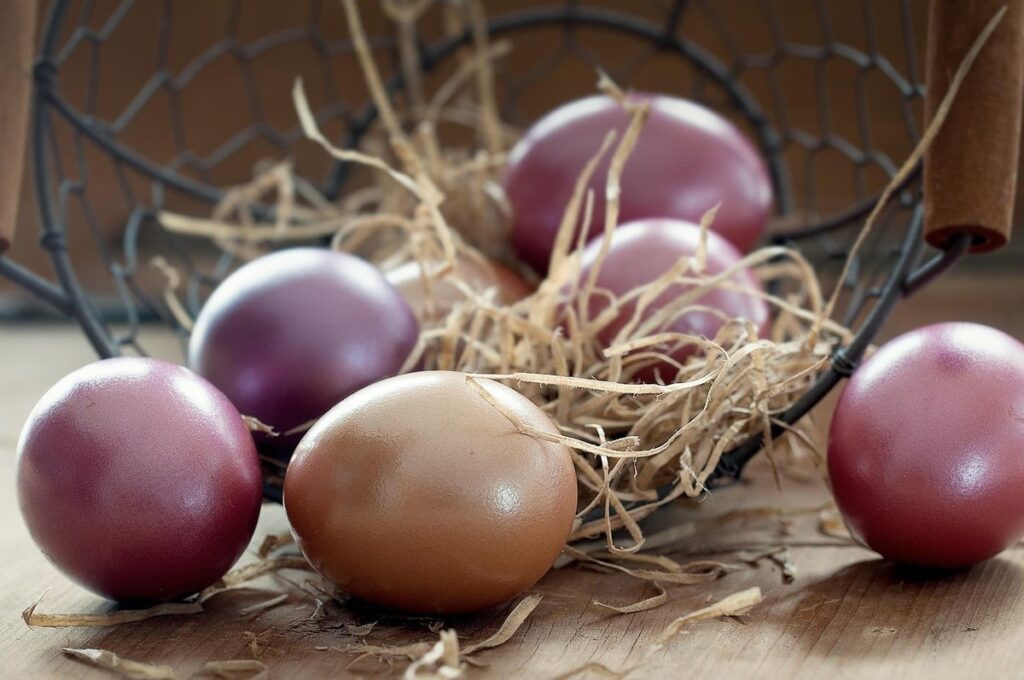
Characteristics of Welsummer Chicken Eggs
One of the most distinctive aspects of welsummer eggs is their unique color, but what exactly sets them apart from other egg varieties? Let’s dive into the characteristics that make welsummer eggs so special.
Eggshell Color Variations
One of the most striking aspects of Welsummer chicken eggs is their unique and varied color palette. While it’s common to find dark brown eggs with a subtle sheen, you may also come across lighter brown hues that are just as beautiful in their own right. But what exactly causes these variations?
Genetics play a significant role in determining the eggshell color of Welsummer hens. Each bird inherits its eggshell characteristics from its parents, so it’s not uncommon for eggs to display subtle differences within a single flock. Additionally, environmental factors like diet and exposure to sunlight can influence the final color tone.
For example, a Welsummer hen fed a diet rich in beta-carotene may produce eggs with a deeper, more vibrant brown color. Conversely, hens raised in areas with limited sunlight may lay lighter-colored eggs due to reduced melanin production. As an egg collector, it’s essential to recognize these variations and appreciate the unique characteristics of each egg.
If you’re looking to breed or raise Welsummer chickens for their distinctive eggs, keep in mind that eggshell color can be a reliable indicator of a bird’s overall health and well-being.
Size and Shape of Welsummer Eggs
When it comes to Welsummer eggs, you can expect them to be slightly smaller compared to other breeds. On average, a Welsummer egg will weigh around 45-55 grams (1.6-2 oz), with some reports suggesting they can range from 40-60 grams. In terms of shape, Welsummers lay elongated oval-shaped eggs, which are similar in shape to the eggs laid by other brown egg-laying breeds.
One notable feature of Welsummer eggs is their tendency to be slightly more irregularly shaped than those of some other breeds. This means you might find that your Welsummer eggs don’t all have perfectly uniform shapes, but this isn’t necessarily a cause for concern. In fact, the uniqueness of each egg can make them stand out and add to their charm.
It’s worth noting that the size and shape of Welsummer eggs can be influenced by factors such as nutrition, health, and genetics. Providing your hens with a balanced diet and making sure they have access to clean water and adequate living space will help support healthy egg production and ensure that your Welsummer eggs are of high quality.
Other Physical Features of Welsummer Eggshell
In addition to their unique brown or reddish-brown color, Welsummer eggs often display other distinctive physical features on their surface. One of the most notable characteristics is the texture, which can range from smooth to slightly rough depending on the individual chicken and her living conditions. Some Welsummers may produce eggs with a subtle sheen or gloss, while others may have a more matte finish.
Another feature that can be observed on Welsummer eggs is the pattern. While they are predominantly brown or reddish-brown in color, some eggs may display small, darker speckles or patches, particularly around the large end of the egg. These markings can vary in size and intensity, but they add to the egg’s unique charm.
It’s worth noting that the physical characteristics of Welsummer eggs can also be influenced by factors such as diet and living conditions. For example, a chicken with access to plenty of calcium-rich foods may produce eggs with stronger shells and more vibrant coloration.
The Science Behind the Color
So, what makes those gorgeous Welsummer eggs turn a deep terracotta red? Let’s dive into the fascinating science behind their unique coloring.
Pigmentation and Melanin in Chicken Eggs
When it comes to the distinctive coloration of Welsummer eggs, pigmentation and melanin play a crucial role. To understand why these eggs have their unique reddish-brown hue, let’s dive into the biology behind eggshell color.
Eggshell color is primarily determined by the production of two types of melanin: eumelanin and pheomelanin. Eumelanin is responsible for brown and black pigmentation, while pheomelanin produces red and yellow colors. In Welsummer eggs, a combination of both eumelanin and pheomelanin contributes to their distinctive coloration.
Interestingly, the intensity and distribution of melanin can vary between breeds, affecting the final appearance of the eggshell. For example, some breeds may have more pronounced brown or black speckles due to higher levels of eumelanin. In contrast, others may exhibit a more uniform yellow or blue tint due to an abundance of pheomelanin.
As backyard chicken keepers, understanding how melanin production affects eggshell color can be fascinating. By observing your own flock’s egg-laying patterns and shell characteristics, you may notice subtle variations in coloration depending on factors like diet, health, and genetics. This knowledge can also help you identify potential health issues or optimize your flock’s nutrition for better overall well-being.
Genetics and Inheritance of Eggshell Color
When it comes to Welsummer eggs, their distinctive terracotta color is more than just a pretty hue – it’s also a reflection of their genetic makeup. To understand the science behind this unique eggshell color, let’s delve into the role of genetics.
It all starts with the interaction between dominant and recessive genes. In the case of Welsummer eggs, the brown pigment is controlled by a single gene, which has two alleles (forms): one for red-brown (R) and one for yellow-brown (r). The R allele is dominant, while the r allele is recessive.
When an egg-producing hen inherits one copy of the R allele (Rr or R), it will produce eggs with a brown color. However, if she inherits two copies of the r allele (rr), her eggs will have a lighter yellow-brown tint. This genetic combination explains why Welsummer hens can produce such a range of eggshell colors.
Interestingly, breeding for specific traits like eggshell color requires careful attention to genetics. By selecting hens with desirable gene combinations and gradually introducing them into your flock, you can increase the likelihood of producing eggs with the exact shade you want.
Nutritional Significance of Eggshell Color
The vibrant color of your Welsummer eggs not only adds a pop of personality to your breakfast plate, but also holds secrets about their nutritional value. Let’s crack open what this colorful trait reveals about the eggs’ inner goodness.
Dark vs. Light Eggs: Does it Matter?
When it comes to Welsummer eggs, you may have noticed that their color can range from a deep dark brown to lighter shades of tan. But does this variation in color have any impact on the nutritional value of the egg? The good news is that there’s no significant difference between dark and light colored eggs when it comes to their nutritional content.
Research has shown that the color of an eggshell is determined by the breed of chicken, rather than its diet or living conditions. And studies have consistently found that eggs from different breeds, regardless of shell color, contain similar amounts of protein, vitamins, and minerals. So whether you crack open a dark brown Welsummer egg or one with a lighter hue, you can be confident that it’s delivering the same nutritional punch.
To put this into perspective, consider this: if you’re concerned about getting enough iron in your diet, for example, you’ll still get around 5-6 milligrams of iron from either a dark brown Welsummer egg or a lighter one. So go ahead and enjoy those eggs – whatever their color may be!
The Impact on Human Health
Research has shown that consuming eggs regularly can have numerous benefits for human health. The high-quality protein and essential nutrients found in eggs make them an excellent addition to a balanced diet. A study published in the Journal of Nutrition found that egg consumption was associated with a reduced risk of cardiovascular disease, stroke, and type 2 diabetes.
When it comes to eggshell color, Welsummer eggs are prized for their rich, dark brown shell, which is due to the presence of iron oxide. Some research suggests that consuming eggs from hens raised on pasture or fed omega-3 enriched feed may provide additional health benefits, such as reduced inflammation and improved heart health.
While there is no conclusive evidence linking eggshell color specifically to human health benefits, it’s worth noting that the rich pigmentation of Welsummer eggs may be a sign of higher antioxidant content. A diet rich in antioxidants has been linked to various health benefits, including reduced oxidative stress and improved immune function. To reap the potential benefits of eating eggs from hens like those that lay Welsummer eggs, consider incorporating them into your diet 3-4 times per week as part of a balanced meal plan.
Cultural Significance of Welsummer Eggs
Welsummer eggs have become a coveted collectible, not just for their vibrant color but also for the rich cultural heritage they represent. In many cultures, these eggs are cherished as symbols of spring and renewal.
Historical Use in Baking and Cooking
Welsummer eggs have been a staple in traditional baking and cooking for centuries. In Europe, particularly in the Netherlands where they originated, these eggs were highly prized for their unique marbled appearance and rich, earthy flavor.
In traditional Dutch recipes, Welsummer eggs were often used to add color and depth to baked goods like gingerbread, cookies, and sweet breads. The marbling of the eggs would create a beautiful, mottled effect on the surface of these treats. To incorporate Welsummer eggs into your baking, try adding them to a recipe for Dutch gingerbread, or use their yolks to make a rich, brown-colored icing.
In addition to baked goods, Welsummer eggs were also used in savory dishes like stews and soups. Their robust flavor pairs well with hearty ingredients like mushrooms, vegetables, and meats. For example, try adding sliced Welsummer eggs to a Dutch-style beef stew for added richness and depth of flavor. By incorporating these unique eggs into your cooking repertoire, you can add a touch of history and tradition to your meals.
Artisanal Egg Products Featuring Welsummers
Welsummers are prized not just for their rich, dark-brown eggs, but also for the unique flavors and textures they bring to artisanal egg products. For those looking to elevate their brunch game or create specialty items for high-end restaurants, incorporating Welsummer eggs is a must-try.
Consider starting with simple recipes like quiches or frittatas, where the rich, almost burgundy-hued yolks will add depth and visual appeal. But if you’re feeling adventurous, try making caviar-style egg yolks by pickling them in vinegar and spices – they make for a stunning garnish on anything from deviled eggs to charcuterie boards.
Artisanal producers are also experimenting with incorporating Welsummer eggs into more complex products like truffle-infused mayonnaise or hand-crafted terrines. To get started, begin by sourcing the freshest Welsummer eggs you can find and experiment with different recipes to highlight their unique characteristics – whether it’s their earthy flavor or striking color.
Incorporating Welsummer eggs is not only a nod to heritage breeds but also an opportunity to showcase your culinary creativity. By pushing the boundaries of what’s possible with these extraordinary eggs, you’ll be adding a touch of luxury and whimsy to any dish – don’t be surprised if it becomes the talk of the town!
Comparison with Other Breeds
If you’re curious about how Welsummer eggs stack up against other breeds, keep reading to learn about their unique color and characteristics compared to others. We’ll explore what makes them special.
Similarities and Differences with Barnevelders or Marans
When it comes to egg coloration, Welsummers are often compared to other breeds like Barnevelders and Marans. While these breeds share some similarities with Welsummers, they also have distinct differences that set them apart.
One notable difference between Welsummer eggs and those of Barnevelders is their color intensity. Barnevelder eggs tend to have a more muted, dark brown color, whereas Welsummer eggs have a distinctive reddish-brown hue. Marans eggs, on the other hand, are known for their deep, dark chocolate color. If you’re looking to add some visual interest to your egg basket, Welsummers are definitely the way to go.
In terms of size, Welsummer eggs tend to be smaller than those produced by Barnevelders and Marans. While this might not seem like a significant difference, it can make a big impact on the overall appearance of your egg collection. If you’re looking for eggs that are large enough to show off in a decorative arrangement, you may want to consider one of these other breeds.
Another key distinction between Welsummer eggs and those produced by Barnevelders or Marans is their nutritional content. While all three breeds lay eggs with high-quality protein and nutrient profiles, the levels of certain vitamins and minerals can vary significantly from breed to breed. If you’re concerned about getting the best possible nutrition from your eggs, it’s worth doing some research into the specific characteristics of each breed.
In terms of practical advice, if you’re looking to raise a flock that includes Welsummers, Barnevelders, or Marans, be aware that these breeds can have different feeding and care requirements. For example, Marans are known for their high energy levels and may require more protein-rich feed than other breeds. By understanding the specific needs of each breed, you can create a harmonious and healthy flock.
Overall, while Welsummer eggs share some similarities with those produced by Barnevelders and Marans, they also have distinct differences that set them apart. By considering these differences and doing your research, you can make informed decisions about which breed is best for you and your needs.
Frequently Asked Questions
Can I guarantee a certain eggshell color when raising Welsummer chickens?
Yes, you can increase the chances of getting eggs with the distinctive terracotta color by selecting breeding stock from reputable sources and following proper management practices. However, genetics play a significant role in determining eggshell color, so it’s essential to understand that consistency is not guaranteed.
Are Welsummer eggs suitable for people with dietary restrictions or preferences?
Welsummer eggs are an excellent choice for those looking for eggs with unique characteristics without added dyes or artificial color enhancers. The nutritional profile of Welsummer eggs is comparable to other egg varieties, making them a great option for those following special diets.
Can I use Welsummer eggs in recipes where dark eggs are specifically called for?
Yes, Welsummer eggs can be used as a substitute in recipes calling for dark-colored eggs, such as Marans or Barnevelder eggs. The unique flavor and rich appearance of Welsummer eggs will add an extra layer of depth to your baked goods.
How do I store and handle Welsummer eggs to maintain their quality?
To ensure the longevity and quality of Welsummer eggs, it’s essential to store them in a cool, dry place, away from direct sunlight. Wash the eggs gently before storing, and keep them pointed end down to prevent moisture from entering through the air cell.
Can I breed my own flock to produce more Welsummer eggs with the desired color?
With proper knowledge of genetics and inheritance patterns, it is possible to breed a flock that consistently produces eggs with the terracotta color. However, this requires a solid understanding of chicken breeding principles and access to high-quality breeding stock.