
If you’re an egg enthusiast or simply fascinated by the unique characteristics of chicken breeds, you’ll love learning about Welsummer eggs. These remarkable eggs are renowned for their vibrant colors, ranging from brown-red to blue-green, making them a standout among other breeds. But what makes these colors so special? The answer lies in the intricate genetics that govern eggshell production and the careful breeding practices that have resulted in this stunning diversity of hues. In this article, we’ll delve into the world of Welsummer eggs, exploring their genetics, breeding history, and cultural significance. Whether you’re a seasoned chicken keeper or just starting out, understanding the unique qualities of Welsummer eggs will give you a deeper appreciation for these remarkable birds and their beautiful offspring.
Introduction to Welsummer Eggs
Let’s start by diving into the basics of welsummer eggs, where we’ll explore their unique characteristics and what you can expect from these fascinating eggs.
Brief History of Welsummer Breed
The Welsummer breed has its roots in the Netherlands, dating back to the early 20th century. Bred for their exceptional egg-laying abilities and robust constitution, these chickens quickly gained popularity among Dutch farmers. Initially, they were crossed with other breeds such as the Barnevelder and the Orpington to enhance their characteristics.
Early descriptions of the Welsummer breed highlight their distinctive golden-brown plumage and impressive egg production. They were known for laying large, dark brown eggs with a subtle sheen. This striking appearance was not only pleasing to the eye but also an indication of the rich, nutritious contents within the egg.
As the breed developed, it became clear that the Welsummer’s unique characteristics made them well-suited to free-range farming practices. Their hardiness and adaptability allowed them to thrive in a variety of environments, from small backyard flocks to larger commercial operations. This versatility has contributed significantly to the breed’s enduring popularity among chicken enthusiasts today.
In the following sections, we will delve into the various colors and patterns found in Welsummer eggs, exploring their unique characteristics and potential uses within the culinary world.
Key Characteristics of Welsummer Eggs
Welsummers are known for producing eggs that stand out from the crowd. These eggs possess several distinct characteristics that make them easily recognizable. One of the most notable features is their size. Welsummer eggs are considered to be large, with a weight range typically falling between 55 and 65 grams.
Their shape also contributes to their unique appearance. Welsummers lay slightly oval or elongated eggs, often described as having a rounded edge at one end. This particular shape can sometimes lead to eggs being referred to as ” teardrop” shaped.
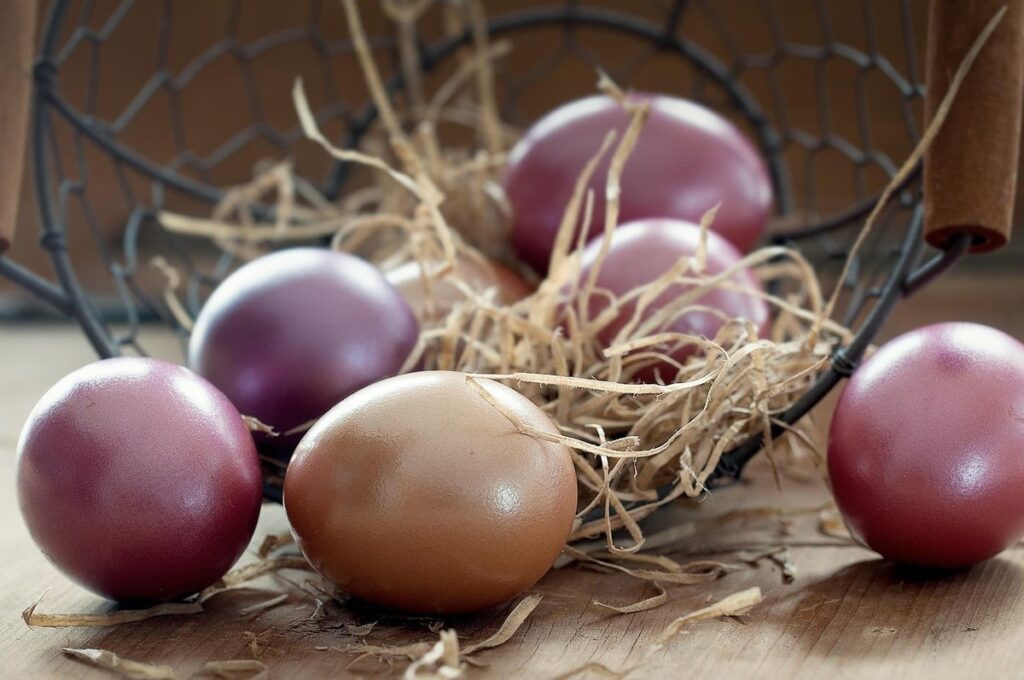
In terms of color, Welsummer eggs are predominantly brown. The intensity and shade of the brown, however, can vary greatly. These eggs might have varying degrees of speckling or spotting, with darker shades on some and lighter shades on others.
Color Variations of Welsummer Eggs
You’re probably wondering what colors your Welsummer eggs might lay, and we’ve got some exciting news for you: these hens can produce a range of beautiful shades!
Brown-Red Welsummer Eggs
The Brown-Red Welsummer Egg Coloration is one of the most recognizable and sought-after shades among chicken enthusiasts. This color variation boasts a warm, earthy tone that ranges from deep brown to rich reddish-brown hues. The undertones can vary subtly, but often exhibit a golden or yellowish tint that adds depth and character to the overall appearance.
In terms of shade intensity, Brown-Red Welsummer eggs can range from a light terracotta color to a deeper, more muted sienna tone. Some examples may even display hints of orange or pink undertones, making each egg unique and visually appealing. The color variation is often influenced by genetics, with some breeders selecting for specific traits that enhance the brown-red pigment.
To increase your chances of hatching Brown-Red Welsummer eggs, it’s essential to choose breeders who specialize in this color variation. You can also look for characteristics such as a golden sheen on the eggs or a subtle reddish tint around the air sac. By being mindful of these factors, you’ll be better equipped to select the perfect Brown-Red Welsummer hen for your backyard flock.
Chocolate-Brown Welsummer Eggs
If you’re lucky enough to get your hands on them, chocolate-brown Welsummer eggs are a true delight. These eggs have a rich, deep brown color that’s almost velvety in appearance. The rarity of this egg color is due in part to the genetics involved – it requires a specific combination of genes that don’t occur often in the breed.
Chocolate-brown eggs are produced when hens have a high concentration of melanin in their skin and feathers. This pigment is responsible for giving the eggs their distinctive coloration. In Welsummers, the presence of this pigment can result in anywhere from 10% to 30% of the eggs being chocolate-brown.
If you’re trying to breed for this egg color variation, it’s essential to understand that it’s a recessive trait. This means that hens must inherit two copies of the gene (one from each parent) to produce chocolate-brown eggs. To increase your chances of success, you’ll need to select breeding stock carefully and focus on linebreeding within specific family lines where this trait has been identified.
Blue-Green Welsummer Eggs
The blue-green Welsummer egg is a striking and unique variation that has garnered attention from backyard chicken enthusiasts and breeders alike. These eggs owe their distinct coloration to the specific genetic makeup of the hen, which involves a combination of genes responsible for the production of biliverdin, a pigment that contributes to the blue-green hue.
In terms of breeding possibilities, Welsummer hens carrying the gene for blue-green eggshell production can be crossed with other breeds or varieties to introduce this trait into new bloodlines. However, it’s essential to note that the genetic inheritance of this trait is complex and may not always result in offspring that exhibit the same level of intensity.
For those looking to breed blue-green Welsummer eggs, selecting hens with a strong expression of this trait will be crucial. This can be achieved by examining the eggs laid by potential breeding stock and identifying those that consistently display the desired coloration. By understanding and working with the genetics behind this unique trait, backyard chicken keepers can unlock new possibilities for their flocks.
Factors Influencing Egg Color
So, what makes Welsummer eggs come in such a range of colors? In this next part, we’ll explore the various factors that influence eggshell color.
Genetics and Breeding Practices
When it comes to egg color variations in Welsummer chickens, genetics plays a significant role. Each breed of chicken has its unique genetic makeup that contributes to the production of eggshell pigmentation. In the case of Welsummers, their eggs owe their distinctive orange-brown hue to specific genetic factors.
The genetics behind Welsummer eggs involve the interaction of multiple genes responsible for melanin production, which is the pigment responsible for eggshell coloration. Research suggests that a combination of two genes, specifically the brown and yellow genes, contributes to the characteristic orange-brown color of Welsummer eggs.
Interestingly, genetics aren’t the only factors influencing egg color variations. Breeding practices can also impact the final result. Breeders can use selective breeding techniques to emphasize desired traits in their chickens, including eggshell color.
To increase your chances of hatching Welsummer chicks that lay orange-brown eggs, it’s essential to work with reputable breeders who prioritize genetics and selectively breed for desirable traits.
Nutrition and Diet’s Impact on Egg Color
Nutrition and diet play a crucial role in determining eggshell pigmentation. The production of melanin, the pigment responsible for eggshell color, is influenced by the nutrients available to hens. For instance, a diet rich in antioxidants like vitamin E and beta-carotene can enhance the expression of red and yellow pigments, resulting in deeper orange-brown hues.
A study conducted on laying hens found that those fed a diet supplemented with marigold petals exhibited improved eggshell color intensity compared to those receiving standard feed. The increased availability of lutein and zeaxanthin, carotenoid pigments present in the petals, enhanced melanin production and ultimately contributed to more vibrant eggshell colors.
To encourage richer eggshell pigmentation, it’s essential for Welsummer breeders to ensure their hens receive a balanced diet rich in fruits, vegetables, and high-quality feed. Consider adding foods like leafy greens (kale or spinach), carrots, and sweet potatoes to your flock’s menu to boost their nutrient intake. By paying attention to the nutritional needs of your birds, you can influence the final color result, making each eggshell a true reflection of the natural colors seen in Welsummer chickens.
Environmental Effects on Egg Color
When it comes to Welsummer egg color, environmental factors play a significant role in determining their appearance. One of the primary factors is sunlight exposure. The amount and duration of sunlight eggs are exposed to can affect their color intensity and uniformity. For instance, eggs laid by hens that spend most of their time outdoors in direct sunlight tend to have a deeper, richer red-brown color compared to those kept indoors.
Temperature also has an impact on egg color. Research suggests that extreme temperatures can cause eggs to take on a more muted or washed-out appearance. This is because the pigment production process can be disrupted at high or low temperatures. To minimize this effect, it’s essential to maintain a consistent and comfortable temperature range in your coop.
Additionally, humidity levels can also influence egg color. Eggs laid in very humid environments may develop an uneven or patchy coloration due to the way the pigments interact with moisture. Maintaining a moderate level of humidity within the recommended range for your flock will help ensure that their eggs retain their natural color intensity and uniformity.
Identifying and Caring for Welsummer Eggs
Let’s dive into identifying those beautiful brown eggs, as well as how to keep them fresh and healthy until it’s time to hatch. This is where attention to detail truly matters!
Recognizing High-Quality Welsummer Eggs
When it comes to recognizing high-quality Welsummer eggs, there are several key characteristics to look out for. First and foremost, the shape of a Welsummer egg is quite distinctive – they tend to be more elongated than other breeds, with a slightly pointed end. This unique shape is one of the breed’s defining features.
In terms of size, Welsummer eggs are generally medium-sized, falling within the range of 50-60 grams. However, some hens may lay larger or smaller eggs depending on their individual characteristics and diet. When it comes to color consistency, a good Welsummer egg should have a deep terracotta red-brown color with darker undertones.
To identify high-quality Welsummer eggs, look for those that have a uniform color distribution – the shell should be evenly colored from top to bottom. Avoid eggs with streaks or patches of lighter or darker color. It’s also worth noting that fresher eggs will typically have a more vibrant and even coloration than older eggs.
Storage and Handling Best Practices
When storing and handling Welsummer eggs, it’s essential to follow best practices that ensure their quality is preserved. This means keeping them away from direct sunlight, moisture, and extreme temperatures. Store the eggs in a cool, dry place with consistent temperature between 32°F (0°C) and 45°F (7°C). Avoid storing them near drafts or air vents, as this can cause moisture to accumulate.
To maintain egg quality, handle them gently to prevent damage. Wash your hands before and after handling the eggs to prevent contamination. Store the eggs in a single layer with the pointed end facing down. This prevents rolling and reduces the risk of breakage. If you need to transport the eggs, use a ventilated container or bag to maintain airflow.
Remember that Welsummer eggs are delicate, so take extra precautions when storing and handling them. Proper care will help preserve their unique appearance and ensure they remain fresh for longer periods.
Tips for Collecting and Washing Welsummer Eggs
When it comes to collecting and washing welsummer eggs safely and hygienically, it’s essential to follow proper techniques to prevent contamination and maintain their quality. To collect eggs, approach the nesting box quietly and calmly to avoid startling the hen, which can lead to accidental breakage or damage to the egg.
Wash your hands thoroughly before handling eggs, and make sure the area around the nesting box is clean and free of debris. Gently pick up the eggs from the nesting box and place them in a carton or container to prevent rolling or breaking.
To wash the eggs, use lukewarm water and a mild detergent specifically designed for washing eggs. Submerge the eggs gently in the soapy water and let them soak for about 2-3 minutes before rinsing thoroughly with clean water. Dry the eggs immediately with a clean towel to prevent bacterial growth. It’s also crucial to collect and wash eggs frequently, ideally once or twice daily, depending on the number of hens you have.
By following these steps, you can ensure that your welsummer eggs are collected and washed safely and hygienically, maintaining their quality and integrity.
Economic and Cultural Significance
Beyond their stunning appearance, welsummer eggs hold a unique value that extends beyond the kitchen table. Let’s explore the economic and cultural significance of these beautiful eggs.
Market Demand and Value of Welsummer Eggs
If you’re looking to start collecting eggs from your Welsummer hens, you might be wondering about their market demand and value. As one of the most sought-after heritage breeds, Welsummer eggs command a premium price due to their unique characteristics.
Their rich brown coloration, speckled with red-brown freckles, is not only visually striking but also indicates a higher level of omega-3 fatty acids and vitamins A and E. This makes them an attractive choice for health-conscious consumers willing to pay a premium for high-quality eggs. On average, Welsummer eggs can fetch between $4 to $6 per dozen in the market, with some specialty farms selling them for as much as $8 or more.
To capitalize on this demand, consider diversifying your egg sales by targeting local farmers’ markets, gourmet grocery stores, and restaurants that value unique ingredients. With proper marketing and branding, you can establish a loyal customer base willing to pay top dollar for these distinctive eggs.
Cultural Importance of Welsummer Eggs in Europe
In many European countries, particularly in the Netherlands, Welsummer eggs hold a special place in culture and tradition. In Dutch cuisine, these eggs are considered a delicacy and are often served at special occasions such as holidays and family gatherings. The rich, dark brown color of the eggs is a symbol of prosperity and good fortune.
In fact, according to a survey conducted by the Dutch Egg Board, 75% of Dutch households consider Welsummer eggs a staple in their kitchen. The eggs are not only prized for their unique color but also for their rich flavor and high nutritional value. Many Dutch chefs incorporate Welsummer eggs into traditional dishes such as stamppot (mashed potatoes with kale and sausage) and peperpot (a hearty stew made with vegetables and meat).
If you’re interested in trying your hand at cooking with Welsummer eggs, consider visiting a local farmers’ market or specialty grocery store to source them. You can also try substituting them into your favorite recipes for added flavor and visual appeal. With their unique color and rich flavor, it’s no wonder that Welsummer eggs have become an integral part of European cuisine.
Conclusion and Future Prospects
Now that you’ve learned about the unique colors of Welsummer eggs, let’s wrap up our guide by discussing what’s next for these fascinating fowl. We’ll explore potential future developments and applications.
Breed Development and Improvement
As we conclude our comprehensive guide to Welsummer eggs colors, it’s essential to acknowledge the ongoing efforts to develop and improve this remarkable breed. Breeders around the world are working tirelessly to enhance the characteristics that make Welsummers so unique. One of the primary objectives is to increase egg production while maintaining or even improving the quality of the eggs.
To achieve this, many breeders employ selective breeding programs that focus on traits such as fertility rate, hatchability, and growth rates. For instance, some breeders prioritize selecting birds with high reproductive efficiency, which not only increases egg-laying capacity but also leads to healthier chicks. Others emphasize developing stronger immune systems in Welsummers to combat common diseases.
Additionally, advancements in genetic research have led to the identification of key genes responsible for desirable traits in Welsummers. This knowledge enables breeders to develop targeted breeding programs that effectively address specific needs and improve overall performance. By embracing these improvements, future generations of Welsummer hens will be even more efficient egg producers, solidifying their reputation as one of the most exceptional breeds in poultry.
Marketing Strategies for Welsummer Egg Producers
As a Welsummer egg producer looking to capitalize on the growing demand for unique egg colors, it’s essential to develop effective marketing strategies that showcase your product’s distinctive appeal. Consider leveraging social media platforms to share high-quality images of your eggs’ signature dark brown and speckled coloration.
Developing an engaging brand identity can also help you stand out in a crowded market. Use bold, earthy tones in your packaging and branding materials to evoke the natural, rustic charm associated with Welsummer hens. Consider partnering with local farmers’ markets or artisanal food stores to showcase your eggs alongside other unique products.
When it comes to messaging, emphasize the health benefits of eating eggs from free-range, pasture-raised hens like Welsummers. Highlight the rich nutritional profile and lower carbon footprint of these birds compared to intensively farmed alternatives. By emphasizing your commitment to sustainable, humane egg production, you’ll appeal to consumers seeking more than just a unique food product – they’re looking for an experience that aligns with their values.
To create buzz around your Welsummer eggs, host events or workshops on farm-to-table living and share recipes featuring your distinctive products. These hands-on experiences will help build brand loyalty and generate word-of-mouth referrals among enthusiasts of artisanal foods.
Frequently Asked Questions
Can I breed Welsummer eggs with other chicken breeds to achieve unique color combinations?
Welsummer eggs are the result of careful breeding practices, but attempting to breed them with other breeds can be challenging due to their specific genetic makeup. While it’s possible to cross-breed, the resulting eggs may not retain the desired color variations or exhibit the same level of quality. It’s recommended to work with experienced breeders or learn more about genetics and breeding practices before attempting such combinations.
How do I determine if my Welsummer eggs are of high quality?
Inspect your eggs regularly for cracks, cleanliness, and appearance. High-quality Welsummer eggs should have a smooth, even surface and no visible imperfections. It’s essential to handle the eggs gently during collection and washing to prevent damage. Regularly collecting and storing the eggs properly will also help maintain their freshness.
Can I feed my chickens certain supplements or foods to enhance the color of their eggs?
While nutrition plays a significant role in eggshell production, there is limited scientific evidence supporting the effectiveness of specific supplements or foods in altering eggshell colors. A balanced diet rich in essential nutrients is crucial for maintaining healthy egg-laying birds and producing high-quality eggs.
How do I store Welsummer eggs to preserve their freshness?
Welsummer eggs should be stored in a cool, dry place away from direct sunlight and heat sources. The optimal storage temperature ranges between 32°F (0°C) and 45°F (7°C). Keep the eggs pointed end down to prevent moisture accumulation and use egg cartons or containers specifically designed for storing eggs.
Are Welsummer eggs more expensive than those from other breeds?
The market demand and value of Welsummer eggs can vary depending on factors such as geographic location, seasonality, and cultural significance. In some regions, especially Europe, Welsummer eggs may be considered a specialty item and fetch higher prices due to their unique characteristics and historical significance.