
Welsummer hens are a favorite among chicken enthusiasts for their unique characteristics, charming personalities, and rich history. If you’re new to backyard chicken keeping or looking to add some excitement to your flock, you might be wondering why these birds have earned such a loyal following. Perhaps you’ve heard about the distinctive terracotta-colored eggs they produce or the attractive plumage that sets them apart from other breeds. Whatever your interest in Welsummer hens may be, this comprehensive guide is here to provide you with everything you need to know about these amazing birds. We’ll delve into their history, physical characteristics, temperament, health considerations, breeding, and care, so you can make an informed decision about adding a Welsummer hen to your flock.
History and Origin of Welsummer Hens
Originating from the Netherlands, Welsummer hens have a rich history dating back to World War I. In this section, we’ll explore their fascinating past and how they evolved into the unique breed you know today.
Origins in the Netherlands
The Welsummer hen has its roots in the Netherlands, where it was developed as a dual-purpose breed for both egg and meat production. The exact origin of the breed is unclear, but it’s believed to have been created by crossing the Brabancon and Malay breeds with other local birds. This crossbreeding resulted in a robust and hardy bird that excelled in its purpose.
One of the earliest recorded mentions of the Welsummer hen can be found in the late 19th century, where it was listed as a distinct breed by Dutch poultry experts. The breed quickly gained popularity among farmers due to its exceptional foraging abilities and high-quality eggs. In fact, the Welsummer’s egg-laying capacity is one of the highest among all breeds, producing an average of 200-220 large brown eggs per year.
Interestingly, the Welsummer hen was also prized for its rich, gamey flavor meat, which made it a sought-after breed among butchers and cooks. As Dutch poultry farming continued to evolve, so did the Welsummer breed, with selective breeding efforts aimed at enhancing its desirable traits.
Early Characteristics and Traits
From their inception, Welsummer hens were prized for several key characteristics that made them stand out from other breeds. One of the primary reasons they gained popularity was their exceptional egg-laying abilities. These hens were known to produce a high number of large, dark brown eggs with distinctive reddish-brown speckles. This trait alone made them an attractive choice for backyard chicken keepers.
In addition to their impressive egg production, Welsummer hens are also recognized for their robust build and sturdy legs. Their compact size, weighing in around 6-8 pounds, makes them well-suited for small backyards or homesteads with limited space. However, despite their relatively small stature, they possess a strong and energetic temperament.
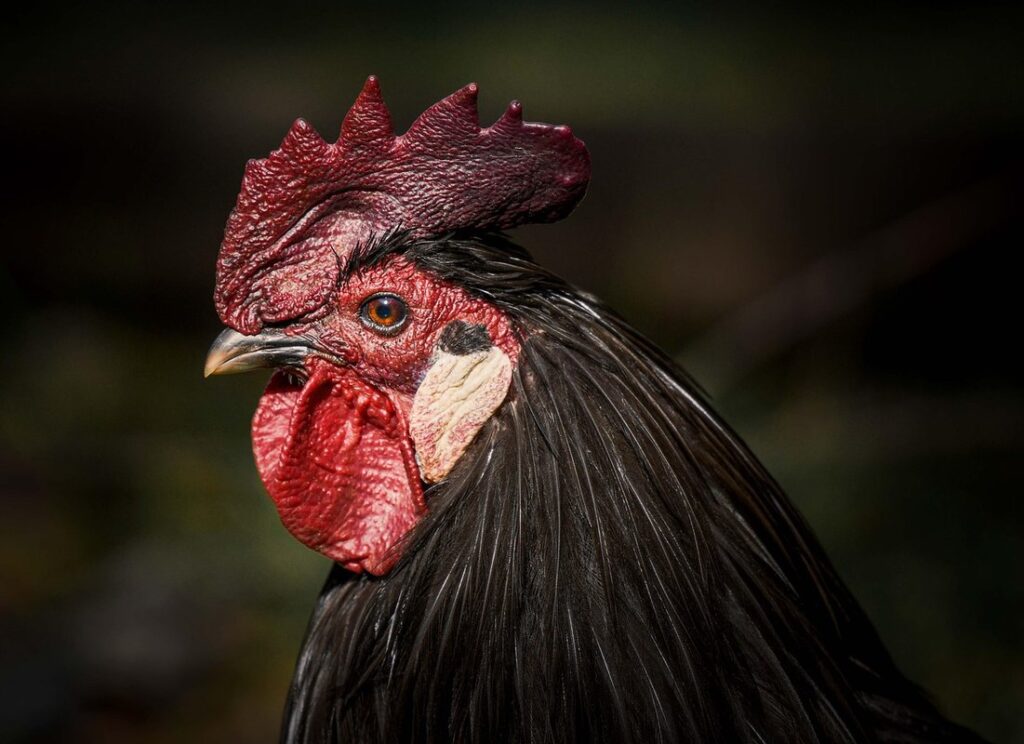
As early as the 1920s, Welsummer hens began to gain attention among poultry enthusiasts due to their unique characteristics. Breeders were drawn to their striking appearance, which includes a rich golden-brown plumage and distinctive beard-like feathers around the neck. This distinctive look only added to their allure among backyard chicken keepers seeking a visually appealing addition to their flock.
How They Spread Across the Globe
The Welsummer hen’s rise to global popularity was nothing short of remarkable. Introduced to new markets through selective breeding programs, these birds quickly gained a loyal following among backyard flock enthusiasts and commercial poultry farmers alike.
One notable achievement that contributed significantly to their widespread adoption was the introduction of their unique egg-laying abilities. Welsummers are prized for their ability to produce brown eggs with an unmistakable olive-green tint, making them a sought-after addition to many backyards. As word of this distinctive characteristic spread, so did the demand for these birds.
By the mid-20th century, Welsummer hens had made significant inroads into European and North American markets. Breeders began to cultivate specific strains tailored to regional climates and production needs, further expanding their appeal. The introduction of new breeding programs allowed enthusiasts to select from a range of traits, from improved egg-laying rates to more vibrant plumage.
To this day, the Welsummer remains one of the most sought-after heritage breeds among poultry enthusiasts, with a reputation built on its impressive egg-laying abilities and hardy constitution.
Physical Characteristics of Welsummers
Let’s take a closer look at what makes a Welsummer hen’s appearance so unique, from their distinctive egg-laying abilities to their rugged good looks. One of the first things you’ll notice about a Welsummer is…
Coat Patterns and Colors
When it comes to coat patterns and colors, Welsummers are truly a delight. These stunning hens boast a range of markings that not only add to their charm but also make them instantly recognizable as part of this unique breed.
You’ll find four main coat patterns in Welsummers: Mottled, Porcelain, Dark Partridge, and Light Partridge. The Mottled pattern is characterized by its distinctive swirling design, with a mix of white and brown feathers creating an intricate effect. Porcelain-patterned birds have a subtle mottling on their breast and belly, while the Dark Partridge has a rich, dark brown coat with lighter-colored wings. Meanwhile, Light Partridge hens boast a beautiful gradient from light to dark brown.
As for colors, Welsummers come in a range of shades, including white, black, buff, and blue. Some birds may also display roaning or ticking on their feathers, which adds an extra layer of visual interest. When selecting a Welsummer hen, consider the color pattern that suits your flock’s aesthetic – will you go for the striking contrast of dark partridge and light partridge hens together, or opt for the understated elegance of porcelain-patterned birds?
Body Size and Shape
When it comes to the physical characteristics of Welsummers, one of the most distinctive features is their body size and shape. On average, a mature Welsummer hen weighs around 6-7 pounds (2.7-3.2 kg), with some individuals reaching up to 8 pounds (3.6 kg) or more. They have a sturdy build, with a deep chest and well-sprung ribs, which gives them a compact and muscular appearance.
What makes Welsummers even more recognizable is their beautiful plumage, with a predominantly reddish-brown coloration on the neck, breast, and wings, gradually giving way to a lighter golden hue on the belly. Their feathers are tight and smooth, with a subtle sheen that catches the light. One of the key things to note when breeding or buying Welsummers is their distinctive “golden” gene, which can be either homozygous (double-golden) or heterozygous (single-golden). This genetic characteristic greatly affects the bird’s plumage and overall appearance.
In terms of practical advice, if you’re looking to bring a stunning Welsummer into your flock, make sure to choose birds with a good balance between size, muscle tone, and coloration. A well-proportioned body shape, combined with excellent feather quality and depth of color, is essential for showcasing the breed’s true beauty.
Feather Quality and Length
One of the most distinctive and desirable features of Welsummer hens is their stunning plumage. Their feathers are a standout characteristic that sets them apart from other breeds. When it comes to feather quality and length, Welsummers have an abundance of soft, fluffy under-feathers that provide excellent insulation against cold temperatures.
Their outer feathers are strong and water-resistant, with a subtle sheen that catches the light. The feather length is generally medium to long, with some birds having longer hackles and saddle feathers than others. This variation in feather length contributes to the breed’s overall charm and uniqueness.
When it comes to feather quality, Welsummers typically have minimal molting issues, making them a low-maintenance choice for backyard flock owners. Their feathers also hold their color well, with many birds retaining their vibrant black, dark brown, or reddish-brown hues throughout the year. Overall, the combination of soft under-feathers and strong outer feathers makes Welsummers an attractive choice for anyone looking to add some personality to their backyard flock.
Temperament and Personality
Welsummer hens are known for their unique characteristics, including a bold and friendly temperament that makes them a delight to own. Let’s dive into what makes these birds so special.
Introduction to the Breed’s Nature
Welsummer hens are renowned for their warm and affectionate nature. These birds have a unique ability to form strong bonds with humans, making them an excellent choice as backyard pets. Their friendly demeanor allows them to thrive in social environments, where they can interact with other chickens and even get along with smaller pets like cats and dogs.
One of the standout characteristics of Welsummer hens is their desire for human interaction. They love to be around people and will often seek attention by following you around the yard or perching on your lap while you’re working in the garden. This makes them an ideal breed for families with children, as they can provide a fun and educational experience for kids.
If you’re thinking of bringing a Welsummer hen into your flock, it’s essential to spend time with them regularly. Start by offering treats and gradually increase interaction time. With patience and consistency, your Welsummer hen will become a loyal companion and a cherished member of your family.
How They Adapt to Different Environments
Welsummers are renowned for their remarkable adaptability to different environments. Whether you live in a cold climate with harsh winters or a hot one with scorching summers, these hens will thrive in various living conditions. In extreme temperatures, they can tolerate heat up to 90°F (32°C) and cold as low as -20°F (-29°C), making them perfect for backyard flocks in diverse climates.
When it comes to living arrangements, Welsummers are equally adaptable. They excel in small spaces like urban backyards or spacious farms with lots of roaming area. These hens can even tolerate confinement in their coop during extreme weather conditions, reducing the risk of predation and stress.
Their calm temperament also allows them to get along with other breeds and personalities. When introducing new chickens to your flock, Welsummers’ gentle nature makes them a great choice as mediators or companions for more assertive birds. Whether you’re an experienced farmer or a beginner, Welsummers are sure to prove themselves valuable additions to any flock, regardless of living situation.
Their ability to adjust to different environments is largely due to their robust constitution and resourcefulness. They are efficient foragers, capable of finding food in both lush pastures and dry lands. By providing them with a balanced diet, adequate shelter, and proper care, you can rest assured that your Welsummers will adapt and thrive in any environment.
Interacting with Other Fowl Species
Welsummer hens are known to be quite social and enjoy the company of other birds. When it comes to interacting with other fowl species, they tend to get along well with chickens, ducks, and geese. In fact, many Welsummer owners have successfully integrated their hens into mixed-species flocks with great results.
One thing to keep in mind is that introducing a new bird to an existing flock can be challenging. To ensure a smooth transition, it’s essential to do it gradually. Start by keeping the birds separated and allowing them to become familiar with each other through visual contact before finally introducing them under close supervision.
Welsummer hens have been known to form close bonds with certain breeds, such as Brahma or Orpingtons, who share similar temperaments. However, they can also get along surprisingly well with more energetic birds like ducks and geese. With patience and proper introduction, even the most unlikely of pairs can become great friends.
It’s worth noting that turkeys are another story altogether. While some Welsummer owners have reported success in integrating their hens with turkeys, it’s not always a guarantee. Turkeys can be quite dominant and assertive, so close monitoring is crucial to avoid any conflicts.
Health Considerations for Welsummer Hens
When it comes to keeping your Welsummer hens healthy, there are several key factors to consider, including parasite control and nutritional requirements. Let’s take a closer look at these crucial health considerations.
Common Health Issues and Risks
Welsummer hens are generally a hardy and robust breed, but like all poultry, they can be susceptible to certain health issues. One common problem that affects Welsummers is reproductive disease. As they mature, females may develop oviduct infections, which can lead to infertility or even egg-related problems. Regular health checks and proper nutrition can help mitigate these risks.
Another issue that’s prevalent in the breed is prolapse, a condition where the reproductive organs protrude from the vent. This can be caused by overbreeding, poor management, or genetics. Preventing it requires a balanced diet, adequate exercise, and avoiding excessive breeding.
In addition to these issues, Welsummers may also inherit certain genetic conditions, such as feather pecking and cannibalism, due to their strong instinctual behaviors. To address this, it’s essential to provide them with plenty of space, enrichment activities, and a balanced environment that reduces stress levels.
By staying vigilant for these potential health concerns and taking proactive steps to prevent or manage them, you can help ensure your Welsummer hens lead long, healthy lives. Regular check-ups, proper care, and attention to their specific needs will go a long way in maintaining the well-being of this wonderful breed.
Genetic Factors Contributing to Illnesses
When it comes to Welsummer hens, understanding genetic factors can play a significant role in their overall health. As with all breeds, Welsummers are prone to certain genetic conditions that can affect their well-being. One of the most notable genetic predispositions in this breed is obesity.
Research suggests that about 40% of adult chickens are obese due to a combination of genetics and lifestyle factors. If left unchecked, obesity can lead to various health issues such as fatty liver disease, reproductive problems, and increased risk of certain cancers. Therefore, it’s essential for Welsummer owners to keep an eye on their hens’ weight.
Genetic testing can also help identify potential hereditary conditions such as Marek’s disease or coccidiosis. Regular health checks, a balanced diet, and providing adequate exercise can all contribute to maintaining your Welsummers’ overall health. Consider working with a veterinarian experienced in poultry care to develop a tailored health plan for your flock.
Tips for Preventing and Managing Illnesses
When it comes to keeping your Welsummer hens healthy and thriving, prevention is key. A well-planned feeding strategy can go a long way in preventing illnesses. Make sure to provide a balanced diet rich in nutrients, including fresh fruits and vegetables. It’s also essential to maintain clean living conditions, regularly cleaning the coop and runs to reduce the risk of disease.
Regular vaccinations are another crucial aspect of maintaining your flock’s health. Consult with a veterinarian or experienced breeder to determine the best vaccination schedule for your Welsummers. Monitor their health closely, keeping an eye out for signs of illness such as diarrhea, lethargy, or changes in appetite.
It’s also vital to monitor the health of individual birds and take action promptly if you notice any issues. Keep a record of each bird’s health and vaccination history to ensure timely follow-up care. By prioritizing prevention and staying vigilant, you can minimize the risk of illness and keep your Welsummer hens happy and healthy for years to come.
Some additional tips include ensuring access to clean water at all times and providing adequate space per bird in the coop and runs.
Breeding and Raising Welsummer Hens
When it comes to raising healthy and happy Welsummer hens, proper breeding and nurturing techniques are crucial. In this next part of our guide, we’ll walk you through the essentials for successfully breeding and raising your flock.
Principles of Responsible Breeding Practices
When breeding Welsummer hens, it’s essential to adhere to responsible breeding practices that preserve the breed’s integrity. This involves prioritizing genetic diversity and avoiding selective breeding for specific traits. Breeders should maintain detailed records of their birds’ ancestry, health, and performance to ensure that desirable characteristics are not lost over time.
Another crucial principle is selecting parents based on their overall quality rather than just their physical appearance. A balanced temperament, egg-laying ability, and robust health are equally important factors in determining the suitability of a bird for breeding. By focusing on these aspects, you can create a more resilient flock that will thrive even under challenging conditions.
To maintain genetic diversity, it’s recommended to introduce new bloodlines every 5-10 generations. This can be achieved by trading with other reputable breeders or participating in regional breeding programs. Regular health checks and testing for inherited diseases are also essential components of responsible breeding practices.
Factors to Consider When Choosing a Mate
When it comes to breeding and raising Welsummer hens, selecting a suitable mate is crucial for genetic diversity. This may seem daunting, but with the right approach, you can make informed decisions that benefit your flock.
Firstly, consider the breed standard of the Welsummer hen you’re working with. Look for a male or female that exhibits desirable traits such as egg-laying ability, temperament, and appearance. If possible, choose an individual from a renowned breeder who prioritizes genetics over external factors.
Another crucial factor is health. Selecting a healthy mate reduces the risk of introducing diseases into your flock. Regularly check for signs of illness or stress, and avoid selecting individuals with chronic issues.
To ensure genetic diversity, consider cross-breeding with other reputable breeders. This not only expands your gene pool but also increases the chances of producing robust offspring. Research local breed associations or online communities to connect with experienced breeders and learn from their experiences. By doing so, you’ll significantly enhance the quality and resilience of your flock.
Early Development Stages: Tips for New Owners
As a new Welsummer owner, you’re probably eager to start raising your chicks and watching them grow into healthy hens. The early development stages of your flock are crucial for their overall well-being and productivity. Let’s dive into the essential tips for providing top-notch nutrition, conducting regular health checks, and ensuring their care during this critical period.
For optimal growth, Welsummer chicks require a balanced diet that includes a starter feed specifically formulated for young chickens. This type of feed typically contains around 18-20% protein to support rapid development. Ensure the feed is free from mold and has not been exposed to moisture, which can cause spoilage. You should also provide fresh water at all times and make sure it’s easily accessible.
Regular health checks are vital during this period. Start monitoring your chicks’ behavior and physical condition as early as one week after hatching. Look for signs of illness such as lethargy, loss of appetite, or changes in droppings. Keep an eye out for any abnormalities, like missing feathers, unusual growth patterns, or respiratory issues.
To further support their development, ensure a clean and safe environment by regularly cleaning the coop and removing soiled bedding material. Provide adequate ventilation to prevent ammonia buildup from droppings. A dust bath area will also help your chicks maintain a healthy skin and mite-free coat.
When it comes to temperature control, Welsummer chicks require a well-insulated brooder with temperatures around 90-95°F (32-35°C) for the first week. Gradually lower the temperature by 5°F every few days as they grow. This will help them adapt to outdoor conditions once they’re big enough to move out of the brooder.
In addition to these specific needs, make sure you spend quality time with your chicks to monitor their behavior and observe any changes. With proper care and attention, your Welsummer hens will thrive and become a valuable part of your backyard flock.
Conclusion and Final Thoughts
Now that you’ve learned more about Welsummer hens, it’s time to summarize key takeaways and reflect on what makes these birds so special. Let’s wrap up our exploration together!
Reflecting on the Breed’s Merits
As we conclude our journey into the world of Welsummer hens, it’s clear why these birds have captured the hearts of so many chicken enthusiasts. Their unique characteristics and traits make them an ideal choice for backyard flocks.
One reason for their popularity is their exceptional egg-laying abilities. With an average of 180-200 brown eggs per year, Welsummers are a reliable source of fresh produce for any household. Their eggs are not only bountiful but also known for their rich, dark color and firm texture – making them perfect for baking and cooking.
Another factor contributing to their appeal is their gentle nature. Welsummers are friendly, social birds that thrive in the company of humans and other chickens alike. They’re relatively easy to handle and can even be encouraged to follow you around the yard with a little patience and practice.
For those just starting out or looking to expand their flock, Welsummers make an excellent choice due to their hardiness and adaptability. With proper care and attention, these birds will reward you with years of loyal companionship and a steady supply of fresh eggs – making them well worth the initial investment.
Encouragement to Try Raising a Welsummer Hen
If you’re still on the fence about raising a Welsummer hen, I want to encourage you to take the leap! These charming birds have won over many hearts with their unique characteristics and endearing personalities. With proper care and attention, they can thrive as part of your backyard flock.
Welsummers are relatively small in size, making them an ideal choice for smaller backyards or urban areas. They’re also known for their exceptional egg-laying abilities, producing rich-brown eggs that are not only beautiful but also delicious to eat. One thing to keep in mind is that Welsummers can be quite vocal, so if you live in a residential area, this might be something to consider.
To ensure your Welsummer hen integrates smoothly into your flock, it’s essential to introduce her gradually and under close supervision. Start by placing their enclosures near each other, allowing them to get used to the new face. Once they seem comfortable, allow them to interact in a controlled environment. With patience and proper introduction, you’ll find that your Welsummers become loyal companions and valuable additions to your flock.
Frequently Asked Questions
Can Welsummer hens adapt to cold climates, or do they require warmer conditions?
Welsummer hens are considered hardy birds but may not tolerate extreme cold temperatures well. They prefer a temperate climate with moderate winters and summers. If you live in an area with harsh winters, it’s essential to provide them with proper shelter, insulation, and warmth. A coop with adequate ventilation and protection from wind can help ensure their comfort and safety.
How long do Welsummer hens take to start laying eggs?
Welsummers are known for their slow maturation rate, typically taking around 28-30 weeks to reach full egg-laying potential. This means they may not begin producing eggs until they’re about 8-10 months old. Be patient and provide them with a balanced diet, adequate space, and proper care during this time.
Can Welsummer hens be kept in small backyard flocks or are they better suited for larger farms?
Welsummers can thrive in both small backyard flocks and larger farm settings, provided they have enough space to roam and exercise. However, their high energy levels and strong personalities may make them more challenging to integrate into smaller flocks. Start with a single bird and observe its behavior before introducing others.
Are Welsummer hens prone to any specific health issues that require special care?
Welsummers are generally a healthy breed but can be susceptible to certain health issues, such as Marek’s disease and ascites. Maintaining good hygiene practices, providing a balanced diet, and ensuring access to clean water can help prevent these conditions. Regular veterinary check-ups can also aid in early detection and treatment.
Can I mix Welsummer hens with other breeds, or do they have specific requirements for co-mingling?
Welsummers are known for their friendly and outgoing nature, making them an excellent choice for mixed flocks. However, introducing new birds to a flock requires careful planning and gradual integration to prevent stress and conflict. Start by introducing similar-aged birds from the same breed group and monitor their behavior before adding more diverse breeds.