
When you step into your local grocery store or restaurant, you’re likely to see a wide variety of meat options on the menu. But have you ever stopped to think about what poultry meats really are? From chicken and turkey to duck and geese, poultry products make up a significant portion of our diets. Not only do they offer versatility in cooking, but also provide essential nutrients like protein, iron, and B vitamins. However, the production processes and safety considerations surrounding poultry industry practices can be concerning for many consumers.
This article aims to demystify the world of poultry meats by delving into types, nutritional benefits, production methods, and safety concerns. By understanding these aspects, you’ll gain a deeper appreciation for the impact of your food choices on both your health and the environment. Join us as we explore the ins and outs of the poultry industry and what it means for you.
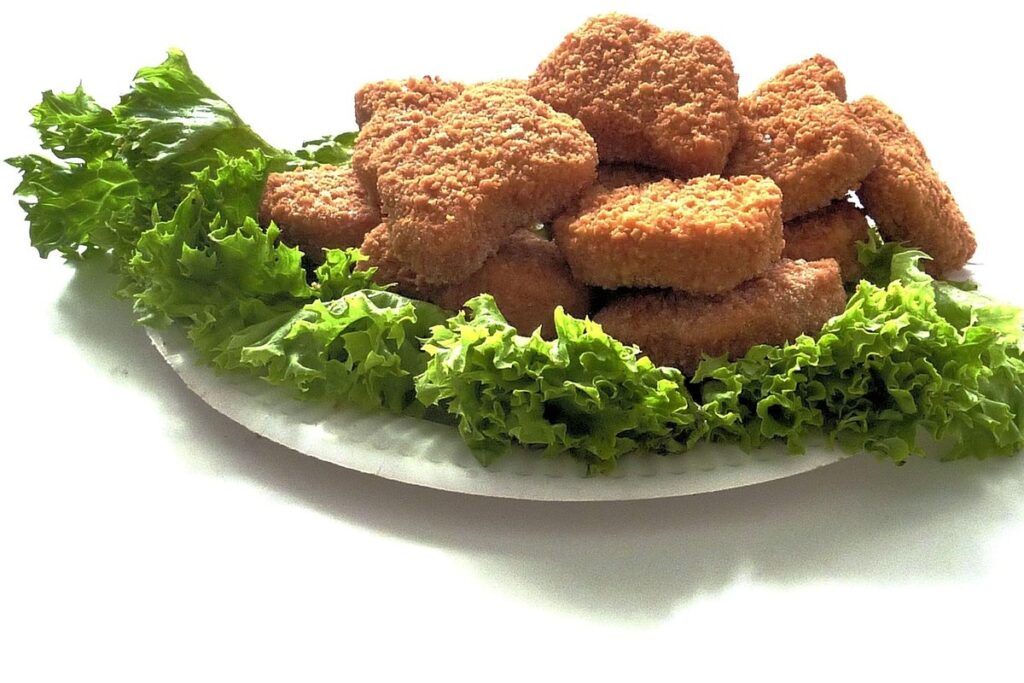
Definition and Types of Poultry Meats
Let’s dive into what exactly poultry meats are, including the different types you’ll commonly find on menus and in grocery stores. This section will cover various classifications and examples.
Overview of Poultry Industry
The poultry industry is one of the largest and fastest-growing sectors in the animal agriculture market. Globally, it produces over 1 billion metric tons of meat per year, with a significant proportion coming from countries like China, Brazil, and the United States. In terms of consumption, the global poultry market is projected to reach $360 billion by 2025, driven mainly by increasing demand for protein-rich foods in emerging economies.
The diversity of poultry meats is another key aspect of this industry. While chicken remains the most consumed type of poultry meat worldwide, other types like turkey, duck, goose, and quail are also gaining popularity, particularly among health-conscious consumers. For instance, organic and free-range chicken products have seen significant growth in recent years due to their perceived health benefits and environmental sustainability.
Understanding the different types of poultry meats is essential for both producers and consumers. This knowledge can help farmers optimize their production strategies, while consumers can make informed choices about the types of poultry meat they purchase based on their nutritional needs and personal preferences.
Major Categories of Poultry Meats
Poultry meats come from birds raised specifically for their meat, eggs, or both. The major categories of poultry meats can be broken down into three main groups: broilers, breeders, and game birds.
Broilers are chickens raised exclusively for their meat, which is harvested when they reach a certain weight or age. These birds are bred to have fast growth rates, leaner meat, and improved feed efficiency. The most common type of broiler chicken is the Cornish Cross, accounting for over 90% of the global market.
Breeders, on the other hand, are chickens raised primarily for their egg-laying abilities or dual-purpose (meat and eggs). These birds are often slower-growing than broilers and have more desirable characteristics such as strong egg production, good fertility, and hardiness. Breeders are also used to produce meat, particularly in smaller-scale farming operations.
Game birds, including wild turkeys, quail, pheasants, and ducks, are raised for their meat and are often considered a delicacy. These birds are typically harvested at a later stage of life than broilers or breeders, resulting in more mature and complex flavors.
Nutritional Benefits of Poultry Meats
When it comes to poultry meats, you’re probably wondering what’s so great about them. Let’s dive into the nutritional benefits that make them a popular choice for health-conscious eaters.
Protein Content and Quality
Poultry meats are an excellent source of protein, making them a staple in many cuisines around the world. In fact, according to the United States Department of Agriculture (USDA), chicken and turkey contain about 20-30 grams of protein per 3-ounce serving. This high protein content makes poultry meats an ideal choice for those looking to build muscle or maintain lean body mass.
But it’s not just the quantity of protein that matters – the quality is also crucial. Poultry products are rich in essential amino acids, which are the building blocks of protein. These include leucine, isoleucine, and valine, which are vital for muscle growth and repair. Chicken, in particular, contains all nine essential amino acids, making it a complete protein source.
When choosing poultry meats, look for products that are high in protein and low in fat. Opt for lean cuts like breast or tenderloin over thighs or legs. You can also experiment with different cooking methods, such as grilling or baking, to retain the nutritional value of your protein-rich poultry meat.
Fat Content and Saturated Fatty Acids
Poultry meats are often associated with being lean protein sources, but the truth is that their fat content can vary greatly depending on factors like breed, diet, and cooking methods. When it comes to saturated fatty acid levels, poultry meats are generally considered a healthier option compared to red meat.
However, some cuts of poultry can be higher in fat than others. For instance, duck and goose have significantly more fat than chicken or turkey due to their unique metabolisms and diets. Chicken thighs, for example, typically contain around 10-15% fat, while breast meat is much leaner at around 3-4%. Even within a single cut of poultry, there can be varying levels of fat depending on how it’s cooked.
To put this into perspective, a 3-ounce serving of roasted chicken breast contains approximately 1.2 grams of saturated fat. In contrast, a similar serving of roasted duck breast contains around 8.5 grams of saturated fat. When consuming poultry meats, being mindful of portion sizes and cooking methods can help manage overall fat intake.
Production Process and Farming Methods
So, how are these delicious poultry meats actually produced? In this next part of our guide, we’ll take a closer look at farming methods and production processes.
Breeding and Rearing Practices
When it comes to poultry farming, breeding and rearing practices play a crucial role in determining the quality and characteristics of the final product. Poultry farmers use various methods to breed and rear chickens, turkeys, ducks, and other bird species for meat production.
The first step is selecting high-quality parent stock that exhibits desirable traits such as fast growth rate, good feed conversion efficiency, and disease resistance. Farmers often choose breeds specifically developed for their region’s climate and market demands. For instance, in the US, farmers may opt for Ross 308 or Cobb 500 broiler chickens due to their adaptability and high yield.
Once selected, these birds are placed under controlled feeding and housing conditions that meet their nutritional needs and promote optimal growth. Farmers typically provide a balanced feed mix containing essential proteins, vitamins, and minerals, as well as access to clean water and adequate ventilation in the coop. This attention to detail enables farmers to control factors like disease transmission and reduce stress on the birds.
The combination of good genetics and proper care leads to healthier, more efficient birds that are better equipped for meat production.
Health and Hygiene Standards
Ensuring that poultry farms adhere to strict health and hygiene standards is crucial for maintaining food safety and preventing disease outbreaks. This includes regular cleaning and disinfection of facilities, equipment, and vehicles, as well as proper waste management practices.
Poultry farms must implement biosecurity measures such as restricting access to the farm, providing personal protective equipment (PPE) for employees, and monitoring for signs of disease in birds. This helps prevent the introduction and spread of pathogens.
Key areas of focus include:
* Proper handling and storage of feed and water
* Regular cleaning and disinfection schedules
* Implementation of all-in/all-out production systems to minimize bird-to-bird contact
* Vaccination programs and regular veterinary check-ups
Farms must also maintain accurate records of cleaning and disinfection procedures, as well as any animal health issues. This allows for prompt identification and response to potential problems.
By adhering to these standards, poultry farms can ensure the safe production of meat and prevent disease outbreaks that could impact both human health and the economic viability of the farm.
Environmental Impact of Poultry Farming
As we delve into the world of poultry meats, it’s essential to consider their impact on our planet. Let’s explore how large-scale poultry farming affects the environment.
Resource Consumption and Waste Management
Poultry farming is one of the most resource-intensive animal agriculture industries globally. When it comes to poultry meats, the environmental impact extends beyond just land use and biodiversity loss. Resource consumption and waste management are critical concerns that require attention.
Water usage is a significant aspect of poultry farming, accounting for around 1% of global freshwater resources. To put this into perspective, a single chicken needs about 2-3 gallons of water per day to drink, bathe, and clean its enclosure. Feed production also has an environmental impact, as it requires large amounts of land, water, and energy.
Waste management is another significant issue in poultry farming. Manure and other waste products can pollute waterways if not handled properly. In fact, according to the US Environmental Protection Agency (EPA), manure from chicken farms alone contributes significantly to nutrient pollution in surface waters. To mitigate this, farmers can implement best management practices such as composting, anaerobic digestion, or incorporating manure into crop fields.
Some practical steps that consumers and producers alike can take include choosing poultry farms that prioritize sustainability, supporting local and organic farming initiatives, and implementing efficient water and feed usage practices on their own farms.
Pollution and Climate Change Concerns
Poultry farming is often associated with pollution and climate change concerns. One of the primary sources of water pollution comes from manure runoff, which can contain high levels of nitrogen and phosphorus. These nutrients can then enter nearby waterways, causing eutrophication – a process where excess nutrients stimulate an overgrowth of algae, depleting oxygen in the water and harming aquatic life.
Air pollution is another significant concern. Poultry farms are often large operations with thousands of birds, generating massive amounts of ammonia-rich waste that can spread into nearby communities. Exposure to these pollutants has been linked to respiratory issues, including asthma and chronic obstructive pulmonary disease (COPD).
From a climate change perspective, the production of poultry meat is estimated to account for around 14.5% of global greenhouse gas emissions. This is largely due to the methane produced by birds during digestion, as well as the energy required for transportation and processing.
When choosing poultry products, consumers can make more environmentally friendly choices by opting for locally sourced, organic options that prioritize animal welfare and sustainable practices.
Safety Considerations in Poultry Meat Consumption
When it comes to enjoying poultry meats, there are some essential safety considerations to keep in mind to ensure your meal is both delicious and safe. This section highlights key risks to watch out for.
Foodborne Illnesses and Pathogens
When it comes to consuming poultry meats, there’s more at stake than just taste and nutrition. One of the most pressing concerns is foodborne illnesses caused by pathogens like Salmonella and Campylobacter. According to the Centers for Disease Control and Prevention (CDC), these two bacteria are responsible for over 1 million cases of food poisoning in the United States each year.
Salmonella, in particular, can cause severe symptoms such as diarrhea, abdominal cramps, and fever. If left untreated, it can lead to life-threatening complications like sepsis or meningitis. Campylobacter, on the other hand, is commonly linked to bloody diarrhea and stomach cramps. Proper handling, storage, and cooking of poultry meats can significantly reduce the risk of exposure.
To minimize your chances of getting sick from Salmonella and Campylobacter, follow these best practices: always wash your hands thoroughly after handling raw poultry, cook poultry to an internal temperature of at least 165°F (74°C), and store leftovers in sealed containers. By taking these simple steps, you can enjoy the benefits of poultry meats while minimizing the risks associated with them.
Handling and Cooking Practices
Proper handling and cooking practices are crucial to minimize the risk of foodborne illness when consuming poultry meats. When handling raw poultry, it’s essential to prevent cross-contamination by washing your hands thoroughly with soap and warm water for at least 20 seconds before and after handling the meat. Additionally, make sure to sanitize any surfaces that come into contact with the poultry using a solution of one tablespoon of unscented chlorine bleach in one gallon of water.
When cooking poultry, it’s vital to achieve an internal temperature of at least 165°F (74°C) to ensure food safety. Use a food thermometer to check the internal temperature, especially when cooking whole birds or large pieces like breasts or thighs. To avoid overcooking the exterior before the interior reaches a safe temperature, consider brining or marinating poultry before cooking.
Remember, raw poultry can be contaminated with Salmonella and Campylobacter bacteria, which are often destroyed by proper cooking methods. Always let cooked poultry rest for a few minutes before serving to allow juices to redistribute, making it safer to consume.
Regulations and Certifications in Poultry Industry
When it comes to producing, processing, and distributing poultry meats, regulations and certifications play a crucial role in ensuring consumer safety and quality. Let’s dive into the specifics of these guidelines that govern our food supply.
Global Regulations and Standards
When it comes to poultry meats, understanding global regulations and standards is crucial for producers, processors, and consumers alike. Labeling requirements vary significantly across countries, but generally fall under guidelines set by international organizations such as the Codex Alimentarius Commission (CAC). For instance, in the United States, the labeling of poultry products must comply with the Federal Meat Inspection Act (FMIA), which dictates that labels accurately reflect product content and handling procedures.
Another critical aspect is antibiotic use policies. Many countries have implemented strict regulations on the use of antibiotics in poultry production to combat antimicrobial resistance. The European Union’s (EU) policy, for example, restricts the use of certain antibiotics due to concerns over their impact on human health. In contrast, some countries like China permit broader usage, which has led to questions about its effects on public health.
To navigate these regulations effectively, poultry producers and processors must stay informed about local laws, adhering to international standards while respecting national requirements. This often involves implementing robust quality control measures and maintaining accurate records of antibiotic use and labeling practices. By doing so, they can ensure compliance with global regulations and maintain consumer trust in the safety and authenticity of their products.
Organic and Free-Range Certifications
When it comes to poultry products, you may have noticed labels like “organic” and “free-range.” These certifications are designed to ensure that birds are raised in humane conditions, but what do they really mean?
Organic certification ensures that birds are raised without antibiotics or hormones. They’re also required to be fed organic feed, which is free from pesticides and synthetic fertilizers. This approach may seem more natural, but it’s worth noting that the cost of organic production is higher due to stricter regulations.
Free-range certification, on the other hand, requires birds to have access to the outdoors at some point during their lives. However, this doesn’t necessarily mean they’re roaming freely outside. Some farms may provide a small door or window for access, but it’s still not the same as truly being outdoors.
When choosing poultry products, consider what matters most to you: humane treatment, antibiotic-free living, or simply affordability. Look for certifications like “American Certified Organic” or “Certified Humane,” which can give you an idea of a farm’s standards and practices. Keep in mind that these labels are not created equal – do your research to ensure the label aligns with your values.
Conclusion: The Importance of Poultry Meats in Modern Diets
In conclusion, poultry meats have become an integral part of modern diets. As our world becomes increasingly interconnected, the demand for protein-rich foods like chicken and turkey continues to rise. These lean meats offer a versatile and affordable way to incorporate essential nutrients into your daily meals. Consider adding grilled chicken breast or roasted turkey thighs to your weekly dinner rotation.
By making poultry meats a staple in your diet, you can reap numerous health benefits, such as lower cholesterol levels and improved heart health. Additionally, choosing organic or free-range options can provide additional nutritional value and support more sustainable farming practices.
Frequently Asked Questions
How can I make informed choices when purchasing poultry products?
When buying poultry, look for certifications like “organic” or “free-range,” which can indicate better living conditions for the birds. You can also check the ingredient list for added preservatives or antibiotics. Consider choosing smaller, local farms or producers to support more sustainable practices.
What are some common health concerns associated with consuming poultry meats?
Some potential health risks linked to poultry consumption include foodborne illnesses from pathogens like Salmonella and Campylobacter. It’s essential to handle and cook poultry properly to minimize the risk of contamination. Additionally, certain production methods and additives can contribute to higher levels of saturated fats and cholesterol.
How do I know if a specific type of poultry meat is safe to eat?
When in doubt, consult with a healthcare professional or registered dietitian for personalized advice. In general, choose poultry products from reputable sources that follow proper handling, storage, and cooking procedures. Be aware of any recalls or safety alerts issued by regulatory agencies.
Can I still enjoy poultry meats while being mindful of environmental concerns?
Many farms and producers are adopting more sustainable practices to reduce their ecological footprint. Look for companies that prioritize waste reduction, water conservation, and renewable energy use. You can also consider plant-based alternatives or opt for smaller portions of poultry in your diet.
What’s the best way to store and handle raw poultry to prevent contamination?
Always store raw poultry at the bottom shelf of the refrigerator to prevent juices from dripping onto other foods. Wash your hands thoroughly before and after handling raw poultry, and make sure to cook it to a safe internal temperature (165°F/74°C) to kill bacteria like Salmonella and Campylobacter.