
When it comes to raising adorable baby ducks, there’s one crucial aspect that often gets overlooked: nutrition. What your little ducklings eat has a direct impact on their growth, health, and overall well-being. From commercial pellets to fresh fruits and veggies, you want to make sure you’re giving them the right food for optimal development. But what exactly do baby ducks eat? And how can you tailor their diet to meet their specific needs?
In this comprehensive guide, we’ll explore all things nutrition-related when it comes to your feathered friends. We’ll delve into the best commercial pellets on the market, the benefits of supplementing with fresh produce, and provide expert tips on introducing new foods to prevent digestive issues. Whether you’re a seasoned duck parent or just starting out, this article will give you the inside scoop on what to feed your baby ducks for a happy and healthy flock.
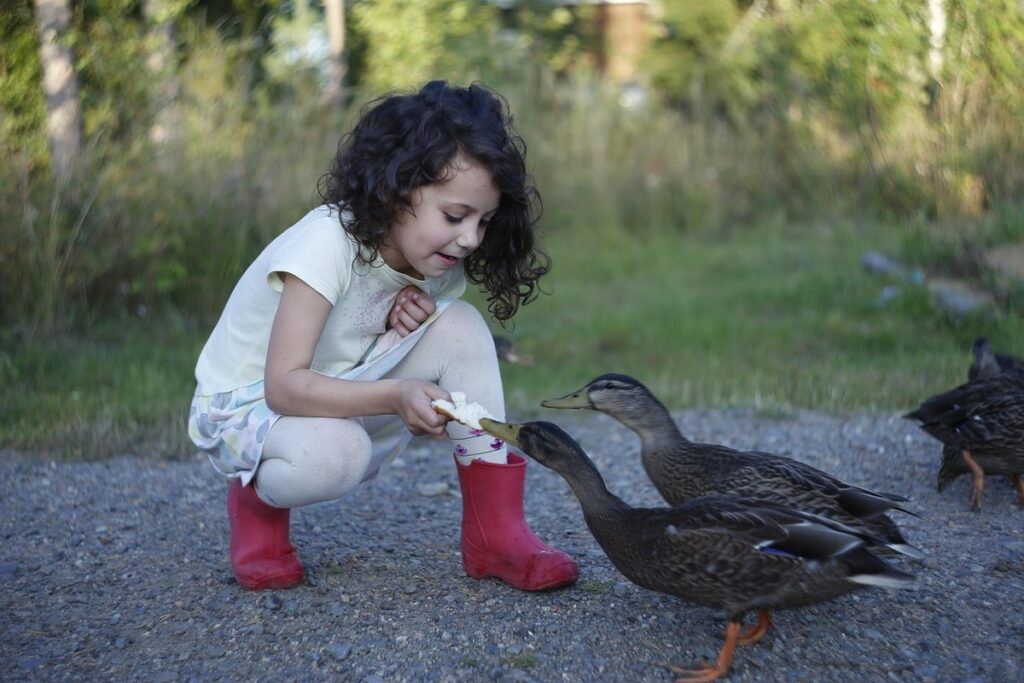
The Importance of Nutrition in Ducklings
Providing baby ducks with a balanced diet is crucial for their growth and development, so let’s explore what they should be eating. A well-planned nutrition plan can make all the difference in your duckling’s health.
Types of Food Suitable for Baby Ducks
As a responsible duck owner, it’s essential to provide your baby ducks with a balanced diet that meets their nutritional needs. Commercial duck pellets are an excellent choice for young ducklings as they contain the right mix of proteins, carbohydrates, and fats. However, you can also supplement their diet with other nutrient-rich foods.
Fresh fruits like berries, melons, and citrus fruits are great treats for baby ducks. But remember to remove seeds, pits, and stems, which can be toxic to them. Vegetables such as leafy greens, carrots, and sweet potatoes are also nutritious additions to their diet. However, introduce new foods gradually to prevent digestive issues.
Bread, while often fed to ducklings, is not a nutritionally balanced food and should only be given in moderation. Some owners mistakenly think that bread is a suitable replacement for pellets, but this can lead to malnutrition and health problems. Stick to a well-balanced commercial feed as the main staple, with fresh fruits and vegetables making up 10-20% of their diet.
Foods to Avoid Feeding Baby Ducks
When it comes to feeding baby ducks, it’s essential to know what not to feed them. Some foods may seem harmless but can be detrimental to their health. Raw meat, for example, is a no-go. Baby ducks don’t have the digestive system to handle raw meat, and eating it can lead to food poisoning. In fact, according to the USDA, raw or undercooked poultry can contain Salmonella bacteria, which can cause serious illness in baby ducks.
Dairy products are another area to avoid. Baby ducks do not need milk or cheese as part of their diet. In fact, consuming dairy can lead to an imbalance of nutrients and potentially cause digestive issues. Processed snacks are also a definite no-no. These treats often contain artificial preservatives, flavors, and colors that are not suitable for baby ducks.
If you’re wondering what happened to the leftovers from last night’s dinner or a batch of spoiled milk, don’t feed it to your baby ducks. These items may seem like an easy option, but they can cause serious harm to your feathered friends. Stick to a balanced diet specifically formulated for baby ducks, and always check with a veterinarian if you’re unsure about what foods are safe.
Duckling Stomach Anatomy and Digestion
To understand how baby ducks thrive, let’s take a closer look at their digestive system and how they absorb nutrients from their food. Their stomach anatomy plays a crucial role in this process.
The Unique Characteristics of a Duck’s Gizzard
A duck’s gizzard is a small, muscular organ located between the esophagus and the small intestine. It plays a crucial role in breaking down food particles in the digestive system, especially when it comes to grinding up seeds, grains, and other tough plant material that baby ducks need to thrive. The gizzard acts like a built-in millstone, using grit and pebbles to grind down food into smaller pieces that can be easily digested.
As baby ducks develop, their gizzards become increasingly important in helping them process their diet. In the wild, mother ducks teach their ducklings how to forage for food and use their gizzards effectively by regurgitating partially digested food, which the ducklings then eat. Domesticated breeders can replicate this process by providing a balanced diet that includes grit and oyster shells to help the young birds’ gizzards develop properly.
When feeding baby ducks, it’s essential to provide them with a mix of nutrient-rich foods that will stimulate their gizzard development. This might include adding small amounts of crushed eggshells or commercial duck grit to their feed. By doing so, you’ll be supporting their digestive health and setting them up for a lifetime of healthy eating habits.
How Baby Ducks Process Their Food
When it comes to processing their food, baby ducks have a unique digestive system that’s specially designed for their nutritional needs. As they start pecking at the ground and eating their first solid foods, they begin to develop a complex process of breaking down nutrients.
Their digestive journey starts in the beak, where enzymes like amylase and lipase break down carbohydrates and fats into smaller molecules. These enzymes are essential for initiating digestion, but they’re not enough on their own. That’s where gut bacteria come in – tiny microorganisms that live inside the duckling’s stomach and small intestine.
These beneficial microbes help to ferment and extract nutrients from the food, producing vitamins and other compounds that support growth and development. In fact, research has shown that ducklings with a healthy balance of gut bacteria tend to grow faster and have better overall health than those without it. To encourage this balance, you can offer your baby ducks a diverse diet rich in fiber, which helps feed the good bacteria in their tummies. This is especially important for ducklings under 4 weeks old, as they’re most vulnerable to nutritional deficiencies during this period.
Providing Nutrient-Rich Foods for Ducklings
When it comes to feeding your ducklings, providing nutrient-rich foods is essential for their growth and development. In this section, we’ll explore some great options to keep them healthy and happy.
Homemade Diets for Baby Ducks
Creating a homemade diet for baby ducks requires careful planning and attention to their nutritional needs. A balanced diet should include a mix of protein-rich foods, whole grains, and vegetables. Start by mixing 1 part oats with 2 parts water to create a gruel-like consistency. You can also add cooked rice, cornmeal, or wheat germ to the mixture.
For protein sources, you can offer chopped hard-boiled eggs, cooked chicken, or even mealworms. Leafy greens like kale and spinach are rich in iron and other essential minerals. Add sliced carrots, zucchini, or sweet potatoes for added fiber and vitamins.
To make it more engaging for ducklings, you can also try making “duck feed cakes” by mixing together equal parts of oats, cornmeal, and mealworms. Wet the mixture with water to create a crumbly consistency that’s easy for them to peck at. Remember to always provide fresh water alongside their meals.
As ducklings grow, you can gradually introduce more solid foods like chopped fruits and vegetables. However, ensure they have access to a balanced commercial duck starter feed as well.
Supplementing Commercial Feed with Fresh Produce
Adding fresh fruits and vegetables to commercial duck feed is a great way to provide baby ducks with essential nutrients. This supplementation can help ensure they get all the vitamins and minerals they need for optimal growth and development.
When selecting produce, choose items that are safe for ducklings to eat and won’t cause digestive issues. Leafy greens like kale, spinach, and lettuce are excellent choices, as well as fruits like berries, melons, and apples. Avoid giving them citrus fruits, onions, garlic, or beans, which can be toxic.
Start by adding small amounts of fresh produce to their commercial feed, about 10-20% of their total diet. You can mix chopped fruits and veggies directly into their feed or offer them as a treat on the side. Some popular combinations include adding shredded carrots to their kibble or serving diced apples alongside their meal.
Remember to introduce new foods gradually to prevent digestive upset. Also, be sure to provide fresh water at all times to keep your ducklings hydrated. With a balanced and varied diet, you’ll be well on your way to raising happy, healthy baby ducks.
Health Issues Related to Poor Nutrition in Ducklings
If you’re not feeding your ducklings a well-balanced diet, they may develop health issues such as stunted growth and weakened immune systems. This is often due to nutritional deficiencies in their food.
Common Maladies Linked to Nutritional Deficiencies
When it comes to raising healthy baby ducks, nutrition plays a crucial role. A diet lacking essential nutrients can lead to a host of health problems that not only affect the duckling’s growth and development but also increase their susceptibility to diseases.
Stunted growth is one common issue linked to poor nutrition in ducklings. Without adequate protein, calcium, and other vital nutrients, ducklings may grow at an abnormally slow rate or even stop growing altogether. Weakened immune systems are another concern, making them more vulnerable to infections and illnesses that can be life-threatening.
Increased susceptibility to diseases such as Newcastle disease, avian influenza, and botulism is also a significant risk when ducklings don’t receive the necessary nutrients. For example, a lack of vitamin E has been linked to increased mortality rates in ducklings due to its role in protecting against oxidative stress and supporting immune function.
To prevent these issues, it’s essential to provide your baby ducks with a balanced diet that includes a mix of grains, proteins, and essential vitamins and minerals. Regular monitoring of their health and adjusting their feed accordingly can also help identify any potential nutritional deficiencies early on.
Long-Term Consequences of Inadequate Nutrition
When it comes to baby ducks, proper nutrition is crucial for their growth and development. Inadequate nutrition can have far-reaching consequences that extend beyond the duckling’s early stages of life. A diet lacking essential nutrients can lead to stunted growth, weakened immune systems, and increased susceptibility to diseases.
As a result, ducklings may experience long-term health issues such as digestive problems, respiratory infections, and even organ damage. In extreme cases, inadequate nutrition can shorten a duck’s lifespan or affect its reproductive capabilities. For instance, research has shown that malnourished ducks are more likely to develop liver disease, which can be fatal if left untreated.
To avoid these long-term consequences, it is essential to provide baby ducks with a balanced and nutritious diet from an early age. This includes a mix of high-quality commercial starter feed, fresh vegetables, and clean water. Feed your ducklings at least 20% protein-rich food for the first few weeks of their life to support rapid growth and development.
By prioritizing proper nutrition, you can ensure your baby ducks grow into healthy and thriving adult ducks that live long and happy lives.
Raising Ducklings: Tips for Ensuring Proper Nutrition
Providing your ducklings with a balanced diet is crucial to their growth and development, so let’s dive into the specifics of what they need.
Creating a Suitable Environment for Baby Ducks
When it comes to raising ducklings, providing a suitable environment is just as crucial as offering them a balanced diet. A safe and healthy space will help them grow strong and develop good habits. To create an ideal environment for baby ducks, start by setting up a secure enclosure with adequate shelter.
Choose a spot that’s protected from harsh weather conditions, predators, and flying debris. You can use a wooden or plastic coop with a waterproof roof to keep your ducklings dry and safe. Ensure the enclosure is well-ventilated to prevent ammonia buildup from their droppings.
Provide ample space for the ducklings to roam around, at least 2-3 square feet per bird inside the coop and about 10-15 square feet in an outdoor run. This will give them room to exercise and engage in natural behaviors like swimming and foraging.
It’s also essential to provide a shallow pool of water for the ducklings to bathe in. A depth of around 2-3 inches is suitable, as it allows them to easily get in and out without drowning. By following these tips, you’ll create an environment that fosters healthy growth and development for your baby ducks.
Monitoring and Adjusting Diets as Needed
As you monitor the health and behavior of your ducklings, it’s essential to adjust their diets accordingly. A healthy duckling should have a shiny coat, bright eyes, and a robust appetite. If you notice any changes in these characteristics, take action immediately.
For example, if your ducklings are not gaining weight or appear lethargic, it may be due to an imbalance of nutrients in their diet. You can try adding more protein-rich foods like mealworms, crickets, or hard-boiled eggs to their feed. On the other hand, if they’re experiencing digestive issues or diarrhea, you may need to reduce the amount of dairy products or switch to a higher-fiber food source.
Keep an eye out for signs of overfeeding, such as droppings that are too dark in color or excessive waste production. Conversely, if their droppings are pale and dry, it could be a sign that they’re not getting enough nutrients. Monitor the ducklings’ water intake daily to ensure they have access to fresh, clean water at all times.
Regularly inspect the ducklings for any signs of illness or disease, such as labored breathing, discharge from their eyes or nostrils, or changes in appetite or behavior. Adjusting their diet as needed will help prevent health issues and ensure your ducklings grow strong and healthy.
Conclusion: Nurturing Healthy Baby Ducks through Proper Nutrition
Now that you’ve learned what baby ducks eat, it’s time to put this knowledge into practice. Remember, proper nutrition is essential for healthy growth and development in young ducklings. Ensure their diet consists of a balanced mix of starter feed, fresh water, and adequate calcium supplements. Just like human babies, ducklings need consistent feeding schedules and monitoring to prevent malnutrition or related health issues.
To maintain optimal health, provide clean, sheltered environments with adequate space for exercise and exploration. Keep an eye on your baby ducks’ appetite and adjust their diet accordingly. As they grow, gradually introduce more complex foods, such as fruits and vegetables. This approach will help you raise confident, robust ducklings with a strong immune system and healthy habits. By following these guidelines, you’ll be well on your way to nurturing happy, thriving baby ducks.
Frequently Asked Questions
Can I mix and match different types of food for my baby ducks, or do they require a single consistent diet?
It’s generally recommended to stick with one primary feed source, such as commercial pellets, for consistency and ease of management. However, you can supplement their diet with fresh produce in moderation (about 10-15% of their total intake) to provide variety and essential nutrients.
How often should I introduce new foods to my baby ducks’ diet to prevent digestive issues?
Gradually introducing new foods over a period of 7-10 days is recommended. Start by offering small amounts (about 1/4 teaspoon per duckling) and monitor their stool quality, appetite, and overall health for any adverse reactions.
What are some common nutrient deficiencies I should watch out for in my baby ducks?
Nutrient deficiencies can lead to a range of issues, including stunted growth, weakness, and increased susceptibility to disease. Be aware of potential deficiencies in vitamins A, D, E, K, and B12; as well as minerals like calcium, phosphorus, and potassium.
Can I raise baby ducks without commercial pellets if I’m using homemade diets?
While it’s possible to create a balanced diet without commercial pellets, it can be challenging to ensure your ducklings receive all the necessary nutrients. If you choose to go this route, consult with an expert or conduct thorough research to avoid nutritional deficiencies and potential health issues.
How long does it take for baby ducks to start showing improvements in their growth rate after switching to a new diet?
Visible improvements can be seen within 2-4 weeks of adjusting the diet. Monitor your ducklings’ weight gain, feather development, and overall energy levels to gauge the effectiveness of the new diet. Keep in mind that individual results may vary depending on factors like breed, age, and starting health status.