
Feeding your feathered friends can be a delightful experience, but have you ever wondered what exactly to give them? When it comes to duck food, many of us assume that bread is the way to go, but unfortunately, this isn’t the best option for our fine-feathered friends. In fact, feeding ducks unhealthy foods like bread and junk food can harm their health in the long run.
In this comprehensive guide, we’ll explore what you can feed your ducks – from ducklings to adults – and what to avoid at all costs. We’ll delve into the world of healthy foods that provide essential nutrients for optimal health, as well as share some tasty homemade recipes to try out. Whether you’re a seasoned duck owner or just starting out, this article will give you expert tips on nutrition and help you create a balanced diet for your beloved waterfowl companions.
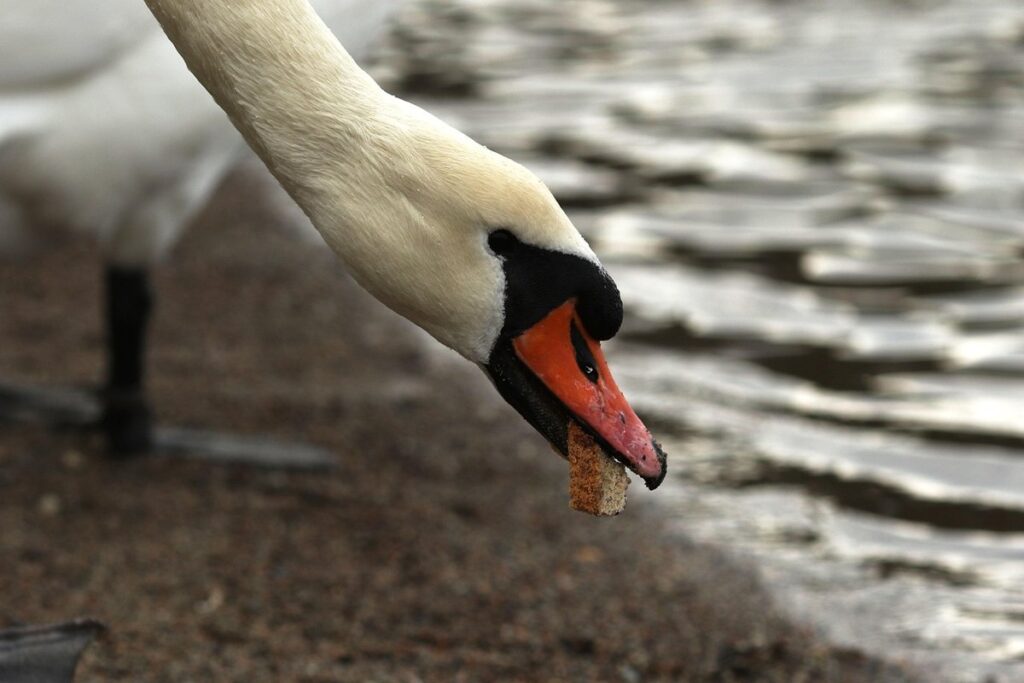
Choosing Healthy Foods for Ducklings
When it comes to feeding ducklings, you want to provide them with a diet that’s rich in nutrients and supports their growth and development. This means selecting foods that are high in protein and low in fat and salt.
Section Introduction
Feeding ducklings requires careful consideration to ensure they receive the nutrients they need for optimal growth and development. When it comes to choosing healthy foods for ducklings, it’s essential to remember that their dietary needs are vastly different from those of adult ducks.
Mistakes can lead to malnutrition, health issues, or even death in severe cases. For instance, feeding ducklings table scraps or bread may seem harmless, but it lacks essential nutrients and can cause digestive problems. On the other hand, providing a balanced diet rich in protein, vitamins, and minerals is crucial for their growth.
To make informed decisions about feeding your ducklings, it’s vital to understand their nutritional requirements at different stages of development. Research suggests that ducklings require 20% protein content in their feed during the first few weeks of life. As they grow, their dietary needs shift, and it’s essential to adjust their feed accordingly.
When selecting foods for your ducklings, opt for high-quality commercial duck starter feed or a balanced mix specifically formulated for young waterfowl. Supplement with small amounts of fresh fruits and vegetables, but avoid overfeeding, as this can lead to digestive issues.
Nutritional Requirements of Ducklings
As duckling parents, it’s essential to provide your young ones with the right nutrients for optimal growth and development. Ducklings require a diet rich in protein, calcium, and vitamins A, D, and E. During their first few weeks of life, they need a starter feed that is high in protein (around 20-22%) and low in fiber.
As ducklings grow, their nutritional needs change. At around four to six weeks old, you can transition them to a grower feed with slightly lower protein content (18-20%). It’s also crucial to ensure they have access to fresh water and a calcium source, such as crushed oyster shells or cuttlebone, to support strong bone development.
A balanced diet should include around 15-20% of their daily calories from fat. You can supplement their feed with healthy treats like leafy greens (kale, spinach), fruits (berries, apples), and whole grains (oats, barley). However, avoid overfeeding, as this can lead to health issues in ducklings. Stick to the recommended feeding guidelines for your specific breed and consult with a veterinarian if you have any concerns about your duckling’s diet.
Types of Food Suitable for Ducklings
When introducing solid foods to ducklings, it’s essential to provide a balanced diet that meets their nutritional needs. Commercial duck pellets are an excellent starting point as they contain the necessary vitamins and minerals for growth and development. Look for pelleted feed specifically formulated for young ducklings, which will help ensure they get the right mix of nutrients.
In addition to commercial pellets, you can also introduce a variety of fruits and vegetables to add diversity to their diet. Leafy greens like kale, spinach, and collard greens are excellent choices as they’re rich in iron and calcium. Fresh fruits such as berries, melons, and citrus fruits provide essential vitamins A and C. Grains like oats, barley, and wheat can also be offered but make sure to limit the amount due to their high carbohydrate content.
When introducing new foods, do it gradually to prevent digestive issues. Start with small amounts (about 10% of their diet) and increase as they get accustomed to eating solid foods.
What Not to Feed Ducks
When it comes to duck feeding, there are some foods you should absolutely avoid giving them to keep them healthy and safe. Let’s talk about what not to feed ducks.
Human Foods That Are Toxic to Ducks
When it comes to feeding ducks, it’s essential to be aware of the human foods that can be toxic to them. While it may seem harmless to share a snack with these charming waterfowl, some common human foods can cause serious harm or even death.
Avocado, for instance, contains a toxic compound called persin, which can cause vomiting and diarrhea in ducks. Chocolate is another no-no, as it contains theobromine, a stimulant that can be toxic to birds. Onions belong to the Allium family, which also includes garlic and leeks, all of which contain compounds that can cause anemia and damage to a duck’s red blood cells.
Other human foods to avoid feeding ducks include raisins, grapes, and currants, as they can cause kidney failure in these animals. Also, be cautious with processed foods, as they often contain high amounts of salt and sugar, which can lead to malnutrition and other health problems in ducks. Always stick to duck pellets or specific feed formulated for waterfowl when feeding your feathered friends.
Other Hazardous Substances
When it comes to keeping our feathered friends safe and healthy, there are several other hazardous substances that can be detrimental to ducks. Pesticides, for example, contain toxic chemicals that can cause liver damage, kidney failure, and even death if ingested by ducks. These chemicals can contaminate water sources, plants, and soil, making it essential to use eco-friendly alternatives when gardening or maintaining outdoor spaces.
Heavy metals like lead, mercury, and arsenic are also highly toxic to ducks. Lead poisoning is a significant concern for waterfowl, as it can cause seizures, paralysis, and death. Mercury, on the other hand, can accumulate in duck’s bodies over time, causing neurological damage and reproductive problems. Certain medications, such as those used to treat human illnesses like depression or asthma, can also be lethal to ducks if ingested.
If you suspect that your local water source is contaminated with hazardous substances, contact your local wildlife agency for assistance. To keep your outdoor space safe for visiting ducks, opt for natural gardening methods and choose non-toxic cleaning products. By being mindful of these potential hazards, we can all contribute to the health and well-being of our duck populations.
Grains and Fruits Suitable for Adult Ducks
When it comes to feeding your adult ducks, providing a varied diet that includes healthy grains and fruits is crucial for their overall well-being. Here are some suitable options you can consider adding to their meals.
Safe Grain Options
When it comes to grains, adult ducks can enjoy a variety of options beyond their usual pellets. Oats, for instance, are a great choice as they’re easy to digest and packed with nutrients. You can offer rolled oats or even oatmeal as an occasional treat. Barley is another safe option, but make sure to choose pearl barley as it’s less likely to cause digestive issues.
Wheat is also acceptable in moderation, although it’s essential to introduce it gradually to prevent any adverse reactions. Start by mixing a small amount of wheat with their regular feed and monitor their behavior for any signs of discomfort. Some owners even swear by sprouting their own wheat berries as a nutritious snack for their ducks.
Remember to always provide fresh water alongside these grain options, and ensure that they’re not overfed to prevent obesity and related health problems. By incorporating these safe grains into your duck’s diet, you can add some variety and excitement to their meals while maintaining their overall well-being.
Fruity Treats
When it comes to treating our feathered friends, adult ducks simply adore fruits as a tasty and nutritious alternative to their regular duck pellets. Berries are an excellent choice for duck treats, with favorites like strawberries, blueberries, and raspberries being easily digestible and packed with vitamins and antioxidants.
Apples and pears are also great options, but be sure to remove any seeds or cores before offering them as they can cause digestive issues. Slice the fruits into manageable pieces to prevent choking hazards. It’s also essential to introduce new fruits gradually to ensure your ducks’ tummies can handle the change in their diet.
For a fun and interactive way to provide treats, try creating a fruit kebab using small chunks of apple or pear. This will not only keep them entertained but also stimulate their beaks and tongues. Just remember to wash the fruits thoroughly before offering them to your adult ducks to ensure they stay healthy and happy!
Leafy Greens and Vegetables
Ducks absolutely love leafy greens and vegetables, so let’s dive into some of their favorite options that are safe for them to eat. From kale to carrots, we’ll explore the best choices.
Safe Leafy Greens
When it comes to feeding your feathered friends leafy greens, it’s essential to choose varieties that are safe and nutritious for ducks. Among the numerous options available, kale, spinach, and collard greens stand out as top picks.
Kale is an excellent choice due to its high nutritional value, rich in vitamins A, C, and K, as well as minerals like calcium and iron. However, be sure to chop or tear it into bite-sized pieces before offering it to your ducks, as they can easily choke on large leaves. Spinach is another superfood that’s perfect for ducks, packed with iron, vitamin K, and antioxidants.
Collard greens are also a great option, rich in vitamins A, C, and K, as well as calcium and iron. They’re slightly less bitter than kale, making them an excellent choice for finicky eaters. When introducing leafy greens to your duck’s diet, start with small amounts (about 1/4 cup per duck) and gradually increase the quantity to avoid digestive upset.
Remember to always wash the leaves thoroughly before offering them to your ducks, and consider mixing in some treats like sunflower seeds or mealworms for added variety.
Cooking and Serving Vegetables
When it comes to feeding vegetables to adult ducks, it’s essential to do so safely and correctly. First, choose the right vegetables that are safe for them to eat. Leafy greens like kale, spinach, and collard greens are excellent options. You can also offer carrots, sweet potatoes, and squash. However, avoid giving them raw or undercooked beans, peas, and other legumes as they can be toxic.
To prepare vegetables for your ducks, you can either steam or blanch them to make them easier to digest. Steaming is a great way to retain the nutrients in the vegetables while also softening them slightly. Simply chop the veggies into bite-sized pieces and place them in a steamer basket over boiling water. Steam for 3-5 minutes or until tender.
When serving, scatter the cooked vegetables across the pond’s surface or offer them in a designated feeding area. Make sure to provide fresh water nearby for your ducks to drink from. Always supervise your ducks while they eat and ensure they’re eating their fill before removing the food to prevent overeating. A balanced diet that includes vegetables is crucial for maintaining healthy, happy ducks.
Homemade Duck Food Recipes
If you’re looking for a fun and cost-effective way to feed your feathered friends, try whipping up one of these delicious homemade duck food recipes using everyday ingredients. They’ll quack with joy!
Benefits of Homemade Feed
Making homemade duck food recipes is an excellent way to ensure that your feathered friends are getting the nutrients they need. One of the primary benefits of this approach is control over what goes into their diet. By preparing meals from scratch, you can choose organic and non-GMO ingredients that are free from additives and preservatives often found in commercial duck foods.
Not only does homemade feed offer a healthier option for your ducks, but it’s also cost-effective and environmentally friendly. You can use locally sourced produce and grains to create customized recipes tailored to their specific needs. This approach also allows you to avoid over-reliance on a single food source, which can reduce the risk of nutrient deficiencies.
Incorporating homemade feed into your duck-keeping routine requires some planning and research. Start by learning about the nutritional requirements for ducks and identifying ingredients that meet those needs. You can then experiment with different recipes and adjust the formula based on your birds’ individual preferences and health status. With a little creativity and patience, you’ll be able to create nutritious and delicious meals for your ducks from scratch.
Sample Recipe Ideas
When it comes to making homemade duck food, the possibilities are endless. Here are some sample recipe ideas that are easy to make and nutritious for your feathered friends.
For a simple and cost-effective option, try making Duck Delight: Mix together 1 cup of rolled oats, 1/2 cup of chopped apples, and 1/4 cup of sunflower seeds. Add in some shredded carrots and chopped kale for extra nutrition. This recipe is perfect for small duck flocks or as a treat.
Another great option is Quackers’ Pellets: Blend together 2 cups of cooked brown rice, 1 cup of chopped sweet potatoes, and 1/4 cup of flaxseed oil. You can also add in some dried kelp powder for an extra boost of vitamins and minerals. This recipe makes a big batch that’s perfect for larger duck flocks.
You can also customize your own recipes based on what you have on hand and what your ducks love to eat. For example, if your ducks go crazy for berries, try adding in some dried cranberries or blueberries into their mix. Experiment with different combinations of grains, fruits, and vegetables to create the perfect homemade duck food for your flock.
Conclusion and Final Tips
Now that you’ve learned what foods are safe for your feathered friends, let’s summarize our key takeaways and provide some final tips to keep your ducks happy and healthy.
Recap of Key Points
In conclusion to our comprehensive guide on what can feed ducks, let’s recap the key points to ensure you’re providing the best possible nutrition for these wonderful waterfowl. When it comes to healthy foods for ducklings and adult ducks, there are several essential items to consider.
For ducklings, it’s crucial to offer a diet rich in protein and nutrients. Foods like starter crickets, mealworms, and small pieces of soft fruits and vegetables are excellent choices. However, as they grow, you can gradually introduce more substantial foods such as millet, oats, and barley. Don’t forget to provide fresh water at all times.
Adult ducks also require a balanced diet that includes a mix of grains, pellets, and vegetables. A good quality duck food should be their primary source of nutrition. Supplementing with treats like lettuce, spinach, and peas is also beneficial. Just remember to limit the amount of bread and processed foods you offer as they can lead to health issues.
By following these guidelines, you’ll be well on your way to creating a happy and healthy environment for your feathered friends.
Additional Tips and Resources
If you’re interested in learning more about feeding ducks safely and healthily, there are several online resources available. The USDA’s website offers guidelines on what to feed waterfowl, including a list of recommended foods that are safe for ducks. Additionally, many local animal shelters and wildlife organizations provide educational materials and advice on duck care.
When it comes to interacting with ducks, it’s essential to follow proper feeding protocols. Always use a shallow dish or tray when feeding ducks, as this will prevent them from drowning while eating. You should also avoid overfeeding, as this can lead to nutrient imbalances and negatively impact the local ecosystem.
To further your knowledge on duck care, consider reaching out to local bird-watching groups or nature centers in your area. These organizations often offer workshops, guided tours, and other educational opportunities that can help you learn more about feeding ducks responsibly. By taking these steps, you’ll be well-equipped to provide a safe and healthy environment for the ducks in your community.
Frequently Asked Questions
Can I feed ducks the same food as other waterfowl or birds?
Yes, ducklings require a diet rich in protein and low in fat, which is different from other waterfowl or birds. Feeding them the wrong type of food can lead to malnutrition and health issues.
What if I accidentally give my duckling unhealthy food? Can it be reversed?
While it’s best to provide a balanced diet from the start, if your duckling does eat unhealthy food, monitor its behavior closely for signs of illness. If you notice any adverse effects, consult with a veterinarian as soon as possible for proper guidance and treatment.
How do I ensure my homemade feed meets all the nutritional requirements of adult ducks?
To create a balanced diet for adult ducks, research their nutritional needs (e.g., 18-20% protein) and aim to provide a mix of grains, fruits, leafy greens, and vegetables. Consider consulting with a poultry expert or veterinarian for personalized advice.
Can I give my duck leftover vegetables from last night’s dinner?
While it may be tempting to feed your ducks whatever you have on hand, not all human foods are safe for them. Avoid giving them high-starch vegetables like potatoes or onions, as they can cause harm if consumed in excess.
What’s the best way to transition a duckling from formula to whole foods?
For a smooth transition, gradually introduce small amounts of new food into their diet over 7-10 days, starting with finely chopped grains and leafy greens. Monitor their stool quality and adjust as necessary to ensure they’re adjusting well to solid foods.