
When you see Canada Geese waddling across your local park or pond, it’s hard not to be charmed by their fluffy feathers and honking calls. But have you ever wondered what these birds are snacking on throughout the day? You might think they’re just munching on grass and leaves, but their diet is surprisingly diverse and adaptable. In fact, Canada Geese eat everything from aquatic plants and insects to small animals and fish, making them one of the most efficient foragers in the bird world. But how do they manage to thrive in such a wide range of environments, from urban parks to rural wetlands? And what impact does human activity have on their eating habits? In this article, we’ll take a closer look at the surprising variety of foods that make up a Canada Goose’s diet and explore how their eating habits adapt to changing environments.
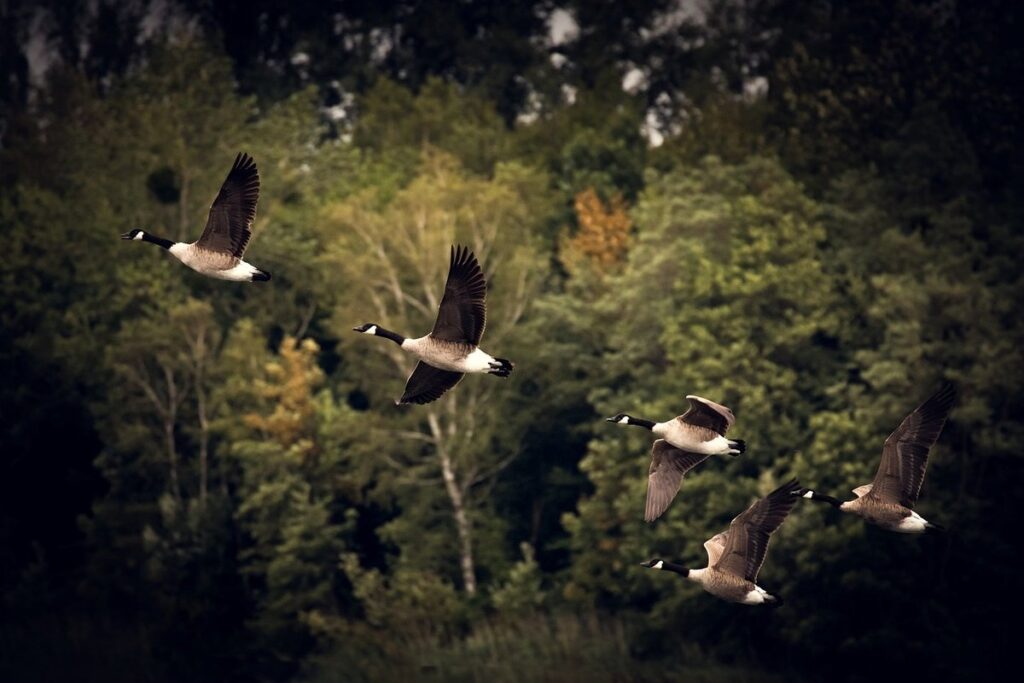
Understanding Canada Goose Diet Basics
Let’s dive into the basics of a Canada goose’s diet, where we’ll explore the plants and animals they eat to survive in various habitats. This is essential knowledge for understanding their behavior.
Types of Food in a Canada Goose’s Diet
A Canada goose’s diet is incredibly diverse and adaptable, reflecting their ability to thrive in various environments. In the wild, these birds primarily feed on plants, which account for about 80-90% of their diet. This includes grasses, sedges, aquatic vegetation, and crops such as corn and wheat. They also eat leaves, buds, and shoots from trees and shrubs.
In addition to plants, Canada geese consume a variety of insects, including grasshoppers, crickets, and caterpillars. Small animals like mice, frogs, and snails are occasionally eaten, particularly in urban areas where food sources may be scarce. Aquatic organisms such as crustaceans, mollusks, and small fish make up a smaller portion of their diet, but can provide essential nutrients.
It’s worth noting that Canada geese have been known to exploit human-provided food sources, including garbage, pet food, and crops. This can lead to negative impacts on the environment and other wildlife.
Importance of Diverse Diet for Canada Geese
A diverse diet is essential for Canada geese to thrive in various environments. With their ability to adapt to different habitats, from urban parks to rural wetlands, a varied diet allows them to survive and reproduce successfully. When food sources are scarce or unreliable, a diverse diet helps geese adjust to the changing conditions.
In areas where agricultural runoff is common, Canada geese may feed on crops like corn and soybeans one day, and aquatic plants like water lilies and algae the next. In urban settings, they’ll consume grasses, leaves, and other vegetation from parks and lawns. This adaptability is crucial for their survival, as it enables them to make the most of whatever food sources are available in their environment.
By incorporating a range of foods into their diet, Canada geese can maintain optimal health and energy levels, even when faced with seasonal fluctuations or unpredictable weather patterns. As an example, studies have shown that geese in areas with diverse habitats tend to weigh more and have better reproductive success than those living in less varied environments.
Plant-Based Foods in the Canada Goose Diet
Canada geese get a significant portion of their nutrition from plant-based foods, including aquatic plants, grasses, and grains. Let’s take a closer look at what plant-based foods they enjoy in the wild.
Aquatic Plants and Algae
Canada geese forage for aquatic plants and algae in ponds, lakes, and wetlands, playing a vital role in their diet. These waterborne plant species provide essential nutrients and fiber. Some commonly consumed types of aquatic plants include cattails (Typha latifolia), bulrushes (Scirpus spp.), and duckweed (Lemna minor). Algae, such as Spirogyra and Zygnema, also form a significant part of their diet.
Aquatic plants are rich in vitamins A and K, as well as minerals like iron and potassium. They also contain complex carbohydrates, which support the geese’s digestive health. For instance, cattails are a good source of starch, while bulrushes provide fiber and other nutrients. Duckweed, on the other hand, is high in protein.
In addition to providing nutritional value, aquatic plants help maintain the water’s ecosystem balance. By consuming excess algae growth, Canada geese prevent it from depleting oxygen levels in the water. Geese that spend more time foraging in wetlands with diverse plant species tend to have a healthier and more balanced diet. As an example, consider creating a goose-friendly environment by planting native aquatic plants around your pond or lake – this can be beneficial not only for geese but also for local wildlife.
Grasses, Leaves, and Twigs
Canada geese are omnivores and their diet consists of various plant-based foods. Grasses, leaves, and twigs play a significant role in their diet, particularly during the spring and summer months when aquatic plants are less abundant.
Grasses provide essential nutrients like protein, fiber, and minerals that support the growth and development of Canada geese. In fact, grasses can account for up to 20% of their dietary intake during the breeding season. The nutrient content of grasses varies depending on factors like species, soil quality, and moisture levels.
Leaves are another crucial component of a Canada goose’s diet. Leaves from trees like willow, aspen, and alder are rich in fiber, vitamins, and minerals that support digestive health and energy production. Twigs, although less palatable to geese, serve as an essential source of calcium and other minerals.
In the wild, Canada geese can access these plant materials through foraging on wetlands, meadows, and fields. If you’re interested in providing a similar diet for captive geese, consider offering a mix of grasses, leaves, and twigs in their enclosure. This will help maintain their digestive health and provide essential nutrients during the breeding season.
Insects and Small Animals as Food Sources
Canada geese also supplement their diet by snacking on insects, frogs, and small animals, providing them with essential nutrients and protein. Let’s take a closer look at these unusual food sources.
Earthworms and Other Aquatic Invertebrates
Canada geese often forage for earthworms and other aquatic invertebrates in shallow water, particularly during spring and fall migrations. These invertebrates are a rich source of protein and other essential nutrients that support the birds’ growth and maintenance.
In terms of nutritional value, earthworms contain high levels of iron, calcium, and phosphorus, making them an excellent complement to Canada geese’s diet. They also provide a good balance of fatty acids, which is vital for the development of the birds’ feathers and overall health.
During feeding behaviors, Canada geese tend to probe the soil with their beaks, often in areas with high concentrations of moisture and organic matter. This foraging behavior allows them to uncover earthworms and other invertebrates that have burrowed underground. To attract these invertebrates, gardeners can create shallow ponds or wetlands with plenty of vegetation, which will help draw earthworms and other invertebrates to the area.
In addition to earthworms, Canada geese also consume snails, slugs, and aquatic insects like mosquitoes and flies. These invertebrates are often abundant in areas with rich soil and abundant plant life, making them a reliable food source for the birds.
Grasshoppers, Crickets, and Other Terrestrial Insects
While we often associate Canada geese with aquatic plants and grains, these birds also supplement their diet with terrestrial insects. During migration periods or when other food sources are scarce, Canada geese will forage on land for grasshoppers, crickets, and other insects. These invertebrates provide a rich source of protein that’s essential for the geese’s survival.
In fact, studies have shown that during peak migration times, up to 30% of a Canada goose’s diet consists of terrestrial insects. Grasshoppers and crickets are particularly attractive to geese due to their high caloric content and abundance in fields and meadows. To attract these insects to your yard, try planting native grasses and wildflowers that provide shelter and food for the geese.
If you’re lucky enough to have a Canada goose visit your property, consider offering them a cricket or two as an incentive. This can help build trust and encourage repeat visits from these migratory birds. By understanding the importance of terrestrial insects in a Canada goose’s diet, we can better appreciate the complex feeding behaviors of these fascinating creatures.
Role of Small Animals in the Canada Goose Diet
You might be surprised to learn that small animals, such as frogs and mice, play a significant role in the diet of these waterfowl. Let’s explore this fascinating aspect of their eating habits together!
Fish and Other Aquatic Animals
When wading through shallow waters, Canada geese often forage for fish and other aquatic animals that provide essential nutrients. Their feeding behaviors are influenced by the availability of these food sources, particularly during spring and summer when water levels are low. In lakes and ponds with abundant fish populations, geese will frequently dive to depths of up to 6 feet in search of prey.
Fish such as minnows, suckers, and carp are significant components of a Canada goose’s diet, accounting for approximately 20-30% of their nutritional intake. The protein-rich flesh of these fish is crucial during breeding seasons when energy demands are high. Geese also consume crayfish, snails, and other aquatic invertebrates that live in vegetation or on the lake bed.
The nutritional significance of fish and other aquatic animals in a Canada goose’s diet cannot be overstated. These food sources provide vital protein, vitamins, and minerals necessary for growth, maintenance, and reproduction. By recognizing the importance of these food items, we can better understand the habitat needs of Canada geese and the interconnectedness of their ecosystem.
Frogs, Snails, and Other Terrestrial Animals
Canada geese are opportunistic feeders and will eat a wide variety of terrestrial animals when other food sources are scarce. Frogs are a particular favorite among Canada geese, especially during the summer months when they are abundant near water sources. Geese will actively search for frogs in wetlands, grasslands, and even backyards with ponds.
In fact, research has shown that frogs make up a significant portion of a Canada goose’s diet during certain periods. For example, a study on a population of Canada geese in the Midwest found that 23% of their diet consisted of frogs. Snails are another terrestrial animal that Canada geese will eat, often feeding on them in gardens and lawns.
It’s worth noting that while these animals may be considered pests by gardeners and homeowners, they play an important role in the ecosystem and can be a vital food source for Canada geese during times of scarcity. By understanding what Canada geese eat, we can better appreciate their adaptability and resourcefulness as foragers.
Factors Affecting the Canada Goose Diet
Let’s explore what factors influence the diverse and adaptable diet of Canada geese, which varies depending on their environment and time of year.
Seasonal Changes and Migration Patterns
As the seasons change, Canada geese adapt their diet to suit their new environment. During spring and summer, they feast on lush aquatic plants, grasses, and grains that grow rapidly with the warmer weather. In the fall, as days shorten and temperatures drop, they shift their focus to energy-rich foods like seeds, nuts, and berries that will sustain them through the harsh winter months.
Migration patterns also play a significant role in shaping Canada geese’s diet. When traveling between breeding and wintering grounds, they take advantage of available food sources along the way. For example, during their spring migration northward, they may stop to forage on newly thawed wetlands and agricultural fields. In contrast, when migrating southward, they tend to focus on areas with reliable water sources and abundant aquatic vegetation.
As Canada geese encounter new environments, they adapt their diet by exploiting local food sources. For instance, in urban areas, they’ve been known to feed on grassy lawns, golf course greens, and even crops like corn and wheat that are left unattended. This ability to adjust their diet to suit changing circumstances is a testament to the remarkable flexibility of these birds.
By understanding how seasonal changes and migration patterns influence Canada geese’s diet, you can better appreciate the complexities of their feeding behavior and make more informed decisions when managing your own property or interacting with these incredible birds in the wild.
Human Activities and Habitat Changes
Canada geese have adapted to a wide range of human-altered landscapes, from agricultural fields to urban parks. Changes in food availability are largely driven by agriculture and its expansion into natural habitats. For example, corn and soybeans have become staples in Canada goose diets due to the increased cultivation of these crops. As agricultural land expands, it not only affects the types of plants available but also alters the overall vegetation structure.
Urbanization has led to a shift towards a diet rich in grasses, grains, and human-provided foods like bread and scraps. In some areas, Canada geese have become so accustomed to human-provided food that they can no longer forage effectively in their natural habitats. Conservation efforts aim to mitigate these impacts by promoting sustainable agriculture practices, restoring natural habitats, and educating the public about responsible feeding.
It’s essential to note that while human activities have shaped the diet of Canada geese, it’s also crucial for us to recognize our role in altering their environment. By making conscious choices in our daily lives – such as avoiding feeding bread to Canada geese – we can help mitigate the effects of habitat changes and promote a healthier coexistence with these iconic birds.
Conservation Implications for Canada Goose Diet
As we’ve explored what’s on the menu for these feathered friends, let’s now dive into the conservation implications of their diet and how it affects their well-being in various ecosystems.
Importance of Preserving Natural Habitats
Preserving natural habitats and ecosystems is crucial for maintaining a diverse diet for Canada geese. These birds are adaptable to various environments, but they thrive best when surrounded by diverse vegetation, water sources, and other wildlife. When we preserve these habitats, we provide Canada geese with the variety of foods they need to stay healthy.
For example, wetlands support aquatic plants like cattails and duckweed, which geese feed on during migration. Forests offer berries, grasses, and leaves that supplement their diet. By maintaining these ecosystems, we ensure the long-term sustainability of goose populations. One strategy for preserving habitats is to reduce human impact on natural areas through sustainable practices like minimizing pollution, controlling invasive species, and promoting responsible land use.
Biodiversity plays a key role in supporting healthy geese populations. Maintaining a variety of plants and wildlife in their habitats allows Canada geese to adapt to changing environmental conditions and reduces the risk of disease outbreaks.
Adaptive Management for Sustainable Food Sources
Adaptive management is essential for sustainable food sources and maintaining healthy Canada goose populations. This approach involves monitoring and adjusting human activities to ensure they do not harm geese or their habitats. For instance, farmers can adjust planting dates to avoid geese feeding on crops during peak growth periods.
Another aspect of adaptive management is creating “geese-friendly” environments within urban areas. Cities like Toronto have implemented measures such as designing parks with grassy patches for geese to graze on and installing bird-scaring devices to deter them from private gardens. This approach acknowledges the presence of geese in urban spaces while minimizing conflicts.
By implementing adaptive management, we can balance human interests with conservation goals. For example, in New York City’s Central Park, park rangers work closely with wildlife experts to maintain a healthy goose population. They create designated feeding areas and use non-lethal deterrents to control numbers when necessary. By adopting similar strategies, cities can promote peaceful coexistence between humans and geese, ensuring the long-term sustainability of food sources for these iconic birds.
Frequently Asked Questions
Can Canada Geese adapt their diet to changing environments, such as urbanization or drought?
Yes, Canada Geese are highly adaptable birds that can adjust their diet in response to environmental changes. For instance, they may shift from eating aquatic plants to grasses and leaves if a pond dries up due to drought. Understanding this adaptability is crucial for conservation efforts.
How do human activities like agriculture and urbanization impact the Canada Goose’s food sources?
Human activities can significantly alter a Canada Goose’s diet by reducing their access to certain plant species or introducing invasive species that compete with native plants. This highlights the importance of preserving natural habitats and implementing sustainable farming practices.
What are some potential consequences of over-reliance on grasses and leaves in a Canada Goose’s diet?
Over-reliance on grasses and leaves can lead to nutrient deficiencies, particularly if these food sources become scarce or degraded due to human activities like overgrazing or urbanization. A diverse diet is essential for maintaining the overall health and well-being of Canada Geese.
Can I attract Canada Geese to my backyard by planting specific plants in their diet?
Yes, planting native grasses, aquatic vegetation, and shrubs can attract Canada Geese and provide them with a reliable food source. This approach is particularly beneficial in urban areas where natural habitats may be scarce.
How do seasonal changes affect the types of food that Canada Geese eat during different times of the year?
Seasonal changes significantly impact the types of food available to Canada Geese, with plants and insects being more abundant during certain seasons. For example, geese tend to feed on aquatic plants and insects in the spring and summer, while switching to grasses, leaves, and twigs during the winter months.