
If you’re one of the many backyard enthusiasts with a pond, chances are you’ve probably wondered what your feathered friends eat. Providing the right food for ducks in your pond is crucial not just for their health but also for maintaining a balanced ecosystem. Ducks have complex nutritional needs that go beyond just bread and pellets, which is why it’s essential to offer them a variety of plant-based, insect-based, and animal-based foods. In this article, we’ll delve into the world of duck nutrition, exploring what ducks eat in a pond, their dietary requirements, and how you can create an optimal feeding environment for your aquatic visitors. By learning more about what do ducks eat in a pond, you’ll be better equipped to provide them with the nutrients they need to thrive.
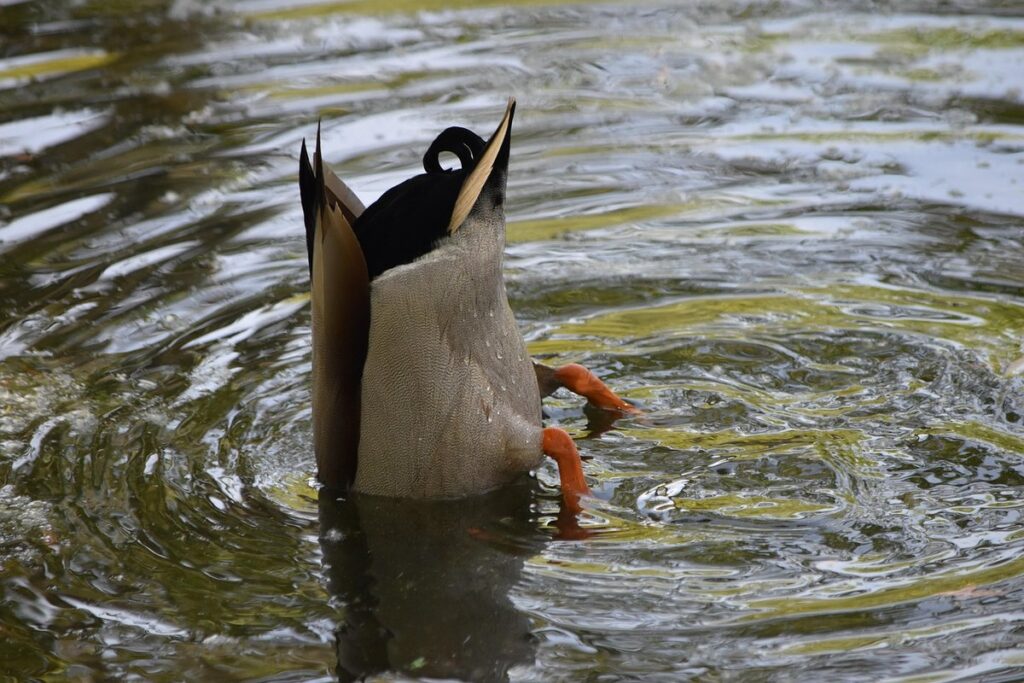
Types of Food Sources in Ponds
When it comes to foraging in a pond, ducks have access to a variety of food sources that are both nutritious and delicious. Let’s explore some of these options.
Plant-Based Foods
Ducks in ponds feed on a variety of plant-based foods, including aquatic vegetation, grasses, and crops. Ponds with diverse plant life support duck nutrition by providing them with essential nutrients like proteins, vitamins, and minerals. Aquatic vegetation such as water lilies, cattails, and algae are abundant food sources for ducks.
Grasses and crops also play a significant role in maintaining the nutritional balance of ducks. Wild grasses like wheatgrass and brome can be found along pond edges, while cultivated crops like oats, barley, and corn may be present nearby. To encourage ducks to feed on these plants, create a diverse landscape by planting native vegetation or introducing new crops.
It’s essential to maintain a balanced ecosystem in your pond to ensure the health of both the duck population and the environment. By providing a variety of plant-based foods, you can support the nutritional needs of ducks and promote a thriving aquatic community.
Insect-based Foods
Ducks are opportunistic feeders, which means they take advantage of whatever food sources are available to them. In a pond ecosystem, insects play a vital role as a food source for ducks. These tiny creatures may be small, but they pack a nutritional punch and can make up a significant portion of a duck’s diet.
In fact, studies have shown that aquatic insects such as mosquitoes, midges, and water striders can account for up to 30% of a duck’s daily caloric intake. This is especially important during the breeding season when ducks need an abundance of protein-rich foods to support their reproduction efforts.
To attract these beneficial insects to your pond, consider creating a diverse range of aquatic plants, including water lilies, cattails, and irises. These plants not only provide shelter and food for insects but also help to maintain good water quality. By incorporating insect-friendly features into your pond design, you can create a thriving ecosystem that supports the health and well-being of your feathered friends.
Animal-Based Foods
When it comes to animal-based foods, ducks are opportunistic feeders that take advantage of whatever is available in their pond. In addition to commercial duck pellets and grains, they will also eat small fish, frogs, snails, and even insects if the opportunity arises. The behavior of ducks plays a significant role in determining what type of prey they consume.
For example, mallard ducks are known to be aggressive foragers that will feed on almost anything they can catch in the water. They have been observed feeding on small fish like minnows and goldfish, as well as crayfish and other crustaceans. In contrast, wood ducks tend to be more selective eaters, preferring aquatic plants and insects over animal-based foods.
It’s worth noting that the availability of prey can influence duck behavior and diet. If a pond is heavily stocked with fish or other aquatic animals, it’s likely that the ducks will feed on those sources regularly. However, if food is scarce, they may be forced to rely more heavily on plant-based foods like grasses, seeds, and aquatic plants. As a pond owner, understanding what types of prey are present in your pond can help you create a more balanced ecosystem and ensure that your ducks have access to the nutrients they need to thrive.
Duck Feeding Habits
When it comes to their daily diet, ducks are opportunistic eaters and can be found grazing on a variety of aquatic plants. Let’s take a closer look at what they like to snack on in their pond home.
Foraging Behaviors
When foraging in a pond, ducks are opportunistic feeders that take advantage of available food sources. Their feeding behavior is highly adaptable and changes with the season and environment. During spring and summer, when vegetation is lush, ducks focus on grazing on aquatic plants, grasses, and algae. They use their beaks to pluck weeds from the water’s edge or dig into the sediment for hidden treasures.
As they search for food, ducks recognize potential threats by observing body language and vocal cues from other ducks. For example, if a duck detects a predator lurking nearby, it will emit a warning call to alert its flockmates. This social communication is crucial during feeding, as ducks often feed in groups and must stay vigilant for predators.
When foraging, ducks also employ a “scouting” behavior, where one or two birds scope out the area before returning to join their companions. This strategy helps minimize competition and allows them to exploit food sources efficiently. By understanding these foraging behaviors, pond owners can create more favorable environments for their duck populations, including providing diverse aquatic vegetation and minimizing human disturbance.
Adaptability to Pond Conditions
Ducks are incredibly adaptable creatures, and their feeding habits reflect this adaptability. In a pond, they adjust their diet to suit the ever-changing conditions. For instance, during periods of drought when water depth is low, ducks tend to feed more on aquatic vegetation that grows near the surface. This helps them conserve energy by minimizing their foraging distance.
Conversely, in ponds with dense vegetation, ducks may rely more heavily on submerged plants like duckweed or algae. These nutrient-rich sources provide essential nutrients during times when surface food is scarce. Moreover, ducks have been observed to alter their feeding patterns in response to weather fluctuations – they tend to eat more during calm periods and less during storms.
When maintaining a pond, consider these adaptability factors to ensure your waterfowl visitors thrive. Plant a mix of shallow-water vegetation and submerged aquatic plants to cater to their changing needs. Avoid over-manipulating the ecosystem, as this can disrupt the delicate balance that allows ducks to adapt. By understanding and mirroring nature’s patterns, you’ll create an inviting environment for these fascinating birds.
Seasonal Changes in Feeding Habits
As we explore what ducks eat in a pond, it’s essential to consider the seasonal changes that influence their feeding habits. Ducks are adaptable creatures, and they’ve developed unique strategies to thrive in diverse environments throughout the year.
During spring, as plants begin to grow and aquatic vegetation becomes more abundant, ducks tend to focus on nutrient-rich foods like grasses, sedges, and water lilies. This shift towards plant-based diets supports their breeding and molting activities. For example, a study on mallard ducks found that they consume up to 50% of their diet as aquatic plants during this time.
Summer months bring warmer temperatures, and ducks often rely more heavily on insects, crustaceans, and small invertebrates to supplement their plant-based diets. As the water level drops, exposed soil becomes a prime feeding ground for these animals, allowing them to access nutrients that would otherwise be submerged. To support your ducks’ summer diet, consider incorporating aquatic plants with deep roots or water-dwelling insects like snails and crayfish into their feed.
In autumn, as temperatures drop and daylight hours shorten, ducks start to store fat reserves by consuming more energy-rich foods like seeds, grains, and nuts. This adaptation helps them survive the harsh winter months when food sources are scarce. To encourage this behavior in your pond-dwelling ducks, try adding a mix of seeds, fruits, and vegetables to their diet.
Winter is often characterized by limited food availability, and ducks must rely on stored fat reserves and adapted feeding strategies to survive. They may also shift towards consuming more aquatic animals like fish and snails, which are abundant during this time. By providing a diverse array of food sources throughout the year, you can help support your ducks’ overall health and well-being.
By understanding these seasonal variations in duck feeding habits, you can create a more balanced and sustainable ecosystem for your pond-dwelling ducks. Remember to monitor their diet closely and adjust it according to their needs as the seasons change. This will not only ensure their survival but also contribute to maintaining the delicate balance of your aquatic environment.
Nutritional Requirements of Ducks
So, what do ducks need to thrive in a pond? Understanding their nutritional requirements is crucial for providing them with the right foods and ensuring they stay healthy.
Macronutrient Needs
To maintain optimal body condition, ducks require a balanced intake of macronutrients from their pond’s water and surrounding environment. Carbohydrates are essential for energy production, and can be found in aquatic plants such as algae and duckweed. These microgreens provide a rich source of complex carbohydrates that help sustain the duck’s daily activities.
Protein sources are also crucial for ducks, particularly when they’re growing or reproducing. Zooplankton, small crustaceans, and insects like mosquitoes and snails contribute significantly to their protein needs. Ducks can be seen actively foraging for these invertebrates in shallow waters.
Fats, although less abundant in pond environments, are vital for insulation and energy storage. Some ducks may incorporate seeds, grains, and aquatic fruits into their diet, which contain healthy fats that aid in maintaining body temperature.
To ensure your duck’s macronutrient needs are met, consider creating a balanced pond ecosystem by introducing plants like water lilies or cattails, which provide shelter and food for zooplankton. Regularly monitoring the pond’s nutrient levels can also help prevent over-fertilization, ensuring an optimal environment for ducks to thrive in.
Micronutrient Requirements
Ducks also need essential micronutrients like vitamins and minerals to grow and reproduce properly. These tiny but vital nutrients can be found in various forms within a pond ecosystem.
Vitamins A, D, E, K, and B are crucial for ducks’ overall health. Vitamin A helps with vision, immune function, and skin health, while vitamin D aids in calcium absorption, which is essential for strong bones. Ducks can get these vitamins through the insects they eat, as well as from algae and aquatic plants that absorb them from sunlight.
Minerals like calcium, phosphorus, potassium, sodium, and iron are also vital. Calcium helps build strong beaks and bones, while phosphorus aids in energy production and nerve function. Ducks can find minerals by pecking at the bottom of the pond where they settle or by eating aquatic plants that absorb them from the water.
When creating a duck-friendly pond environment, consider adding mineral-rich foods like crushed eggshells or oyster shells to their menu. This will help supplement their micronutrient intake and support overall health.
Pond Management for Optimal Duck Nutrition
To ensure your ducks are getting everything they need, we’ll explore effective pond management techniques that promote optimal nutrition and a healthy lifestyle. This includes regular water quality checks and maintenance tips.
Balance Between Food Sources and Demand
Achieving the perfect balance between food sources and duck population demand is crucial for maintaining a healthy and sustainable pond ecosystem. A well-managed pond should aim to provide an adequate amount of food for its inhabitants without overstocking or underfeeding.
To achieve this balance, water level management plays a significant role. By adjusting the water level, you can control the availability of aquatic plants, which are a primary source of food for ducks. For instance, during periods of drought or dry spells, reducing the water level exposes more vegetation, allowing ducks to access nutrients that would otherwise be submerged.
Introducing native plant species is another effective technique for maintaining balance in your pond. Native plants such as cattails, water lilies, and irises provide a consistent food source for ducks while also helping to maintain water quality. By incorporating these plants into your pond ecosystem, you can create a self-sustaining environment that meets the nutritional needs of your duck population.
Regular monitoring of water levels and plant growth is essential to ensure that your pond remains in balance. With proper management, your pond will provide an optimal environment for ducks to thrive.
Encouraging Diverse Plant Life
When it comes to creating an optimal pond environment for ducks, encouraging diverse plant life is essential. By promoting a variety of aquatic plants, you can provide your feathered friends with a nutritious and varied diet. One effective way to encourage plant diversity is to reduce or eliminate the use of herbicides in your pond.
Herbicides may control algae growth, but they also harm beneficial plants and disrupt the ecosystem. Instead, consider implementing organic farming practices such as introducing new plant species, creating a sheltered area for plants to grow, and reducing water circulation to promote healthy root growth. For example, adding native aquatic plants like cattails, duckweed, or water lilies can provide ducks with essential nutrients and create a natural habitat.
To get started, identify the types of plants that thrive in your region and incorporate them into your pond design. Consider also introducing plants with different growth habits, such as emergent, submerged, and floating plants, to create a diverse ecosystem. With a little planning and patience, you can create a thriving pond environment that supports both the health of your ducks and the overall ecosystem.
Conclusion
In conclusion, understanding what ducks eat in a pond is essential for creating a thriving ecosystem. By providing a diverse range of plants, insects, and small aquatic animals, you can attract various duck species to your pond. Remember to also maintain a balance between vegetation and water levels, as this will influence the types of food available to the ducks. For example, if your pond has an overgrowth of algae, it may be beneficial to introduce some herbivorous fish or plants that help control its growth.
To recap, a well-planned diet for ducks in a pond should include a mix of aquatic vegetation, insects, and small animals. By incorporating these elements into your pond’s ecosystem, you’ll not only attract ducks but also support the local wildlife and create a self-sustaining environment.
Frequently Asked Questions
How often should I replenish plant-based foods in my pond to meet the dietary needs of ducks?
When it comes to maintaining a balanced ecosystem, replenishing plant-based foods regularly is crucial. We recommend adding fresh aquatic vegetation and crops every 1-2 weeks during peak growing seasons. This will ensure that your ducks have access to essential nutrients throughout their foraging process.
Can I supplement duck feed with insects from my pond, or should I provide a separate insect source?
While insects are an excellent source of protein for ducks, it’s generally recommended to provide a separate insect source, such as mealworms or crickets. This ensures that your ducks receive the optimal balance of nutrients and avoids over-reliance on any single food source.
How do I know if my pond is lacking in diversity of plant life, which can affect duck nutrition?
Observe your pond’s vegetation and note the absence or scarcity of certain plants. Consider adding native species like cattails, water lilies, or algae to create a diverse ecosystem that supports healthy duck foraging behavior.
What are some signs that my ducks are not getting enough protein from plant-based foods alone?
Look out for symptoms such as weight loss, dull feathers, or lethargy in your ducks. If you notice these signs, consider supplementing with insect-based or animal-based foods to ensure your ducks receive adequate protein levels.
Can I feed my ducks during the winter months when natural food sources are scarce?
While it’s essential to provide year-round access to fresh water and shelter, duck nutrition during winter may require additional support. We recommend adding nutrient-dense foods like high-energy pellets or grains to compensate for reduced foraging opportunities.