
If you’ve ever strolled by a pond or lake on a sunny day, chances are you’ve spotted a group of mallard ducks gliding effortlessly across the water. These beautiful birds are a common sight in many parts of the world, but have you ever wondered what they’re eating? The diet of mallard ducks is incredibly diverse and adaptable, ranging from aquatic plants to small animals, fruits, and berries.
Understanding what mallard ducks eat is not only fascinating, but also essential for their survival. In this article, we’ll delve into the various food sources that these birds rely on, and explore how they adapt their diet to suit their environment. From snapping up insects to grazing on lush vegetation, we’ll take a closer look at the complex and fascinating world of mallard duck cuisine.
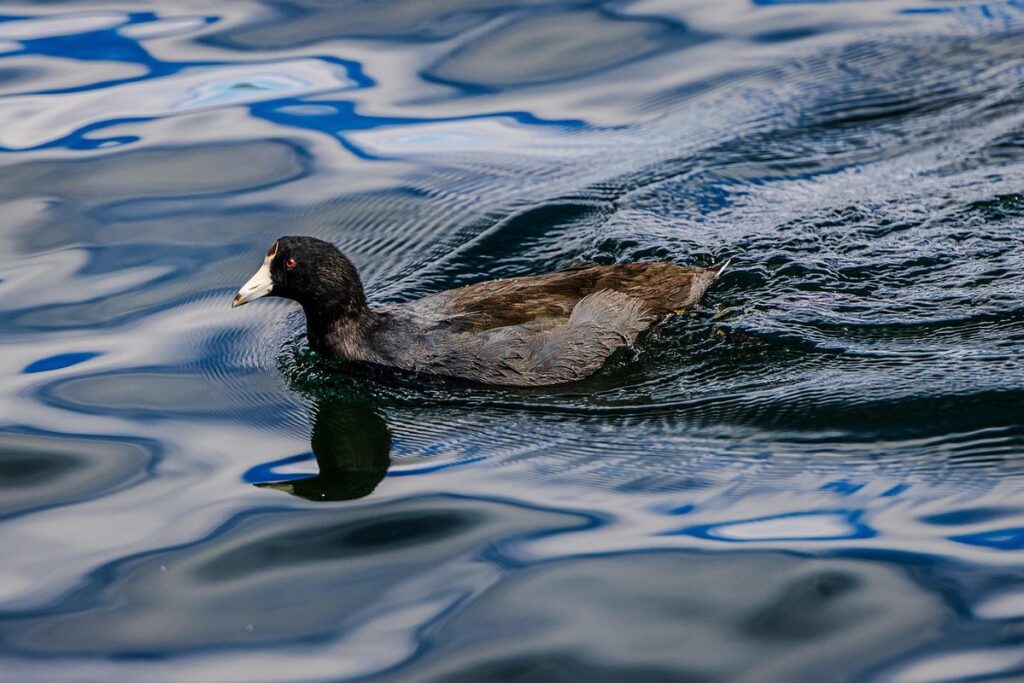
Understanding Mallard Duck Nutrition Basics
To care for your mallards properly, it’s essential to understand their nutritional needs and what they should be eating. Let’s break down the basics of mallard duck nutrition in this section.
Importance of a Balanced Diet in Mallards
A balanced diet is crucial for mallard ducks to maintain optimal health and well-being. As waterfowl, they require a specific mix of nutrients to meet their energy needs, which are influenced by factors such as age, sex, and activity level.
Mallards need a diet rich in proteins, carbohydrates, and fats to fuel their daily activities like foraging, swimming, and breeding. They also require essential vitamins and minerals like vitamin A, D, E, K, calcium, and phosphorus to maintain strong bones, immune function, and healthy feathers.
In the wild, mallards feed on aquatic plants, insects, small crustaceans, and grains, which provide them with a balanced mix of nutrients. However, in captivity or during periods of food scarcity, it’s essential to replicate this diet through supplementation or feeding pellets specifically formulated for waterfowl.
To ensure your pet mallard is getting the right balance of nutrients, consider consulting with an avian expert or providing a varied diet that includes fresh fruits and vegetables, as well as grains and proteins like oats and sunflower seeds. A happy and healthy mallard is more likely to thrive in its environment and live a long life.
Types of Nutrients Required by Mallards
Mallard ducks are omnivores and require a balanced diet that includes various types of nutrients to maintain optimal health. Carbohydrates are an essential component of their diet, providing energy for daily activities such as flying and foraging. Whole grains like oats and barley, as well as fruits and vegetables like corn and leafy greens, are excellent sources of carbohydrates.
Proteins are also crucial for mallard ducks, making up a significant portion of their diet. They can be obtained from animal-based foods like insects, crustaceans, and small fish. In addition to these protein-rich foods, mallards also consume plant-based proteins found in seeds, nuts, and grains. A general rule of thumb is to provide 1/4 to 1/2 cup of protein-rich food per duck daily.
Vitamins and minerals are equally important, with mallard ducks requiring a range of vitamins like vitamin A, D, E, and K, as well as essential minerals such as calcium and phosphorus. These can be obtained from foods rich in these nutrients or supplemented through commercial feed specifically formulated for waterfowl. It’s essential to consult with a veterinarian to determine the best diet for your mallard ducks based on their specific needs and age.
Plant-Based Foods in Mallard Diet
You might be surprised to learn that mallards can thrive on a plant-based diet, but they do need access to specific foods that are rich in nutrients and energy. These include various aquatic plants and grasses.
Aquatic Plants as a Primary Source of Nutrition
Mallards thrive on a diverse diet that includes aquatic plants as a primary source of nutrition. These plants are rich in essential vitamins and minerals such as vitamin K, iron, and potassium. They also provide valuable fiber content which is vital for maintaining healthy digestion. The availability of aquatic plants varies depending on the season and geographic location. In spring, duckweed and water lily pads become readily available. Summer months offer a bounty of algae and seagrass while autumn brings an abundance of fallen leaves and aquatic seeds.
As a responsible duck owner or enthusiast, you can supplement your mallard’s diet with fresh aquatic plants like duckweed, cattails, or wild celery. You can grow these plants in your own pond or obtain them from local nurseries. To ensure optimal nutrition, it is essential to provide a mix of different plant species to cater to the ducks’ varying nutritional needs throughout the year. For instance, in winter when natural food sources are scarce, supplement with high-fiber aquatic plants like willowherb and watercress to maintain healthy gut function.
Grasses and Leaves in the Wild
In addition to aquatic plants and seeds, mallard ducks also forage for grasses and leaves in the wild. These plant-based foods play a crucial role in maintaining a balanced diet for these waterfowl.
Grasses provide essential fiber, vitamins, and minerals that help keep their digestive system running smoothly. For example, wheat grass is rich in iron, while oat grass is high in potassium. Mallards can be seen grazing on lush meadows during the spring and summer months when these plants are in abundance.
Leaves from trees such as willows, alders, and poplars are also a significant part of their diet. These leaves offer vital nutrients like calcium and magnesium that support strong bone growth and development. It’s not uncommon to see mallards pecking at leaves near water sources or along riverbanks.
When exploring the great outdoors with your dog or simply observing these birds in their natural habitat, keep an eye out for mallards munching on grasses and leaves. This is a testament to their adaptability and ability to thrive in diverse environments.
Invertebrates and Small Animals in Mallard Diet
Beyond seeds and aquatic plants, mallards also have a taste for smaller creatures that might surprise you – let’s take a closer look at their diverse menu.
Aquatic Insects and Crustaceans
Aquatic insects and crustaceans play a vital role in a mallard duck’s diet. These tiny creatures are abundant in aquatic environments, making them an easy and accessible food source for the birds. Mosquitoes and flies, in particular, are common prey items for mallards. These insects are rich in protein, which is essential for the ducks’ growth and development.
In addition to insects, crustaceans like crayfish also form a significant part of a mallard’s diet. Crayfish, with their hard exoskeletons and claws, may seem like an unlikely food source, but they are actually a staple for many waterfowl species, including mallards. Mallards will often dive to the bottom of ponds and lakes in search of crayfish, using their powerful beaks to dig them up from their hiding places.
When it comes to feeding your pet mallard duck, incorporating aquatic insects and crustaceans into their diet can be a great way to provide variety and nutrition. You can supplement their commercial pellets with live or frozen insects like brine shrimp or mealworms. Just remember to introduce these new foods gradually to prevent digestive upset. By providing a balanced and diverse diet that includes aquatic insects and crustaceans, you can help keep your mallard duck happy and healthy.
Worms and Snails as Food Sources
In addition to their well-known diet of aquatic plants and insects, mallard ducks also consume worms and snails as a source of protein. These invertebrates are an essential component of a mallard’s diet, particularly during breeding season when they require a rich source of nutrients.
Worms and snails are high in protein, low in fat, and rich in iron, making them an excellent food choice for mallards. They also contain other essential micronutrients like calcium and potassium. Mallards can be found feeding on worms and snails in areas with moist soil, such as wetlands, marshes, and grassy fields.
When it comes to hunting or collecting worms and snails, the best time is typically during early morning or late evening when they are most active. Using a net or simply by foraging with their beaks, mallards can easily capture these invertebrates. If you’re looking to attract mallards to your backyard, consider creating a wetland area with moist soil and plenty of hiding spots for worms and snails – it’s an effective way to entice them to stay and dine!
Fruits and Berries in Mallard Diet
Mallards also enjoy a variety of fruits and berries as part of their diet, which can include everything from juicy strawberries to plump grapes.
Importance of Fruit and Berry Consumption
When it comes to a mallard duck’s diet, fruits and berries play a crucial role. These nutritious foods are an essential part of their meal plan, providing vital nutrients and hydration. One key reason why fruits and berries are so important is their high water content. As ducks, mallards need to stay hydrated, especially during breeding season or when foraging in dry environments.
Berries, in particular, are a rich source of antioxidants, vitamins, and minerals that support the duck’s overall health. They’re also an excellent way to supplement their diet with essential fatty acids and fiber. When choosing berries for your mallard friends, opt for species like blackberries, raspberries, or blueberries – these are all readily available in most areas and provide a nutritious boost.
Incorporating fruits and berries into their diet is simple: scatter them on the ground or place them near their water source. You can also try growing a berry patch specifically for your ducks to enjoy. By providing this essential food group, you’ll be supporting the health and well-being of these beautiful birds.
Specific Examples of Fruits and Berries Consumed by Mallards
Mallards are opportunistic omnivores and as such, they take advantage of various fruits and berries that grow near water bodies. Aquatic berries like water lily seeds and duckweed provide a rich source of nutrients for them. Mallards also relish on ripened fruit like grapes, blueberries, blackberries, and wild strawberries that fall into the water.
In addition to these, mallards have been known to feed on other fruits such as apples, pears, and persimmons. They often visit orchards and gardens where these fruits are cultivated. For instance, in some parts of Europe, mallards have been observed feeding on fallen apples from apple trees along rivers and streams.
It’s essential for wildlife enthusiasts to provide fruiting plants like berry bushes or shrubs near water bodies if they want to attract mallards to their area. This will encourage these birds to stop by and feed on the fruits, thereby supporting their diet and overall health. By planting suitable fruit-bearing plants, you can create a welcoming environment for mallards in your vicinity.
Omnivorous Behavior in Mallards
When it comes to their eating habits, mallard ducks are often considered opportunistic feeders, which means they’ll take advantage of whatever food sources come their way. They’re not picky eaters!
Eating Small Animals like Fish and Frogs
When given the chance, mallard ducks will eat small animals that inhabit their environment. This includes fish and frogs, which are readily available in ponds, lakes, and slow-moving streams. Mallards have been known to dive down to capture fish with their sharp beaks, often using a swift and precise movement to catch their prey off guard.
Frogs, on the other hand, can be more challenging to catch due to their agility and ability to jump quickly out of the way. However, mallard ducks have developed a strategy to overcome this obstacle. They will often stalk their prey, waiting for the perfect moment to strike when the frog is least expecting it.
In some cases, mallards may also eat smaller animals like snails, leeches, and even small crayfish. These animals are not as abundant as fish or frogs but can still provide a valuable source of nutrition. It’s worth noting that the diet of a mallard duck will vary depending on its age, sex, and geographic location.
Scavenging for Food on Land and Water
When it comes to foraging for food, mallard ducks are opportunistic eaters that will scavenge on both land and water. On land, they’ll search for tasty morsels like grains, seeds, and insects in fields, parks, and even urban areas. In fact, a study found that mallards can consume up to 10% of their daily calories from human-provided food sources, such as bread crumbs or discarded picnic items.
On the water, they’ll dive down to feed on aquatic plants like duckweed, algae, and aquatic grasses. But what’s really impressive is their ability to exploit carrion – dead animals that other birds might overlook. Mallards have even been known to eat small fish and amphibians, like frogs and tadpoles, in addition to insects like snails and leeches.
To attract mallard ducks to your yard or park, try leaving out some of their favorite foods on the ground, such as cracked corn or sunflower seeds. Just be sure to follow local regulations and avoid feeding them bread, which can be unhealthy for these birds. By providing a varied and nutritious food source, you’ll be supporting the omnivorous behavior that helps mallards thrive in both wild and urban environments.
Environmental Factors Affecting Mallard Diet
Let’s take a closer look at how environmental factors influence what mallard ducks eat, from aquatic plants to urban food sources. We’ll explore the impact of water quality and surrounding habitats on their diet.
Seasonal Changes in Availability of Food Sources
As we explore the environmental factors that affect mallard duck diets, it’s essential to consider how seasonal changes impact their access to food sources. Mallards are adaptable birds that adjust their foraging habits according to the time of year.
In the spring and early summer, aquatic plants and insects become abundant, providing a rich source of nutrients for mallards. They take advantage of this bounty by feeding on water lilies, cattails, and other emergent vegetation. As the summer progresses, insects like mosquitoes and snails also become more accessible, supplementing the ducks’ diets.
However, as autumn sets in, the availability of aquatic plants dwindles, and mallards must switch to alternative food sources. They begin to eat more terrestrial plant material, such as seeds, nuts, and grains, which are easier to obtain during this time. In the winter months, when water bodies often freeze over or become scarce, mallards rely on stored energy reserves from their summer foraging efforts.
Understanding these seasonal fluctuations is crucial for managing mallard populations in areas where food sources are limited. By recognizing the changing availability of different food sources, landowners and wildlife managers can implement strategies to support these birds during periods of scarcity.
Human Activities Impacting Mallard Food Sources
Human activities have a significant impact on the food sources available to mallard ducks. Habitat destruction is a major concern, as it reduces the availability of wetlands and other habitats that provide plants, insects, and small animals for the ducks to feed on. For example, the construction of dams and reservoirs can alter water flow patterns, leading to changes in vegetation growth and insect populations.
Pollution is another significant threat to mallard food sources. Agricultural runoff, industrial waste, and sewage can contaminate water bodies, making it difficult for plants and animals to survive. This not only affects the quality of aquatic life but also reduces the availability of food for mallard ducks. For instance, high levels of nitrogen and phosphorus in water bodies can lead to excessive algae growth, which can deplete oxygen levels and harm duck populations.
Moreover, human activities such as overfishing and introduction of non-native species can further reduce the food sources available to mallard ducks. It’s essential for us to take steps to mitigate these impacts, such as restoring habitats, reducing pollution, and promoting sustainable fishing practices. By doing so, we can help ensure a healthy and diverse food source for mallard ducks in their natural habitats.
Conclusion
In conclusion, mallard ducks are omnivores that feed on a wide variety of plants and animals. As you’ve learned throughout this article, their diet consists of aquatic plants, grasses, insects, small crustaceans, and even grains. It’s essential to provide your pet mallards with a balanced diet that includes these food sources. You can offer them a mix of commercial duck pellets, fresh vegetables, fruits, and whole grains to ensure they receive the necessary nutrients.
To maintain their health, it’s crucial to limit or avoid giving them bread and other processed foods, as they lack nutritional value and can cause harm. By understanding what mallard ducks eat in the wild and providing a similar diet for your pets, you’ll be supporting their overall well-being and happiness. Remember to always check local regulations regarding duck feeding, especially if you’re planning to visit or live near waterways where these magnificent birds reside.
Frequently Asked Questions
Can mallard ducks eat bread as a treat?
While it may be tempting to feed mallards bread, it’s not recommended as it can cause digestive issues and lead to malnutrition. Instead, consider providing them with healthy treats like fruits or leafy greens.
How do I determine if my backyard is suitable for attracting mallards?
To attract mallard ducks to your backyard, you’ll need a body of water, such as a pond or lake, and some vegetation like aquatic plants or grasses. Also, ensure the area is free from predators and has adequate food sources available.
Can mallard ducks eat insects from my garden?
Yes, mallards love snacking on insects! If you have a problem with pests in your garden, consider letting them help you control the population naturally. Just be sure to avoid using pesticides that can harm the birds.
How do I know if my mallard’s diet is lacking essential nutrients?
Keep an eye out for signs of malnutrition like lethargy, feather loss, or weight changes. Consult with a veterinarian who specializes in waterfowl to ensure your mallards are receiving a balanced diet that meets their nutritional needs.
Can I feed mallards in the winter when natural food sources are scarce?
Yes, during harsh winters, providing supplemental food sources can be crucial for your mallard’s survival. You can offer grains like oats or barley, along with fruits and vegetables, to help them stay nourished until spring arrives.