
If you’re fascinated by these feathered friends, you might wonder: what does a duck eat in the wild? Ducks are incredibly adaptable birds that thrive in various environments, from wetlands to backyards. To understand how they survive and even contribute to their ecosystems, it’s essential to know what makes up their diet. Aquatic plants, insects, small fish, and more – ducks forage for an array of foods depending on the season and location. But did you know that understanding a duck’s diet is crucial for conservation efforts? In this article, we’ll dive into the world of duck nutrition, exploring their natural feeding habits, favorite food sources, and how their eating patterns impact both their well-being and the environment.
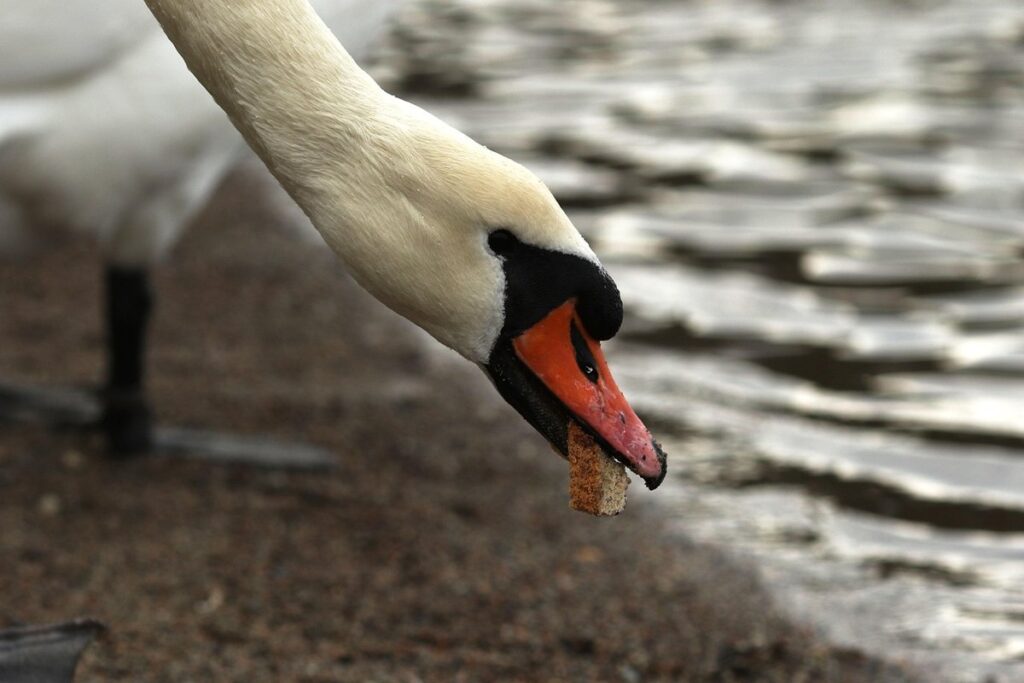
Introduction to Duck Diet
When it comes to foraging for food, ducks are incredibly resourceful and opportunistic eaters. Let’s dive into what they typically consume in their natural habitats.
What We Know About Ducks’ Omnivorous Nature
Ducks are known for their adaptability when it comes to finding food. As opportunistic feeders, they take advantage of whatever is available in their environment, whether that’s plants or animals. In the wild, you can spot ducks munching on aquatic plants like water lilies and algae, as well as grasses and grains that grow near ponds and lakes.
But ducks don’t just eat plants – they’re also happy to snack on insects, worms, and even small fish! For example, wood ducks are known to feed on crayfish and snails in addition to their plant-based diet. This omnivorous nature allows them to thrive in a variety of habitats, from marshes to forests.
In fact, studies have shown that ducks can survive for extended periods without water by switching to land-based foods like seeds, fruits, and insects. So if you’re trying to attract ducks to your yard, consider planting a mix of aquatic plants and native grasses – they’ll be sure to take advantage of the bounty!
Importance of Studying Duck Diet in the Wild
Understanding what ducks eat in their natural habitat is crucial for their conservation and management. In the wild, ducks play a vital role in maintaining ecosystem balance by controlling aquatic plant growth and serving as a food source for other animals. Studying duck diet helps conservationists identify potential threats to their populations, such as food scarcity or water pollution.
For example, in North America, Mallard ducks are known to feed on a variety of plants, including aquatic vegetation like algae and water lilies, as well as terrestrial plants like grasses and grains. By understanding these feeding patterns, researchers can develop effective conservation strategies that ensure the long-term sustainability of duck populations. This knowledge also informs habitat management practices, such as creating wetlands with diverse plant species to support duck foraging needs.
Moreover, studying duck diet in the wild provides valuable insights into their adaptability and resilience to environmental changes. By monitoring what ducks eat, researchers can identify early warning signs of ecosystem stressors, allowing them to take proactive measures to protect these iconic waterfowl.
Aquatic Plants and Algae
When it comes to finding sustenance in aquatic environments, ducks have a special fondness for certain types of plants and algae that thrive in water. We’ll explore these fascinating options next.
Common Water Plants Consumed by Ducks
Ducks are opportunistic feeders, and when it comes to aquatic plants, they have a diverse range of options. One of their favorite treats is water lilies (Nymphaea spp.), which grow on the surface of ponds and lakes. These plants provide a rich source of energy, protein, and fiber for ducks. Cattails (Typha latifolia) are another popular choice, with their tall stalks and feathery plumes offering a tasty snack.
Ducks also love to graze on various types of algae, including green algae (Chlamydomonas spp.) and cyanobacteria (Synechocystis spp.). While these microorganisms might not sound like the most appetizing options, they’re actually an important food source for many waterfowl. In fact, some studies have shown that ducks can even help regulate algal blooms by feeding on them!
To encourage your own ducks to dine on aquatic plants, consider creating a pond or pool with a mix of native plant species. This will provide a natural and nutritious food source, as well as create a beautiful and thriving ecosystem. Just remember to maintain a balanced diet that includes other food sources, such as grains and insects, to keep your feathered friends happy and healthy.
Role of Aquatic Plants in Duck Nutrition
Ducks forage on aquatic plants, which form a significant part of their diet. These plants provide essential nutrients, including carbohydrates, proteins, and fibers that support the duck’s growth and development. Aquatic plants like cattails, duckweed, and water lilies are rich in fiber, which helps maintain a healthy gut microbiome in ducks.
The digestibility of aquatic plants varies depending on their type and availability. Some studies suggest that ducks can digest up to 50% of the cellulose found in aquatic plants, making them an efficient source of fiber. In contrast, plants like duckweed have a higher protein content but lower fiber levels. This makes it essential for duck breeders to ensure a balanced mix of plant species in their water bodies.
In the wild, ducks tend to prefer areas with abundant aquatic vegetation, such as shallow wetlands and marshes. By providing a diverse range of aquatic plants, you can create an optimal environment that mimics a duck’s natural diet.
Insects and Small Invertebrates
When it comes to insects, ducks are opportunistic feeders, snatching up grasshoppers, crickets, and even small aquatic creatures like dragonfly larvae to supplement their diet. These tiny treats may not be the main course, but they’re an important snack.
Insectivorous Ducks: A Key Component of Their Diet
Insects and small invertebrates are a crucial component of a duck’s diet. Mosquitoes, flies, and beetles are among the most significant contributors to their nutrient intake. These tiny creatures provide essential protein, vitamins, and minerals that support the duck’s growth, development, and overall health.
A study on wild ducks found that they consume an average of 30-50% insects in their diet. This is particularly true for young ducks, which rely heavily on these high-protein foods to build strong muscles and bones. For example, a brood of mallard ducklings will feed on over 10,000 mosquitoes per day during the first few weeks of life.
Ducks are skilled at hunting insects in water, using their sensitive bills and webbed feet to trap and eat them. They also forage for insects on land, often following other animals like cows or horses that stir up soil and attract these tiny creatures. If you’re raising ducks, consider creating a pond or shallow water area with vegetation, as this will attract insects and provide your birds with a natural source of nutrition.
Prey Selection and Hunting Strategies
When foraging for food, ducks rely heavily on visual and auditory cues to select and hunt their insect prey. From a distance, they’ll spot movement or changes in coloration that signal the presence of insects. For example, a patch of disturbed leaves or a swarm of flies buzzing around a specific area may indicate an abundance of tasty morsels.
As ducks get closer, they use their acute hearing to pinpoint the exact location and type of insect. They can even detect the sound of an individual cricket’s chirping, which is often a giveaway for a nearby gathering of these protein-rich treats.
In terms of hunting strategies, ducks employ a variety of techniques. Some species will wade into shallow water, feeling with their sensitive feet for aquatic insects like snails and crustaceans. Others will use their powerful beaks to dig up underground insect eggs or larvae. Whatever the method, ducks are incredibly efficient predators that can consume vast quantities of insects in a single day – often upwards of 10% of their body weight!
Small Fish and Crustaceans
When out foraging, a duck will often snack on small fish and crustaceans that it encounters in its watery habitat. These tiny treats are an important part of a duck’s diet.
Small Fish: A Significant Source of Protein
Small fish are an incredibly valuable food source for ducks, particularly during breeding and molting seasons when their protein needs increase. Minnows, fry, and other small species make up a significant portion of a duck’s diet in the wild.
These tiny fish are abundant in most aquatic environments, providing an easily accessible source of nutrition for ducks. In fact, studies have shown that small fish can comprise up to 70% of a duck’s total protein intake during these critical periods. By feeding on minnows and fry, ducks get essential nutrients like omega-3 fatty acids, vitamin D, and calcium.
To attract small fish to your pond or lake, consider creating shallow areas with submerged vegetation. This will provide the perfect environment for minnows and other small species to thrive, in turn making them an attractive food source for visiting ducks. By incorporating these habitat features into your waterfowl management plan, you can create a more self-sustaining ecosystem that meets the nutritional needs of your feathered friends.
Crustaceans as a Supplemental Food Source
Ducks also find crustaceans to be an essential part of their wild diet. During certain times of the year, when other food sources are scarce, these small creatures can play a crucial role in keeping them nourished. In freshwater environments, snails and crayfish are common prey for ducks.
In areas with high water flow or where vegetation is sparse, crustaceans may be more abundant than other protein sources. For example, wood ducks have been observed feeding on snails in riverine habitats during the winter months when aquatic plants are less available. Crayfish, also known as crawdads, can provide a rich source of nutrition for ducks.
To encourage your domestic duck to incorporate crustaceans into their diet, consider creating a pond or water feature with areas where crayfish and snails can thrive. This will allow them to forage naturally, but be sure to provide a balanced diet that includes other food sources as well. By understanding the role of crustaceans in a wild duck’s diet, you can better replicate their natural eating habits and promote overall health and well-being in your feathered friends.
Fruits, Grains, and Other Terrestrial Foods
When it comes to foraging on land, ducks have a varied diet that includes an assortment of fruits, grains, and other terrestrial treats. Let’s take a closer look at what they like to snack on!
Fruit Consumption by Ducks: A Common Phenomenon
When foraging for food in the wild, ducks often incorporate fruits into their diet. One of the most common types of fruit consumed by ducks are berries, which can be found growing on bushes and shrubs throughout various ecosystems. Berries such as raspberries, blackberries, and blueberries are all favored by ducks due to their sweetness and nutritional value.
In addition to berries, apples are also a popular choice among wild ducks. These soft fruits are easily digested by the birds and provide essential vitamins and minerals. Ducks will often forage on trees, searching for fallen or ripe fruit to eat.
It’s worth noting that ducks tend to prefer softer fruits like berries and apples over harder ones like pears or peaches. However, these preferences can vary depending on the species of duck and the availability of food sources in their environment. If you’re trying to attract wild ducks to your yard or a specific area, consider planting berry bushes or fruit trees that are known to be favored by these birds.
Importance of Grains in Duck Diet
Grains play a significant role in a duck’s diet when they forage in agricultural fields and natural environments. These grains can include seeds from crops like wheat, oats, barley, and rice, as well as other plant materials. When ducks encounter these grains during their foraging activities, they consume them either intentionally or incidentally.
Ducks may eat grains by digging up roots with their beaks, pecking at seeds, or even swallowing entire stalks while wading through fields. This incorporation of grains in a duck’s diet is essential for providing the necessary nutrients and calories to sustain their bodily functions.
A duck’s digestive system is specifically designed to break down plant-based foods efficiently. When they consume grains, their body extracts valuable compounds such as carbohydrates, proteins, and minerals that are then utilized for growth and energy production.
Water Sources and Drinking Habits
When it comes to staying hydrated, ducks don’t just rely on puddles and ponds for their drinking water. Let’s take a closer look at the various sources they use to quench their thirst.
Access to Clean Water: A Crucial Aspect of Duck Survival
When it comes to what ducks eat in the wild, access to clean water is often overlooked as a crucial aspect of their survival. Yet, it’s just as essential as having a steady food supply. A duck’s diet consists not only of plants and insects but also includes drinking water that is free from pollutants and contaminants.
Ducks can be found accessing different types of water sources, including ponds, lakes, rivers, and even puddles. To stay healthy, they need to drink water regularly, especially during periods of high activity or on hot days when evaporation rates are higher. In the wild, ducks have developed strategies to access clean drinking water; for example, they tend to avoid stagnant pools that may harbor bacteria or other microorganisms.
To ensure your backyard ducks or those in a wildlife area stay hydrated and healthy, provide them with access to a reliable source of clean water. You can achieve this by installing a birdbath or shallow dish filled with fresh water changed regularly. This will not only quench their thirst but also encourage socialization and relaxation.
Drinking Habits and Water Quality
When ducks forage for food in the wild, their drinking habits play a crucial role in sustaining them. Like all animals, ducks need access to clean water to quench their thirst and keep themselves hydrated. However, they can be quite particular about where and when they drink.
Ducks are most active during early morning and late afternoon hours, which is also when they tend to drink the most. They prefer calm waters with a good balance of fresh water from rain or snowmelt and slightly salty water from rivers or lakes. Water temperature also affects their drinking habits – they tend to avoid extremely cold or warm water that’s likely to harbor bacteria or other pathogens.
A key factor influencing duck drinking habits is water quality. As you might expect, ducks prefer water with a pH level close to neutral (around 7) and low levels of pollutants such as agricultural runoff, sewage, or industrial chemicals. If the water quality is poor, they may need to travel further in search of a safe source.
In areas where natural water sources are scarce, humans have created artificial ponds and lakes specifically designed for ducks. These human-made water bodies can provide an essential resource for local duck populations – but only if properly maintained with regular cleaning and monitoring of water quality.
While ducks can tolerate some levels of contamination in the short term, long-term exposure to poor-quality water can weaken their immune systems and make them more susceptible to diseases.
Conclusion: Understanding the Complexity of a Duck’s Diet
As we’ve explored the fascinating world of what ducks eat in the wild, it’s time to summarize and reflect on the complexity of their diet. Let’s review the key takeaways that will help you better understand a duck’s eating habits.
Recap of Key Findings
As we conclude our exploration of what ducks eat in the wild, let’s recap the key findings from this article. We’ve learned that a duck’s diet is incredibly diverse and varied, depending on factors such as geographic location, season, and availability of food sources.
In aquatic environments, ducks feed on a wide range of plants, including grasses, sedges, and aquatic vegetation. They also forage for insects, crustaceans, and small invertebrates like snails and slugs. In addition to plant-based foods, ducks have been known to eat small fish, frogs, and even carrion if the opportunity arises.
Some of the most significant takeaways from our discussion include:
* The importance of considering local food sources when understanding a duck’s diet
* The flexibility of a duck’s diet in response to changing environmental conditions
* The crucial role that aquatic vegetation plays in supporting duck populations
By appreciating the complexities of a duck’s wild diet, we can better understand and appreciate these amazing birds. Whether you’re an avid birdwatcher or simply interested in learning more about wildlife, this knowledge can be invaluable for informed decision-making when interacting with ducks in their natural habitat.
Implications for Conservation and Management
Understanding what ducks eat in their natural habitat has significant implications for their conservation and management. By recognizing the importance of diverse food sources, we can work towards preserving habitats that support a duck’s dietary needs. This includes wetlands, grasslands, and aquatic ecosystems that provide an array of insects, plants, and small invertebrates.
Human activities such as deforestation, pollution, and agricultural expansion threaten these ecosystems, impacting duck populations. For instance, the destruction of wetlands has led to reduced waterfowl habitats, causing ducks to rely on smaller areas for food and shelter. This can result in overcrowding, increased competition for resources, and heightened susceptibility to disease.
To mitigate these effects, it’s essential to adopt sustainable practices that protect and restore natural habitats. Governments and organizations can work together to establish protected areas and implement policies promoting eco-friendly land use. Additionally, individuals can contribute by reducing their carbon footprint, supporting local conservation efforts, and choosing environmentally responsible products. By taking a holistic approach to duck conservation, we can ensure the long-term health of these fascinating birds and preserve their unique relationship with their natural environment.
Frequently Asked Questions
What are some common aquatic plants that ducks eat in the wild?
Ducks consume a variety of aquatic plants, including water lilies, algae, cattails, and duckweed. These plants provide essential nutrients and help support their digestive health. When foraging for aquatic plants, it’s worth noting that different species may prefer certain types of vegetation over others.
Can ducks eat insects in the wild even if they have access to other food sources?
Yes, many duck species are insectivorous, meaning they actively seek out insects as a primary source of nutrition. Insects provide a rich source of protein and help support their growth and development. Even if other food sources are available, ducks may still prioritize insects in their diet.
How do ducks adapt to seasonal changes in their natural habitats?
Ducks are incredibly adaptable birds that adjust their feeding habits according to the season. For example, during periods of cold weather, they may focus on consuming more calorie-dense foods like seeds and grains to help sustain themselves through the winter months. Conversely, during warmer periods, they may shift their diet towards more protein-rich foods like insects and small fish.
Can I use my backyard pond as a safe habitat for ducks if it’s not specifically designed for wildlife?
While it may be tempting to invite ducks to your backyard pond, it’s essential to ensure that the environment is safe and suitable for these birds. Unintentional feeding or habitat modification can lead to negative consequences, such as malnutrition or even death. Consider consulting with a local wildlife expert or animal control service to assess your pond’s suitability.
What steps can I take to support ducks in my community through conservation efforts?
Supporting duck conservation requires a multi-faceted approach that involves both individual actions and collective initiatives. You can start by supporting organizations dedicated to protecting wetlands and promoting sustainable agriculture practices, which help maintain healthy habitats for these birds. Additionally, consider spreading awareness about the importance of responsible feeding practices and the role ducks play in maintaining ecosystem balance.