
When you’re browsing through your local grocery store or perusing online marketplaces, have you ever noticed the “free range” label on chicken products? It’s a term that’s often touted as a more humane and sustainable alternative to traditional farming methods. But what exactly does it mean? Is free range chicken really better for you and the environment? In this article, we’ll delve into the truth behind the label, exploring its definition, benefits, and drawbacks. We’ll also debunk common misconceptions surrounding this popular term, so you can make informed choices when shopping for your next meal. Whether you’re a health-conscious foodie or simply concerned about animal welfare, understanding the meaning of free range chicken is essential for making responsible purchasing decisions.
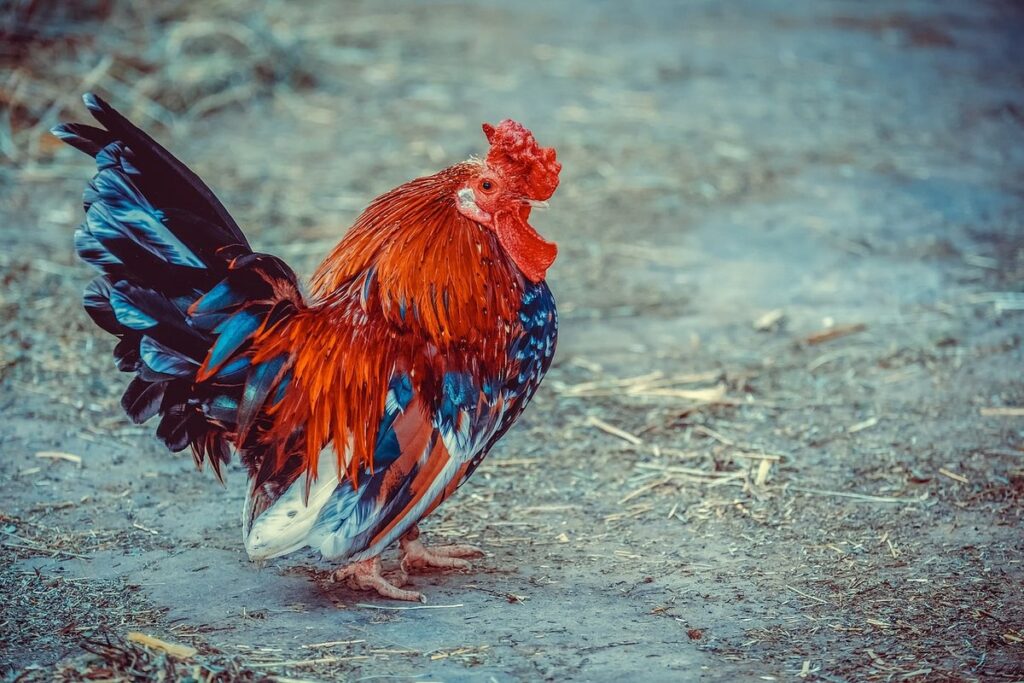
What Does Free Range Mean?
So you’re wondering what ‘free range’ really means when it comes to chicken labels? Let’s dive into the details and get a clear understanding of what this term actually entails.
Definition and Regulations
In the United States, the term “free range” is regulated by the US Department of Agriculture (USDA). According to federal guidelines, free-range chickens must have access to the outdoors for at least six hours per day. This means that farms claiming to be free-range must provide some form of outdoor access, such as a fenced area or a door leading outside.
To qualify as free-range, farms must also meet specific space requirements for both the indoor and outdoor areas. The USDA requires at least one square foot of outdoor space per bird, but this can vary depending on the state and local regulations. It’s worth noting that some states have stricter guidelines than others, so it’s essential to check with local authorities for specific requirements.
Farms must also ensure that their free-range areas are safe and clean for the chickens to roam in. This includes providing shelter from the elements, protection from predators, and adequate ventilation.
History of Free Range Labeling
The term “free range” has its roots in agriculture and animal husbandry, dating back to the 19th century. At that time, farmers allowed their livestock to roam freely outdoors, which improved the animals’ health and welfare. In the early 20th century, a movement emerged advocating for better living conditions for farm animals. As consumers became more aware of animal welfare, the term “free range” gained popularity.
However, over the years, concerns arose about the accuracy and consistency of labeling products as “free range.” Some producers exploited loopholes in regulations, confining birds to tiny areas while still claiming they had access to the outdoors. This led to a 2010 USDA rule requiring that chickens have at least 2 square feet of outdoor space per bird. Yet, even with this change, controversy surrounding free-range labeling persists. Today, consumers must remain vigilant and research producers’ practices beyond the label.
Benefits and Concerns of Free Range Chicken
As you consider adding free range chicken to your diet, it’s essential to weigh the benefits against some potential concerns that come with this label. Let’s explore these trade-offs together.
Advantages for Animal Welfare
Free range farming offers several advantages for animal welfare. One of the most significant benefits is providing birds with ample space to move around. Unlike conventional battery cages that confine hens to a small area, free-range systems allow them to roam freely outdoors, engaging in natural behaviors like scratching, pecking, and foraging.
This increased movement has been shown to improve the overall health and well-being of birds. Studies have found that free-range hens are less likely to develop stress-related disorders and have better bone density compared to their caged counterparts. In fact, a study by the University of Bristol discovered that free-range hens had 25% fewer feather pecking incidents, which can be a sign of stress or boredom.
Practically speaking, when choosing a free-range chicken product, look for farms that offer at least 4-6 square meters of outdoor space per bird. This allows them to engage in natural behaviors and reduces the likelihood of overcrowding, stress, and disease transmission. By supporting free-range farming practices, consumers can contribute to improving animal welfare while enjoying high-quality eggs or meat.
Potential Drawbacks: Health Risks and Contamination
While free range chicken has gained popularity for its supposed health benefits and better living conditions, there are some concerns associated with it. One potential drawback is the increased risk of disease transmission among birds. In open-range systems, birds are more likely to come into contact with other animals that may carry diseases such as salmonella or E. coli. This can lead to outbreaks and even human illnesses if proper handling and cooking procedures aren’t followed.
Another concern is contamination from environmental pathogens. Free range chickens have access to the outdoors, which means they’re exposed to dirt, manure, and other potential contaminants. If not properly managed, this can lead to higher levels of bacteria like campylobacter in their meat. To minimize these risks, look for farms that prioritize biosecurity measures and follow strict hygiene protocols.
When shopping for free range chicken, be aware of the label’s limitations. Not all “free range” labels are created equal – some may allow as little as 2-5 minutes of outdoor access per day.
How Free Range Farms Compare to Conventional Ones
When it comes to free range chicken, how does it stack up against conventional farming methods? We’ll break down the key differences in outdoor access and living conditions.
Living Conditions and Space Allocation
When it comes to living conditions and space allocation, free range farms differ significantly from conventional ones. On a free range farm, birds have access to the outdoors for most of their lives, where they can roam freely and engage in natural behaviors like foraging, scratching, and flying. This means they get to enjoy fresh air, sunlight, and exercise, which is essential for their physical and mental well-being.
In contrast, conventional farms often keep birds indoors, often in cramped and poorly ventilated conditions. The space allocation for each bird is typically much smaller, with some farms housing up to 50,000 hens per hectare. This lack of space and stimulation can lead to stress, boredom, and a range of health problems.
To put this into perspective, the RSPCA recommends that birds have at least 0.15 square meters of outdoor access for every bird in the flock. Some free range farms exceed this standard, providing their birds with a much larger outdoor area to roam and exercise in.
Feeding Practices and Nutrition
When it comes to feeding practices on free range farms, the emphasis is on providing a more natural and diverse diet for chickens. Unlike conventional farming methods where birds are often fed a diet of corn and soybeans, free range farms offer their flock access to pasture where they can forage for grasses, insects, and other invertebrates. This not only provides essential nutrients but also allows the chickens to engage in natural behaviors like pecking and scratching.
On average, free range farms devote around 10-15% of their land to feeding areas where supplemental feed is provided, which may include fruits, vegetables, and grains. However, these supplements are often organic and locally sourced to minimize environmental impact. By contrast, conventional farming methods rely heavily on commercial feed that can be high in additives and preservatives.
It’s worth noting that the quality of free range feed can vary significantly depending on factors like region, farm size, and management practices. Some free range farms may also offer certified organic or regenerative feeding programs that prioritize soil health and biodiversity.
The Impact on Consumer Choice and Pricing
Now that we’ve examined what free range chicken really means, let’s look at how it affects you as a consumer, from price to purchasing power. We’ll explore the impact on consumer choice and pricing.
Free Range vs. Organic: What’s the Difference?
When browsing through the poultry section at your local grocery store, you may have noticed two labels that seem to promise a more humane and sustainable alternative: free range and organic. While these terms are often used interchangeably, they actually refer to distinct production methods with different regulations and benefits.
Free range chickens, for example, are allowed to roam freely outdoors, but the exact duration of their outdoor time is not strictly regulated. In contrast, organic chickens must adhere to a set of strict guidelines that include access to the outdoors, as well as a diet free from antibiotics and pesticides.
The key distinction between these two labels lies in their production methods. Organic farming focuses on the absence of synthetic chemicals, while free range emphasizes the animal’s living conditions. This difference is crucial for consumers who want to make informed choices about the food they eat. If you’re looking for eggs that are produced without antibiotics or pesticides, organic might be a better option.
How Price Influences Consumer Choices
When it comes to making purchasing decisions about free range chicken, price can play a significant role. Research has shown that consumers are willing to pay more for products they perceive as higher quality or more sustainable. For instance, a study by the National Chicken Council found that 62% of consumers are willing to pay a premium for humanely raised chicken.
However, the relationship between price and consumer choices is not always straightforward. A consumer’s income level can also influence their willingness to pay extra for free range chicken. A higher-income household may be more likely to prioritize animal welfare issues and be willing to pay the premium associated with free range labeling. On the other hand, a lower-income household may find it challenging to afford the higher price point.
Understanding one’s own budget and priorities can help consumers make informed decisions about free range chicken. To make sustainable choices on a limited budget, consider shopping at local farmers’ markets or buying in bulk from reputable suppliers. This way, you can still opt for humane and sustainable products without breaking the bank.
Debunking Common Misconceptions About Free Range Chicken
One of the biggest misconceptions about free range chicken is that it’s automatically better for you, but what does ‘free range’ really mean and how is it regulated? Let’s dive into some common myths.
Separating Fact from Fiction: A Closer Look at Labels
When you hear the term “free range,” it’s natural to assume that chickens have access to vast outdoor spaces where they can forage freely. However, this isn’t always the case. The truth is, the label doesn’t necessarily mean that birds are roaming freely outdoors.
In fact, some farms might provide as little as a tiny window or a small door leading outside, which may be closed most of the time. This limited access to outdoor space can be misleading, especially for consumers who believe that free range hens are getting their daily dose of sunlight and exercise.
To make matters worse, there’s no standard definition for what “free range” entails in terms of access to outdoors or foraging. What this means is that different farms may have varying interpretations of the label, which can lead to confusion among consumers.
When shopping for free range chicken, look beyond the label and ask questions about the farm’s specific policies on outdoor access and foraging. By doing your research and being informed, you’ll be better equipped to make a more educated choice when it comes to choosing your next batch of eggs or meat.
Separating Organic and Free-Range Labels
When shopping for free-range chicken, you may have noticed that labels can be confusing. The terms “organic” and “free-range” are often used interchangeably, but they actually mean different things.
Let’s start with the USDA Organic label. To earn this certification, farms must adhere to strict guidelines regarding animal welfare, feed, and living conditions. While organic chicken is free to roam outdoors, it may not always have access to the same level of outdoor space as “free-range” birds. In fact, a 2019 study found that organic chicken farms often had smaller outdoor areas than conventional free-range farms.
On the other hand, the term “free-range” doesn’t come with any specific guidelines or regulations. This means that some producers may use this label to describe chickens that have only limited access to the outdoors, while others provide much more extensive opportunities for exercise and exploration.
To make informed choices about what “free-range” really means in different contexts, look for third-party certifications like the Certified Humane program or the Animal Welfare Approved seal. These organizations have their own strict standards for animal welfare and living conditions. By doing your research and choosing products with these labels, you can be confident that your free-range chicken is living up to its promise.
The Future of Free Range Chicken: Emerging Trends and Challenges
As we look ahead, emerging trends and challenges are shaping the free range chicken industry, from innovative farming practices to growing consumer demands. What do these shifts mean for your shopping habits?
Sustainable Farming Practices and Regenerative Agriculture
As we delve deeper into the world of free range chicken, it’s essential to explore the emerging trends that are shaping its production. Sustainable farming practices and regenerative agriculture are revolutionizing the way farmers raise chickens, with a focus on not only animal welfare but also environmental conservation.
Regenerative agriculture, in particular, is gaining traction as a more holistic approach to farming. By mimicking nature and promoting biodiversity, these methods enhance soil health, increase crop yields, and reduce synthetic inputs. This approach also benefits free range chicken production by creating healthier living conditions for the birds. For instance, regenerative farms often provide chickens with access to diverse pastures, allowing them to engage in natural behaviors like foraging.
Some notable examples of regenerative farming practices include no-till or reduced-till farming, cover cropping, and integrating livestock into crop rotations. These methods not only improve soil fertility but also sequester carbon, making a significant contribution to mitigating climate change. As consumers, we can support sustainable free range chicken production by looking for labels like “Regenerative Organic Certified” or “Certified Humane.” By choosing producers who prioritize regenerative practices, we’re voting with our dollars for a more environmentally conscious and animal-friendly food system.
Addressing Concerns and Improving Standards
As we continue to explore the complexities of free range chicken labeling, it’s essential to acknowledge the ongoing efforts aimed at addressing concerns and improving standards. Many organizations and regulatory bodies are working tirelessly to ensure that “free range” truly means what consumers expect.
One notable initiative is the adoption of higher welfare standards by companies like Tesco and Marks & Spencer in the UK. These retailers have pledged to source their free-range eggs from farms that meet strict criteria, including access to outdoor spaces for at least 8 hours a day. This move not only benefits animal welfare but also contributes to more sustainable farming practices.
To make informed choices as consumers, look out for certifications like “RSPCA Assured” or “Freedom Food,” which guarantee higher standards of welfare and environmental sustainability. You can also support local farmers who prioritize regenerative agriculture and transparent practices. By demanding better from producers and supporting those that meet our expectations, we can drive positive change in the free-range industry. This collective effort will ultimately lead to more authentic labeling and a better future for both animals and the environment.
Frequently Asked Questions
How do I know if a free-range chicken label is trustworthy?
When shopping for free-range chicken, it’s essential to look beyond the label. Research the farm or producer online, checking for reviews, certifications (like Certified Humane), and third-party audits. Also, don’t hesitate to contact the company directly with questions about their practices. A reputable producer should be transparent about their farming methods.
Can free-range chicken be more expensive than conventional chicken?
Yes, free-range chicken is often pricier due to the higher costs associated with providing outdoor access and meeting space requirements. However, many consumers consider the benefits of improved animal welfare and potentially better nutrition to outweigh the extra cost. Consider shopping at local farmers’ markets or through community-supported agriculture (CSA) programs for more affordable options.
How can I support free-range farming practices in my area?
Start by connecting with local farmers who prioritize humane and sustainable methods. You can find them through online directories, social media groups, or word of mouth. Consider purchasing their products directly from the farm or at a nearby store. Additionally, look into supporting organizations that promote regenerative agriculture and animal welfare.
What are some common misconceptions about free-range chicken?
One common myth is that free-range chickens are always raised outdoors. However, as we discussed in the article, farms can still be labeled as “free range” even if chickens spend only a few hours outside per day. Be sure to research the farm’s practices and ask questions when shopping for free-range products.
Can I raise my own free-range chicken at home?
Yes, with proper planning and resources, you can raise your own free-range chickens on your property. This approach allows you to control every aspect of their care, from space allocation to feeding practices. However, be aware that local regulations may apply, so ensure you comply with zoning laws and health codes before starting your backyard flock.