
When you hear the word “poultry,” what comes to mind? For many, it’s images of chicken coops, farms, and grocery store aisles stocked with various types of meat. But have you ever stopped to think about what exactly poultry means? The term encompasses a wide range of birds, including chickens, turkeys, ducks, geese, and even game birds like quail and pheasant. As it turns out, the concept of poultry has a rich history that spans thousands of years, with early civilizations relying on these birds as a primary source of protein. Today, the poultry industry is a global phenomenon, with billions of dollars in revenue and a significant impact on modern food systems. In this article, we’ll take a closer look at the evolution of poultry, its various types, and its cultural significance to explore what it truly means to be a part of the poultry world.
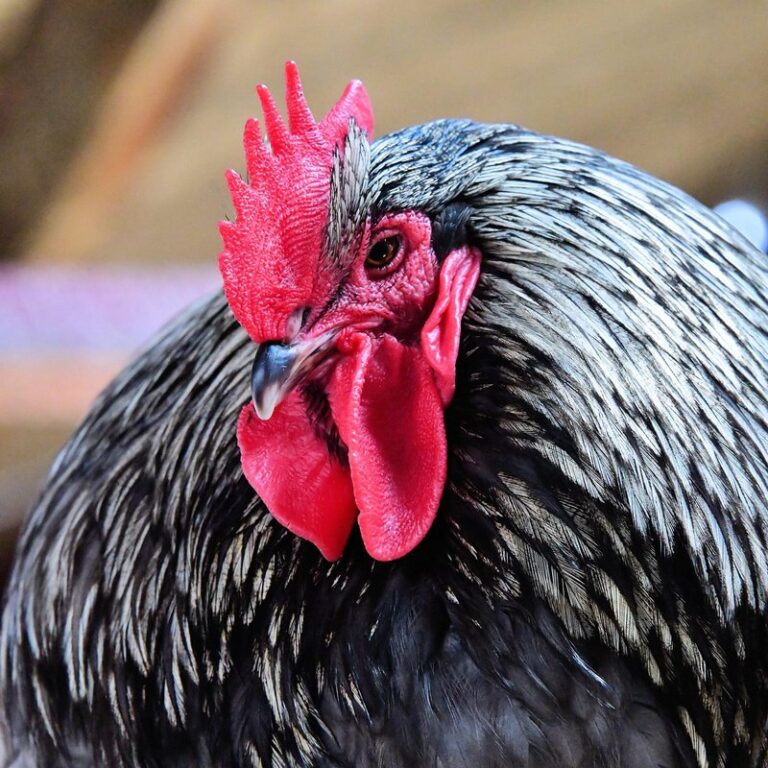
Defining Poultry: Origins and History
The term poultry encompasses a wide range of domesticated birds, from chickens to turkeys, and their history dates back thousands of years. Let’s explore where it all began.
Early References to Poultry in Literature
The earliest recorded references to poultry can be found in ancient texts that date back thousands of years. In Homer’s epic poem “The Iliad”, written around 800 BCE, there are mentions of birds being kept for food and companionship. For example, Helen of Troy is said to have been accompanied by a servant who was tasked with caring for her flock of birds.
Similarly, Virgil’s “Georgics” from the 1st century BCE also makes reference to poultry farming. The poem includes detailed advice on how to raise chickens, ducks, and geese, including tips on feeding, breeding, and disease prevention. These early texts demonstrate that humans have been domesticating and raising birds for food and other purposes for thousands of years.
The fact that ancient civilizations recognized the value of poultry as a source of food and companionship highlights its significance in human history. As we explore what does poultry mean today, it’s essential to understand how this term has evolved over time. By examining these early references, we can gain insight into the origins of modern poultry farming practices and appreciate the importance of poultry in our diets and cultures.
Evolution of Poultry Terminology Over Time
The term “poultry” has undergone significant changes over centuries, shaped by various languages and cultural contexts. Its evolution is a testament to the dynamic nature of language and the adaptation of words to suit new environments.
In medieval England, for instance, the term “poultrie” referred specifically to the raising of chickens for food. This linguistic distinction highlights the early focus on domesticated birds as a primary source of sustenance. As European explorers and traders traveled the world, they encountered diverse bird species that were raised for consumption or other purposes.
The influx of new terminology from languages such as French (“poulet”) and Latin (“pullus”) further expanded the meaning of “poultry.” The term came to encompass not just chickens but also turkeys, ducks, geese, and other domesticated birds. This broadening of definition reflects changing culinary practices and cultural exchange.
Over time, “poultry” has absorbed various regional nuances while maintaining its core meaning. Today, it remains a versatile term that encompasses an array of bird species worldwide.
Historical Context for Early Farming Practices
To understand what poultry means, we must delve into its historical context. The origins of farming practices date back to around 10,000 years ago when humans first transitioned from a nomadic hunter-gatherer lifestyle to one that was more sedentary and agricultural. This marked the beginning of domestication – animals were no longer just wild beasts but were instead raised and cared for by humans.
One of the earliest forms of farming involved raising livestock such as cattle, sheep, and goats for their meat, milk, and hides. However, it wasn’t until much later that birds began to be domesticated. The first recorded evidence of poultry farming dates back around 8,000 years ago in Asia Minor (modern-day Turkey) where chickens were kept for their eggs and meat.
As civilizations developed and trade routes expanded, various breeds of poultry spread across the globe. In ancient Egypt, for example, geese and ducks were considered sacred animals, while in Rome, peacocks and doves were prized for their beauty and musical calls.
Types of Poultry: Domesticated vs. Wild
Let’s explore the different types of poultry that exist, including domesticated birds raised on farms and their wild counterparts found in nature, like pheasants and turkeys.
Classification of Domesticated Poultry Breeds
When it comes to domesticated poultry breeds, they can be broadly classified into several categories based on their characteristics and evolutionary history. One of the main categories is waterfowl, which includes ducks, geese, and swans. These birds are adapted to living in or near water and are known for their webbed feet and ability to dive.
Another category is galliforms, which comprises chickens, turkeys, pheasants, and quails. These birds are terrestrial and have strong legs suitable for walking and running. Galliforms are popular among backyard farmers due to their ease of care and high egg production.
Ratites, on the other hand, include ostriches, emus, and rheas. These large flightless birds are native to southern hemisphere regions and are prized for their meat and feathers. Understanding these categories is essential for choosing the right breed for your farm or backyard flock. If you’re just starting out, it’s best to begin with galliforms, as they are relatively easy to care for and require minimal space.
Each category has its unique characteristics, and knowing which one suits your needs will help you make informed decisions about your poultry-raising endeavors.
Characteristics of Wild Poultry Species
Wild poultry species, such as pheasants and grouse, exhibit unique features that distinguish them from their domesticated counterparts. One of the most notable characteristics is their ability to forage and fend for themselves in the wild. Pheasants, for instance, are ground-dwelling birds that feed on seeds, fruits, and insects, while grouse tend to inhabit higher elevations, where they graze on grasses and lichens.
Wild poultry species often have striking plumage patterns and colors, which serve as camouflage in their natural habitats. Pheasants, for example, display vibrant greens and browns that help them blend in with dense foliage. Grouse, on the other hand, feature cryptic mottling that allows them to remain inconspicuous against rocky outcrops.
If you’re interested in keeping wild poultry as pets or observing them in their natural habitat, it’s essential to research and understand their specific needs and habits. For example, pheasants require a lot of space to roam, while grouse are more solitary and territorial. By appreciating the unique characteristics of wild poultry species, you can better appreciate their importance in ecosystems worldwide.
Etymology and Linguistic Roots of “Poultry”
The word “poultry” has a rich history that’s been shaped by centuries of linguistic evolution, so let’s take a closer look at its fascinating origins.
Ancient Words for “Fowl” or “Bird”
The words we use today to describe birds and their products have fascinating histories that reveal the linguistic roots of “poultry.” In Latin, for example, the word “avis” meant both bird and fowl, demonstrating the early connection between these concepts. The Greeks used the term “ornithos,” which referred specifically to birds in general. Meanwhile, Old English employed the words “fugol” (bird) and “hænnan” (hen).
As languages evolved, so did their vocabularies. In many cases, words related to poultry were derived from descriptive terms rather than specific animal names. The word “poultry,” itself, originated in the 15th century as a combination of “fowl” and “live stock.” This blending reflects the growing commercialization of bird farming during this period.
It’s worth noting that linguistic borrowing has played a significant role in shaping our modern vocabulary for poultry. For instance, the French term “volaille,” used to describe domesticated birds, was adopted into Middle English as “fowl.” The result is a rich tapestry of words with distinct historical and cultural associations, highlighting the complex etymology of “poultry.”
Influence of Trade and Cultural Exchange on Poultry Vocabulary
As you delve into the world of poultry, it’s clear that its meaning has been influenced by centuries of trade and cultural exchange. The term “poultry” itself is believed to have originated from the Latin word “pullus,” which referred to a young chicken or bird. However, the vocabulary surrounding poultry has been shaped by various languages and cultures over time.
For instance, the French word “poulet” for chicken was adopted into English, while other European languages like German (“Huhn”) and Italian (“pollame”) have distinct terms for poultry. Similarly, in Asia, countries like Japan and China have their own unique words for poultry, reflecting the local culinary traditions and cultural exchange.
This linguistic diversity is a testament to the impact of trade and cultural exchange on the vocabulary surrounding poultry. Today, as globalization continues to connect cultures and economies, it’s essential to appreciate the nuances of language that reflect our shared history with poultry.
Modern Understanding and Usage of Poultry
Today, we’re going to explore how our modern understanding of poultry has expanded beyond just chickens and turkeys, to include a wide variety of birds. This includes ducks, geese, quail, and even ostriches.
Contemporary Industry Practices and Regulations
In today’s poultry industry, farming practices have evolved significantly to meet consumer demands for sustainable and safe products. Many large-scale farms now implement free-range systems, where birds are allowed to roam freely outdoors, which can improve their welfare and potentially increase the nutritional value of their meat. However, this shift towards more humane treatment also raises concerns about food safety.
Regulations play a crucial role in ensuring that poultry production meets certain standards. In many countries, laws dictate specific requirements for bird health, living conditions, and slaughter practices. For instance, some farms may be required to implement vaccination programs or strict biosecurity measures to prevent disease outbreaks. Consumers can also look for certifications like “Raised Without Antibiotics” or “Certified Humane,” which indicate that the farm adheres to stricter guidelines.
Environmental concerns are another critical aspect of poultry production. Manure management is a significant issue, as large quantities of waste can pollute waterways and contribute to greenhouse gas emissions. As a result, many farms now incorporate practices like composting or anaerobic digestion to reduce waste and generate energy. When shopping for poultry products, consumers may want to consider purchasing from farms that have implemented these sustainable methods.
Impact of Globalization on Poultry Trade and Consumption
The poultry industry has been significantly impacted by globalization, leading to changes in trade and consumption patterns. Globalization has increased access to a wider variety of chicken products from different countries, such as Brazil’s export-driven industry and China’s large-scale production.
This shift has also led to the rise of global food chains, where menu items are standardized across multiple locations. For instance, KFC’s finger-lickin’ good chicken is now enjoyed in over 140 countries worldwide. However, globalization has not only brought about benefits but also challenges such as cultural appropriation and homogenization.
In recent years, there has been a growing trend towards local and organic poultry production to cater to consumers seeking more sustainable options. Consumers are becoming increasingly aware of the environmental and social impact of their food choices, driving demand for locally sourced products.
When shopping for poultry, consider looking for certifications like “free-range” or “hormone-free.” These labels can indicate that the birds were raised with better living conditions and without added growth hormones. Always check the origin of the product to support local economies and make informed decisions about your food choices.
Cultural Significance and Symbolism of Poultry
Poultry has been a significant part of human culture for centuries, carrying deep symbolic meanings that vary across different societies. Let’s explore how these birds have become imbued with cultural significance and symbolism.
Anthropological Studies on Poultry in Different Cultures
Poultry has been an integral part of human cultures for thousands of years, playing a significant role in their traditions, myths, and daily lives. In some societies, poultry is revered as a symbol of prosperity and good fortune. For instance, in ancient China, the phoenix was often depicted as a majestic bird associated with imperial power and divine authority. Similarly, in many African cultures, the ostrich is considered a sacred animal, embodying strength, fertility, and spiritual power.
In other cultures, poultry has been used to convey social status and wealth. In medieval Europe, for example, peacocks were often displayed as symbols of nobility and grandeur, while in ancient India, the peacock was associated with the god Krishna. These examples demonstrate how various societies have imbued poultry with unique meanings and significance.
By understanding these cultural associations, we can gain a deeper appreciation for the complex symbolism surrounding poultry. Whether revered or utilized, poultry has played a vital role in shaping human traditions and myths.
Iconic Role of Poultry in Literature, Art, and Music
Poultry has had a profound impact on human culture, transcending its role as a food source to become an integral part of literature, art, and music. In literature, poultry is often used as a symbol of abundance, fertility, and prosperity. Consider the classic novel “The Great Gatsby” by F. Scott Fitzgerald, where the lavish parties hosted by Jay Gatsby feature copious amounts of roasted chicken and other poultry dishes. This portrayal not only highlights the social status of the characters but also underscores the association between poultry and opulence.
In art, poultry has been a recurring theme, particularly in still-life paintings and prints from the 16th to 18th centuries. Artists such as Pieter Claesz and Willem Kalf often depicted game birds, turkeys, and other fowl in intricate detail, emphasizing their beauty and rarity. This emphasis on poultry’s aesthetic value reflects its significance beyond mere sustenance.
In music, poultry has been a subject of inspiration for many artists. Take the 1960s song “Egg Sucking Dog” by The Pretty Things, which features lyrics about a farmhand who falls in love with a chicken. More recently, indie folk musicians have explored themes of farm life and animal welfare in their songs.
Incorporating poultry into creative works can be as simple as adding a bird to your next painting or writing a poem about the joys of foraging for eggs at a local farm. You might also consider exploring different cultures’ interpretations of poultry, such as the significance of turkeys in Aztec mythology or the symbolism of ducks in Chinese culture.
Industry and Economic Aspects of Poultry Production
Let’s take a closer look at how poultry production affects the economy, from farm-to-table costs to the impact on local communities.
Overview of Global Poultry Market Trends and Projections
The global poultry market has been on a steady rise, driven by increasing demand for protein-rich foods. According to recent statistics, global poultry production reached 141 million metric tons in 2020, with the United States, China, and Brazil being among the top producers. This growth can be attributed to factors such as urbanization, rising incomes, and changing consumer preferences.
Consumer trends also play a significant role in shaping the poultry market. In recent years, there has been a shift towards more sustainable and humane farming practices, with many consumers opting for free-range or organic chicken products. Moreover, online shopping and social media have made it easier for consumers to access and share information about their favorite chicken brands.
Looking ahead, the global poultry market is expected to continue its upward trajectory, with projections indicating a growth rate of 4-5% by 2025. This growth will be driven by increasing demand from emerging markets such as Southeast Asia and Africa, where poultry consumption is on the rise due to rising incomes and urbanization.
Sustainable Practices and Innovations in Poultry Farming
In recent years, the poultry industry has made significant strides towards adopting sustainable practices and innovations that not only benefit the environment but also improve farm productivity. One of the key drivers behind this shift is the growing consumer demand for eco-friendly and responsibly produced poultry products.
For instance, many farmers are now incorporating renewable energy sources such as solar power into their operations to reduce greenhouse gas emissions and dependence on fossil fuels. Others have turned to using biogas digesters to convert manure into electricity and heat, further reducing waste management costs and environmental impact.
Another innovation gaining traction is the use of precision feeding systems that optimize feed intake and nutrient delivery for individual birds, minimizing food waste and improving overall health outcomes. This approach not only enhances bird welfare but also contributes to lower greenhouse gas emissions from agricultural activities.
Farmers can explore these options by consulting with industry experts or attending workshops on sustainable poultry production practices. Some countries have also implemented policies and incentives to encourage farmers to adopt more environmentally friendly methods, such as tax breaks for renewable energy investments.
Frequently Asked Questions
What types of birds are considered poultry?
The term “poultry” refers to a wide range of domesticated birds, including chickens, turkeys, ducks, geese, quail, pheasant, and many others. Domesticated breeds account for the majority of global poultry production.
How can I ensure my backyard flock is healthy and safe?
To maintain a healthy backyard flock, it’s essential to provide adequate space, nutrition, and veterinary care. Regularly inspect your birds’ living conditions, monitor their health closely, and consult with experts if you notice any signs of illness or stress.
Can wild birds be considered part of the poultry industry?
While some wild bird species are hunted for food, the term “poultry” specifically refers to domesticated birds raised on farms or in backyard flocks. However, the hunting and processing of game birds like quail and pheasant can have implications for local ecosystems and economies.
Are there any regulations governing the treatment and handling of poultry?
Yes, many countries have laws and guidelines in place to ensure animal welfare and food safety in the poultry industry. These regulations cover aspects such as living conditions, slaughter practices, and environmental impact.
How has globalization affected the global poultry market?
Globalization has significantly impacted the poultry trade, leading to increased international competition, consolidation of large-scale producers, and changes in consumer preferences. This has resulted in a more complex and dynamic market with far-reaching effects on local economies and food systems.