
If you’re a duck owner or enthusiast, you’ve probably wondered about their eating habits. What do ducks really eat in the wild? How can we replicate that natural diet at home to ensure our feathered friends are getting everything they need to thrive? The answer lies in understanding duck nutrition and what constitutes a balanced diet for these omnivorous birds. From commercial feeds to natural foods, it’s essential to provide the right mix of nutrients to keep your ducks healthy and happy. In this article, we’ll explore what food do ducks eat, both in their natural habitat and in domestic settings, and offer practical tips on how to create a well-rounded diet for your quacking companions at home.
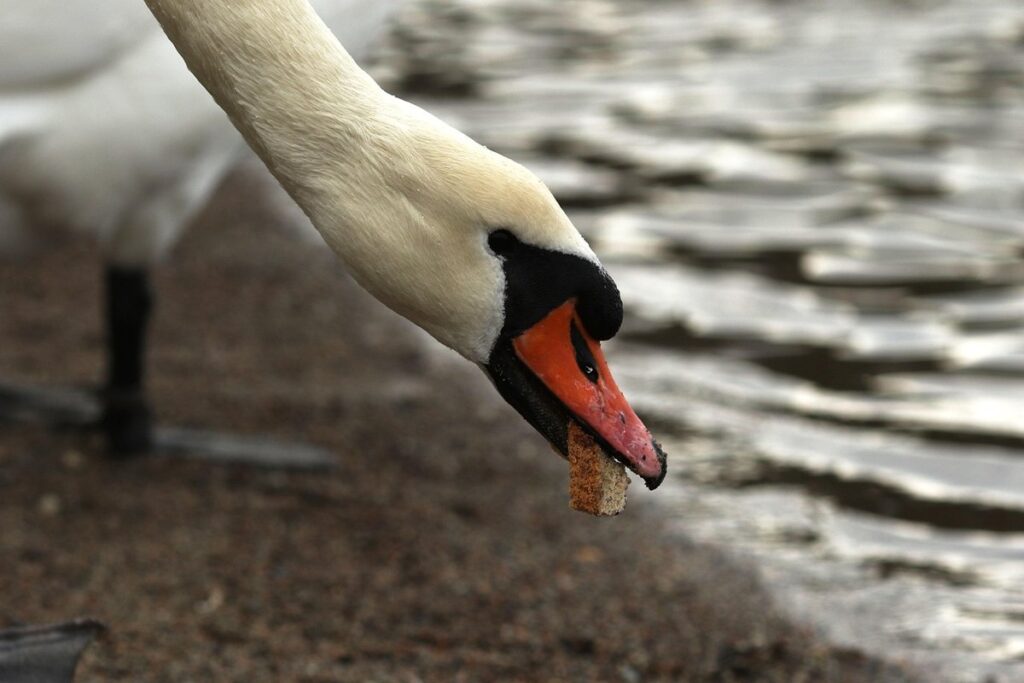
Understanding Duck Nutrition Basics
When it comes to feeding ducks, knowing what they eat is just half the battle – understanding their nutritional needs helps you provide a balanced diet that keeps them happy and healthy.
Importance of a Balanced Diet
Ducks require a balanced diet that includes essential nutrients such as proteins, carbohydrates, fats, vitamins, and minerals to maintain their overall health and well-being. A lack of these nutrients can lead to various health issues, including weight loss, weakened immune systems, and poor feather condition.
Proteins are crucial for ducks, particularly during growth and development stages. They help build and repair muscles, organs, and tissues. Good sources of protein in duck feed include soybean meal, corn gluten meal, and fishmeal. For example, a study on Muscovy ducks found that they required about 20% protein in their diet to maintain optimal health.
Carbohydrates provide energy for ducks, but excessive intake can lead to obesity and other related problems. Whole grains such as oats, barley, and wheat are good sources of complex carbohydrates. Fats, including essential fatty acids, are necessary for maintaining healthy skin, feathers, and organs.
Vitamins like vitamin A, D, E, and K are also vital for duck health. Vitamin A is crucial for eye health and immune function, while vitamin D helps with calcium absorption and bone development. Mineral deficiencies can lead to issues such as rickets in young ducks and osteomalacia in adults.
Common Nutritional Deficiencies in Ducks
Ducks are susceptible to various nutritional deficiencies that can have severe consequences on their health and well-being. One of the most common deficiencies is protein deficiency, which can lead to softening of bones, muscle wasting, and impaired immune function. If you notice your duck’s feathers looking dull or its energy levels dropping, it may be a sign of low protein intake.
Another critical nutrient that ducks often lack is vitamin A, essential for healthy vision, skin, and mucous membranes. Deficiency can cause night blindness, reproductive issues, and increased susceptibility to diseases. Ensure your duck’s feed contains adequate amounts of vitamin A-rich ingredients like leafy greens, sweet potatoes, or carrots.
Calcium deficiency is also prevalent in ducks, leading to softening of bones, deformities, and eggshell production problems. It’s essential to provide a balanced diet rich in calcium sources such as crushed oyster shells, dark leafy greens, and sunflower seeds. Monitor your duck’s behavior and health closely, and consult with a veterinarian if you suspect any nutritional deficiencies. Regularly adjusting their feed and supplementing with necessary nutrients can help prevent these issues.
Types of Food Ducks Eat
When it comes to feeding ducks, you’ll want to know what types of food are safe and healthy for them to eat. Let’s take a look at some common duck food options.
Omnivorous Diet: Fruits, Vegetables, and Insects
Ducks are opportunistic eaters and have a keen taste for fruits and vegetables. Berries such as blueberries, raspberries, and strawberries make up a significant portion of their diet. In addition to these sweet treats, ducks also enjoy aquatic plants like water lilies and duckweed. Leafy greens like kale and spinach are also on the menu, but it’s essential to introduce them gradually to prevent digestive issues.
Insects play a vital role in a duck’s omnivorous diet. Earthworms, snails, and slugs are all fair game for these birds. In fact, insects provide essential protein, which is crucial for their growth and development. If you’re keeping ducks as pets, consider supplementing their diet with live insects or insect-based treats to ensure they get the nutrients they need.
It’s worth noting that some fruits and vegetables can be toxic to ducks, so always research what’s safe before introducing new foods to their diet. For example, onions, garlic, and potatoes belong to the Allium family and should be avoided altogether. By offering a balanced mix of fruits, vegetables, and insects, you’ll provide your feathered friends with the nutrients they need to thrive.
Aquatic Plants and Algae as Food Sources
Ducks have an impressive ability to thrive on various aquatic plant species found in ponds, lakes, and coastal areas. Aquatic plants such as cattails, water lilies, and duckweed are all part of a duck’s diet. These plants provide essential nutrients like proteins, carbohydrates, and fiber. In fact, studies show that during certain seasons, aquatic plants can make up to 50% of a duck’s total diet.
Algae is another significant food source for ducks, particularly those found in coastal areas where seaweed thrives. Some species of algae are high in protein, making them an excellent addition to a duck’s diet. It’s not uncommon to see ducks grazing on seaweed-covered rocks or feeding on algae mats floating on the surface of the water.
In supporting duck populations, aquatic plants and algae play a crucial role. They provide sustenance during times when other food sources may be scarce, helping ducks survive harsh weather conditions and times of drought.
Commercial Duck Feed: Pros and Cons
When it comes to feeding your ducks, commercial duck feed is a convenient option that offers both benefits and drawbacks worth considering. Let’s weigh the pros and cons of this popular choice.
Understanding Commercial Duck Pellets
Commercial duck pellets are a popular choice among duck keepers due to their convenience and nutritional value. These pellets are typically made from a combination of ingredients such as wheat, barley, oats, and soybean meal, which provide essential proteins, carbohydrates, and fiber for optimal health.
A 20-pound bag of commercial duck pellets can contain around 30-40% protein, 5-7% fat, and 10-12% fiber. This balanced formula ensures that ducks receive all the necessary nutrients without overfeeding on any single component. The inclusion of vitamins A, D3, E, and B complex in these pellets provides additional health benefits.
Feeding commercial duck pellets is a straightforward process. Simply offer the pellets as the main staple food, supplemented with fresh fruits and vegetables to provide variety and essential minerals. For example, you can mix 2/3 cups of pellets with 1/3 cup of chopped kale or spinach for a nutritious meal. By feeding your ducks a commercial pellet diet, you’ll save time on meal preparation while ensuring they receive a well-rounded nutrition that promotes optimal health and growth.
Drawbacks of Relying on Commercial Feeds
While commercial duck feeds can provide ducks with essential nutrients, relying solely on these products has its drawbacks. One of the main concerns is nutrient imbalances. Commercial feeds are often formulated to meet the nutritional needs of a large group of ducks, which may not align with the specific requirements of your flock. For example, if you’re raising ducks for egg production, they may require higher levels of calcium and vitamin D3 than ducks raised for meat.
Furthermore, relying on commercial feeds can make your ducks dependent on human resources. If you’re unable to purchase feed or have a sudden change in availability, your ducks may suffer from nutritional deficiencies. Additionally, the production and transportation of commercial feeds contribute to greenhouse gas emissions, water pollution, and other environmental issues.
To minimize these risks, consider supplementing commercial feeds with fresh fruits, vegetables, and grains, such as oats and barley. This will not only provide your ducks with a more varied diet but also reduce their reliance on processed feeds.
Natural Foods for Ducks: What to Offer
When it comes to feeding your duck, you want to make sure they’re getting the nutrients they need from natural foods that are safe and healthy for them to eat. Let’s explore some great options!
Fruits and Vegetables as Supplements
Ducks can benefit greatly from adding fruits and vegetables to their diet. Not only do they provide essential nutrients, but they also offer a welcome change of pace from grains and pellets. Here are some safe options for ducks:
Some examples of fruits that ducks can enjoy include:
- Apples (cut into small pieces or grated) as a treat
- Berries such as strawberries, blueberries, and raspberries in moderation
- Melons like watermelon and cantaloupe in sliced form
As for vegetables, consider adding:
- Leafy greens like spinach, kale, and collard greens to their salad mix
- Carrots (grated or chopped) and sweet potatoes (cooked and diced)
- Squash like acorn or butternut in cooked and mashed form
When introducing fruits and veggies, remember to start with small amounts (about 10% of their daily diet) and gradually increase the portion size. It’s also crucial to chop or mash them to prevent choking hazards.
Adding these foods can provide ducks with essential vitamins and minerals. For instance, leafy greens offer calcium for strong bones, while berries are rich in antioxidants. Make sure to balance your duck’s diet with a variety of whole foods to ensure they receive the nutrients they need.
Grains and Legumes in the Duck Diet
Grains and legumes are essential components of a duck’s diet, providing energy-rich carbohydrates and protein. Oats, barley, and rice are popular grain options for ducks, as they are easily digestible and rich in fiber. You can offer whole grains or cracked ones to help maintain your duck’s digestive health.
Legumes like beans and peas are excellent sources of protein, making them a nutritious addition to a duck’s diet. They’re also relatively inexpensive and easy to store. However, it’s essential to introduce legumes gradually, as sudden changes in their diet can cause digestive upset.
When incorporating grains and legumes into your duck’s diet, start by mixing small amounts with other foods to prevent digestive shock. As they become accustomed to these new ingredients, you can increase the proportion of grains and legumes in their meals.
Some beneficial examples of grain-legume combinations include cooked rice and beans or oatmeal with peas. These mixtures provide a balanced blend of carbohydrates and protein, supporting your duck’s overall health and well-being.
Foraging for Wild Ducks: What They Eat Naturally
When it comes to foraging, wild ducks tend to focus on aquatic plants and insects that thrive in their natural habitats.
Seasonal Food Sources for Wild Ducks
As the seasons change, so does the natural diet of wild ducks. During spring and summer months, they forage for aquatic plants, grasses, and insects that are abundant in wetlands and ponds. They particularly enjoy snacking on duckweed, water lilies, and cattails, which provide essential nutrients like protein and fiber.
In fall and early winter, their diet shifts to include more grains, seeds, and nuts, such as oats, wheat, and hazelnuts, which they find on land or in shallow water. They also eat berries, including those from shrubs like dogwood and hawthorn, which are rich in antioxidants.
During harsh winters, when food is scarce, wild ducks rely heavily on stored fat reserves to sustain themselves. They will also scrounge for whatever they can find, including dead animals, carrion, or even birdseed left behind by gardeners. If you’re looking to attract wild ducks to your property, consider planting native vegetation that provides year-round food sources and shelter.
When in doubt, observe the types of plants and insects available in your area and mimic their diet accordingly. This will ensure a healthy and sustainable relationship between you and your local duck population.
Habitat Impact on Duck Diet
When it comes to foraging for food, wild ducks rely heavily on their habitat’s diversity and quality. A varied diet is essential for these birds, and their surroundings play a significant role in determining what they eat.
Ducks require access to different types of vegetation, including aquatic plants, grasses, and crops, as well as insects, crustaceans, and other small animals. Habitats with diverse vegetation provide ducks with the necessary nutrients, whereas those dominated by single species may lead to malnutrition or dietary deficiencies.
Human activities often impact duck foraging patterns, making it challenging for them to find suitable food sources. For instance, intensive agriculture can reduce crop diversity and drive out native vegetation, while water pollution from agricultural runoff or sewage contamination affects aquatic ecosystems. As a result, ducks may be forced to adapt their diets, potentially leading to nutritional imbalances.
To support healthy duck populations, it’s essential to create habitats that mimic natural environments. This can involve restoring wetlands, promoting crop diversity, and reducing pollution levels. By doing so, you’re providing ducks with the opportunity to forage naturally, ensuring they receive a balanced diet.
Feeding Ducks: Best Practices
When it comes time to feed your feathered friends, do you know what’s safe and healthy for them? In this next section, we’ll explore best practices for feeding ducks.
Safe Food Handling and Storage
When it comes to feeding ducks, safe food handling and storage are crucial to prevent contamination and disease transmission. Before offering treats, make sure to wash your hands thoroughly with soap and water. This simple step can help reduce the risk of passing diseases like avian cholera or botulism to our feathered friends.
It’s also essential to store duck treats properly to maintain their quality and safety. Keep them in a cool, dry place away from direct sunlight and moisture. If you’re storing grains like oats or corn, make sure they’re sealed tightly in airtight containers to prevent pests from getting in.
When it comes to disposing of leftover food, do not throw it on the ground near the duck pond. This can attract other animals, like rodents or raccoons, which can carry diseases that may harm ducks. Instead, dispose of any uneaten treats in a sealed bag and take them home for proper waste management.
Remember, even if you’re offering healthy food options, poor handling and storage can have negative consequences. By following these simple tips, you can help keep your local duck population safe and thriving.
Avoiding Overfeeding and Malnutrition
Monitoring your duck’s weight and overall health is crucial to ensure they’re receiving the right amount of nutrients. A simple way to check if you’re overfeeding your ducks is by observing their body condition score (BCS). This can be done weekly or bi-weekly, depending on how fast they grow.
To do this, gently press the skin around the breast area; it should feel firm but not hard. If it feels soft and spongy, your duck might be overfed, whereas a sunken appearance indicates underfeeding.
Malnutrition can also manifest in various ways. Some common signs include dull feathers, lethargy, or changes in droppings. If you notice any of these symptoms, reassess their diet immediately.
To avoid malnutrition and overfeeding, make sure to adjust your ducks’ food intake according to their age, breed, and season. Younger ducks require more nutrients for growth, while older ones may need less as they become less active.
When feeding them, divide the total amount of daily ration into 2-3 meals rather than giving it all at once. This helps prevent overeating and allows your ducks to digest their food properly.
Regularly check the label on their commercial duck feed and ensure it’s formulated according to their specific life stage (growing, laying, or maintenance). If you’re adding fruits and vegetables to their diet, limit them to 10-15% of the total daily ration.
Frequently Asked Questions
Can I switch my duck’s diet to a commercial feed immediately, or should I transition them gradually?
Ducks can get digestive upset if their diet is changed suddenly. To avoid this, start by mixing a small amount of commercial feed with their current diet and gradually increase the proportion over 7-10 days. Monitor your ducks’ health and adjust the transition period as needed.
How do I know if my duck’s diet is lacking in essential nutrients?
Pay attention to changes in their appearance, behavior, or overall health. Look for signs of malnutrition such as weight loss, dull feathers, or lethargy. Consult with a veterinarian or poultry expert to help identify potential nutritional deficiencies and make necessary adjustments.
Can I feed my ducks table scraps, or are there specific foods they should avoid?
While it’s tempting to give your ducks human food, some items can be detrimental to their health. Avoid giving them avocado, onions, garlic, chocolate, or raw or undercooked meat, as these can cause digestive issues and other problems. Stick to a balanced commercial feed or natural foods specifically formulated for ducks.
How often should I refresh my duck’s water and food sources to prevent bacterial contamination?
Fresh water and clean feeding areas are crucial for maintaining your ducks’ health. Change their water daily, and disinfect their feeding area regularly (at least once a week). Consider using a water filter or adding probiotics to their feed to support digestive health.
What if I live in an area with limited access to natural food sources for my ducks? Can I still provide them with a balanced diet?
Yes. While fresh plants and insects can be nutritious, you don’t need them to create a well-rounded diet. A high-quality commercial duck feed or a mix of grains, fruits, and vegetables can provide all the necessary nutrients for healthy ducks. Consult with a veterinarian or poultry expert to create a customized feeding plan tailored to your specific situation.