
If you’ve ever encountered a flock of geese roaming around your neighborhood, you might have wondered what these birds are eating. Geese are herbivores, but their diet is surprisingly diverse and varied. They feed on grasses, leaves, aquatic plants, and even insects – it’s not uncommon to see them grazing in fields or wading through ponds in search of food. But did you know that geese can also be enticed with human foods? Learning what to offer your feathered friends safely is crucial to avoid harming them, but equally important is knowing which human foods are toxic and should be avoided at all costs.
This article will delve into the fascinating world of goose diets, covering both their natural food sources and safe human options. We’ll also explore the essential guidelines for introducing human foods to geese responsibly, so you can enjoy watching these birds thrive in your community without worrying about their well-being.
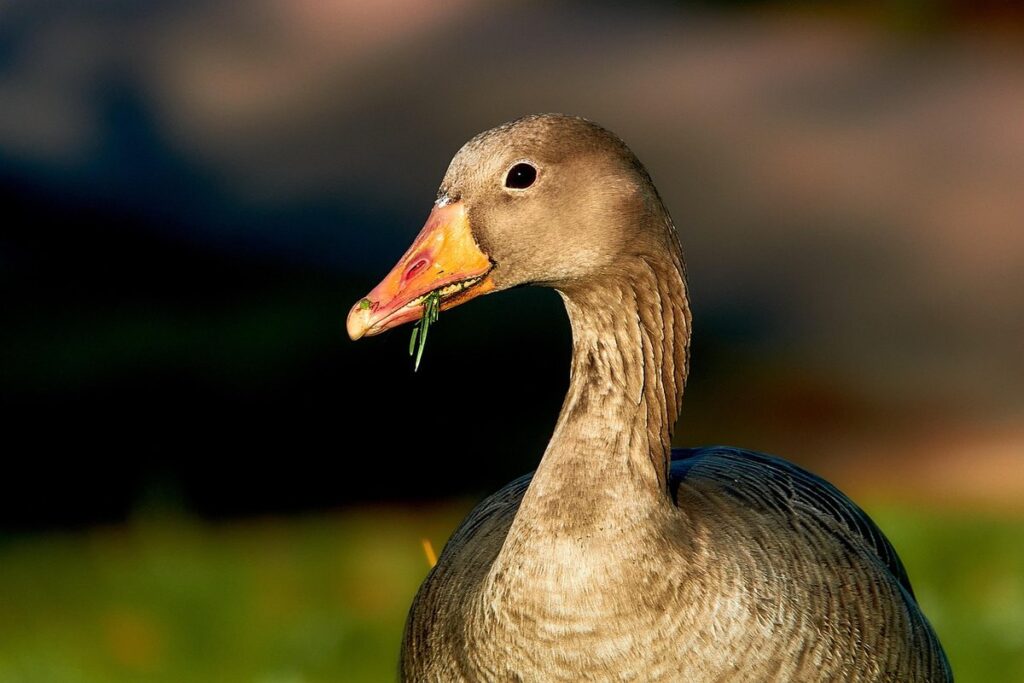
Understanding Goose Nutrition
To provide a solid foundation for creating a healthy and balanced diet for your geese, it’s essential to understand their nutritional needs.
Grasses and Crops as Primary Food Sources
Geese are herbivores, which means that grasses and crops make up a significant portion of their diet. In fact, it’s estimated that 70-80% of a goose’s daily calorie intake comes from these sources. Among the most common grains that geese feed on are wheat, oats, barley, and rye. These crops provide essential nutrients like carbohydrates, fiber, and protein that help maintain a healthy weight and support overall well-being.
When it comes to grasses, geese tend to favor those with high nutritional value. Tall fescue, perennial ryegrass, and Kentucky bluegrass are all popular choices for geese pastures due to their rich content of vitamins, minerals, and antioxidants. It’s essential to note that the quality and availability of these food sources can vary greatly depending on factors like seasonality, climate, and soil conditions.
To provide your geese with a balanced diet, make sure to offer a mix of grasses and crops throughout the year. Consider planting a variety of grass species in your backyard or nearby pastures to attract geese and ensure they have access to nutrient-rich food sources. By doing so, you’ll be supporting their overall health and well-being while also creating a sustainable and eco-friendly environment for them to thrive.
Fruits and Vegetables as Supplemental Foods
In addition to their regular diet of grasses and aquatic plants, geese also supplement their nutrition with fruits and vegetables. These foods provide essential vitamins, minerals, and antioxidants that support the bird’s overall health and well-being.
Berries are a particularly popular choice among geese, who enjoy snacking on wild strawberries, blueberries, and raspberries. In fact, many goose breeders offer berries as a treat to their birds, as they’re a rich source of fiber, vitamins C and K, and manganese. Apples are another favorite, with geese loving the sweet flavor and crunchy texture.
Leafy greens like kale and spinach are also great additions to a goose’s diet. These superfoods pack a punch of iron, calcium, and vitamins A and K, making them an excellent choice for supporting healthy feather growth and strong bone development. If you’re looking to incorporate more fruits and vegetables into your goose’s diet, be sure to introduce them gradually and in moderation – a few fresh berries or leaves per day is plenty!
Waterfowl-Friendly Plants for Geese to Forage
When it comes to feeding geese, incorporating waterfowl-friendly plants into your yard can be a great way to encourage healthy foraging habits and provide them with essential nutrients. Here are some excellent options to consider.
Aquatic Plants and Their Nutritional Value
Aquatic plants are an essential part of a geese’s diet, providing them with vital nutrients and fiber. Let’s take a closer look at some safe and nutritious aquatic plants that you can grow in your pond or lake to support these magnificent birds.
Duckweed (Lemna minor) is one of the most popular aquatic plants for geese, as it’s rich in protein, vitamins, and minerals. It’s also incredibly easy to grow, making it a great choice for pond owners. Not only do geese love munching on duckweed, but it also helps to keep their water clean by absorbing excess nutrients.
Water lilies (Nymphaea spp.) are another aquatic plant that’s perfect for geese. Their leaves and flowers provide a tasty snack, while their roots help to stabilize the soil and prevent erosion. Just be sure to choose varieties that are safe for geese, as some can cause digestive issues if ingested.
Algae, particularly green algae (Chlorophyta), is also an essential component of a geese’s diet. It’s rich in vitamins A and B12, which are vital for maintaining healthy feathers and a strong immune system. However, it’s essential to monitor the algae levels in your pond, as excessive growth can lead to water quality issues.
By incorporating these aquatic plants into your pond or lake, you’ll be providing geese with a nutritious and varied diet that will keep them happy and healthy all year round. Just remember to ensure that the plants are free of pesticides and other chemicals that might harm the birds.
Identifying Toxic Plants to Avoid
As you’re creating a geese-friendly garden, it’s essential to be aware of the plants that can harm them. Some common toxic plants that can poison geese if ingested are lily of the valley, castor bean, and oleander. These plants contain toxic compounds like cardiac glycosides, which can lead to heart problems in geese.
Other poisonous plants to watch out for include hemlock, nightshade, and yew. Hemlock is particularly notorious, as it contains a toxin that can cause respiratory failure in geese. If you suspect your geese have ingested any of these plants, seek veterinary attention immediately.
When selecting plants for your garden, make sure to choose non-toxic alternatives like daffodils, tulips, and sunflowers. These plants are safe for geese to eat and can add vibrant colors to your garden. Always double-check the plant’s identity before introducing it to your yard. Consult with a gardening expert or check reliable sources like the American Society for the Prevention of Cruelty to Animals (ASPCA) Plant List, which provides comprehensive information on toxic and non-toxic plants.
Grains and Cereals in a Goose’s Diet
When it comes to grains and cereals, geese have a surprising affinity for certain types of food that might not be expected, such as oats and barley. Let’s explore their favorite options further.
Commercial Grain Mixes and Their Pros and Cons
Commercial grain mixes can be a convenient and cost-effective way to provide geese with a balanced diet. These mixes typically contain a blend of grains such as corn, oats, barley, and wheat, as well as vitamins and minerals. The nutritional benefits of commercial grain mixes include providing essential energy sources, fiber, and protein for growth and maintenance.
However, there are potential drawbacks to relying solely on these mixes. For example, some may contain fillers or by-products that offer little nutritional value. Additionally, geese have different nutritional needs depending on their age, size, and activity level, which may not be met with a one-size-fits-all commercial mix. It’s essential to choose a high-quality mix from a reputable manufacturer and follow the recommended feeding guidelines.
When selecting a commercial grain mix for your geese, look for products that are specifically formulated for waterfowl or poultry, and consider factors such as protein content, fiber levels, and added supplements like calcium and phosphorus. It’s also crucial to provide fresh vegetables and fruits in addition to these mixes to ensure a well-rounded diet.
Importance of Whole Grains Over Processed Options
When it comes to incorporating grains into your goose’s diet, choosing whole grains over processed options is crucial. Whole grains provide essential nutrients and fiber that support healthy digestion and overall well-being in geese. In contrast, processed or mixed grains often lack these vital components, leading to potential health issues down the line.
Some of the key benefits of whole grains include a lower glycemic index, which helps regulate blood sugar levels and reduces the risk of obesity and other diet-related diseases. For example, feeding your goose oats instead of instant oats will not only provide more fiber but also help keep them fuller for longer. Additionally, whole grains tend to be richer in antioxidants, vitamins, and minerals, all of which are vital for maintaining a healthy immune system.
When selecting whole grains for your geese, look for varieties that are high in fiber and low on the glycemic index. Some excellent options include brown rice, quinoa, and barley. Mixing these with other nutrient-dense ingredients will provide your geese with an optimal diet that supports their overall health and well-being.
Insects and Small Animals as Protein Sources
While geese may not always appear to be hunting, they do occasionally eat insects and small animals to supplement their diet. These occasional protein sources can be surprisingly diverse in type.
Earthworms and Other Invertebrates
Geese will often forage for earthworms and other invertebrates in their natural habitats. Earthworms are a rich source of protein that geese require to maintain optimal health. They can be found in soil, leaf litter, and other areas where moisture is present.
When it comes to incorporating earthworms into your goose’s diet, there are several options available. You can create a worm-friendly habitat by adding organic matter such as compost or manure to the ground. This will attract earthworms, which geese can then forage for.
Other invertebrates that provide essential protein include snails, slugs, and insects like grasshoppers and crickets. These animals are often found in areas with lush vegetation and moist soil conditions. To encourage your geese to eat these protein sources, you can create a diverse landscape with native plants that attract the target species.
By providing a balanced diet that includes earthworms and other invertebrates, you can help ensure your geese get the nutrients they need for optimal health.
Small Fish and Frogs as Occasional Treats
In addition to their staple diet of grasses and aquatic plants, geese may also eat small fish and frogs on occasion. This is particularly common for waterfowl that live near ponds or lakes with an abundance of these protein-rich foods.
When it comes to small fish, geese will often eat whatever type they can catch, from minnows to larger species like sunfish. They’re not picky and will consume them whole, including the bones and scales. In fact, a study found that in some areas, up to 10% of a goose’s diet consists of small fish.
As for frogs, geese view them as a tasty treat too. They’ll eat both aquatic and terrestrial species, often targeting the most vulnerable ones like tadpoles or newly metamorphosed frogs. If you live near an area where geese frequent, you may notice that they’re particularly fond of areas with high frog populations.
It’s worth noting that while small fish and frogs can provide a valuable source of protein for geese, they shouldn’t make up more than 10-20% of their overall diet. A balanced diet consisting mainly of grasses and aquatic plants is essential to maintaining the health and well-being of these magnificent birds.
Human Food and Leftovers: Safety Considerations
When it comes to feeding geese, it’s essential to consider what human food is safe for them to eat, as well as leftovers that can be hazardous.
Safe Foods to Share with Geese
When it comes to sharing human foods with geese, it’s essential to stick to safe options that are nutritious and easy for them to digest. Fruits such as apples, berries, and grapes are excellent choices, but be sure to remove seeds and pits, which can cause harm if ingested. Leafy greens like kale, spinach, and collard greens are also great alternatives.
Vegetables like carrots, sweet potatoes, and squash are wonderful options for geese, as long as they’re served in moderation. Whole grains such as brown rice, oats, and barley can be fed to geese in small amounts, but it’s best to introduce them gradually to prevent digestive issues.
It’s also important to note that geese have specific dietary needs, so it’s crucial not to overfeed or underfeed them. Aim for about 10-15% of their daily caloric intake from human foods, and make sure they always have access to fresh water. When sharing food with geese, remember to wash your hands thoroughly before handling the food to prevent transferring bacteria. By following these guidelines and choosing safe options, you can create a harmonious relationship between yourself and the geese in your area.
Toxic Foods to Avoid
When it comes to human food and leftovers, it’s essential to be aware of what can harm geese. Unfortunately, many common foods we eat can be toxic or even fatal to them if ingested. One such example is onions and garlic. These belong to the Allium family and contain compounds that can cause anemia in birds.
Chocolate, especially dark chocolate, contains a compound called theobromine, which can be highly toxic to geese. If ingested, it can lead to hyperactivity, tremors, seizures, and even death.
Grapes and raisins are another food item that should be avoided as they can cause kidney failure in birds. Avocado’s pit, skin, and leaves contain a toxic compound called persin, which is also highly poisonous to geese. Similarly, raw or undercooked meat, eggs, and bones can lead to infections, digestive issues, and potentially fatal complications.
If you’re feeding geese, it’s crucial to stick to their natural diet of grasses, aquatic plants, and grains. Avoid giving them table scraps or leftovers, as the risk of poisoning is simply not worth it.
Seasonal Dietary Changes and Adaptability
As we explore what geese eat, it’s essential to understand how their diet changes throughout the year, adapting to seasonal availability of food sources. Let’s dive into the fascinating world of goose dietary adaptability.
Adjusting Diets for Different Seasons
As we delve into the world of geese and their dietary needs, it’s essential to consider how their eating habits change across different seasons. This adaptability is crucial for their survival and can be observed in various parts of the world.
In spring, geese primarily feed on grasses, aquatic plants, and insects that become available as snow melts. They tend to migrate back to their breeding grounds during this time and take advantage of the newly emerged vegetation. To replicate this diet at home, consider incorporating fresh greens like kale or spinach into your goose’s meal plan.
Summer brings an abundance of food sources for geese, with lush grasses, fruits, and insects readily available. They may also feed on crops such as wheat or oats if they are not protected by fencing. During this season, it’s crucial to provide a balanced diet that includes adequate protein and fiber to support their growth and energy needs.
In autumn, geese begin to prepare for migration by storing fat reserves through a high-calorie diet. They may eat more grains like corn or millet, as well as aquatic plants. Consider supplementing your goose’s diet with these nutrient-rich foods during this time.
As winter sets in, geese typically rely on stored fat reserves for energy and feed on whatever is available in their surroundings. They may browse on snow-covered fields, eating whatever vegetation has been protected from the harsh weather conditions.
The Role of Environmental Factors in Dietary Choices
When it comes to dietary choices, both humans and animals are influenced by environmental factors. In the context of geese, their diet is shaped by the availability of food resources in their environment.
Geese are opportunistic feeders, which means they take advantage of whatever food sources are available to them. In the wild, this can include a wide range of plants, grains, and insects. For example, during the spring and summer months, geese tend to eat more grasses, leaves, and aquatic plants. In contrast, during the fall and winter months, they may focus on eating seeds, grains, and roots.
In addition to seasonal changes in food availability, environmental factors such as climate, water quality, and human activity can also impact a goose’s diet. For instance, geese that live near agricultural areas may be more likely to eat crops such as corn or wheat. Similarly, geese that live near bodies of water may rely on aquatic plants or insects for sustenance.
As we explore the dietary habits of geese, it’s essential to consider these environmental factors and how they influence their eating patterns. By doing so, we can gain a deeper understanding of what drives their food choices and how they adapt to changing environments.
Frequently Asked Questions
Can geese eat fruits and vegetables as a regular part of their diet?
Yes, while grasses and crops make up the bulk of a goose’s diet, they can also benefit from supplementing with fruits and vegetables. However, it’s essential to introduce these foods gradually and in moderation to prevent upsetting their digestive system. Leafy greens like kale and spinach are excellent choices, as well as berries and other soft fruits.
How do I ensure that the geese on my property have access to a balanced diet?
Aim for a mix of at least 70-80% grasses and crops, with supplemental foods making up no more than 20%. Consider offering grains like oats or barley in addition to fresh produce. It’s also crucial to provide access to clean water and ensure that geese can forage safely without encountering hazards.
Can I give geese human leftovers as a convenient option?
No, it’s not recommended to feed geese human leftovers regularly, even if they seem to enjoy them. Many human foods are toxic to geese or can cause digestive issues, so stick to waterfowl-friendly options like grains and fruits instead. If you must offer human food, use only small amounts of whole grains or unsalted crackers.
How do I identify which plants in my garden are safe for geese to eat?
Start by researching the specific plant species in your area that are toxic to geese, such as hemlock or nightshade. Then, focus on introducing non-toxic alternatives like sunflowers, dandelions, or clover. Consider creating a goose-friendly garden with plants specifically chosen for their nutritional value and palatability.
Can I feed geese during the winter months when natural food sources are scarce?
Yes, providing supplemental foods during winter is crucial to support geese through this challenging period. Focus on offering whole grains like oats or barley, which are rich in nutrients and can help sustain them until spring arrives. Avoid relying solely on commercial grain mixes, as these may not meet the nutritional needs of your geese.