
Broodiness is a natural behavior in hens, but have you ever wondered what causes it? A broody hen is one that has decided to stop laying eggs and instead focus on incubating her own eggs or even fertilized eggs from other hens. This can be a fascinating phenomenon, but it also comes with its set of challenges for backyard chicken keepers.
If your hen has gone broody, you may be wondering what’s happening inside her head and how to manage the situation. In this article, we’ll delve into the meaning behind broodiness, including the signs to look out for, the benefits and risks associated with it, and tips on how to promote healthy hens and chicks while managing broodiness. We’ll also cover ways to encourage your hen to stop being broody and start laying eggs again. Whether you’re a seasoned chicken keeper or just starting out, this article will provide valuable insights into broody hen behavior and help you care for your flock with confidence.
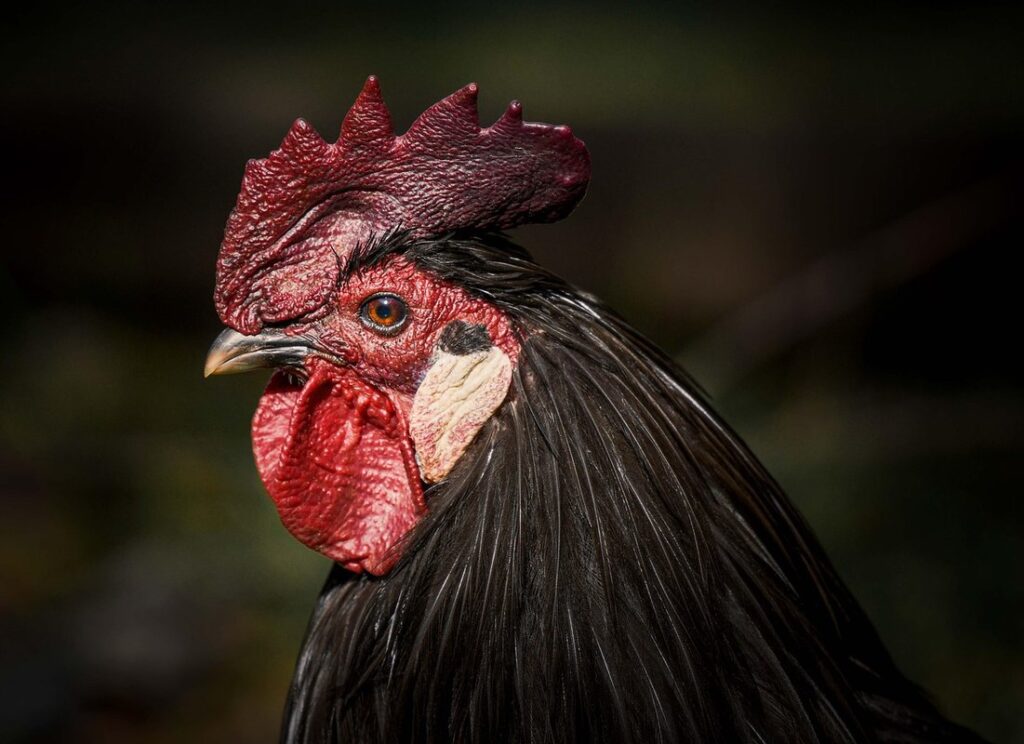
What is a Broody Hen?
A broody hen is a female chicken that exhibits a strong desire to incubate and hatch eggs, often stopping laying altogether while she’s in this state. This behavior can be confusing for new chicken owners, so let’s dive deeper into what it means.
Characteristics of a Broody Hen
A broody hen exhibits distinct behaviors and physical changes that set her apart from non-broody hens. One of the most noticeable characteristics is excessive sitting. A broody hen will sit tightly on her nest, often for extended periods, refusing to leave until she feels it’s time to incubate eggs or even after laying has stopped.
Another common behavior is pecking at eggs. A broody hen may start collecting and arranging her own eggs in the nesting box, gently moving them around with her beak. This can sometimes lead to a messy nest, but it’s essential to remember that she’s trying to simulate a natural environment for potential chicks.
You’ll also notice feather fluffing in broody hens, as they prepare their bodies for incubation. Their feathers will puff out, and their vents may become more prominent as their reproductive system prepares for egg-laying. This physical transformation is a vital aspect of the broodiness process, enabling the hen to maintain body heat and protect her eggs.
It’s crucial to recognize these signs in your hens, especially if you’re trying to determine whether she’s indeed broody or just exhibiting normal behavior.
Causes of Broodiness
A hen going broody is often attributed to hormonal changes. As hens mature, their reproductive cycle triggers the release of certain hormones that prepare them for egg-laying and incubation. This natural process can be influenced by factors such as breed, nutrition, and age. For example, some breeds are more prone to broodiness due to selective breeding for desirable traits.
Stress is another significant contributor to broody behavior. Hens can become stressed due to changes in their environment, social dynamics, or even the presence of predators. When stressed, a hen’s hormonal balance shifts, making it more likely for her to go broody. Providing a safe and stable living space with plenty of perches, hiding spots, and access to food and water can help mitigate this issue.
As hens age, their reproductive cycle slows down, leading some to become more prone to broodiness. Typically, older hens (around 2-3 years) will exhibit more broody behavior due to the natural decline in egg production. Understanding these factors is essential for identifying potential causes of broodiness and taking steps to manage it effectively.
Identifying a Broody Hen
So you think one of your hens might be broody? This section will help you identify the telltale signs that indicate she’s in a state of intense nesting behavior.
Recognizing the Signs
As you observe your hen’s behavior, it’s essential to recognize the signs that indicate she’s experiencing broodiness. One of the most noticeable signs is panting. You may notice your hen puffing out her chest and breathing rapidly, even if the temperature in the coop isn’t high. This can be a sign that she’s preparing to sit on eggs.
Another indicator of broodiness is pacing. Your hen may start walking back and forth in front of the nesting box, seemingly trying to prepare it for an imaginary clutch of eggs. She might also exhibit restlessness, fluffing out her feathers or adjusting her position frequently.
If you see your hen exhibiting these behaviors, it’s likely she’s experiencing broodiness. To confirm, check if she’s actively gathering materials like grasses and twigs for a nest, or if she’s trying to incubate eggs that aren’t even there. If you’re concerned about your hen’s behavior, consult with a veterinarian or experienced chicken keeper for guidance.
When recognizing these signs, it’s crucial not to disturb the hen or disrupt her natural instincts.
Behavioral Changes in Broody Hens
A broody hen’s behavior can be quite distinct from that of a regular laying hen. One key change is in their interaction with their environment and other birds on the farm. As they become more focused on incubation, they tend to exhibit reduced activity levels. This can manifest as less foraging or scratching, as well as decreased movement around the coop.
Another notable change is in social behavior. A broody hen often becomes withdrawn from the rest of the flock, tending to isolate herself within her nesting box. This can make it challenging to detect whether a particular hen is indeed broody. It’s not uncommon for other hens to try and enter or even take over a broody hen’s nesting box, which can cause tension among the birds.
When observing your flock, keep an eye out for these subtle changes in behavior. If you notice one of your hens becoming more withdrawn and exhibiting reduced activity levels, it may be worth investigating further to determine if she is indeed going brood.
Benefits of a Broody Hen
A broody hen can bring many rewards to your backyard flock, including increased egg production and improved mothering instincts once she’s done incubating.
Natural Incubation Method
Allowing a broody hen to incubate eggs naturally is a simple yet effective way to increase hatch rates and produce stronger chicks. One of the primary benefits of natural incubation is that it allows the hen to regulate the temperature, humidity, and turning of the eggs according to her instincts. This simulates a natural environment for the developing embryos, which can lead to healthier and more robust chicks.
In fact, studies have shown that naturally hatched chicks often have higher survival rates and better immune systems than those incubated artificially. By allowing your hen to take care of the eggs, you’re giving them the best possible chance at success. To encourage natural incubation, create a safe and comfortable environment for your broody hen by providing her with food, water, and a quiet, draft-free space.
By letting nature take its course, you’ll be amazed at how well your hen can care for those precious eggs – and the reward will be stronger, healthier chicks that thrive in their new surroundings. With proper care and attention, you can reap the benefits of natural incubation and enjoy a more successful breeding season.
Reduced Stress for Chickens
As you observe your broody hen’s behavior, you might wonder if her constant sitting on eggs is beneficial for her overall well-being. While it may seem like a chore to care for her and provide extra food, the truth is that broodiness can have numerous benefits, including reduced stress.
In fact, research has shown that brooding allows hens to engage in a natural behavior that promotes relaxation and reduces anxiety levels. By focusing on incubating eggs, hens are able to channel their energy into caring for their potential offspring, rather than worrying about predators or competing with other hens for food. This instinctual behavior helps them conserve energy and resources, leading to an overall decrease in stress.
By providing a safe and comfortable environment for your broody hen, you can help her tap into this natural stress-relief mechanism. Make sure she has easy access to food and water, as well as a quiet and undisturbed space to focus on incubating. As a result, not only will your hen be happier and healthier but also more productive when she eventually returns to egg-laying.
Risks Associated with Broody Hens
When a hen goes broody, it can put her and your entire flock at risk if not managed properly. Let’s explore some of the potential dangers associated with this behavior together.
Impact on Fertility and Egg Production
Prolonged broodiness can have severe consequences on a hen’s reproductive health and egg-laying abilities. A hen’s body is designed to cycle between laying eggs and incubating them, but when this process is disrupted by prolonged brooding, it can lead to fertility issues. The hen’s reproductive organs may become dormant or even permanently damaged due to the prolonged suppression of her natural instincts.
In addition to fertility problems, prolonged broodiness can also affect a hen’s egg production. Even after she returns to laying eggs, her overall productivity may be reduced. This is because her body has been under stress for an extended period, causing her reproductive system to malfunction. In some cases, the hen may not return to its normal egg-laying capacity even after she stops brooding.
It’s essential to monitor your hens closely and intervene early if you notice signs of prolonged broodiness. Provide a safe space for the broody hen to incubate her eggs without disrupting the rest of the flock’s productivity. Separating the broody hen from the others can help minimize the risks associated with prolonged broodiness. Regular veterinary check-ups are also crucial to ensure that your hens’ reproductive health is not compromised.
Potential Consequences for Chick Health
When broody hens take on their incubation duties, they don’t always create an ideal environment for the developing chicks. Inadequate incubation conditions can have severe consequences on chick health, making it crucial to monitor and intervene if necessary.
Chicks that hatch under unsuitable temperatures may be lethargic or weak due to improper thermoregulation. If the temperature is too low, they may struggle to maintain their bodily functions, leading to stunted growth or even death. Conversely, excessively high temperatures can cause overheating, dehydrating the chicks and hindering their development.
To gauge whether your broody hen’s incubation conditions are adequate, check for humidity levels around 50-60% and a stable temperature between 99°F and 100°F (37°C to 38°C). Monitor your hen’s behavior closely, ensuring she’s not neglecting her duties or letting the eggs get too cold. If you notice any of these issues, consider providing supplemental heat or moving the nesting box to a warmer area until the chicks hatch safely.
How to Handle a Broody Hen
So, you’ve got a hen that’s gone broody and doesn’t want to leave her nest – now what? This is where knowing how to handle a broody hen comes in handy.
Encouraging Natural Incubation Behavior
Creating an environment that encourages natural incubation behavior in your hens is essential to manage broodiness effectively. Hens often exhibit broody behavior when they feel secure and comfortable in their surroundings. To encourage this, make sure to provide them with spacious nesting boxes where they can comfortably lay eggs and sit on them. Aim for at least 3-4 nesting boxes per 10 hens, and ensure they are located in a quiet, draft-free area of the coop.
Reducing stress triggers is also crucial in promoting natural incubation behavior. Stress can cause your hen to become over-broody, leading to health issues and poor egg production. Identify potential stressors such as overcrowding, inadequate lighting, or poor ventilation, and take steps to mitigate them. You can also introduce enrichment activities like scratching posts, perches, and toys to keep your hens engaged and stimulated.
By creating a comfortable and stress-free environment, you’re more likely to encourage natural incubation behavior in your hens. This will help manage broodiness effectively and reduce the likelihood of health issues associated with it.
Intervention Strategies for Managing Broodiness
Managing excessive broodiness can be challenging, but with the right intervention strategies, you can help bring balance back to your flock. One of the most effective methods is separating the broody hen from the rest of the flock. This allows her to focus on laying eggs again and reduces stress caused by being surrounded by her own chicks.
Remove any nesting material or distractions that may encourage her to continue sitting, such as feeding her treats while she’s under the nest. Replace it with some exercise equipment or toys to stimulate her physically and mentally. If you notice your broody hen trying to sneak back into the flock, be sure to monitor her closely and intervene promptly.
Another approach is to break up a prolonged brood cycle by introducing a new egg or two from an outside source. This will encourage the broody hen to leave her nest and inspect the new additions. Make sure the introduced eggs are clean and free of any potential health risks.
Conclusion and Takeaways
In conclusion, understanding broody hen behavior is crucial for any backyard chicken keeper. By recognizing the signs of broodiness, such as pacing, clucking, and feather plucking, you can take steps to either encourage or discourage it. Remember that every breed of chicken has its own unique personality, so patience and observation are key. For example, if you’re trying to hatch eggs, create a safe and comfortable nesting box for your broody hen, but don’t overcrowd it with too many eggs.
Ultimately, the decision to let your hen incubate eggs or separate her from them is up to you. Consider consulting with local breeders or online forums to get advice on how best to manage broodiness in your flock. By being aware of and understanding broody hen behavior, you’ll be better equipped to provide a happy and healthy home for your feathered friends.
Frequently Asked Questions
What are the long-term effects of broodiness on a hen’s fertility?
Broodiness can have lasting impacts on a hen’s reproductive health, potentially reducing her ability to lay fertile eggs or even affecting her overall fertility. Factors such as frequency and duration of broody periods play a significant role in determining these outcomes. Regular breaks from broodiness through management techniques and maintaining a balanced flock dynamic can mitigate these risks.
Can I prevent my hen from becoming broody at all?
While it’s not possible to entirely eliminate the risk, there are several strategies you can employ to reduce the likelihood of your hens going broody. Maintaining optimal living conditions, providing adequate nutrition and space for your chickens, and practicing regular egg collection can help alleviate stressors that may trigger broodiness.
How do I recognize if my hen is in genuine distress while being broody?
Yes, some hens experience significant discomfort or even physical health issues while exhibiting broody behavior. Signs of distress might include labored breathing, excessive drooling, or persistent lethargy. If you suspect your hen’s well-being is compromised, consult a veterinarian experienced with poultry care to determine the best course of action.
Can I encourage multiple hens in my flock to become broody at the same time?
Encouraging simultaneous broodiness can be beneficial for large flocks or in situations where you want to maximize egg-hatching potential. To foster this behavior, ensure a balanced flock dynamic, maintain optimal living conditions, and provide adequate resources and stress management techniques.
Are there any signs that indicate my hen’s willingness to abandon her eggs?
No, typically hens will remain committed to their nesting duties, even if the eggs are infertile or have ceased developing. If you suspect an egg-related issue, inspect the eggs carefully for cracks or visible damage, and monitor your hen’s behavior closely for any signs of distress or changes in broodiness duration.