
When it comes to ducks, you might know that they’re often referred to as “quackers” or simply “ducks,” but have you ever wondered about the specific term for female ducks? It’s a question that has puzzled many of us, especially when it comes to breeders and enthusiasts who want to use accurate terminology. In this article, we’ll delve into the fascinating world of duck sexing and explore what female ducks are actually called. You might be surprised by some of the common misconceptions surrounding duck nomenclature! From understanding the basics of waterfowl terminology to exploring breed-specific names, we’ll cover it all in this informative post that’s sure to educate and entertain you about these feathered friends.
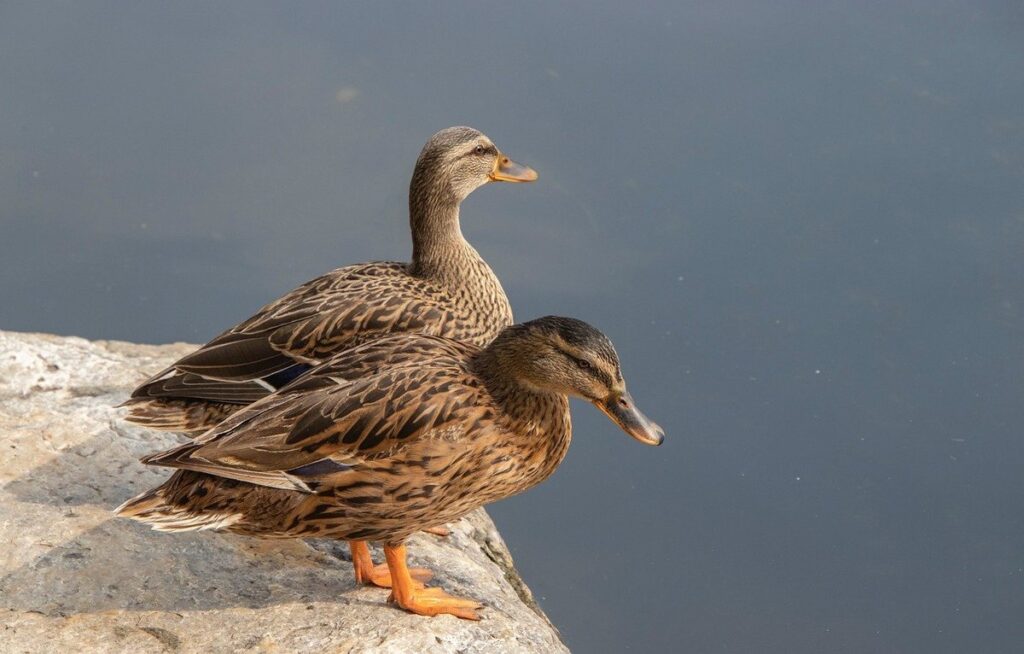
The Basics: Understanding Duck Sex and Identification
When it comes to duck sex, understanding the basics is crucial to identifying our feathered friends. Let’s dive into the world of duck anatomy and learn how to tell them apart.
Defining Male and Female Ducks
When it comes to understanding duck sex and identification, knowing the anatomical differences between male and female ducks is essential. One of the most noticeable distinctions is in their reproductive organs. Males have a cloaca, which is a multi-purpose opening used for reproduction, digestion, and excretion. Females, on the other hand, have two distinct openings: one for reproduction and another for digestion and excretion.
Another key difference lies in their plumage. Male ducks typically have more vibrant and intense coloration, especially during breeding season. They often develop a bright orange or red patch on their head, known as the “silk” or “caruncle.” Females tend to have duller colors and may lack this distinctive marking.
To identify sex in young ducklings, look for differences in beak shape and size. Male ducklings typically have a thicker, more prominent beak than females. It’s also worth noting that some breeds of ducks are exceptions to these general rules. For example, Muscovy ducks have a unique reproductive system where males have a spur on their leg, which is used for reproduction.
To accurately determine the sex of a duck, it’s crucial to consider multiple factors, including size, plumage, and beak shape. With practice and experience, you’ll become more confident in identifying male and female ducks.
Identifying Young Ducks: Sexing Ducklings and Goslings
When you bring home adorable ducklings or goslings, it’s exciting to wonder which ones will grow up to be feisty drakes and which gentle hens. Sexing young ducks can be a bit tricky, but there are some key characteristics to look out for.
At around 1-2 weeks old, sexing ducklings becomes increasingly possible as the physical differences between males and females become more pronounced. One of the most reliable indicators is the size difference: female ducklings tend to be slightly smaller than their male counterparts. You can also check for the presence of a penis bulge under the tail; if it’s visible, you’re likely dealing with a drake.
Keep in mind that sexing young goslings (baby geese) is a bit more challenging due to their larger size and rapid growth rate. However, a general rule of thumb is to look for differences in leg length: females tend to have shorter legs than males. With patience and practice, you can develop your skills in identifying young ducks as male or female. This knowledge will come in handy when caring for and managing your flock.
The Terminology: Understanding Female Duck Names
Let’s dive into the terminology that might have you scratching your head, starting with the basics of what to call a female duck.
What Is a Hen in the Context of Ducks?
When it comes to ducks, you might hear people refer to a female duck as a “hen,” but have you ever stopped to think about what that really means? The term “hen” is not unique to ducks; it’s actually a common name for mature female poultry in general. In fact, most types of domesticated birds use the same terminology – a male is called a rooster or cockerel, while a female is called a hen.
This usage has its roots in old English, where “hen” referred specifically to a mature female bird that had laid eggs. Over time, the term became more widely applied to any adult female poultry, regardless of whether she was laying eggs or not. In the context of ducks, you’ll often hear breeders and owners refer to their female ducklings as “ducks,” while a mature female is called a “hen.” For example, if you’re at an animal shelter looking for a new pet, you might see a sign that says “female Muscovy duck – hen available for adoption.”
It’s worth noting that young female ducks are not referred to as hens; instead, they’re simply called ducklings.
Other Names for Female Ducks: Does It Matter?
In everyday conversation, you might hear female ducks referred to as “drake hens,” but this isn’t a universally accepted term. Some people use it, while others consider it inaccurate or even confusing.
One thing’s for sure: the terminology can vary depending on context and region. In formal ornithology, biologists tend to stick with more precise terms like female duck (Anas platyrhynchos) or hen when referring specifically to domesticated ducks.
However, in more casual settings, like bird-watching groups or online forums, you’ll often hear people using colloquialisms like “duck hen” or even “female drake.” While these terms might seem informal, they’re not necessarily incorrect – but clarity is key. When communicating with others about your feathered friends, make sure to specify whether you’re discussing domesticated ducks (ducks) or wild waterfowl.
For example, if someone says “I saw a drake hen on my backyard pond,” it’s likely they meant to say female duck (or even specifically a Mallard hen). To avoid confusion, consider using the more general term “female duck” and only add specific details when necessary.
Species-Specific Nomenclature
When it comes to ducks, it can be confusing what terms are used to refer to males and females. Let’s break down some essential species-specific nomenclature for you.
Understanding the Unique Terminology of Different Duck Breeds
As you delve into the world of duck breeds, you’ll notice that each breed has its unique terminology for females. For instance, a Khaki Campbell duck female is known as a “drake” – yes, you read that right! Despite being a female, she’s called a drake, not a hen like many other breeds.
This can be confusing, especially if you’re new to keeping ducks or are trying to communicate with fellow enthusiasts. However, understanding this terminology will help you navigate the world of duck ownership and enthusiasts more effectively.
The Wood Duck is another breed where females have a different name – they’re called “hens.” But when it comes to the males, they’re referred to as “drakes” as well. The irony!
It’s essential to familiarize yourself with these terms, especially if you plan on showing or breeding your ducks. Not only will it help you communicate more effectively with other enthusiasts, but it’ll also prevent any confusion when discussing specific breeds.
To ensure accuracy in your communication, research the specific breed of duck you’re interested in and learn its unique terminology for females and males. This way, you can confidently discuss your feathered friends with fellow enthusiasts and avoid any misunderstandings.
The Importance of Breed-Specific Knowledge
Understanding breed-specific nomenclature is essential for accurate communication among duck enthusiasts and professionals. When it comes to ducks, there are over 100 recognized breeds, each with its unique characteristics, habits, and traits. Without proper knowledge of these differences, misidentification can lead to confusion and misunderstandings.
For instance, the term “hen” is commonly used to refer to a mature female duck, but this classification doesn’t account for breed-specific variations. In reality, some female ducks may be referred to as “duckesses,” “ducks,” or even “drakes” due to their specific breed characteristics. A breeder or enthusiast unaware of these nuances might inadvertently offend someone or misinterpret a situation.
To avoid such situations, it’s crucial to familiarize yourself with the nomenclature used within specific duck breeds. This includes understanding terms like “young female” (duckling), “mature female” (hen or duckess), and “adult male” (drake). By doing so, you’ll be able to effectively communicate with fellow enthusiasts and professionals, ensuring accurate identification and a deeper appreciation for these wonderful birds.
Cultural and Historical Significance
Throughout history, female ducks have been a vital part of human culture, inspiring art, literature, and even influencing language. Let’s explore how they’ve made their mark on our collective heritage.
Ancient and Traditional Terms for Female Ducks
In ancient cultures, female ducks were referred to by various names that often carried significant meaning and symbolism. In Greek mythology, for example, a female duck was known as an “Anas” or “Anax,” derived from the word for “duck.” These terms not only served as identifiers but also conveyed respect and admiration for the creatures’ unique characteristics.
In traditional Chinese culture, female ducks are called “niu,” a term that reflects their maternal instincts and nurturing nature. This name is often used in poetic and literary works to describe the gentle and caring aspects of a mother duck’s behavior.
The indigenous peoples of North America also had their own names for female ducks, such as “wug” or “wah-gwa,” which were often associated with spiritual and ceremonial practices. These terms demonstrate the deep cultural significance that many ancient societies attached to these remarkable birds.
It’s fascinating to explore how different cultures have given names to female ducks over time, highlighting their unique qualities and traits. By understanding these historical context and terminologies, we can gain a deeper appreciation for the rich cultural heritage surrounding these incredible creatures.
Modern-Day Usage: How Our Language Reflects Changing Attitudes Toward Animals
Our language surrounding animals has undergone significant changes over time, reflecting shifting societal attitudes toward animal welfare and communication. For instance, terms like “pet” and “companion animal” have replaced older labels like “pest” and “menace,” indicating a growing recognition of the emotional bonds between humans and animals.
In recent years, we’ve seen an increase in using animal-friendly vocabulary, such as referring to a dog’s “owner” rather than its “master.” This subtle shift in language acknowledges the changed dynamic between species. The way we talk about animals even influences our perception of their intelligence and capacity for emotions – think of the transition from calling a pig “intelligent” as an insult to recognizing it as a remarkable cognitive creature.
Our evolving vocabulary not only mirrors changing societal attitudes but also plays a role in shaping them. By using language that acknowledges animal sentience, we promote empathy and compassion. This shift toward more inclusive language is essential for creating a culture that values animal welfare and promotes responsible coexistence with wildlife.
Common Misconceptions
You may have heard that female ducks don’t actually have a specific name, but we’re here to set the record straight on some common misconceptions about duck anatomy. Let’s dive into what’s really going on!
Separating Fact from Fiction: Debunking Myths About Female Duck Names
When it comes to female duck names, there’s a common myth that female ducks don’t have a specific name. This couldn’t be further from the truth! While it’s true that male and female ducks are often referred to by different terms, such as drakes and hens respectively, each female duck does indeed have its own unique name.
For instance, if you’re keeping a small flock of ducks on your backyard farm or in a community garden, you can give each female duck a distinct name. Perhaps you have a white duck named Luna, a brown duck named Daisy, and a green-headed duck named Ginger. Each one has their own personality, quirks, and characteristics that make them special, just like our beloved pets.
Some people might argue that giving a female duck a specific name is unnecessary, as they’re already being referred to as hens or females in general. However, think about it this way: when we give names to animals, we build a bond with them and create a sense of connection. This can lead to better care, more attention, and even improved egg production (if you have laying ducks).
So, how do you go about naming your female duck? Start by observing their behavior, plumage, and personality traits. Do they have bright colors or distinctive markings? Are they friendly and outgoing or shy and introverted? Once you get to know them better, choose a name that suits their unique characteristics.
Ultimately, giving your female duck a specific name is not only fun but also essential for building a strong bond between you and your feathered friend.
Conclusion: Wrapping Up Our Exploration of Female Duck Terminology
As we conclude our journey through the world of female duck terminology, let’s take a moment to summarize what we’ve learned and revisit some key points.
Recap and Key Takeaways
In conclusion, let’s recap what we’ve covered so far. A female duck is commonly referred to as a “duck” or more specifically, a “hen.” This might seem straightforward, but it’s essential to understand the differences between these terms and how they’re used in various contexts.
One key takeaway from this article is that while both male and female ducks are called “ducks,” males are typically referred to as “drakes” during breeding season. This distinction can be important when discussing duck behavior or habitat, especially for wildlife enthusiasts or farmers who work with these animals.
Another crucial point is the use of proper terminology in different regions. For example, in some parts of Europe and Asia, a female duck might be called a “duck” or an “egg-layer,” whereas in North America, the term “hen” is more commonly used.
To apply this knowledge in everyday life, consider the following: if you’re visiting a farm or wildlife sanctuary that features ducks, it’s a good idea to ask staff about their preferred terminology. This can help ensure accurate communication and show respect for local customs.
Final Thoughts and Future Directions
As we wrap up our exploration of female duck terminology, it’s essential to reflect on the significance of accurate communication and nuanced understanding within the world of duck enthusiasts. The correct identification and naming of a female duck may seem like a trivial matter, but it holds considerable importance.
When discussing ducks with fellow enthusiasts or even experts in the field, using the correct terminology can make all the difference. Miscommunication can lead to confusion, misinformation, and sometimes even the perpetuation of myths or misconceptions about these fascinating birds. By adopting accurate language and embracing the diversity of duck species, we not only enhance our own knowledge but also contribute to a more informed community.
As you continue your journey into the world of ducks, remember that accuracy matters. So, take note of the different terms for female ducks (such as hen, drake’s mate, or female duck) and use them appropriately in conversation. This might seem like a small step, but it can have a significant impact on our collective understanding and appreciation of these incredible creatures.
Frequently Asked Questions
How do I apply the knowledge of female duck names to my own backyard flock?
When learning about various terms for female ducks, it’s essential to remember that accurate terminology is not just important for breeders and enthusiasts but also for responsible pet owners. By using proper names like “hen,” you can create a positive and respectful environment for your feathered friends.
What if I’m still unsure about the sex of my ducklings or goslings?
Sexing young ducks can be challenging, especially for beginners. To ensure accurate identification, consider consulting with an experienced breeder or taking a sexing course to learn more about the anatomical differences between male and female ducklings.
Are there any specific guidelines for using breed-specific terminology when referring to female ducks?
Yes. When discussing specific breeds, it’s crucial to use the correct terminology to avoid confusion among enthusiasts. Research the unique nomenclature used within each breed community to ensure you’re communicating effectively and respectfully.
How can I share my newfound knowledge with others who may not be familiar with duck sexing and identification?
Educating others about duck anatomy and terminology is an excellent way to promote responsible animal care and respect. Share your experiences, attend local bird shows or workshops, and engage in online forums to spread the word about accurate duck nomenclature.
What if I encounter conflicting information or outdated terms for female ducks in old literature or online resources?
When encountering conflicting information, rely on credible sources like reputable breed associations, scientific studies, or well-established websites. Be cautious of outdated terminology and remember that language evolves over time to reflect changing attitudes toward animals.