
Duck sexing is an essential skill for farmers, wildlife enthusiasts, and conservationists. But have you ever stopped to think about what makes a female duck distinct from its male counterpart? While it may seem like a simple question, accurate terminology is crucial in understanding the behavior, physiology, and habitat needs of these fascinating birds. In this article, we’ll delve into the world of duck sexing, exploring physical characteristics, behavioral differences, etymology, and cultural variations. We’ll also examine the importance of using correct terminology in agriculture and wildlife conservation, where small mistakes can have significant consequences. By the end of this journey, you’ll be equipped with a deeper understanding of ducks and the language used to describe them.
The Basics: Understanding Duck Sexing
When it comes to understanding duck sexing, it can be a bit overwhelming at first, but don’t worry, we’re here to break down the basics for you. Let’s start with the very beginning of how to tell if your new feathered friend is a hen or not!
Physical Characteristics of Male and Female Ducks
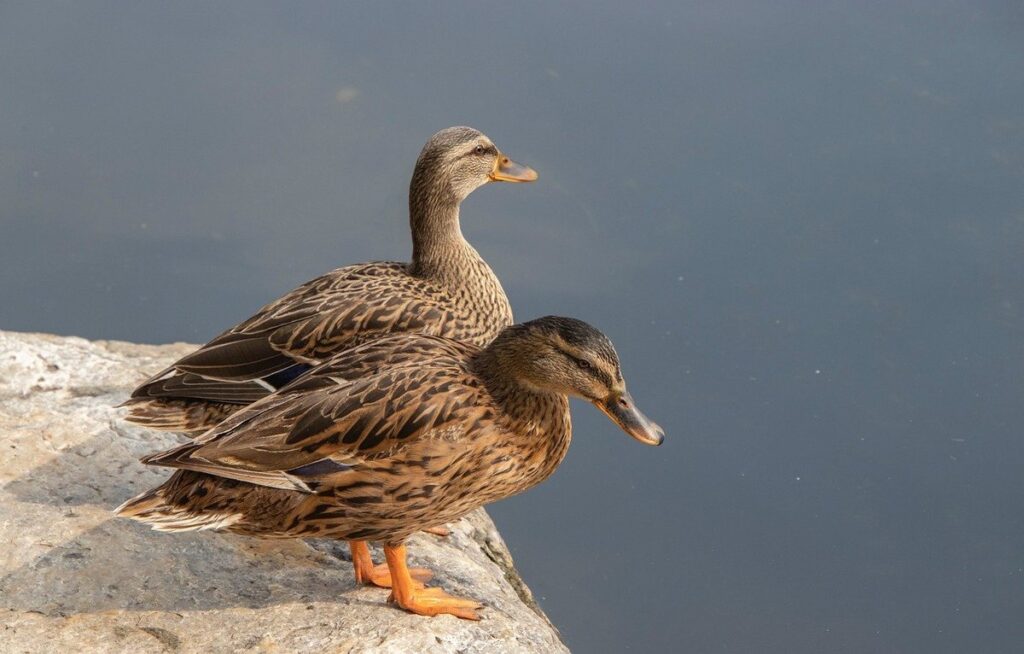
When it comes to sexing ducks, understanding their physical characteristics is crucial. One of the most noticeable differences between male and female ducks is their plumage. Males have a more vibrant and saturated coloration, often with bright greens, blues, or yellows. Females, on the other hand, tend to have duller, washed-out colors that may resemble a lighter version of the male’s plumage.
Another key difference lies in beak shape and size. Male ducks typically have thicker, more pronounced beaks, while females have thinner, more delicate ones. This is because males need their beaks for fighting and defending themselves during mating season, whereas females use theirs for pecking at food and foraging.
The size of the duck is also an important factor to consider when sexing them. Males tend to be larger than females, with longer necks and broader chests. However, it’s essential to remember that some breeds are more prone to size variations, so this should not be relied on as a sole determining factor. By paying attention to these physical characteristics, you’ll become better equipped at identifying the sex of your ducks.
Behavioral Differences Between Males and Females
When it comes to identifying a female duck, understanding the behavioral differences between males and females is crucial. Males and females exhibit distinct behaviors, particularly when it comes to mating rituals and social interactions.
For instance, male ducks are known for their vibrant plumage and loud quacking during courtship displays. They will often perform complex dances, flapping their wings and shaking their tail feathers to attract a female’s attention. In contrast, female ducks tend to be more reserved and subtle in their approach to mating. They may signal interest by softly quacking or gently following a male.
In social interactions, males are generally more dominant, while females tend to be more submissive. However, this doesn’t mean that females don’t play an active role in the flock’s dynamics. In fact, they often take on leadership roles and help maintain social order within their groups.
When sexing your duck, keep these behavioral differences in mind. Observe how your ducks interact with each other, paying attention to any displays of dominance or submission. By understanding these patterns, you’ll be better equipped to identify the sex of your duck based on its behavior rather than relying solely on physical characteristics.
Etymology of Duck Sex Terminology
So, you’re curious where all these duck sex terms come from? Let’s dive into the fascinating history behind some common female duck terminology.
Origins of the Term “Drake” for Male Ducks
The term “drake” to refer to male ducks has a fascinating history that dates back to medieval England. This terminology was born out of the country’s rich linguistic heritage and its love for nomenclature. In Old English, the word “drakon” or “drake” referred to a water snake, which eventually evolved to signify a young male duck.
As time passed, this term stuck, and by the 15th century, it was widely used in England to describe male ducks. The reason behind this might be linked to the fact that early English farmers would often associate the appearance of male ducks with the sinuous movements of water snakes. Over the centuries, the term “drake” has remained an integral part of our linguistic landscape.
It’s worth noting that while the word “drake” specifically denotes a male duck, it does not apply to other types of birds or waterfowl. This shows how specific and unique this term is when referring to ducks. By understanding the origins of such terms, we can better appreciate their cultural significance and use them accurately in our everyday language.
Why We Call a Female Duck a “Duck”
It may seem counterintuitive that we use the term “duck” to describe both male and female waterfowl. In fact, most species of ducks are sexually monomorphic, meaning males and females look very similar in appearance. So why do we still call a female duck a “duck”? The answer lies in the etymology of the word itself.
The term “duck” comes from the Old English word “dūce,” which referred to any type of aquatic bird with a broad bill. Over time, the term evolved to specifically describe members of the Anatidae family, which includes ducks, geese, and swans. In many languages, including German and Dutch, the word for “duck” is still used to refer to both males and females.
Historically, farmers and hunters relied on observation rather than scientific classification when referring to waterfowl. As a result, terms like “duck,” “goose,” and “swan” were applied based on physical characteristics or habits, rather than strict biological definitions. This legacy of linguistic convention has persisted, even as our understanding of the natural world has evolved. Today, we continue to use the term “duck” to describe female waterfowl, albeit with an acknowledgement that it’s a bit of a misnomer.
Terminology Across Different Cultures
As we explore the world of ducks, it’s interesting to note how different cultures refer to female waterfowl. Let’s dive into some examples from around the globe.
Variations in Duck Sex Terminology Around the World
When exploring different cultures and languages, it becomes apparent that terminology for male and female ducks varies significantly. In some regions, such as Europe and Australia, a group of males is referred to as “drakes” while females are called “ducks.” Conversely, in the UK, both genders are typically referred to as “ducks,” with the addition of “drake” specifically for young male birds.
Interestingly, in some cultures, there’s no distinction between male and female ducks. For example, in Germany, males and females alike are simply known as “Enten.” Even more fascinating is that in certain languages, the terminology is based on age rather than sex. In French, both male and female ducklings are called “canards” until they mature.
It’s also worth noting that some cultures have specific terms for male and female ducks at different stages of their lives. For instance, a young male duck is referred to as a drake, while an adult male is called a cock or rooster.
Unconventional Terms for Males and Females
When exploring the world of ducks, you may come across some unconventional terms used to describe male and female ducks. One such term is “cocker” for a young male duck. This is just one example of how different regions or cultures have their own unique ways of referring to these birds.
In some parts of Europe, a male duck is called a “drake,” while in other areas, it’s referred to as a “gander.” For female ducks, the terms can vary even more widely. In some Asian cultures, a female duck is called a “hen” or “duckling,” while in others, she may be referred to as a “female drake.”
It’s worth noting that these regional variations don’t necessarily affect the behavior or characteristics of the birds themselves. Ducks are ducks no matter what you call them! However, being aware of these differences can add an extra layer of appreciation and interest when interacting with ducks in various cultural contexts.
By recognizing these unconventional terms, you can develop a more nuanced understanding of duck terminology and even pick up some new words to impress your fellow bird enthusiasts.
History of Sexing Ducks in Agriculture and Hunting
As we explore the fascinating world of ducks, it’s essential to understand how farmers and hunters have historically identified female waterfowl, particularly in agriculture and hunting contexts. This involved a mix of observation and innovation over time.
How Farmers and Hunters Use Sex Terminology
For farmers and hunters who work with ducks, accurate sex terminology is crucial for successful breeding programs and hunting strategies. Farmers use sexing to determine which ducks will be best suited for specific purposes, such as egg-laying or meat production. In breeding programs, knowing whether a duckling is male or female allows farmers to make informed decisions about pairings to optimize fertility rates.
Hunters also rely on accurate sex identification when selecting birds to hunt. Knowing whether a duck is male or female can affect hunting strategies and help hunters achieve their goals. For example, drakes (male ducks) are generally more aggressive than hens during the mating season, making them easier targets for hunters.
Some breeders use visual examination of physical characteristics to determine sex. However, in many cases, farmers and hunters turn to experienced professionals or specialized labs for assistance with sexing. Understanding sex terminology is essential for anyone involved in duck farming or hunting to ensure success and sustainability in their practices.
Evolution of Duck Sexing Techniques Over Time
The art of sexing ducks has come a long way since its inception. In the past, farmers and hunters relied heavily on visual inspection to determine the sex of their feathered friends. However, this method proved to be unreliable, with accuracy rates ranging from 50% to 70%. The challenge lay in distinguishing between male and female ducklings, as they look almost identical at birth.
To overcome these limitations, experts developed more advanced techniques such as examination of the cloaca – a multi-purpose opening used for reproduction, digestion, and excretion. This method involved gently lifting the tail feathers to inspect the reproductive organs. While more accurate than visual inspection, it still had its drawbacks, particularly in young ducklings.
The advent of genetic testing marked a significant breakthrough in sexing ducks. Using DNA-based methods, breeders can now accurately determine the sex of their birds with high precision. This advancement has revolutionized the industry, enabling farmers to make informed decisions regarding breeding programs and reducing waste by culling unwanted males at an early age. With modern technology, it’s never been easier to identify female ducks – a crucial skill for anyone involved in duck husbandry or hunting.
Conclusion: The Significance of Accurate Terminology
Now that we’ve explored what a female duck is called, let’s wrap up by discussing why accurate terminology matters in everyday conversations. Understanding these nuances can make all the difference in clarity and respect for others’ experiences.
Importance of Clear Communication in Agriculture and Wildlife Conservation
Accurate terminology is not only essential for avoiding confusion and miscommunication but also plays a critical role in various fields such as agriculture and wildlife conservation. In these sectors, the use of precise language can have far-reaching consequences.
For instance, using incorrect terms to describe specific crop types or farming practices can lead to contamination, reduced yields, and financial losses. This is because certain crops may require specific growing conditions, soil compositions, or pest control methods that are tailored to their unique characteristics. Mislabelling a crop as another type could result in the application of inappropriate treatments, ultimately affecting its quality and quantity.
In wildlife conservation, accurate terminology is equally crucial for the effective management of species populations. Inaccurate classification or misidentification of species can lead to misguided conservation efforts, which may inadvertently cause harm or even extinction. For example, a surveyor conducting an environmental assessment might mistake a protected species’ habitat for that of another less endangered species. This could result in the destruction of critical habitat areas, further threatening the already vulnerable population.
In related fields such as zoology and wildlife management, the use of precise terminology ensures that research findings, policy recommendations, and conservation strategies are grounded in evidence-based data. It also facilitates collaboration among researchers, policymakers, and practitioners by providing a common language framework for communication. To achieve this, it is essential to stay up-to-date with the latest scientific literature and adhere to widely accepted classification systems.
Frequently Asked Questions
What if I’m still unsure about the sex of my duck after examining its physical characteristics?
Accurate identification is crucial, but it’s also normal to have doubts. Consider consulting with an experienced breeder or wildlife expert who can provide a second opinion. You can also try observing your duck’s behavior, as males and females often exhibit distinct patterns during courtship or mating seasons.
How do I handle a situation where I’ve made a mistake in sexing my ducks?
Don’t worry – mistakes happen! If you’ve incorrectly identified the sex of one of your ducks, it’s essential to rectify the situation promptly. Consult with experts or conduct further research to ensure accurate classification and proper care for both males and females.
Are there any specific guidelines for handling male and female ducks in different contexts (e.g., agriculture vs. wildlife conservation)?
Yes, understanding context-specific guidelines is crucial. In agricultural settings, males are often used for breeding purposes, whereas females may be raised for egg production. In contrast, wildlife conservation prioritizes the preservation of natural habitats and ecosystems, which can involve managing populations of both male and female ducks.
What if I encounter duck breeds that defy traditional sexing methods or have unusual physical characteristics?
Some duck breeds are more challenging to sex than others due to their unique plumage patterns or genetic variations. If you’re unsure about the sex of a specific breed, consult with breeders or experts familiar with those particular birds. They can offer valuable insights and guidance on accurate identification.
Can I apply the knowledge from this article to other types of waterfowl, such as geese or swans?
While the basics of duck sexing remain similar across various waterfowl species, each has its unique characteristics. Geese and swans have distinct physical features and behaviors that can be used for sex identification. However, it’s essential to research specific guidelines for each species to ensure accurate classification and proper care.