
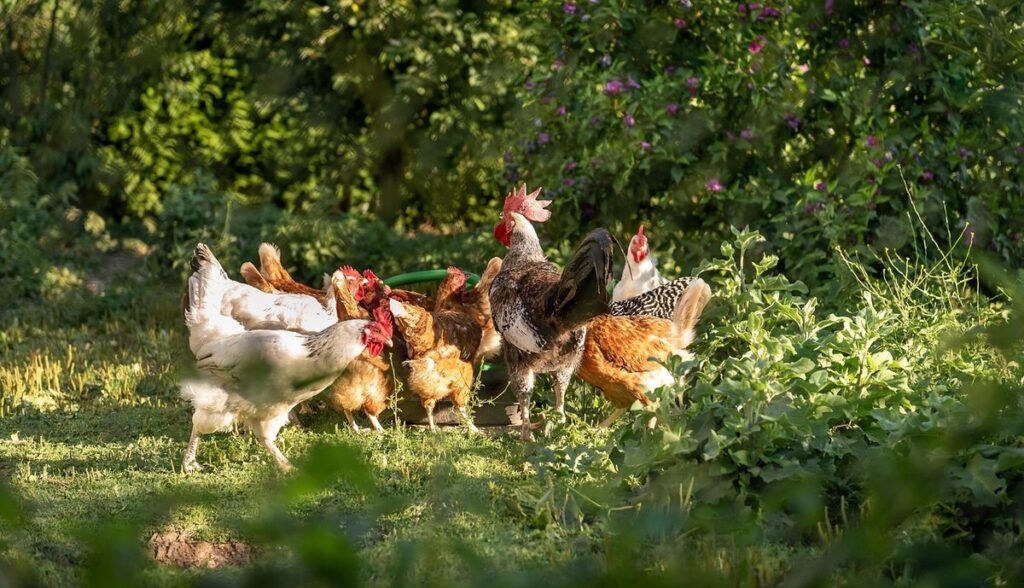
If you’ve ever been to a farm or watched a group of clucking birds strut around your backyard, you might have wondered what exactly is a group of chickens called. It’s not just a “bunch” or a “few”, but rather a specific collective noun that reveals the quirks and charm of avian language. As it turns out, this question is more than just a casual curiosity – understanding the origins and usage of these unique terms can even offer a glimpse into our cultural obsession with birds and their fascinating world. In this article, we’ll dive into the answer to what’s commonly known as a “scurry” or an “escapade” of chickens, exploring its roots, significance, and how it’s used in everyday language.
The Origins and History of Avian Collective Nouns
Collective nouns for birds have a rich history, influenced by everything from medieval hunting practices to modern-day literature. Let’s delve into how these terms originated.
The Concept of Collective Nouns in Language
Collective nouns are an essential part of language, used to describe groups of animals, including birds. They’re a fascinating aspect of linguistics that adds depth and personality to our descriptions. When we think about collective nouns, we often associate them with specific groups, such as a pride of lions or a school of fish.
However, the significance of collective nouns goes beyond just naming conventions. They provide a way for us to create vivid imagery in language, allowing readers to visualize and connect with the described group. For instance, instead of simply saying “chickens,” using a collective noun like “a brood” creates a more engaging and memorable experience.
Collective nouns also reflect cultural and historical contexts, often rooted in mythological or literary references. This is evident in the case of avian collective nouns, where many are linked to medieval hunting practices or biblical accounts. By exploring these collective nouns, we can uncover not only their literal meaning but also their rich symbolic significance within language.
Etymology of Avian Collective Nouns
The origins of avian collective nouns are as fascinating as they are complex. These terms have been shaped by history, culture, and language over centuries, reflecting the unique characteristics and behaviors of various bird species. Many of these collective nouns date back to medieval England, where birds were often associated with nobility or other social classes.
For example, a “screw of owls” is believed to have originated from the French word “screw,” referring to a group of owls that gather around a tree trunk, as if screwed together. Similarly, a “charm” of finches likely arose from their melodic songs and charming appearance. These collective nouns not only evoke vivid imagery but also provide insight into how humans have perceived and interacted with birds throughout history.
By studying the etymology of avian collective nouns, we can better appreciate the intricate relationships between language, culture, and nature.
What Is a Flock of Chickens Called?
Now that you’ve learned about flocks and herds, it’s time to explore one of the most fascinating collective nouns in the avian world: a group of chickens. Let’s find out what it’s called!
Common Terms Used to Describe Groups of Chickens
When it comes to describing groups of chickens, several terms are commonly used. One popular term is, indeed, “flock.” However, this isn’t the only option available.
In everyday conversation, you might refer to a group of chickens as an “assembly” or simply a “group.” These terms are often used interchangeably and convey a sense of a collection of individual birds coming together in one place. For instance, if you’re talking about your backyard chickens, you could say you have an assembly of 5 hens.
In more formal contexts, such as in the poultry industry or among experienced chicken keepers, terms like “drummette” and “pettite” are used to describe specific types of young chickens. Drummettes refer to the smaller, male birds, while pettites are the female chicks.
It’s essential to note that different regions or cultures might use unique terms to describe groups of chickens. Familiarizing yourself with these local dialects can be helpful when discussing chicken-keeping practices within your community.
The Difference Between a Flock and Other Avian Collective Nouns
When it comes to avian collective nouns, there’s more to it than just “flock” of chickens. A flock is a general term that can refer to a group of chickens, but did you know that other birds have their own unique collective nouns? For example, a murder of crows is a term used to describe a group of these intelligent and social birds. Similarly, a gaggle of geese is a more specific term used to describe a group of geese, especially in flight or when they’re being herded.
A kaleidoscope of other collective nouns exists for various bird species. A charm of finches, an unkindness of ravens, and a parliament of owls are just a few examples. So why the difference? The reason lies in the unique characteristics, behaviors, or associations each bird group has with humans. For instance, crows are known for their intelligence and mysterious reputation, which might have led to the term “murder.”
These collective nouns add a touch of whimsy and personality to our language when describing birds, don’t they?
Collective Nouns for Different Types of Birds
Let’s take a look at some collective nouns for different birds, from murmurs of monarch butterflies to ostentations of ostriches. We’ll explore how these unique terms bring birdwatching to life!
Examples of Flock-Specific Collective Nouns
Let’s dive into some fascinating collective nouns that are specific to different types of birds. You might be surprised to learn that each type has its unique term. For instance, a group of chickens is called an “inord” or sometimes referred to as a “peep”. This collective noun reflects their lively and noisy behavior.
Ducks, on the other hand, are often seen in large groups and are called a “raft.” This name makes sense given that ducks tend to gather on calm waters. A group of turkeys is referred to as a “goblet” or more commonly known as a “rafter.”
It’s worth noting that these collective nouns often reflect the bird’s behavior, habitat, or unique characteristics. For example, an “unison” refers to a group of songbirds singing in harmony. Understanding and using these terms can add depth to your descriptions when writing about birds.
How Collective Nouns Reflect Bird Behavior and Characteristics
Collective nouns for birds often mirror their unique behaviors and characteristics. For instance, a murmuration of starlings is called that due to their remarkable ability to flock together in incredible patterns during migration periods. This reflects the species’ innate tendency to group and navigate through dense flocks.
Similarly, a gaggle of geese is a fitting collective noun given their propensity for traveling in large groups, often with a leader taking charge. The term “gaggle” conveys the social dynamic at play within these bird populations. A flight of swallows also implies a sense of collective movement and harmony among individual birds.
This phenomenon is not unique to birds; many other animals exhibit similar patterns when it comes to grouping behaviors. However, the specificity of avian collective nouns adds depth to our understanding of their natural behaviors and interactions with one another. By paying attention to these subtle cues, bird enthusiasts can gain a more nuanced appreciation for the intricate social structures found within various species.
Birdwatchers can leverage this insight by being more attuned to specific behaviors exhibited during observations.
Cultural Significance and Symbolism of Avian Collective Nouns
As we explore the fascinating world of avian collective nouns, let’s delve into the rich cultural significance and symbolism behind these intriguing terms. From wise ravens to raucous crows, each noun reveals a unique aspect of human connection with birds.
The Role of Collective Nouns in Literature and Poetry
Avian collective nouns have been an integral part of literature and poetry for centuries. They add depth and richness to the narrative, often influencing the reader’s perception of the birds being described. Consider William Shakespeare’s “A Midsummer Night’s Dream” where he describes a group of crows as a “murder”. The use of such vivid and evocative language creates an immediate emotional response in the reader.
In poetry, collective nouns are used to paint a picture with words. Emily Dickinson, for example, writes about a “covey” of quails, which not only identifies the type of bird but also conveys their gentle nature. The choice of collective noun can convey the tone and atmosphere of the poem, making it more engaging and memorable.
Readers of literature and poetry often respond emotionally to these collective nouns without realizing its significance. By paying attention to the words used, readers can gain a deeper understanding of the author’s intent and the world they are trying to create.
Avian Collective Nouns as Symbols in Art and Culture
Avian collective nouns have long been used as symbols in art and culture, transcending their literal definitions to take on deeper meanings. In literature, for instance, a “murder of crows” is often associated with foreboding or death, drawing from the bird’s reputation for gathering at funeral processions in medieval Europe. Similarly, a “charm of finches” might evoke images of beauty and music, as suggested by the 1960s song “Charm of Finches” by Bob Dylan.
In art, avian collective nouns have been used to convey themes such as freedom, community, or the natural world. For example, a painting titled “A Parliament of Owls” might depict these wise birds gathering in a symbolic representation of wisdom and collective knowledge.
Musicians often draw inspiration from avian collective nouns as well. In one notable instance, the song “The Owl and the Pussycat” by Gilbert and Sullivan uses a parliament of owls as a metaphor for friendship and unity. This artistic use of avian collective nouns not only showcases their symbolic value but also encourages listeners to think creatively about these words beyond their literal meanings.
In your own art or writing, consider incorporating avian collective nouns to add depth and symbolism to your work. By doing so, you can tap into the rich cultural heritage surrounding these words and create powerful, evocative works that resonate with audiences.
Challenges and Controversies Surrounding Avian Collective Nouns
While avian collective nouns have their enthusiasts, not everyone agrees on the merits of categorizing birds by group. Some argue that these classifications can be arbitrary and even misleading in certain cases.
Criticisms of Using Inaccurate or Stereotypical Collective Nouns
Using inaccurate or stereotypical collective nouns for birds can have unintended consequences on public perception. For instance, referring to a group of chickens as “chicken” instead of their specific collective noun, such as an “ovation,” may contribute to the trivialization and devaluation of individual species.
Moreover, using inaccurate collective nouns can perpetuate stereotypes and reinforce preconceived notions about certain bird groups. For example, describing a group of flamingos as “a bunch of pink flamingos” reinforces the idea that they are exotic and attention-seeking, rather than highlighting their fascinating social behaviors or unique adaptations.
To avoid these pitfalls, it’s essential to use accurate collective nouns when referring to birds in writing or conversation. You can do this by consulting resources like field guides, birding websites, or reputable ornithological sources. Some examples of accurate collective nouns for common bird species include a “gaggle” of geese and an “unkindness” of ravens. By using precise language, we can promote a more nuanced understanding and appreciation of avian diversity and complexity.
The Importance of Scientific Accuracy in Avian Collective Nouns
When it comes to avian collective nouns, scientific accuracy is more than just a nicety – it’s essential. As we delve into the fascinating world of bird gatherings, it’s crucial to get our terminology right. After all, what’s a flock of chickens called? If you’re anything like me, you might’ve always assumed it was simply a “flock.” But did you know that this collective noun has its own unique and specific definition in the ornithological community?
In fact, a flock is specifically reserved for wild birds that live in large groups. This means that if we’re referring to domesticated chickens, we should use a more precise term – a peep of chickens! Yes, you read that right; “peep” is the correct collective noun for a group of young chickens. Getting this right not only shows respect for the science behind these nouns but also helps us communicate effectively with fellow bird enthusiasts and experts. So, next time you’re discussing avian gatherings, remember to get your terminology in check!
Conclusion: Appreciating the Beauty and Complexity of Avian Collective Nouns
In conclusion, exploring the world of avian collective nouns is not only fascinating but also reveals the beauty and complexity of language. We’ve discovered that a group of chickens is indeed called a flock, while other birds have their own unique collective nouns, such as a murder of crows or an unkindness of ravens. Understanding these terms can add depth and nuance to our communication about birds, from casual conversations with friends to formal writing in ornithology or journalism.
As you continue to learn more about avian collective nouns, remember that each term is not just a label but also reflects the characteristics, behaviors, or even cultural associations of the bird species. By embracing this complexity and diversity, we can develop a richer appreciation for the natural world and its many wonders. So next time you come across an interesting collective noun, take a moment to appreciate its origins and significance!
Frequently Asked Questions
Can I use avian collective nouns in creative writing or poetry?
Yes, avian collective nouns can add a touch of whimsy and personality to your writing. Feel free to get creative with terms like a “scramble” of robins or an “ostentation” of peacocks. However, ensure you’re using them accurately and respectfully, acknowledging the birds’ unique characteristics.
How do I choose the right collective noun for my specific bird species?
When selecting a collective noun, consider the bird’s behavior, habitat, and personality traits. For example, a “charm” of finches suits their social nature, while a “raft” of ducks describes their aquatic habits. Research or consult with experts to find the most fitting term.
Are there any differences between a flock of chickens and other avian collective nouns?
While both terms describe groups of birds, a “flock” is often used for domesticated species like chickens, whereas more exotic birds have unique collective nouns. For instance, a “charm” of finches or an “ostentation” of peacocks emphasize their distinctive characteristics.
Can I create my own avian collective nouns?
While it’s not common to invent new terms, you can contribute to the linguistic heritage by using existing words in creative ways or coining phrases that capture the essence of a particular bird species. Be mindful of accuracy and respect for established terminology, however.
How do I ensure I’m using accurate and respectful avian collective nouns?
Research the origin and historical context of each term to understand its nuances. Avoid stereotypical or inaccurate descriptions, focusing on specific behaviors or traits that make each species unique. By doing so, you’ll not only enhance your language but also promote appreciation for these fascinating creatures.