
You’re about to learn a fascinating fact that might just make you look like a bird expert in front of your friends! When we think of ducks, most of us know what a female duck is called – a hen. But have you ever stopped to wonder what a male duck is called? It’s not as straightforward as you’d think. In the world of waterfowl, males are referred to by a specific term that sets them apart from their female counterparts. This comprehensive guide will delve into the physical characteristics, behaviors, and cultural significance of drakes – yes, that’s what male ducks are officially called! We’ll also explore how to identify a drake and discuss why conservation efforts for these magnificent creatures matter. So, let’s dive in and discover the truth about male ducks together.
The Basics of Duck Anatomy
Let’s dive into the fascinating world of duck anatomy, starting with a closer look at the physical characteristics that define these amazing birds. Understanding their basic structure will help you identify male ducks easily.
Defining the Sexes in Ducks
When it comes to understanding the anatomy of ducks, one essential aspect is recognizing the fundamental differences between male and female ducks. This distinction lies primarily in their reproductive organs and secondary sex characteristics.
Male ducks are characterized by their cloaca, a multi-purpose opening used for reproduction, digestion, and excretion. Located near the vent, this distinctive feature is larger and more prominent in males than females. In contrast, female ducks have a smaller cloaca, often appearing as two separate openings for reproduction and excretion.
Secondary sex characteristics also set male and female ducks apart. Males tend to develop vibrant plumage, particularly on their heads, necks, and chests, which serve as visual indicators of their maturity and reproductive readiness. On the other hand, females typically sport duller or more subdued coloration, although some species exhibit distinct differences in feathers and beak shapes.
To accurately identify a male duck, look for these characteristic features during breeding season when males are actively courting females with their bright plumage and prominent cloacas.
Understanding the Vocabulary of Duck Sexing
When it comes to understanding duck sexing, familiarizing yourself with the unique vocabulary used to describe male and female ducks is essential. One of the most common terms you’ll encounter is “drake,” which refers specifically to a mature male duck. On the other hand, a mature female duck is called a “hen.” For example, if you’re at a farm or a park and see a group of ducks, you might hear someone say, “Look, there’s a drake swimming with his hen.”
It’s also worth noting that younger males are often referred to as “ducklings” regardless of sex. However, as they mature into adults, the term “drake” becomes more commonly used. Conversely, female ducklings are typically called “dabblers” or simply “ducks,” but once they reach adulthood, the term “hen” is preferred. Understanding these nuances will help you confidently identify and communicate with others about ducks.
Drake Characteristics: Physical and Behavioral
When it comes to recognizing a male duck, let’s take a closer look at some key physical and behavioral characteristics that set them apart from their female counterparts.
Physical Features of Male Ducks
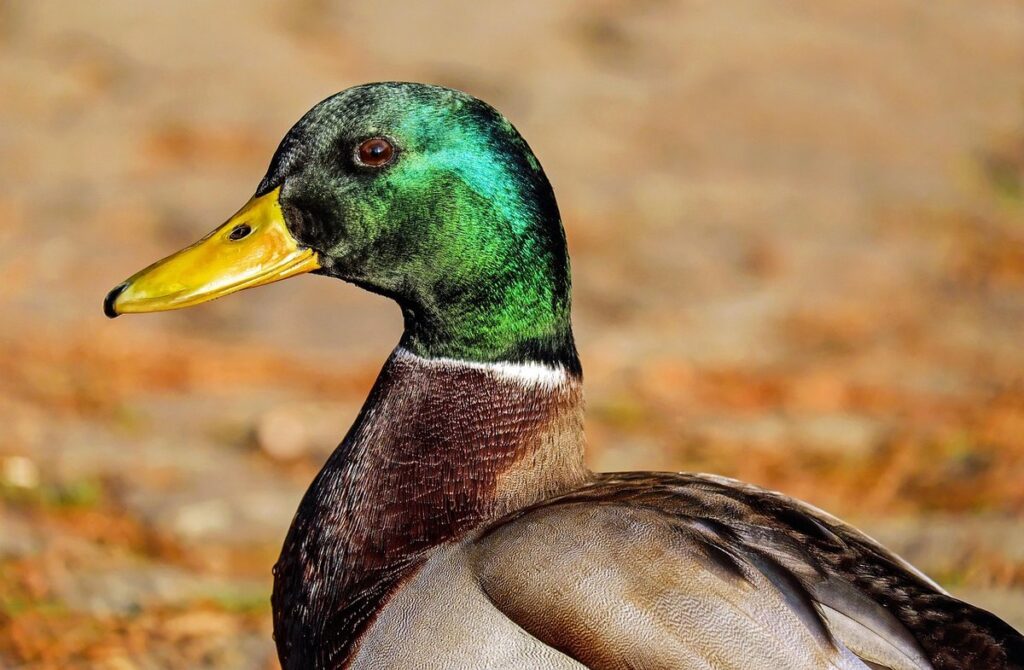
Male ducks, also known as drakes, have several distinctive physical features that set them apart from their female counterparts, known as hens. One of the most noticeable differences is their plumage, with males having a more vibrant and iridescent coloration on their feathers. For example, the Mallard drake has a striking green head, while the Wood Duck drake boasts a stunning array of colors on its chest and wings.
In terms of beak shape, male ducks typically have a thicker, more rounded beak than females, which is well-suited for their role in attracting mates. This can vary depending on the species, but in general, males tend to have a more robust beak structure.
Another key physical difference between male and female ducks is size. On average, drakes are slightly larger than hens, with longer necks and legs. For example, the American Wigeon drake measures around 20 inches in length, compared to the hen’s 18-inch length. By understanding these physical features, you can better identify a male duck in the wild or at your local park.
Behavioral Traits of Male Ducks
When it comes to the behavioral traits of male ducks, also known as drakes, they are quite fascinating. One of the most notable behaviors exhibited by drakes is their courtship displays. During breeding season, drakes will engage in elaborate displays to attract females, such as quacking, flapping their wings, and performing a ritualistic dance. This display is crucial for attracting a mate, as it showcases the drake’s health, vitality, and suitability as a partner.
Drakes also use territorial markings to establish dominance and warn off potential competitors. They will often scratch the ground with their feet or peck at vegetation to leave behind visual cues that signal their presence. This behavior is particularly evident in species such as the wood duck and the merganser, which are known for their aggressive defense of their territories.
By observing these behaviors, you can gain a better understanding of drake behavior and even use this knowledge to your advantage when keeping them in captivity. For example, providing multiple nesting areas or creating a large enough enclosure with adequate space for courtship displays can help promote healthy behavior and reduce stress among your feathered friends.
Common Misconceptions about Duck Sexing
When it comes to sexing ducks, many people assume that it’s a straightforward process, but there are some common misconceptions you need to know. Let’s debunk these myths together.
Debunking the “Drake” Myth
The “Drake” myth is one of the most enduring misconceptions about duck sexing. Many people believe that a male duck is simply called a “drake,” and while this term is often used, it’s not entirely accurate. The word “drake” specifically refers to a male duck during the breeding season, typically between March and August.
Outside of breeding season, or when referring to ducks in general, a male duck is more accurately referred to as a “cockerel.” This distinction may seem minor, but it’s essential for understanding the nuances of duck behavior and biology. For example, a breeder might keep a group of young cockerels together until they reach maturity, at which point they can be separated into breeding pairs.
To clarify this misconception, let’s take a look at some other terms that are often used incorrectly. The term “hen” typically refers to a female duck, while a “gander” is the male counterpart of a goose. By understanding these subtle differences in terminology, you’ll become more confident and accurate when discussing ducks with others.
The Importance of Accurate Language in Avian Communication
Accurate language is crucial when communicating about ducks, especially when it comes to sexing. Using correct terminology can make a significant difference in conveying information effectively among bird enthusiasts, scientists, and conservationists.
For instance, referring to a male duck as a “hen” or vice versa can lead to confusion and misinterpretation of data. In scientific research, accurate language ensures that results are reliable and applicable to the population being studied. This is particularly important when discussing topics like breeding programs, conservation efforts, and disease management.
To avoid perpetuating misconceptions, it’s essential to use standardised terminology when referring to duck sexing. The American Bantam Association (ABA) and other reputable organisations have established guidelines for accurately describing ducks’ sex. By adopting these guidelines, we can ensure that our communication is clear and effective, ultimately contributing to better understanding and management of duck populations.
When engaging in discussions or sharing information about ducks, remember to verify the accuracy of your language by consulting reliable sources. This simple step can greatly impact the success of your work and foster a culture of precision in avian communication.
Cultural Significance of Male Ducks
Male ducks have a fascinating cultural significance, playing important roles in folklore, mythology, and even modern art. We’ll explore these intriguing connections in more detail below.
Symbolism and Representation in Art and Literature
Male ducks have been imbued with symbolic significance across various cultures and artistic mediums. In ancient Greek mythology, the swan-like duck was associated with Aphrodite, goddess of love, symbolizing passion and desire. Similarly, in Norse mythology, the male duck represented fertility and prosperity.
In literature, authors often draw upon the symbolic connotations of male ducks to convey deeper meanings. For instance, in Gabriel Garcia Marquez’s “One Hundred Years of Solitude”, the character Aureliano Buendia is compared to a male duck, signifying his introspective nature and connection with the natural world. This literary device allows readers to interpret the narrative on multiple levels.
When analyzing symbolism in art and literature, consider the cultural context and historical period in which it was created. Ask yourself: what values or themes are being emphasized through the representation of a male duck? By examining these symbols, you can gain a deeper understanding of the artist’s or author’s intentions and appreciate the rich cultural significance of this seemingly simple creature.
The Role of Male Ducks in Folklore and Tradition
Male ducks have played significant roles in folklore and traditional practices worldwide, reflecting their unique characteristics and symbolism. In many cultures, male ducks are seen as strong, confident, and charismatic birds, which has led to their depiction in various myths and legends. For instance, in ancient Egypt, the male duck was associated with the god Sobek, a powerful deity revered for his ability to protect and heal.
In European folklore, male ducks are often portrayed as fierce warriors, fighting off predators to protect their families and territories. This image is reflected in the traditional English folk song “The Male Duck’s Song,” which tells the story of a brave duck who stands up to a menacing fox.
Similarly, in Japanese culture, the male duck is revered for its loyalty and fidelity, often depicted as a devoted mate and parent. These diverse depictions reflect the complexity and richness of male ducks’ roles in human imagination and cultural heritage. By exploring these stories and symbols, we can gain a deeper appreciation for the significance and charm of male ducks.
Identification Tips for Beginners
So, you’ve spotted a duck and want to know if it’s a male or female? This section is where we’ll break down some easy-to-spot differences between drakes and ducks.
Key Features to Look for When Identifying a Drake
When trying to identify a male duck, there are several key features to look for. One of the most noticeable differences between males and females is their plumage. Males tend to have brighter, more vibrant colors on their heads, necks, and chests, whereas females often have duller, more subdued tones. For example, the Mallard drake has a distinctive green head with a yellow bill, whereas the female has a mottled brown coloration.
In addition to plumage, males tend to be larger than females and have longer tails. The shape of the tail can also give away whether you’re looking at a male or female – drakes typically have a broader, more rounded tail than hens do. Furthermore, males are generally more aggressive and will often engage in loud quacking to establish dominance. If you observe a duck with these characteristics, it’s likely a male.
Be aware that some species of ducks can be difficult to sex based on physical characteristics alone, so don’t hesitate to consult with an expert if you’re unsure.
Using Field Guides and Online Resources
As you begin to explore the world of duck identification, having reliable resources at your fingertips can make all the difference. Field guides and online tools are an excellent place to start, offering a wealth of information on various species, including our focus – male ducks.
For those who prefer digital options, apps like iBird Pro or Merlin Bird ID offer extensive databases of bird species, complete with detailed descriptions, images, and range maps. Websites like AllAboutBirds.org or Audubon.org provide in-depth information on specific species, covering characteristics, habitats, and behavior. If you’re more of a bookworm, guides like the National Audubon Society Field Guide to Birds or the Sibley Guide to Birds are excellent references for learning about duck identification.
One key resource worth mentioning is eBird, an online platform where users can log their bird sightings and access real-time data on species distribution. This is especially useful for beginners, as it allows you to visualize patterns in bird populations and make more informed identifications.
Conservation Efforts: Supporting Duck Populations
When it comes to protecting these amazing birds, conservation efforts are crucial to supporting healthy duck populations. Let’s explore some inspiring initiatives making a real difference.
Protecting Habitats and Reducing Threats
Protecting habitats and reducing threats to duck populations is crucial for maintaining healthy ecosystems. When we talk about male ducks, it’s essential to consider their natural habits and the environments they inhabit. Habitat destruction is a significant threat to duck populations worldwide. Deforestation, urbanization, and wetland drainage can leave ducks without food, shelter, or breeding grounds. In fact, studies have shown that habitat loss is responsible for up to 80% of bird species extinctions.
To mitigate this issue, conservation efforts focus on preserving and restoring habitats. This can involve protecting natural wetlands, creating artificial nesting sites, and promoting sustainable land use practices. For example, the Audubon Society has launched initiatives to restore coastal wetlands in the United States, providing critical habitat for migratory ducks.
Reducing hunting is also vital to protecting duck populations. Excessive hunting can deplete duck numbers, especially during peak breeding seasons. To address this issue, many countries have implemented regulations on hunting seasons, bag limits, and species protection laws. Hunters must adhere to these rules to prevent overhunting and ensure the long-term sustainability of duck populations.
By working together, we can safeguard habitats and reduce threats to duck populations. As an individual, you can contribute by supporting organizations that engage in conservation efforts, spreading awareness about the importance of habitat preservation, or participating in citizen science projects. Every action counts, and collective effort can make a significant difference in protecting male duck populations.
The Role of Sustainable Practices in Supporting Drake Populations
Supporting healthy duck populations requires more than just habitat preservation and conservation efforts. Sustainable practices play a vital role in maintaining ecological balance and promoting biodiversity. One such practice is eco-tourism, which allows visitors to observe and learn from ducks without disrupting their natural behavior. This not only educates people about the importance of conservation but also creates economic incentives for local communities to protect duck habitats.
Responsible hunting is another essential aspect of sustainable practices. Regulated hunting seasons and bag limits help maintain a balance between duck populations and the environment. For instance, waterfowl hunting regulations in the United States are enforced by organizations like Ducks Unlimited and the U.S. Fish and Wildlife Service. These guidelines ensure that hunters do not overhunt, allowing duck populations to thrive.
Effective waste management is also crucial for supporting healthy duck populations. Keeping water sources clean and free from pollutants prevents the spread of diseases and maintains a healthy ecosystem. By adopting sustainable practices like recycling, composting, and reducing plastic use, we can significantly contribute to the well-being of duck populations.
Conclusion: Embracing Accuracy in Duck Terminology
Now that we’ve explored the ins and outs of duck terminology, let’s wrap up by discussing why accuracy matters when it comes to identifying a male duck.
Recapitulating Key Points
As we conclude our comprehensive guide on what a male duck is called, let’s take a moment to recapitulate the key points discussed throughout this article. We’ve delved into the world of waterfowl and explored the intricacies of duck terminology.
Firstly, it’s essential to acknowledge that accuracy in language is crucial when referring to male ducks. Using the correct term can make a significant difference in conveying respect for these magnificent creatures and their habitats. As we’ve seen, using the term “drake” specifically refers to an adult male duck, while younger males are called drakes as well.
Another critical point emphasized throughout this article is the importance of distinguishing between ducks and geese. While both belong to the waterfowl family, they have distinct characteristics and terminology associated with them. Using the correct terms ensures that we’re not confusing these species and their unique characteristics.
Additionally, we’ve explored how regional dialects and colloquialisms can sometimes lead to confusion when referring to male ducks. For example, some people might use the term “cock” or “rooster” interchangeably with drake, which can be misleading. It’s essential to understand these nuances and adapt our language accordingly.
To ensure you’re using accurate terminology in your everyday conversations, remember the following:
* Use “drake” specifically for adult male ducks.
* For younger males, also use the term “drake.”
* Be mindful of regional dialects and colloquialisms that might differ from standard duck terminology.
* Avoid using terms like “cock” or “rooster” when referring to male ducks.
By embracing accurate language and adopting these simple tips, you’ll be well on your way to becoming a confident communicator when discussing waterfowl with others.
Frequently Asked Questions
Can I identify a drake by its size or plumage?
Yes, male ducks (drakes) are generally larger than females and have more vibrant colors, but these characteristics can vary among species. A better way to identify a drake is to look for its distinctive physical features, such as the shape of its head, bill, and tail.
What if I’m still unsure about identifying a drake in the wild?
Using field guides and online resources can be incredibly helpful when trying to identify ducks in their natural habitats. These tools often include detailed descriptions, photographs, and illustrations that can aid in distinguishing between male and female ducks.
Are there any specific behaviors or habits that distinguish drakes from females?
Yes, males tend to engage in more aggressive behavior during mating season, such as displaying their brightly colored feathers and making loud calls to attract females. Females, on the other hand, are generally quieter and less competitive during this time.
Can I use online resources to learn more about specific duck species?
Yes, websites like Audubon Society or BirdLife International offer a wealth of information on various waterfowl species, including their habitats, behaviors, and conservation status. These resources can be especially helpful for identifying drakes in different regions.
How do I contribute to the conservation efforts for drake populations?
Supporting sustainable practices such as reducing plastic waste near water sources and promoting eco-friendly farming methods can help protect duck habitats and reduce threats to their populations. Additionally, volunteering with local wildlife organizations or donating to reputable charities focused on avian conservation can also make a significant impact.