
Hatching your own chicken eggs can be an incredibly rewarding experience, but it requires attention to detail and a solid understanding of the ideal incubation conditions. One crucial aspect that often gets overlooked is temperature – the subtle fluctuations in heat can make all the difference between success and failure. In this comprehensive guide, we’ll delve into the importance of temperature for chicken embryonic development and hatch rates. We’ll explore the ideal temperatures for different breeds, discuss how to maintain a consistent temperature in your incubator, and share best practices for achieving incubation success. Whether you’re a seasoned poultry enthusiast or just starting out, this article will provide you with the knowledge to boost your chances of hatching healthy chicks and take your backyard chicken-keeping to the next level.
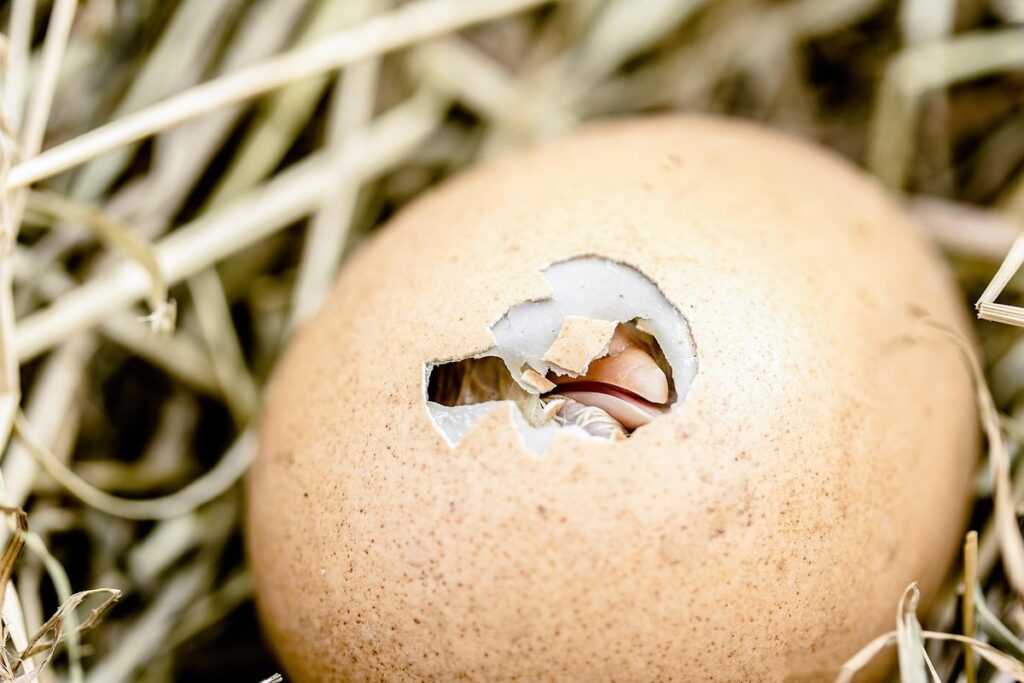
Understanding Chicken Embryonic Development
Before we dive into the specifics of hatching temperatures, let’s take a quick look at how chicken embryos develop and what factors influence their growth. This understanding will help you make informed decisions about incubation.
Stage of Development and Temperature Requirements
As you prepare to hatch those precious chicken eggs, it’s essential to understand that temperature plays a crucial role in embryonic development. The temperature requirements vary significantly across different stages of development, and getting it right can make all the difference in achieving high hatch rates.
During incubation, chicken embryos develop through several critical periods, each with specific temperature requirements. These periods include gastrulation (days 3-5), somitogenesis (days 6-9), and organogenesis (days 10-18). If temperatures fluctuate significantly during these stages, it can lead to developmental delays or even embryo death.
Here’s a rough outline of the ideal incubation temperature requirements for each stage:
* Days 1-3: 99.5°F – 100.0°F (37.7°C – 37.8°C)
* Days 4-6: 100.2°F – 100.5°F (37.9°C – 38.0°C)
* Days 7-18: 100.5°F – 101.0°F (38.0°C – 38.3°C)
A 1°F (0.5°C) deviation from the optimal temperature can significantly impact hatch rates. For example, a study showed that eggs incubated at 99.2°F (37.6°C) had an average hatch rate of 65%, compared to 90% for those incubated at 100.2°F (37.9°C).
By understanding and adhering to these temperature requirements, you can ensure the best possible conditions for your chicken embryos to grow and thrive.
Ideal Temperature Ranges for Different Breeds
When it comes to hatching chicken eggs, understanding how different breeds respond to temperature fluctuations is crucial. While most chickens can hatch within a range of 99°F to 100°F (37°C to 38°C), some breeds are more sensitive to temperature changes than others.
For instance, Heritage and Light Breed chickens, such as Leghorns and Plymouth Rocks, tend to be more resilient to temperature fluctuations. They can adapt well to temperatures ranging from 98°F to 102°F (36°C to 39°C). However, some breeds like Orpingtons and Brahma’s are more sensitive and require a slightly narrower temperature range of 99°F to 101°F (37°C to 38°C).
Keep in mind that even within the same breed, individual eggs may have different needs. Monitor your incubator closely and adjust temperatures as needed to ensure optimal hatching conditions. It’s also essential to consider factors like humidity levels and air circulation when determining the ideal temperature range for your specific breed.
Remember, it’s always better to err on the side of caution when it comes to temperature fluctuations. If you’re unsure about the ideal temperature range for your breed, consult with experienced chicken keepers or refer to breed-specific guidelines.
Factors Affecting Embryonic Development Beyond Temperature
While temperature is crucial for embryonic development, it’s not the only environmental factor that impacts a chicken embryo’s growth. Humidity, egg handling, and storage conditions also play significant roles.
Humidity levels between 40% to 60% are ideal for healthy embryonic development. If the air is too dry, it can cause dehydration, leading to developmental issues or even mortality. Conversely, excessive moisture can promote bacterial growth, contaminating the eggs and compromising embryo health.
Egg handling practices also affect embryonic development. Eggs should be handled gently to prevent damage to the shell or any potential cracks that may compromise the internal environment. When storing eggs before incubation, it’s essential to keep them in a cool, dry place away from direct sunlight. A consistent temperature range of 55°F to 65°F (13°C to 18°C) is recommended for storage.
Maintaining optimal environmental conditions throughout the incubation period ensures healthy embryonic development and increases the chances of successful hatching.
Choosing the Right Incubator for Your Needs
Now that you’ve decided on a hatching method, let’s talk about finding an incubator that suits your needs and helps your chicks thrive from day one. This will ensure a healthy hatch.
Types of Incubators: Digital, Pneumatic, and Still Air
When it comes to choosing an incubator for hatching chicken eggs, understanding the different types available is crucial. There are three primary types of incubators: digital, pneumatic, and still air.
Digital incubators use advanced technology to control temperature, humidity, and turning. They often come with a built-in thermometer and hygrometer, making it easy to monitor conditions. However, they can be more expensive than other options. If you’re new to hatching eggs, a digital incubator is a great choice as it provides precise control over the environment.
Pneumatic incubators use air pressure to circulate heat, providing an even temperature distribution. They are often more energy-efficient and quieter than other types. However, they require regular maintenance of the air filter to prevent contamination. Pneumatic incubators are ideal for those who want a low-maintenance solution with precise temperature control.
Still air incubators rely on convection currents to circulate heat. They are simple, affordable, and often manual. This type is best suited for small-scale hatching or as a backup in case of an emergency. If you’re looking for a budget-friendly option without sacrificing too much control, a still air incubator might be the way to go.
Each type has its advantages and disadvantages. When choosing an incubator, consider your needs, experience level, and available space.
Key Features to Consider When Selecting an Incubator
When selecting an incubator for hatching chicken eggs, there are several key features to consider. First and foremost, look for an incubator with accurate temperature control. This is crucial for successful hatching, as even slight variations can affect the development of your chicks. A good incubator should be able to maintain a consistent temperature within 0.1-0.2°C of the set point.
Another essential feature is humidity management. Most incubators come equipped with automatic humidistats that adjust the moisture levels accordingly. However, it’s also important to consider manual control options for more precise adjustments. A good rule of thumb is to maintain a relative humidity (RH) level between 50-60% during the first stage and increase it to 70-80% in the last stages.
Alarm systems are another vital feature to look out for. A reliable incubator should have alerts that notify you when there’s an issue with temperature, humidity, or other critical parameters. This ensures you can intervene promptly if something goes awry during hatching. When choosing an incubator, carefully evaluate these features to ensure the device meets your specific needs and promotes successful hatching outcomes.
Tips for Proper Maintenance and Cleaning of Your Incubator
Maintaining an incubator is crucial to ensure optimal performance and prevent contamination. A clean and well-maintained incubator will help you achieve successful hatch rates.
To start with, it’s essential to regularly inspect the incubator for dust buildup, dirt, or debris that can obstruct airflow or contaminate the eggs. You should also check the temperature and humidity settings daily to ensure they are within the optimal range for chicken egg hatching (99-100°F and 50-60% relative humidity). A temperature fluctuation of even a few degrees can significantly affect the hatch rate, so it’s vital to keep the incubator at a stable temperature.
Cleaning your incubator requires attention to detail. Remove all eggs from the turner or tray before cleaning, and wash the interior with mild soap and warm water. Rinse thoroughly and dry completely with a soft cloth. Regularly check and replace worn-out parts, such as gaskets or seals, which can compromise the incubator’s performance.
By following these maintenance tips and keeping your incubator clean, you’ll be well on your way to successful hatching of chicken eggs.
Temperature Control and Monitoring During Incubation
To ensure a safe and healthy incubation process, it’s crucial to understand how to control and monitor temperature levels during this critical period. Let’s dive into the importance of precise temperature control.
Understanding the Importance of Precision Temperature Control
When it comes to hatching chicken eggs successfully, temperature control is one of the most critical factors. This is because even slight variations in temperature can have a significant impact on embryo development and chick viability.
To put this into perspective, a 1-2°C (1.8-3.6°F) difference in temperature can result in a 50% reduction in hatch rates. Conversely, maintaining precise temperature control can help ensure that your chicks develop normally and emerge from the egg strong and healthy.
So, how do you monitor temperature during incubation? Common methods include using thermometers with digital displays, infrared temperature sensors, or even basic mercury thermometers. Regular checks are essential to ensure that temperatures remain within the optimal range (37-38°C or 98.6-100.4°F) for the first 18 days and drop to around 35-36°C (95-96.8°F) for the remaining three days.
Keep in mind that temperature fluctuations can occur due to various factors, including equipment failure, power outages, or even changes in room temperature. To mitigate these risks, it’s recommended to use multiple thermometers and have a backup plan in place, such as a battery-powered incubator or alternative heating sources.
How to Set Up Your Temperature Control System Correctly
Setting up a temperature control system correctly is crucial for successful incubation. To begin, you’ll need to calibrate the thermostat to ensure accurate temperature readings. This usually involves setting a reference point, such as 99°F (37°C), and checking that it’s within ±0.5°F (±0.3°C) of the actual temperature. If your thermometer has an auto-calibration feature, follow the manufacturer’s instructions for this process.
Once calibrated, adjust the temperature range to match the specific needs of your incubation setup. Most chicken egg incubators operate between 99.5°F (37.2°C) and 100.5°F (38°C). Make sure you’ve set the correct temperature range for your model, as some may have slightly different requirements.
To fine-tune your temperature control system, pay attention to temperature fluctuations within a narrow range, ideally ±0.1°F (±0.05°C), to ensure a consistent environment for optimal hatching. Regularly check and adjust your setup as needed to maintain the ideal temperature conditions for successful incubation and hatching of chicken eggs.
Troubleshooting Common Issues with Temperature Control
As you’re hatching chicken eggs, it’s inevitable that some temperature-related issues may arise. Temperature fluctuations can lead to uneven incubation, and equipment malfunctions can be catastrophic. Here are a few common problems that may come up:
One of the most common issues is temperature fluctuations within the incubator itself. This could be due to faulty thermostats or inadequate insulation. Check your thermostat regularly for accuracy and make sure it’s calibrated correctly. If you notice any unusual readings, troubleshoot the issue immediately.
Another potential problem is overheating or overcooling due to malfunctioning equipment. Ensure that all fans, heaters, and ventilation systems are functioning properly. Regularly clean dust from these parts as it can cause friction and reduce efficiency.
In case of a power outage, have a backup plan in place to maintain a stable temperature within the incubator. This could be an external generator or a UPS (uninterruptible power supply). Additionally, keep a thermometer with you at all times to monitor the temperature during an outage.
By being proactive and identifying potential issues early on, you can prevent any damage to your eggs and ensure successful hatching.
Factors Affecting Incubation Success Rates
When it comes to hatching chicken eggs, several factors can significantly impact success rates, from humidity levels to egg quality itself. Let’s explore these key considerations together.
Environmental Factors: Temperature, Humidity, and Ventilation
When it comes to hatching chicken eggs successfully, many people focus solely on maintaining the right temperature. However, there are other crucial environmental factors that play a significant role in incubation success rates. Two of these factors are humidity levels and ventilation.
Humidity is just as important as temperature when it comes to hatching eggs. If the air inside the incubator is too dry, the egg’s membrane will pull away from the shell, causing moisture loss and potentially leading to embryo mortality. Conversely, if the humidity is too high, condensation can form on the incubator walls and harm the developing chick. Aim for a relative humidity of 50-60% during the first 18 days of incubation, increasing it to 70-80% in the final three days.
Adequate ventilation is also essential for successful hatching. Proper airflow helps maintain the right temperature and humidity levels within the incubator. This can be achieved by ensuring that the incubator has adequate space between eggs, using a ventilation system specifically designed for incubators, or even incorporating air-permeable mesh to enhance airflow.
Genetic Factors Influencing Hatchability
When it comes to achieving high hatchability rates, breed selection is one crucial aspect that deserves attention. Different breeds have unique characteristics that can impact fertility and chick viability. For instance, some heritage breeds like Leghorns are known for their excellent reproductive capabilities, while others like Silkies may struggle with fertility issues.
Research suggests that genetic factors account for around 50-60% of the variation in hatchability rates. This is why selecting the right breed is essential to ensuring high-quality eggs and optimal incubation conditions. When choosing a breed, consider its inherent strengths and weaknesses regarding reproductive performance.
It’s also worth noting that even within the same breed, there can be significant variability in fertility and chick viability. This is due to factors like bloodlines, genetics, and individual bird characteristics. To mitigate this risk, many hatcheries now use advanced breeding techniques like embryo transfer and semen cryopreservation to improve reproductive success.
Ultimately, understanding the genetic factors that influence hatchability will help you make informed decisions about breed selection and incubation conditions, ultimately leading to improved results.
How to Increase Incubation Success Rates Through Best Practices
Implementing best practices is crucial to achieving high incubation success rates. When it comes to hatching chicken eggs, careful handling and a clean environment are essential for the health of both you and your developing chicks.
To begin with, always handle eggs gently to prevent cracking and contamination. This means cupping them in one hand while supporting their weight with the other, rather than holding them by their ends. You should also ensure that your hands are clean before touching the eggs. Wash your hands thoroughly with soap and warm water for at least 20 seconds.
Maintaining a clean environment is equally important. Keep your incubator away from pets and children who might accidentally break the eggs or disturb the incubation process. Regularly clean the incubator with a mild detergent to prevent bacterial growth. Change the water in the egg turner regularly, ideally every other day.
Frequently Asked Questions
How do I know if my incubator is maintaining a consistent temperature?
To ensure consistency, it’s essential to monitor your incubator’s temperature regularly using a thermometer or a temperature probe. You should also check for any signs of temperature fluctuations, such as uneven heating or cooling rates. By keeping a close eye on these factors, you can make adjustments as needed and maintain the optimal temperature range for your specific breed.
Can I hatch eggs with different breeds together in the same incubator?
While it’s technically possible to hatch multiple breeds simultaneously, doing so may compromise their individual development needs. Different breeds have unique temperature requirements, and mixing them could lead to suboptimal conditions for one or more of the eggs. To achieve the best results, consider separating your eggs by breed or using an incubator that allows you to set specific temperature ranges for each group.
How often should I clean my incubator to prevent bacterial growth?
Regular cleaning is crucial in maintaining a healthy environment for your eggs. Aim to clean your incubator every 7-10 days, paying attention to areas around the vents and fans where bacteria tend to accumulate. Also, consider implementing a disinfection protocol between hatchings or when switching breeds to minimize the risk of contamination.
What are some common mistakes that can affect temperature control in my incubator?
Some common pitfalls include incorrect calibration of the thermostat, inadequate ventilation, and neglecting to regularly check and replace worn-out parts. Additionally, overloading your incubator with too many eggs can lead to uneven heating and compromised temperature control. Be aware of these potential issues and take steps to mitigate them.
Can I use a still air incubator for large-scale commercial hatching?
Still air incubators are ideal for small-scale or hobbyist operations but may not be the best choice for larger-scale commercial hatcheries. They often require more manual intervention and can be less efficient in terms of temperature control, which is critical when dealing with high-volume hatching. For commercial purposes, consider investing in a digital or pneumatic incubator that offers better precision and automation features.