
Feeding your adorable ducklings is one of the most critical aspects of raising them. These tiny balls of fluff need a diet rich in nutrients to support their rapid growth and development. As a duckling parent, you’re probably wondering what’s the best food for your feathered friends. With so many options available, it can be overwhelming to decide between commercial feeds, homegrown treats, or even DIY recipes.
In this comprehensive guide, we’ll break down the nutritional requirements of ducklings and explore various feeding methods. We’ll cover everything from store-bought duckling feed to healthy homemade alternatives that’ll keep your babies thriving. By the end of this article, you’ll have a clear understanding of what your ducklings need to stay happy, healthy, and grow into strong, confident ducks.
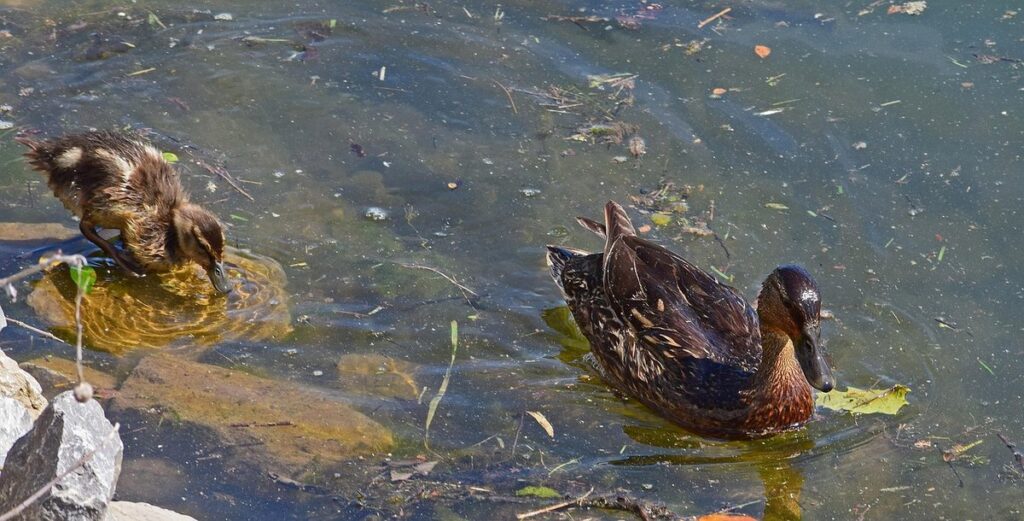
Choosing the Right Food for Your Ducklings
When it comes to feeding your ducklings, choosing the right food is crucial for their growth and development. This section will guide you through selecting a nutritious diet tailored to their specific needs.
Nutritional Requirements of Ducklings
When it comes to feeding ducklings, providing them with the right nutrients is crucial for their growth and development. Ducklings require a balanced diet that includes essential proteins, fats, carbohydrates, vitamins, and minerals.
Protein is an essential nutrient for ducklings, as it supports muscle growth and development. A good quality commercial duckling starter feed typically contains around 18-20% protein. However, if you’re looking to provide your ducklings with a more natural diet, consider feeding them live insects such as mealworms or crickets, which are high in protein (around 50-60%). Fats, on the other hand, provide energy and help maintain feather growth. Ducklings need around 2-3% fat in their diet.
In addition to proteins and fats, ducklings also require complex carbohydrates for energy. Whole grains such as oats, barley, or wheat can be a good source of complex carbs. Vitamins A, D, E, K, and B vitamins are essential for maintaining healthy skin, feathers, and eyesight. Ensure that you’re providing your ducklings with access to fresh vegetables like leafy greens, carrots, and sweet potatoes which are rich in these vitamins.
When it comes to minerals, calcium is particularly important for strong bone growth and development. Oyster shells or crushed eggshells can be a good source of calcium. Also, make sure to provide your ducklings with clean and fresh water at all times to prevent any health issues.
Types of Commercial Duckling Feed
When it comes to feeding your ducklings, you’ll find that commercial feed is a convenient and nutritionally complete option. There are several types of commercial duckling feed available, each designed for specific stages of growth. Starter feed is the perfect choice for ducklings from 0-4 weeks old, providing them with the energy and nutrients needed to grow rapidly during this critical period. It’s typically formulated with a higher protein content (around 22%) and added vitamins and minerals to support feather development and immune system function.
As your ducklings approach 4-8 weeks of age, you can transition them to grower feed. This type of feed has a slightly lower protein content (around 18-20%) but still provides essential nutrients for continued growth and development. Grower feed is also less expensive than starter feed, making it a cost-effective option.
For breeder ducks or those intended for laying eggs, breeder feed is the best choice. This type of feed has an even lower protein content (around 16-18%) but higher energy levels to support reproductive health and egg production. It’s essential to follow the manufacturer’s guidelines for age ranges and transition your ducklings gradually to avoid digestive upset.
DIY Duckling Food: Recipes and Tips
Feeding ducklings can get expensive, so we’ll explore some budget-friendly recipe ideas for homemade duckling food, making it easier to raise healthy quackers on a shoestring. We’ll share easy-to-make recipes and valuable tips along the way.
Creating a Balanced Diet with Homemade Feed
Creating a balanced diet for ducklings using homemade feed is not only cost-effective but also allows you to control the ingredients. Start by mixing grains such as oats, barley, and wheat with fruits and vegetables like apples, carrots, and leafy greens. A general rule of thumb is to allocate 50-60% of the mix to grains, 20-30% to vegetables, and 10-20% to fruits.
Supplements are crucial in ensuring your ducklings receive essential nutrients. You can add crushed eggshells for calcium, kelp meal for iodine, and dried alfalfa for protein. A good starting point is to use 1/4 teaspoon of each supplement per pound of feed mix.
Here’s a simple recipe to get you started: combine 2 cups oats, 1 cup barley, 1/2 cup wheat, 1 cup chopped carrots, 1/2 cup apple puree, and 1/4 teaspoon each of crushed eggshells, kelp meal, and dried alfalfa. Gradually adjust the recipe based on your ducklings’ growth rate and preferences.
Foraging for Wild Foods (with Precautions)
When it comes to supplementing your duckling’s diet with wild foods, you’ll want to focus on nutrient-rich options that are safe for them to consume. Dandelion greens, plantain leaves, and clover are all great choices. These plants are rich in vitamins A, C, and E, as well as minerals like potassium and iron.
To introduce wild foods into your duckling’s diet, start by offering small amounts of fresh greens daily. You can mix them with their regular feed to make mealtime more interesting. For example, try adding a handful of chopped dandelion greens to their morning meal.
However, it’s essential to exercise caution when foraging for wild foods. Be sure to inspect the plants carefully for any signs of pesticides or contamination. Also, avoid feeding ducklings plants that are known to be toxic, such as rhododendron or azalea leaves. Make sure to introduce new foods gradually and in small amounts to prevent digestive upset.
When foraging with your ducklings, always supervise them closely to ensure they’re not eating anything hazardous. Stick to areas that have been free of pesticides and herbicides, and consider consulting with a local expert on wild edibles before foraging.
Additional Food Sources for Ducklings
When it comes to raising healthy ducklings, having a varied diet is crucial. This next part of our guide explores alternative food sources you can provide your ducklings beyond their regular starter feed.
Introducing Fruits and Vegetables into Their Diet
Introducing fruits and vegetables into their diet is an excellent way to provide ducklings with essential nutrients, fiber, and antioxidants. Not only do they add variety to their meals, but they also help establish healthy eating habits from a young age.
When it comes to choosing fruits and vegetables for your ducklings, opt for those that are safe and non-toxic. Some examples of healthy options include leafy greens like kale, spinach, and collard greens, which can be introduced as early as 3-4 weeks old. Berries such as strawberries, blueberries, and raspberries are also great choices, but make sure to remove any seeds or pits first.
When introducing new foods, do it gradually by mixing them with their regular feed in small amounts (about 10% of their daily intake). This allows your ducklings’ digestive systems to adjust without causing discomfort. For example, start by offering a few leaves of kale for one meal, then increase the amount or try different types of greens the next day.
Some other fruits and vegetables that are safe for ducklings include:
* Carrots
* Sweet potatoes
* Green beans
* Peas
Remember to introduce new foods in moderation and balance their diet accordingly. It’s also essential to provide fresh water at all times, especially when offering high-fiber or high-sugar foods like fruits.
Treats and Snacks: What to Give Your Ducklings
When it comes to treats and snacks for ducklings, you have a wide range of options to choose from. Grains such as oats, barley, and wheat can be given as treats, but make sure they’re not too rich or fatty. You can also offer seeds like sunflower seeds, millet, and cracked corn in moderation.
Insects are another nutritious option for ducklings, with crickets being a popular choice. However, ensure that you’ve properly gut-loaded the insects before offering them to your ducklings. This means feeding the insects nutrient-rich foods prior to giving them to your ducklings. For example, you can feed crickets mealworms or sunflower seeds to increase their nutritional value.
It’s essential to remember that treats should make up only a small portion of your duckling’s diet. A good rule of thumb is to limit treats to no more than 10% of their daily calorie intake. Always supervise your ducklings when giving them treats and ensure they have access to fresh water at all times.
Health Considerations When Feeding Ducklings
When it comes to feeding ducklings, their health is a top priority, so let’s take a closer look at some essential health considerations you need to keep in mind.
Recognizing Signs of Nutritional Deficiencies
When it comes to raising healthy ducklings, it’s essential to recognize the signs of nutritional deficiencies early on. These young birds require a balanced diet to support their rapid growth and development. However, if they don’t receive the necessary nutrients, it can lead to a range of health problems.
One common sign of nutritional deficiency in ducklings is lethargy. If your ducklings seem listless or reluctant to move around, it may be a sign that they’re not getting enough protein or energy from their diet. Another indication is weight loss – if your ducklings are consistently losing weight despite having access to food, it could mean they’re not absorbing the nutrients they need.
Skin problems, such as scaly legs or feet, can also be a result of nutritional deficiencies. Make sure to provide a high-quality starter feed that’s formulated specifically for young waterfowl. If you notice any of these signs, it’s crucial to adjust their diet accordingly and consider consulting with a veterinarian if the issue persists. Keep an eye on your ducklings’ behavior and appearance, and don’t hesitate to make changes to ensure they’re getting the nutrients they need.
Managing Food-Related Health Issues
When it comes to feeding ducklings, it’s not just about providing them with the right nutrients, but also ensuring their overall health and well-being. Unfortunately, food-related health issues can be a common problem for young ducklings.
One of the most significant concerns is bacterial infections, which can spread quickly in a flock. To prevent this, make sure to provide fresh water and a clean feeding area at all times. Regularly disinfecting feeders and watering equipment will also help minimize the risk of infection. Additionally, ensure that any new feed or supplements are introduced gradually to prevent digestive problems.
Some ducklings may be more prone to allergies or sensitivities, especially if they’re fed low-quality or contaminated food. Be aware of signs such as diarrhea, lethargy, or skin irritation, and consult a veterinarian immediately if you notice any unusual behavior. A balanced diet that includes essential vitamins and minerals can also help boost their immune system.
To prevent digestive issues, it’s crucial to introduce ducklings to new foods gradually, starting with small amounts (about 10-20% of their regular feed) and increasing the proportion over a few days. This will allow them to adjust their gut bacteria and reduce the risk of digestive upset.
Conclusion: Feeding Your Ducklings for Optimal Growth
As you near the end of our comprehensive guide, let’s summarize the key takeaways on feeding your ducklings for optimal growth and development in their early stages.
Recap of Key Takeaways
To ensure your ducklings grow strong and healthy, it’s essential to provide them with the right nutrition. In this article, we’ve covered the key aspects of feeding your ducklings, including their nutritional requirements and various food options.
When selecting a diet for your ducklings, remember that they need a balanced mix of protein, carbohydrates, vitamins, and minerals. A commercial duckling starter feed is an excellent option, as it’s specifically formulated to meet their needs during the first few weeks of life. Look for feeds containing around 20% protein content.
You can also supplement their diet with fresh veggies like leafy greens, broccoli, and carrots. However, be cautious not to overfeed, as this can lead to malnutrition. As they grow older, you can introduce fruits like apples and berries in moderation. DIY food recipes, such as mealworm and oatmeal mixtures, are also a nutritious option.
Remember to provide fresh water at all times and make sure their living space is clean and free of drafts. By following these guidelines, you’ll be well on your way to raising healthy, thriving ducklings.
Final Tips for Success
As you continue on the journey of caring for your ducklings, remember that their dietary needs will evolve over time. Monitor their growth closely and adjust their diet accordingly. For example, as they reach 4-6 weeks old, you can gradually introduce more vegetables and fruits into their meals. However, ensure these additions don’t comprise more than 10% of their total food intake to maintain a balanced diet.
As ducklings grow, their nutritional requirements may change. Be prepared to adjust your feeding schedule and menu as needed. For instance, if you notice some ducklings growing faster or slower than others, it may be an indication that they require more or less food. Also, watch out for signs of health issues such as diarrhea or lethargy, which can often be caused by nutritional deficiencies.
If unsure about any aspect of your duckling’s diet, don’t hesitate to seek professional help from a local veterinarian or poultry expert.
Frequently Asked Questions
What are the signs that my ducklings are getting too much protein in their diet?
Excessive protein can lead to kidney damage and other health issues in ducklings. If you notice your ducklings’ growth slowing down, or they’re exhibiting lethargy, diarrhea, or even vomiting, it may be a sign that they’re consuming too much protein-rich food. Monitor their poop quality and adjust their diet accordingly to ensure a balanced nutrient intake.
Can I feed my ducklings fruits and vegetables directly, without mixing them with commercial feeds?
While some fruits and vegetables are safe for ducklings, feeding them raw can cause digestive issues due to their high fiber content or potential pesticide residues. It’s recommended to chop, cook, or puree fruits and veggies before offering them as treats, making sure not to overdo it (about 10% of their diet). Also, ensure they’re free from pesticides and mold.
How do I know if my homemade duckling feed is balanced enough?
Creating a homemade feed requires attention to detail regarding nutrient ratios. If you’re unsure about the balance, consider consulting with a poultry expert or a veterinarian for guidance. Additionally, use a reputable feed formula as a reference point and track your ducklings’ growth, observing any signs of deficiencies or overabundance.
Can I switch from commercial duckling feed to homemade feed suddenly?
Abrupt changes in diet can cause digestive upsets in ducklings. Gradually introduce the new food by mixing it with their existing feed (50:50 ratio) for a few days before switching completely. Monitor their response and adjust as needed to ensure a smooth transition.
What if I notice my ducklings are not growing at the expected rate? Could it be related to their diet?
Yes, inadequate nutrition is a common reason for slow growth in ducklings. Assess their diet’s nutrient balance, considering factors like protein, calcium, and vitamin D3 levels. Consult with a poultry expert or veterinarian to rule out other potential causes and adjust their feeding schedule accordingly.