
Ducks are delightful additions to any backyard or farm, but providing them with a balanced diet can be overwhelming. With so many options available, it’s easy to get confused about what to feed your feathered friends. A well-rounded diet is crucial for maintaining their health and happiness, but what exactly does that mean? It means offering a mix of grains, fruits, vegetables, and protein sources that provide all the necessary nutrients for optimal growth and well-being. In this article, we’ll dive into the world of duck nutrition, exploring safe and nutritious foods that you can add to your ducks’ diet, as well as healthy treats to keep them entertained and engaged. By the end of it, you’ll be a duck-feeding expert, ready to provide your quacking companions with the best possible care.
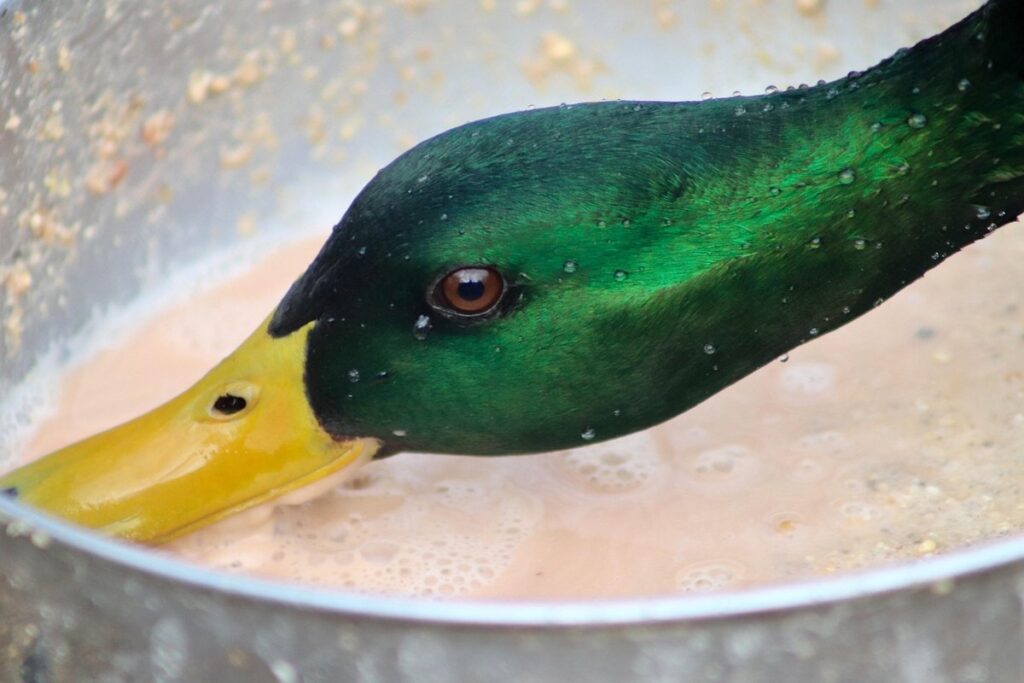
Introduction to Duck Nutrition
When it comes to feeding your feathered friends, understanding their nutritional needs is crucial. In this next part, we’ll dive into the essentials of duck nutrition and what you should be feeding them daily.
Understanding the Importance of a Balanced Diet
Providing the right food is essential for maintaining optimal health and well-being in ducks. A balanced diet plays a critical role in preventing various health issues that can arise from nutritional deficiencies or excesses. Ducks require specific nutrients, such as proteins, vitamins, and minerals, which are crucial for their growth, development, and overall functioning.
A diet lacking essential nutrients can lead to conditions like scaly leg mites, anemia, and even heart problems in ducks. Moreover, a poor diet can significantly impact egg production in laying ducks. For instance, a study found that hens fed a low-quality diet produced eggs with lower yolk quality and smaller size.
To ensure your duck’s diet is well-balanced, it’s essential to provide a mix of grains, fruits, and vegetables. You can also supplement their diet with commercial duck feed or pellets specifically formulated for ducks. However, be cautious not to overdo it, as excessive protein intake can lead to health issues in ducks.
A general rule of thumb is to offer your duck around 75-80% of its daily ration as grains, such as oats or barley, and the remaining percentage as fruits and vegetables.
Common Mistakes in Feeding Ducks
When it comes to feeding ducks, many well-intentioned owners make common mistakes that can have serious consequences for their feathered friends. Overfeeding is a major issue, as it can lead to obesity and a range of health problems, including heart disease, respiratory issues, and even organ failure. On the other hand, underfeeding can result in malnutrition and weakened immune systems.
It’s essential to understand that ducks have specific nutritional needs, which are influenced by their age, sex, breed, and level of activity. A balanced diet should include a mix of grains, fruits, vegetables, and proteins. However, feeding them too much junk food or table scraps can cause more harm than good.
To avoid these mistakes, it’s crucial to research and understand what ducks can and cannot eat. For example, bread is often seen as a treat for ducks but is actually detrimental to their health. Instead, offer them a variety of nutrient-rich foods like oats, barley, and sunflower seeds. By providing the right food in moderation, you’ll be giving your duck the best chance at a happy and healthy life.
Grains and Starches in Duck Feed
When it comes to grains and starches, some common ingredients you can include in your duck feed are oats, barley, and rice. These provide essential carbohydrates for energy.
Benefits and Limitations of Grains
When it comes to duck feed, grains are a staple component that provide essential energy and nutrients. Grains offer several benefits, making them an excellent addition to a balanced diet. As a primary source of carbohydrates, they help ducks maintain their weight and support optimal growth.
Whole grains, in particular, contain fiber, vitamins, and minerals that contribute to overall well-being. Oats, for instance, are rich in antioxidants, while barley provides crucial B vitamins. Grains also serve as an excellent energy source, allowing ducks to engage in physical activities like swimming and flying.
However, it’s essential to maintain a balanced grain intake to avoid potential drawbacks. Overconsumption of grains can lead to obesity and related health issues, such as metabolic disorders. Furthermore, excessive starch consumption may disrupt the duck’s natural gut flora balance.
To make the most of grains in your ducks’ feed, consider these tips:
- Gradually introduce whole grains to their diet
- Monitor grain intake to avoid overfeeding
- Supplement with other nutrient-rich components to ensure a balanced mix
Options for Grains: Types and Sources
When it comes to grains for duck feed, you have several options to choose from. Corn is a popular choice due to its high energy content and affordability. However, it’s essential to note that corn can cause digestive issues if fed excessively. Wheat is another option, providing protein and fiber but often requiring additional nutrients to balance the diet.
Oats are a healthier alternative, rich in fiber and easier on the digestive system. They’re also more readily available than other grains, making them an excellent choice for duck farmers. Barley is another nutrient-dense grain that offers a mix of carbohydrates and fiber.
When selecting grains for your ducks, consider their nutritional profiles and availability. A balanced diet should include a combination of these options to ensure optimal nutrition. You can also experiment with mixing grains in different proportions to create the perfect blend for your flock.
Some key factors to keep in mind when choosing grains include:
* Protein content: Ensure the grain provides adequate protein for your ducks’ growth and maintenance.
* Energy content: Balance high-energy grains like corn with lower-energy options like oats or barley.
* Availability: Consider local sources and storage needs to maintain freshness.
Fresh Fruits and Vegetables
When it comes to adding variety to your duck’s diet, fresh fruits and vegetables are a great place to start. This section explores some healthy options to consider.
Nutritional Benefits and Safety Considerations
When it comes to feeding your ducks a diet rich in fruits and vegetables, there are numerous health benefits to consider. Fruits like berries, apples, and oranges provide essential vitamins, minerals, and antioxidants that help boost their immune system and support overall well-being. Leafy greens such as kale, spinach, and collard greens are also excellent additions, offering vital iron, calcium, and fiber.
However, it’s crucial to exercise caution when introducing new foods into your duck’s diet. Be mindful of pesticide residue on produce, which can be toxic to ducks in large quantities. Opt for organic or locally sourced options whenever possible. Additionally, some plants like rhubarb, onions, and garlic are toxic to ducks and should be avoided entirely.
To ensure a balanced and safe fruit and vegetable intake for your ducks, stick to these guidelines: introduce new foods gradually to monitor their digestive response; provide a mix of raw and cooked produce to vary textures and nutrients; and limit the amount of treats given daily to avoid overfeeding. By making informed choices and following proper protocols, you can give your feathered friends the nutritional benefits they need to thrive.
Examples of Duck-Safe Fruits and Veggies
When it comes to feeding ducks fresh fruits and vegetables, there are many options available that provide essential nutrients for their overall health. Here are some duck-safe choices:
Apples are a popular choice among duck owners due to their high fiber content (2.4g per medium-sized apple) and water content (84%). They’re also relatively easy to prepare – simply wash and chop them into bite-sized pieces. Carrots, on the other hand, offer excellent vitamin A levels (11% of the daily value per 100g). Steaming or lightly boiling carrots can make them easier for ducks to digest.
Leafy greens like kale and spinach are nutrient-dense options that should be introduced in moderation due to their high oxalate content. Darker leaves like these can cause kidney issues if overfed, so limit portions accordingly (about 1 tablespoon per duck). Other beneficial fruits include berries – raspberries contain vitamin C and E, while blueberries provide antioxidants.
Preparation is key when serving fruits and vegetables to ducks. Ensure all items are free from pesticides and thoroughly washed before offering them to your feathered friends.
Protein Sources in Duck Feed
When it comes to providing a balanced diet for your feathered friends, understanding protein sources is crucial. Let’s dive into some of the best protein-rich ingredients you can add to their feed.
Importance of Adequate Protein
Protein is the backbone of a duck’s growth and maintenance. It plays a crucial role in building and repairing tissues, including muscles, skin, and feathers. Ducks require a minimum of 15-20% protein in their diet to maintain optimal health.
A deficiency in protein can lead to weakened immune systems, slowed growth rates, and poor feather quality. Imagine your duck losing its vibrant plumage or struggling with illnesses more frequently – it’s not a pleasant thought! In reality, ducks that don’t receive adequate protein often appear dull, lethargic, and vulnerable to disease.
On the other hand, providing the right amount of protein can work wonders for your duck’s overall well-being. A balanced diet rich in protein supports healthy feathers, shiny beaks, and robust immune systems. To ensure your duck gets enough protein, consider supplementing their feed with protein-rich ingredients like mealworms, sunflower seeds, or soybean meal.
When sourcing duck feed, look for products that contain at least 15-20% protein to guarantee you’re meeting your duck’s nutritional needs. Consult with a veterinarian or poultry expert if you have any concerns about your duck’s diet and overall health.
Alternative Protein Sources: Insects, Fish, and More
When it comes to protein sources for duck feed, many farmers and owners are looking beyond traditional options like soybean meal and grains. Alternative protein sources can provide a more sustainable and nutritious diet for ducks.
One such option is insects, specifically mealworms. These tiny critters are packed with protein (around 55%) and micronutrients, making them an attractive choice for duck feed. Many farmers have started incorporating mealworms into their duck diets, either as a replacement or supplement to traditional proteins. For example, in the Netherlands, some farms use insect-based feeds to reduce waste and emissions.
Fishmeal is another alternative protein source gaining traction. Made from fish bones and other by-products, it’s rich in omega-3 fatty acids and other essential nutrients for duck health. However, its high cost and potential impact on wild fish populations make it a less sustainable choice. Other options worth exploring include algae meal, blood meal, and even human food waste as protein sources.
When considering alternative proteins, remember to balance nutritional requirements with practicality. Be sure to research the best options for your specific climate, region, and duck breed. Consult with experts or other experienced farmers to ensure a smooth transition to these new feeds.
Healthy Treats and Supplements
When it comes to indulging your feathered friends, there are plenty of healthy options beyond their regular diet. Let’s explore some tasty treats and essential supplements for ducks.
Benefits and Limitations of Treats
When it comes to incorporating treats into your duck’s diet, there are both benefits and limitations to consider. One of the main advantages of using treats is mental stimulation. Providing a variety of treats can keep your ducks engaged and active, reducing boredom and stress that can lead to behavioral problems.
Treats can also be used as rewards during training sessions or as a way to encourage social interaction between ducks. For example, you can use treats to teach your duck to come when called or to perform specific behaviors. Just be sure to choose low-calorie options and only offer them in moderation to avoid overfeeding.
On the other hand, one of the main limitations of using treats is the potential for overfeeding. If not monitored carefully, ducks can quickly become overweight or obese, leading to a range of health problems. To avoid this, it’s essential to limit treat portions and balance them with a healthy diet of nutrient-rich foods.
When selecting treats, look for options that are high in fiber and low in calories. Some good choices include leafy greens like kale and spinach, as well as fruits like berries and melons. Avoid giving your ducks high-calorie snacks like nuts or seeds, which can quickly lead to weight gain.
Examples of Healthy Treats: Herbs, Seeds, and More
In addition to their regular diet, incorporating healthy treats can provide ducks with essential nutrients and mental stimulation. Some great options for healthy treats include herbs like parsley, basil, and dill, which are rich in vitamins A, C, and K, as well as minerals like calcium and iron.
Seeds such as sunflower seeds, pumpkin seeds, and flaxseeds are also nutritious additions to a duck’s diet. They’re high in protein, fiber, and healthy fats, making them an excellent source of energy for your feathered friends. To prepare these treats, simply sprinkle a few on top of their food or offer them as a snack.
Other healthy options include leafy greens like kale, spinach, and collard greens, which are packed with vitamins A, C, and K, as well as iron and calcium. You can also try offering fresh fruits like berries, apples, and melons in moderation. Always ensure that any new treats you introduce to your duck’s diet are clean, fresh, and free from pesticides or other contaminants.
When introducing new treats, start with small amounts (about 1-2 teaspoons per pound of body weight) and gradually increase the serving size based on your duck’s response. This will help prevent digestive issues and ensure a smooth transition to their new snack.
Tips for Creating a Well-Rounded Duck Diet
Now that we’ve covered the basics of what ducks can eat, let’s talk about how to create a well-rounded diet for your feathered friends. This includes balancing their nutritional needs and preventing overfeeding.
Sample Feeding Plans and Portion Control
When it comes to creating a well-rounded duck diet, portion control is crucial. A general rule of thumb for adult ducks is to provide 1/4 to 1/2 cup of food per pound of body weight per day. For example, if you have a 3-pound duck, you’ll want to offer around 3/4 to 1 and 1/2 cups of food per day.
It’s also essential to divide the daily ration into two or three meals to prevent overeating. Here are some sample feeding plans for ducks:
* For small breeds (less than 5 pounds): 1/4 cup per pound, divided into 3-4 meals
* For medium breeds (5-10 pounds): 1/2 cup per pound, divided into 2-3 meals
* For large breeds (over 10 pounds): 3/4 cup per pound, divided into 2 meals
Keep in mind that these are general guidelines and may need to be adjusted based on individual duck needs. Be sure to monitor your duck’s weight, energy level, and overall health to ensure you’re meeting their nutritional requirements.
Monitoring Your Ducks’ Health and Adjusting the Diet
As you monitor your ducks’ health, it’s essential to keep an eye on their overall well-being. Look for signs of illness, such as changes in droppings, appetite, or energy levels. Check their plumage regularly for signs of mites, lice, or fungal infections.
If you notice any unusual behaviors or physical changes, consult with a veterinarian experienced in treating waterfowl. They can help determine the cause and provide guidance on how to address it.
When adjusting your ducks’ diet as needed, consider the following:
• Increase protein intake: If your ducks are showing signs of poor feather growth or muscle weakness, you may need to add more protein-rich foods like mealworms, sunflower seeds, or nuts.
• Change feed types: Swapping between pellets, grains, and fresh produce can help ensure they’re getting a balanced diet. Mix and match different feed types to find what works best for your flock.
• Monitor water intake: Ensure your ducks have access to clean, fresh water at all times. A lack of hydration can lead to a range of health issues.
By keeping a close eye on your ducks’ health and adjusting their diet as needed, you’ll be able to provide them with the nutrients they need to thrive.
Conclusion: A Balanced Diet for Healthy Ducks
In conclusion, providing your ducks with a balanced diet is crucial for their overall health and well-being. As you’ve learned throughout this post, ducks have unique nutritional needs that should be met through a variety of feed sources. To create a well-rounded diet for your feathered friends, consider offering a mix of commercial duck pellets, fresh fruits and vegetables, and occasional treats like mealworms or sunflower seeds. Remember to limit the amount of table scraps, as they can lead to obesity and other health issues.
By following these guidelines and making a few adjustments to their regular diet, you’ll be well on your way to raising happy and healthy ducks. So go ahead, give them a try – I’m confident that both you and your quacking companions will appreciate the results!
Frequently Asked Questions
How can I create a customized feeding plan for my ducks?
A well-rounded diet is crucial, but every duck’s nutritional needs are unique. To create a customized feeding plan, consider your duck’s age, breed, and health status. Start by identifying their protein, vitamin, and mineral requirements. Then, mix and match different food sources to meet these needs. For example, if you’re raising ducks for eggs, focus on providing adequate calcium and protein-rich foods.
What are some signs of nutritional deficiency in ducks?
Ducks can exhibit various symptoms when they don’t receive the necessary nutrients. Look out for changes in their feather condition, egg production, or overall behavior. If you notice a decline in egg quality, lethargy, or loss of appetite, it may indicate a nutritional issue. Consult with a veterinarian to identify potential causes and adjust your feeding plan accordingly.
How do I ensure my ducks are getting enough protein?
Protein is essential for duck growth and development. To meet their protein needs, include protein-rich foods like insects, fish meal, or soybeans in their diet. Aim for 16-18% protein content on a dry matter basis. You can also supplement with commercial duck feed that meets your ducks’ nutritional requirements.
Can I give my ducks table scraps as treats?
While it’s tempting to share human food with your ducks, be cautious about what you offer. Some foods can cause digestive issues or lead to malnutrition. Stick to duck-safe fruits and vegetables like leafy greens, carrots, and berries. Avoid giving them high-starch or high-fat foods that can lead to health problems.
How often should I monitor my ducks’ health and adjust their diet?
Regular monitoring is crucial for maintaining your ducks’ optimal health. Schedule regular check-ups with a veterinarian to assess their overall well-being. Adjust your feeding plan as needed, taking into account changes in weather, season, or any health issues that may arise.