
If you’re one of the many people who enjoy feeding ducks during your visit to the park or by the lake, you might be wondering what’s the best food for them. Feeding ducks can be a delightful experience, but it’s essential to know that not all foods are suitable for these lovely birds. In fact, some common human foods can actually harm them.
If you’re looking for expert advice on responsible duck feeding in the UK, you’ve come to the right place. This guide will walk you through the essential nutrients your feathered friends need and what foods to give them. We’ll also cover which human foods to avoid, as they might surprise you! By the end of this article, you’ll be equipped with the knowledge to feed ducks in a way that’s both safe and enjoyable for everyone involved.
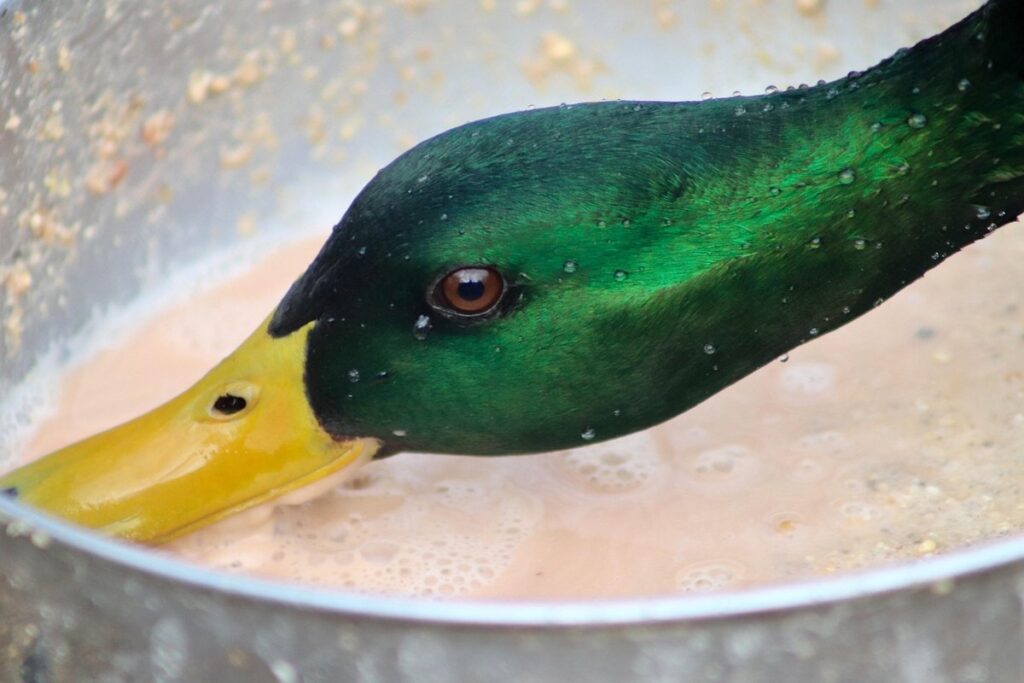
Understanding Duck Diet and Nutrition
To keep our feathered friends healthy, it’s essential to understand what ducks need nutritionally and how their diets can be tailored to suit their environment. Let’s take a closer look at duck dietary needs.
The Importance of a Balanced Diet
A balanced diet is crucial for ducks to thrive and maintain their health. Just like humans, ducks require a mix of protein, carbohydrates, and fiber to function properly. A diet that lacks one or more of these essential nutrients can lead to various health problems.
Protein is vital for duck growth and development, particularly during the molting season when they shed and regrow new feathers. Carbohydrates provide energy for their daily activities, while fiber helps maintain a healthy digestive system. A balanced diet ensures ducks have enough nutrients to produce eggs regularly and maintain a shiny coat.
To achieve this balance, feed your UK-based duck a combination of commercial duck pellets or mix with fresh fruits and vegetables. Dark leafy greens like kale and spinach are excellent sources of fiber and vitamins. Include some nuts and seeds like sunflower seeds for added protein and healthy fats. However, avoid overfeeding them as it can lead to obesity and other health issues.
By providing a balanced diet, you’ll be supporting your duck’s overall well-being and helping them live a long and happy life in the UK.
Essential Nutrients for Healthy Ducks
Ducks require a balanced diet that includes essential nutrients to maintain their health and well-being. These key nutrients can be divided into two main categories: macronutrients and micronutrients.
Macronutrients, such as carbohydrates, proteins, and fats, provide ducks with the energy they need to stay active and healthy. Ducks also require specific amino acids like methionine and lysine, which are essential for maintaining their protein requirements. In addition, vitamins A, D, E, and K play a crucial role in various bodily functions such as immune function, skin health, and bone growth.
When feeding ducks in the UK, it’s essential to provide them with a balanced diet that meets their nutritional needs. You can offer them a mix of commercial duck pellets or a formulated pelleted feed that contains all the necessary nutrients. Fresh vegetables like leafy greens, broccoli, and carrots are also excellent additions to their diet. However, avoid feeding ducks foods high in sugar, salt, and fat as they can lead to health issues such as obesity and liver problems.
Ducks also require access to clean water at all times, making it essential to maintain a clean water source for them.
Common Mistakes in Feeding Ducks
Feeding ducks can be a delightful experience for both you and the birds. However, there are some common mistakes people make when feeding ducks that can have negative consequences on their health and well-being.
One of the most significant errors is overfeeding or underfeeding. It’s essential to strike the right balance between providing enough food for the ducks’ basic needs and not giving them too much. Overfeeding can lead to obesity, which increases the risk of various health problems, including respiratory issues and heart disease. On the other hand, underfeeding can leave the ducks malnourished and weak.
Another mistake is feeding ducks table scraps or high-sugar foods like bread, which provide little to no nutritional value for the birds. These food items can also contribute to digestive issues in ducks. It’s best to stick to a diet of mixed grains, oats, and fresh vegetables, just as you would with any other bird species.
When feeding ducks, remember that moderation is key. A good rule of thumb is to provide about one cup of food per duck per day. This will ensure they receive the nutrients they need without overindulging. Be mindful of your feeding frequency too – it’s better to feed them small portions frequently rather than giving a large amount at once.
Suitable Foods for Ducks in the UK
When it comes to feeding your feathered friends, knowing what foods are safe and nutritious is crucial. This section will explore the best options for a happy and healthy duck diet in the UK.
Fruits and Vegetables
Ducks love fruits and vegetables as much as they do grains! In fact, incorporating a variety of seasonal produce into their diet can provide essential nutrients and keep them healthy. Here are some safe and nutritious options to consider:
When it comes to fruits, ducks adore berries like strawberries, blueberries, and raspberries. You can also give them sliced apples, pears, and bananas. Remember to remove seeds, pits, and any stems, as these can cause digestive issues.
Leafy greens are another staple for ducks. Opt for fresh kale, spinach, broccoli, and carrots, which are widely available in the UK’s supermarkets. Sweet potatoes and pumpkin are also great sources of vitamins and minerals. For local sourcing, consider visiting farmers’ markets or joining a community-supported agriculture (CSA) program to get fresh produce directly from the farm.
Remember to introduce new fruits and veggies gradually to prevent digestive upset. Start with small amounts and monitor your duck’s reaction before increasing the quantity. With this balanced approach, you can keep your feathered friends happy and healthy throughout the year!
Grains and Starchy Foods
When it comes to feeding your feathered friends, incorporating grains and starchy foods into their diet can be beneficial. In moderation, certain grains like oats are a great addition to their meal plan. Oats provide essential fiber, which aids digestion, and they’re also relatively inexpensive and easy to find.
Some people might wonder if bread is a suitable option for ducks, but it’s not recommended as a regular part of their diet. While an occasional slice won’t harm them, feeding bread can lead to malnutrition due to its lack of nutritional value. If you do choose to give your ducks bread, make sure it’s whole wheat or brown and given in moderation – about 1-2 tablespoons per duck.
Other starchy foods like rice and barley are also acceptable, but keep in mind that too much can cause stomach problems. As with all treats, introduce new grains gradually to prevent digestive upset. A balanced diet consisting of a mix of grains, fruits, vegetables, and protein sources will ensure your ducks stay happy and healthy.
Aquatic Plants and Algae
In addition to their favorite human treats, ducks also thrive on aquatic plants and algae. These should form a significant portion of a duck’s diet, particularly during the spring and summer months when they are readily available.
Some examples of safe sources for aquatic plants and algae include ponds, lakes, rivers, and slow-moving streams. You can also encourage your ducks to forage for plants in designated areas, such as shallow pools or carefully designed water features with built-in planters.
When selecting aquatic plants, look for those that are free from pesticides, herbicides, and other pollutants. Some recommended options include duckweed, watercress, and cattails. These plants not only provide essential nutrients but also help maintain the health of the ecosystem.
To ensure your ducks have access to a diverse range of aquatic plants, consider creating a duck-friendly pond or water feature in your garden. This can be as simple as installing a shallow pool with built-in planters or creating a small pond using a pre-formed liner. By providing this natural source of food, you’ll not only be feeding your ducks but also helping to maintain the balance of their ecosystem.
Human Foods to Avoid Feeding Ducks
When it comes to feeding your feathered friends, it’s easy to get carried away with treats – but there are some human foods that are toxic to ducks, so make sure you know what to avoid.
Processed Foods and Sugary Treats
When it comes to feeding ducks in the UK, it’s essential to steer clear of processed foods and sugary treats. While they may seem like a tasty snack for our feathered friends, these human foods can have serious consequences on their health.
Processed foods are often high in salt, sugar, and unhealthy fats, which can lead to obesity and diabetes in ducks. These conditions can cause a range of problems, including impaired insulin function, cardiovascular disease, and even liver damage. For example, feeding your duck a diet rich in processed bread can lead to an increase in their body weight, causing them to become lethargic and prone to disease.
Sugary treats are also a no-go when it comes to duck feed. Feeding ducks sugary foods like cakes, pastries, or sweets may seem like a fun way to treat them, but they’re essentially gorging on empty calories that provide no nutritional value. In fact, a study found that feeding ducks high-sugar diets can lead to an increased risk of metabolic disorders and other health problems.
To keep your feathered friends healthy, it’s best to stick to a balanced diet of duck pellets or grains specifically formulated for waterfowl. These foods will provide them with all the necessary nutrients they need to thrive.
High-Fat and High-Sodium Foods
When it comes to feeding ducks in the UK, there are certain human foods that you should avoid giving them altogether. High-fat and high-sodium foods are particularly hazardous for duck health.
Ducks have a unique digestive system that is not designed to process high amounts of fat or salt. Consuming these types of foods can lead to severe health issues, including liver damage, kidney failure, and even death. For instance, feeding ducks french fries or cooked sausages can cause pancreatitis, a painful and potentially life-threatening condition.
Some common high-fat foods that you should steer clear of include fried chicken, pizza, burgers, and chips (or crisps). High-sodium foods like canned soups, processed meats, and instant noodles are also best avoided. Instead, stick to nutrient-rich fruits and vegetables like leafy greens, berries, and sliced carrots. If you’re unsure about what human food is safe for ducks to eat, it’s always better to err on the side of caution and opt for duck pellets or other specially formulated bird feed instead.
Other Human Foods to Avoid
When it comes to feeding ducks in the UK, there are some human foods that you should strictly avoid. While treats like bread and oats might be tempting, other common foods can actually harm your feathered friends.
Chocolate is a major no-no for ducks. It contains a compound called theobromine, which can cause heart problems, tremors, and even seizures in birds. If you’ve ever seen a duck eating chocolate, it’s likely to look like it’s having a fit! Make sure to keep all chocolate treats out of reach.
Onions and garlic are another toxic duo for ducks. These plants belong to the Allium family and contain compounds that can cause anemia, weakness, and even death in birds. Even small amounts can be hazardous, so avoid using them in cooking or as treats altogether.
Other foods to steer clear of include avocado, raw beans, and rhubarb, which are all toxic to ducks. Stick to duck-specific treats or healthy veggies like kale, spinach, and carrots for a safe and happy feeding experience.
Feeding Ducks in Urban and Rural Areas
When it comes to feeding ducks in UK cities and countryside, knowing what’s safe and healthy for them is crucial. Let’s explore the best foods to feed ducks in urban and rural areas.
Feeding Ducks in Parks and Public Spaces
When visiting parks and public spaces in the UK, it’s common to see ducks swimming in ponds and lakes. Feeding them can be a delightful experience for both you and the ducks. However, it’s essential to consider the rules and regulations surrounding duck feeding in these areas.
Before feeding the ducks, check with local authorities or park rangers about any specific feeding guidelines or restrictions. Some parks may have designated feeding areas or prohibit feeding altogether. It’s also crucial to ensure that the food you bring is not harmful to the ducks. Avoid giving them bread, as it can lead to malnutrition and digestive issues.
Opt for duck-friendly foods like lettuce, spinach, and kale instead. You can also purchase duck pellets or birdseed specifically designed for waterfowl. When feeding, approach the ducks calmly and gently to avoid startling them. Keep in mind that feeding too many ducks at once can create competition and aggression among them. Limit your feeding to a few at a time, and only feed what they can consume within a short period.
By following these guidelines, you can enjoy feeding the ducks while also contributing to their health and well-being.
Feeding Ducks at Home or on Private Property
When it comes to feeding ducks on private property, whether that’s at home or in a garden, there are several considerations to keep in mind. Firstly, it’s essential to ensure that the food you’re providing is safe for both humans and wildlife. This means avoiding bread, which can be detrimental to duck health due to its high carbohydrate content and low nutritional value.
Instead, opt for healthier alternatives like oats, barley, or wheat-free birdseed. You can also try feeding them fruits and vegetables, such as leafy greens, carrots, or sweet potatoes. However, make sure to avoid giving them avocados, onions, or garlic, as these can be toxic to ducks.
When feeding ducks on private property, it’s also crucial to consider the impact on local wildlife and water quality. For instance, if you live near a pond or lake, be mindful of the amount of food you provide, as this can lead to overfeeding and subsequent water pollution. A good rule of thumb is to only feed the ducks what they would naturally find in their natural habitat.
Tips for Responsible Duck Feeding
When feeding ducks, it’s essential to consider their well-being and not harm them with unhealthy treats. Here are some valuable tips to ensure responsible duck feeding in UK parks and lakes.
Handling and Hygiene
When feeding ducks, it’s not just about providing them with their favorite treats – it’s also crucial to handle and maintain good hygiene practices. This is especially important in the UK, where waterfowl diseases like avian cholera and avian influenza are prevalent.
To prevent disease transmission, make sure to wash your hands thoroughly before and after feeding ducks. Use soap and warm water for at least 20 seconds, paying attention to areas between fingers, under nails, and backs of hands. This might seem like an obvious step, but it’s surprising how often people forget to do this.
When handling food or utensils near duck-feeding areas, ensure they are clean and sanitized. Use disposable gloves if you’re particularly concerned about cleanliness. Avoid touching your face, eyes, or mouth while feeding ducks, as these can be potential entry points for pathogens. Regularly clean and disinfect surfaces around the pond or water feature with a mixture of water and household bleach.
Remember, responsible duck feeding means being mindful not only of what we give them but also how we interact with them. By adopting good hygiene practices, you’ll help keep both yourself and your feathered friends healthy.
Respecting Local Regulations
Before feeding ducks in the UK, it’s essential to check and respect local regulations regarding duck feeding in your area. Regulations can vary from one location to another, so it’s crucial to familiarize yourself with the specific rules applicable to where you plan to feed ducks.
You can start by contacting your local council or park authorities to inquire about any guidelines or restrictions on duck feeding. Many parks and gardens have signs indicating what food is allowed and what’s not. For instance, some areas may prohibit the feeding of bread due to its high carbohydrate content and potential harm it can cause to ducks’ digestive systems.
When checking regulations, make sure to ask about any specific requirements for disposing of waste properly, as this is also a crucial aspect of responsible duck feeding. Additionally, be aware of any local bylaws or conservation efforts that may impact your ability to feed ducks in certain areas. By taking the time to understand and respect local regulations, you can ensure a safe and enjoyable experience for both you and the ducks.
Supporting Local Bird Populations
When feeding ducks in the UK, it’s not just about providing them with their favorite treats, but also about supporting the local bird populations. By making a few simple changes to your feeding habits, you can make a positive impact on the environment and help maintain a healthy balance of bird species.
For instance, consider using native plant species that attract various bird species, including ducks, in your garden or nearby parks. This will not only provide them with natural food sources but also create habitats for other birds to thrive. You can also contribute to local bird-friendly initiatives by donating to organizations that work towards protecting and preserving wetlands and wildlife habitats.
By supporting local bird populations through responsible feeding practices, you’re helping to preserve biodiversity and ensure the long-term health of duck populations in your area. It’s a small step towards creating a more sustainable environment, but one that can make a significant difference when combined with individual actions from others.
Frequently Asked Questions
Can I feed ducks bread as a substitute for other foods?
Yes, it’s best to avoid feeding ducks bread entirely. While it might seem like an easy option, bread lacks essential nutrients and can cause digestive problems. Instead, opt for duck-friendly foods that provide balanced nutrition.
What if I don’t have access to fresh fruits and vegetables in my area?
Don’t worry; there are still ways to feed ducks responsibly even without a wide range of produce. Consider visiting nearby parks or gardens where you can purchase or collect suitable foods. You can also look into local online forums or communities for suggestions on finding duck-friendly resources.
How often should I provide treats to ducks during a visit?
It’s essential to remember that treats should supplement, not replace, their natural diet. Limit treats to 1-2 per visit and space them out over the course of your time with the ducks. This way, you’re providing a welcome break for these birds without disrupting their natural feeding patterns.
Can I feed ducks in my backyard or on private property?
Responsible duck feeding extends beyond public spaces. If you plan to feed ducks in your own yard, ensure that you’re not attracting pests or contributing to overpopulation issues. Also, check with local authorities regarding regulations and restrictions on feeding wild birds in residential areas.
What if I accidentally introduce a non-native food source, like invasive plants?
If you’ve inadvertently introduced an unwanted plant species while feeding ducks, act promptly to mitigate the risk of harm. Reach out to local wildlife experts or conservation organizations for guidance on safely removing these plants and preventing further spread.