
When you visit a park or lake with a group of quacking friends, it can be tempting to share your snacks with them. But what should I feed ducks? While it’s understandable to want to help these feathered visitors, feeding them the right foods is crucial for their health and well-being. Unfortunately, many common human foods are not suitable for ducks, and some can even harm them.
In this article, we’ll take a closer look at what you should be feeding your new duck friends – from nutritious grains like oats and barley to healthy vegetables like lettuce and spinach. We’ll also cover the fruits that are safe to share, and provide some guidance on how to avoid common mistakes that can put the ducks’ health at risk. By the end of this comprehensive guide, you’ll know exactly what to feed ducks, ensuring they stay happy and healthy.
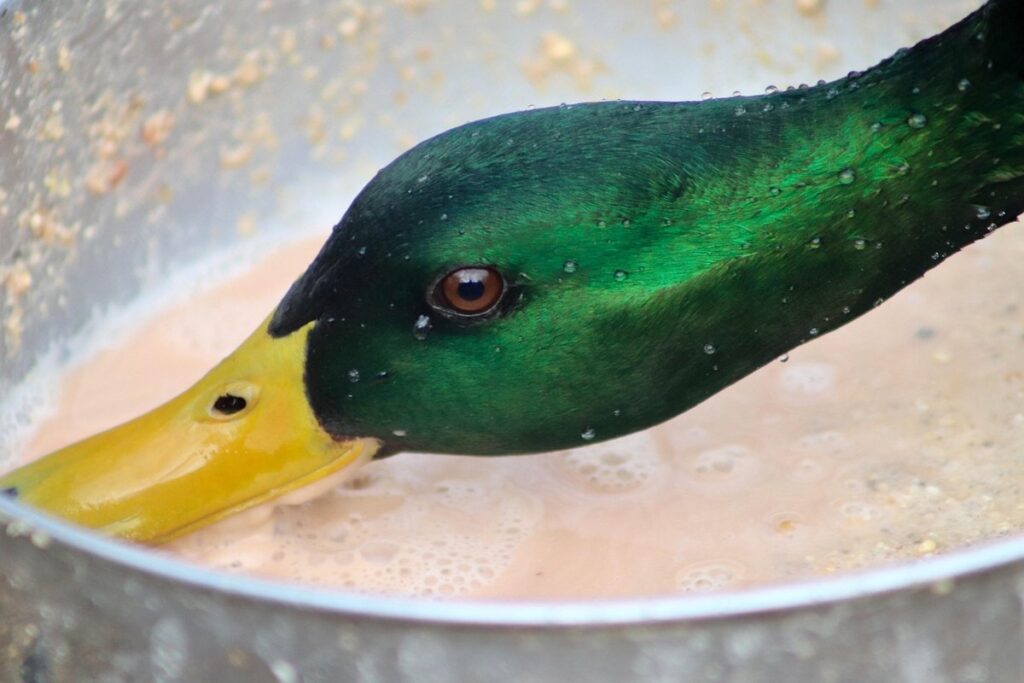
Understanding Duck Nutrition Basics
When it comes to feeding ducks, getting their nutrition basics right is crucial. Let’s start by understanding what ducklings and adult ducks need from a dietary perspective in terms of nutrients and food types.
Importance of Proper Diet
Providing ducks with a balanced diet is crucial for their overall health and well-being. A proper diet ensures they get all the necessary nutrients to stay healthy, grow strong, and thrive. A diet lacking essential vitamins and minerals can lead to various health issues such as weakened immune systems, respiratory problems, and poor feather growth.
A nutrient-rich diet supports a duck’s natural defense mechanisms, enabling them to fight off diseases more effectively. For instance, vitamin E deficiency can weaken the immune system of ducks, making them more susceptible to infections. Similarly, a diet deficient in iron may cause anemia, which can lead to lethargy and poor appetite.
To provide your feathered friends with a balanced diet, ensure they have access to clean water and high-quality duck feed that meets their nutritional needs. You can also supplement their diet with fruits, vegetables, and grains, but do so in moderation to avoid overfeeding. A well-planned diet is key to maintaining the health and happiness of your backyard ducks.
Common Mistakes in Feeding Ducks
When it comes to feeding ducks, many of us make mistakes that can have unintended consequences for these beautiful creatures. One common error is overfeeding, which can lead to obesity and related health issues such as diabetes, heart problems, and even death. According to a study by the National Wildlife Federation, overfed ducks are more likely to be injured or killed by predators due to their reduced ability to fly.
On the other hand, underfeeding can also have severe consequences, including weakened immune systems and malnutrition. In fact, a survey conducted by the Audubon Society found that many parks and waterways struggle with finding a balance between feeding ducks enough food while preventing overpopulation.
To avoid these mistakes, it’s essential to understand duck nutrition basics. A general rule of thumb is to provide small portions, about 1-2 teaspoons per duck, two to three times a day. You should also consider the type of food you’re providing – ducks prefer fruits and vegetables, and it’s best to avoid giving them high-sugar foods like bread.
Remember, feeding ducks should be done responsibly and with care for their well-being. By following these guidelines and being mindful of duck nutrition basics, we can ensure that these amazing creatures thrive in our presence.
Duck Food Groups: What to Offer
When it comes to providing a well-rounded diet for your feathered friends, understanding the different duck food groups is crucial. Let’s break down what you should offer.
Grains and Starches
When it comes to grains and starches, ducks love to munch on a variety of options. Oats are an excellent choice for duck feed, as they’re rich in fiber and can help support digestive health. You can offer rolled oats or oat groats, which provide a slow release of energy for your feathered friends.
Barley is another nutritious grain that’s perfect for ducks. It’s high in protein and contains essential minerals like potassium and phosphorus. You can use barley as a supplement to their regular diet or mix it with other grains for added variety. Wheat is also a good option, but be cautious not to overdo it – too much wheat can lead to digestive issues.
To incorporate these grains into your duck’s diet, try mixing them with fruits, vegetables, and proteins like mealworms or nuts. Aim for a balanced ratio of 1/3 grain, 1/3 protein, and 1/3 fruits and veggies. Remember to always provide fresh water and rotate the feed regularly to ensure your ducks receive a diverse range of nutrients. By offering a mix of oats, barley, and wheat, you’ll be supporting your duck’s overall health and well-being.
Vegetables and Fruits
When it comes to feeding your feathered friends a balanced diet, vegetables and fruits play a vital role. These nutrient-rich foods provide essential vitamins, minerals, and antioxidants that support a duck’s overall health and well-being.
Leafy greens like kale, spinach, and collard greens are excellent choices for ducks. They’re rich in iron, calcium, and vitamins A and K, which promote healthy feathers, bones, and eyesight. You can offer them fresh or frozen, and they’re perfect for adding to their morning or evening meal.
Other vegetables that are safe for ducks include carrots, sweet potatoes, and squash. These foods provide fiber, vitamins, and minerals that support healthy digestion and energy levels. Apples, bananas, and berries are also great fruits to offer as treats. However, be sure to remove seeds and pits, as they can cause choking hazards or toxicity.
When introducing new vegetables and fruits, do so gradually to prevent digestive upset. Start with small amounts and monitor their reaction before increasing the quantity. This will help ensure a smooth transition and keep your ducks happy and healthy!
Special Dietary Needs: Duckling Care
If you have young ducklings at home, it’s crucial to know what to feed them safely and nutritionally, especially if they have special dietary needs. Here are some guidelines for caring for ducklings with specific requirements.
Nutritional Requirements for Ducklings
When it comes to feeding ducklings, their nutritional requirements are quite different from those of adult ducks. In fact, young ducklings need a diet rich in protein and calories to support their rapid growth and development.
For the first few weeks of life, ducklings require a diet that’s at least 20% protein, which is significantly higher than the needs of adult ducks. You can achieve this by feeding them starter feed specifically formulated for young waterfowl. This type of feed will provide them with all the necessary nutrients, including vitamins and minerals.
Calcium is also crucial for ducklings as it helps develop strong bones and beaks. Make sure their feed contains a minimum of 1% calcium content to prevent deformities and other growth issues.
A deficiency in vitamin D3 can lead to softened bones and stunted growth, so ensure the feed you choose includes this essential nutrient. Consult with a veterinarian or poultry expert to determine the best starter feed for your ducklings and follow their recommendations for feeding schedules and amounts. By providing your ducklings with a balanced diet rich in protein, calcium, and vitamins, you’ll set them up for a healthy and thriving life.
Breeding and Laying Quacks
Breeding and laying ducks have different nutritional needs than other ducklings. To ensure they produce eggs with strong shells and optimal fertility, it’s crucial to provide a balanced diet rich in calcium, vitamins, and minerals.
For breeding ducks, focus on providing a nutrient-dense layer feed that contains 16-18% protein and 3.5-4% calcium. This will help support egg production and ensure the eggs have strong shells. You can also supplement their diet with crushed oyster shells or dark leafy greens like kale or spinach to boost calcium levels.
Laying hens require a balanced mix of carbohydrates, proteins, and fats to maintain energy and support egg production. A layer feed specifically formulated for ducks should be your main staple. Consider adding some grains like oats or barley to their diet, which are high in fiber and nutrients.
To promote fertility and overall health, ensure breeding ducks have access to clean water at all times. Provide a source of vitamin E, such as fish meal or wheat germ oil, to support reproductive health. Consult with your local feed supplier for the best recommendations on layer feeds suitable for your region’s climate and duck breed.
Environmental Considerations: Food Sources and Safety
When choosing what to feed ducks, it’s also essential to consider where their food comes from and whether it poses any safety risks to our feathered friends and local ecosystems. We’ll explore these crucial environmental considerations next.
Natural Food Sources in Parks and Ponds
Ducks in parks and ponds can forage for a variety of natural food sources. Algae is an abundant source of nutrition, particularly during warmer months when it grows rapidly. Insects such as mosquitoes, flies, and beetles are also readily available for ducks to feed on. Aquatic plants like duckweed, water lilies, and cattails provide essential nutrients.
When it comes to feeding ducks in parks and ponds, it’s best to let them take advantage of these natural food sources whenever possible. This is because their digestive systems are adapted to process plant material, making it easier for them to extract nutrients from their surroundings. By observing ducks in their natural habitat, you can see firsthand how they interact with their environment and exploit available resources.
In fact, studies have shown that ducks can survive and even thrive on a diet consisting primarily of aquatic plants and insects. For example, a study in the UK found that duck populations were more stable when allowed to forage freely in parks and ponds rather than being fed bread by visitors.
Avoiding Contaminated or Spoiled Food
When it comes to feeding ducks, many of us want to make sure they have access to healthy and nutritious food. However, there’s a crucial aspect to consider: the source and quality of the food you provide. Ducks are highly susceptible to foodborne illnesses, just like humans, and consuming contaminated or spoiled food can be devastating for these birds.
To avoid this, it’s essential to prioritize choosing fresh, unspoiled food for your feathered friends. Avoid feeding ducks bread, as it quickly becomes a breeding ground for bacteria and mold. Instead, opt for vegetables like lettuce, spinach, kale, or chopped carrots. Fresh fruits such as berries, apples, and oranges are also great options.
When selecting food, make sure to inspect the quality before offering it to the ducks. Discard any spoiled or moldy items immediately. If you’re unsure about the origin of the food or its freshness, err on the side of caution and choose a different option. By taking these simple steps, you can help ensure the health and well-being of your local duck population.
Interacting with Ducks: Tips for Visitors
When visiting parks and lakes where ducks live, it’s essential to know how to interact with them safely and respectfully, as their behavior can be unpredictable at times.
Feeding Ducks Responsibly
When visiting parks or bodies of water where ducks reside, feeding them can be a delightful experience for both you and the birds. However, it’s essential to do so responsibly to ensure their well-being and maintain the health of the ecosystem. To feed ducks properly, bring bread-free food options such as duck pellets or cracked corn. These alternatives are rich in nutrients that provide energy and promote healthy growth.
When determining how often to feed ducks, consider their natural diet. In the wild, they forage for plants, aquatic insects, and small crustaceans. Limit feeding sessions to once a day and offer moderate portions to prevent overfeeding. Overconsumption can lead to malnutrition and dependence on humans, making them vulnerable to predators.
To minimize waste and avoid polluting water sources, choose an open area with easy access to the water’s edge. Also, keep the area clean by disposing of uneaten food properly. By following these guidelines, you can enjoy feeding ducks while promoting their health and well-being in a responsible manner.
Minimizing Disturbance to Duck Habitats
When interacting with ducks, it’s essential to remember that their natural habitats are often fragile and sensitive ecosystems. To minimize disturbance to duck habitats, start by observing from a safe distance and respecting their personal space. Avoid feeding them near waterways or wetlands, as this can disrupt the delicate balance of their environment.
Instead, choose designated duck-feeding areas where waste is properly managed and facilities are available for cleaning up after visitors. This helps prevent the introduction of invasive species, pollutants, and diseases that can harm ducks and other wildlife.
Be mindful of your own behavior when visiting duck habitats. Refrain from littering or leaving behind food scraps, as these can attract pests and create a mess. When feeding ducks in designated areas, use only approved duck foods and avoid overfeeding, which can lead to dependence on humans for sustenance. By taking these simple steps, you can enjoy interacting with ducks while preserving their habitats for future generations.
Additional Considerations: Local Regulations and Health Concerns
When visiting parks or waterways where ducks live, it’s essential to be aware of local regulations regarding duck feeding and potential health risks associated with certain foods.
Checking Local Feeding Regulations
Before feeding ducks, it’s essential to check with local authorities about their regulations regarding duck feeding. This is crucial because different areas have varying rules and restrictions. In some places, you might need a permit to feed large groups of ducks, while others may prohibit feeding altogether.
Some cities even ban feeding bread to ducks due to concerns over water pollution. For instance, the city of Chicago has implemented measures to prevent excessive bread consumption by ducks in its parks. This is because uneaten bread can contribute to algae growth and water quality issues.
To ensure you’re complying with local regulations, research your area’s specific guidelines. Check your city or county website for information on permits required, feeding restrictions, and other relevant details. You can also contact local animal control or park rangers for guidance.
When visiting a new location, it’s always better to err on the side of caution. A quick online search or phone call can save you from any potential issues.
Health Risks Associated with Duck-Visitor Interaction
When interacting with ducks, it’s essential to be aware of the potential health risks associated with these adorable visitors. Bird-borne illnesses such as avian influenza (bird flu), salmonella, and E. coli can easily spread from ducks to humans through direct contact or contaminated water.
These illnesses are often transmitted through droppings, saliva, or mucus from infected birds. In rare cases, you might even contract them by eating food that’s been handled by an infected bird or contaminated with their feces. According to the Centers for Disease Control and Prevention (CDC), between 2004 and 2013, over 1,000 people in the US were infected with avian influenza.
To minimize these risks, always wash your hands thoroughly after interacting with ducks. You can also wear gloves if you’re concerned about direct contact. Avoid eating or drinking near duck-feeding areas to prevent accidental ingestion of contaminated water or food particles. When feeding ducks, opt for clean, dry surfaces and try not to touch their feathers or beaks.
Frequently Asked Questions
What if I accidentally feed ducks the wrong food? Can they still recover?
Yes, ducks are surprisingly resilient, but feeding them the wrong foods can lead to health issues, especially if it becomes a regular habit. If you’ve accidentally fed ducks an unsuitable food, monitor their behavior and look for signs of distress, such as lethargy or unusual droppings. If you suspect they’ve ingested something toxic, consult with local animal control or a wildlife expert.
How can I tell what vegetables are safe to share with ducks?
Focus on leafy greens like lettuce, spinach, kale, and collard greens, which are rich in nutrients and easy for ducks to digest. Avoid giving them starchy vegetables like potatoes, sweet potatoes, or corn, as they can cause digestive issues.
What if I notice some ducks looking healthier than others? Should I prioritize feeding those that appear malnourished?
Yes, it’s essential to feed the most vulnerable ducks first, especially during times of scarcity. Focus on providing high-quality foods like grains and fruits to ensure everyone gets a fair share. Consider visiting multiple locations or spreading your food offerings throughout the day to reduce competition.
Can I feed ducklings the same foods as adult ducks?
No, ducklings have specific nutritional requirements that differ from those of adult ducks. Focus on providing them with nutrient-rich foods like oats, barley, and specialized duckling feed, which are designed to support their rapid growth and development.
How can I avoid attracting pests or creating a mess when feeding ducks?
Choose a location far from water sources and avoid littering the area with food scraps. Use a designated feeding platform or tray to contain waste and minimize the risk of contamination. Consider visiting parks or areas with designated duck-feeding zones, where facilities are in place to manage waste and prevent overfeeding.