
Feeding your adorable goslings is one of the most crucial aspects of their growth and development. As a new parent, you want to ensure that they receive the right nutrition from the start to set them up for a healthy and happy life. But with so many options available, it can be overwhelming to know what to feed your little ones.
In this ultimate guide, we’ll cover the basics of gosling nutrition, exploring what they need to thrive. We’ll also delve into starter feeds and highlight common health concerns that you should be aware of. By the end of this article, you’ll have a well-defined feeding plan in place, giving your goslings the best possible start in life. Whether you’re an experienced goose parent or just starting out, this guide is here to help you create a nourishing environment for your feathered friends to grow and flourish.
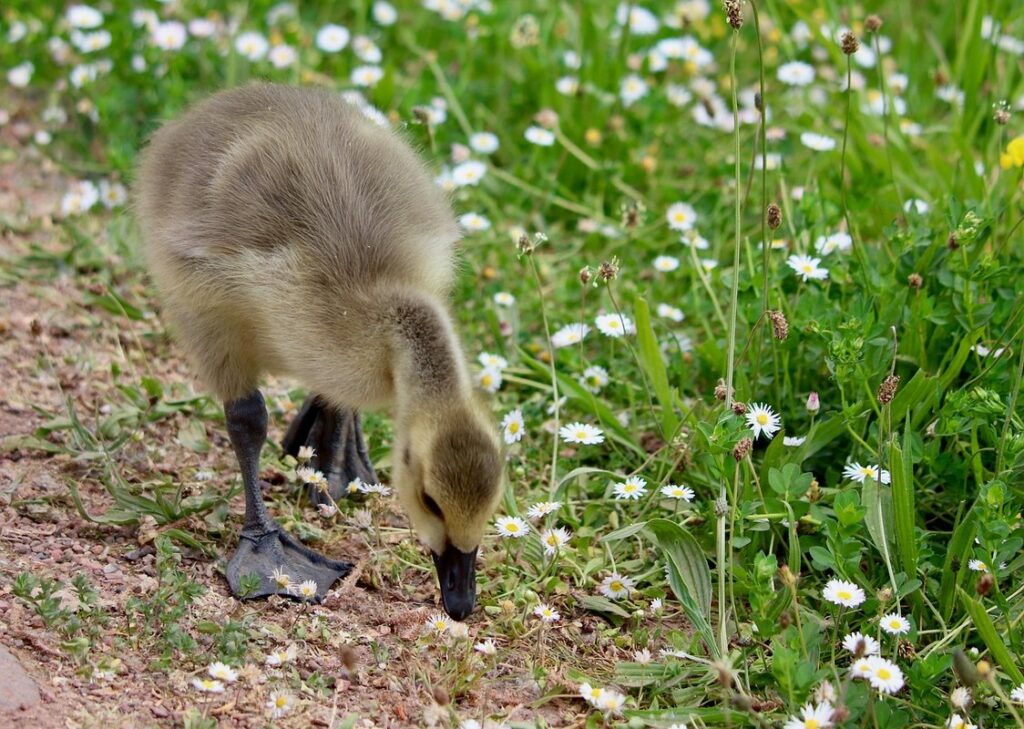
Understanding Gosling Nutrition Basics
To feed goslings effectively, it’s essential to understand their nutritional needs during different stages of growth, from hatching to maturity. This section will break down those needs into simple-to-follow guidelines.
Importance of Proper Nutrition in Gosling Growth
Nutrition plays a vital role in gosling growth and development. It’s not just about filling their bellies, but also about laying the foundation for their overall health and well-being. A well-balanced diet provides the necessary building blocks for goslings to grow strong bones, develop healthy feathers, and build a robust immune system.
Proper nutrition affects every stage of growth, from day-old goslings to young adolescents. A deficiency in essential nutrients can lead to stunted growth, weakened immunity, and an increased risk of disease. Conversely, a nutrient-rich diet enables goslings to reach their full potential, ensuring they’re healthy, energetic, and better equipped to withstand environmental challenges.
To ensure your goslings receive optimal nutrition, it’s crucial to provide a balanced mix of proteins, carbohydrates, fats, vitamins, and minerals. Consider supplementing their starter feed with nutritious treats like leafy greens, fruits, and mealworms. For instance, offering a daily dose of crushed oyster shells can help meet their calcium requirements for strong bone development.
A good rule of thumb is to provide fresh water at all times, and limit treats to 10-15% of their total diet. By doing so, you’ll be giving your goslings the best possible start in life, setting them up for a long, happy, and healthy lifespan.
Essential Nutrients for Goslings
Goslings require a balanced diet that includes essential nutrients to support their growth and development. Protein is one of the most critical nutrients for goslings, as it helps build and repair tissues, including feathers, muscles, and organs. Aim to provide 20-25% protein in their starter feed, with sources such as insects, mealworms, or commercial gosling feed.
Carbohydrates are another vital component, providing energy for growth and development. Whole grains like oats and barley can be added to their diet, but be sure to introduce them gradually to prevent digestive issues. Fats are essential for healthy skin, feathers, and overall vitality. Supplement with high-quality oils like fish oil or flaxseed oil.
Vitamins A, D, E, K, and B-complex play crucial roles in maintaining gosling health. Vitamin A supports eye development and immune function, while vitamin D aids in calcium absorption for strong bones. Vitamin E helps protect against cell damage, and vitamin K promotes blood clotting. Include fresh fruits and vegetables like leafy greens, berries, and carrots to ensure adequate vitamin intake.
Minerals such as calcium, phosphorus, and potassium are also vital for gosling growth. Calcium supports bone development, while phosphorus aids in energy production. Potassium helps regulate fluid balance and muscle function. Ensure access to a balanced feed that includes these essential minerals, or supplement with individual mineral sources if necessary.
Avoiding Common Nutrition Mistakes
When it comes to feeding goslings, it’s easy to fall into common mistakes that can affect their growth and overall health. One of the most critical errors is overfeeding, which can lead to a range of issues including obesity, digestive problems, and even death. On the other hand, underfeeding can result in stunted growth, weakened immune systems, and reduced egg production.
To avoid these mistakes, it’s essential to provide goslings with a balanced diet that meets their nutritional needs at each stage of development. This means feeding them a starter diet that includes a mix of grains, proteins, and vitamins for the first few weeks after hatching. A good rule of thumb is to feed them about 20-25% of their body weight in food per day.
Be aware that store-bought commercial gosling feeds may not always be the best option. Some of these diets can be too rich or contain fillers and by-products that are difficult for young birds to digest. Instead, consider mixing your own starter diet using high-quality grains like oats and barley, along with protein sources such as mealworms and crickets.
Remember, consistency is key when feeding goslings. Stick to a regular schedule and make sure they always have access to fresh water to prevent dehydration.
Choosing the Right Food for Goslings
When it comes to feeding your goslings, selecting the right food is crucial for their growth and development. In this next part of our guide, we’ll explore the best options for your young geese.
Starter Feed Options for Young Goslings
When it comes to feeding young goslings, choosing the right starter feed is crucial for their growth and development. There are two main types of starter feeds available: medicated and non-medicated.
Medicated starter feeds contain antibiotics that help prevent disease and promote healthy growth in goslings. These feeds are especially recommended for large-scale commercial operations or when there’s a high risk of disease. However, some experts argue that the overuse of antibiotics can lead to antibiotic-resistant bacteria. If you do choose medicated feed, be sure to follow the instructions carefully to avoid any potential issues.
Non-medicated starter feeds, on the other hand, are a popular choice for backyard breeders and small-scale operations. These feeds rely on natural ingredients to support healthy growth and immune function in goslings. Many non-medicated feeds also contain probiotics that help maintain a balanced gut microbiome. Some popular brands of non-medicated starter feed include Purina Game Bird Startena and Manna Pro Starter Feed.
When selecting a starter feed, it’s essential to consider the age and size of your goslings. Generally, medicated feeds are suitable for younger goslings (up to 4-5 weeks old), while non-medicated feeds can be started at around 5-6 weeks old. Always follow the manufacturer’s instructions and consult with a veterinarian if you have any concerns about feeding your goslings.
Switching to Layer or Grower Feed
As goslings grow and develop, their nutritional needs change, and it’s essential to transition them from starter feed to layer or grower feed at the right time. This is usually around 12-16 weeks of age, but it may vary depending on individual growth rates.
Signs that indicate a change is necessary include visible changes in feather development, muscle mass, and energy levels. If you notice your goslings’ appetite increasing, or if they’re showing signs of stress due to rapid growth, it’s time to switch feeds.
To make the transition smooth, introduce layer or grower feed gradually, mixing it with starter feed in a 10:90 ratio for the first week. Gradually increase the proportion over the next few weeks until you reach 100% layer or grower feed. Monitor your goslings’ growth and adjust the transition period as needed.
It’s also crucial to consider the protein content of the new feed, which should be around 15-18% for layers and 18-20% for growers. Keep an eye on your goslings’ overall health and adjust the feed accordingly to ensure they receive the nutrients they need during this critical growth period.
Supplementing with Fresh Foods
In addition to providing a balanced starter feed, it’s essential to supplement your gosling’s diet with fresh foods. This will not only ensure they receive the nutrients they need but also help stimulate their natural foraging behavior. Fresh fruits and vegetables are excellent options to include in their diet.
Some healthy choices include leafy greens like kale, spinach, and collard greens, as well as bell peppers, carrots, and sweet potatoes. You can chop these into small pieces or mash them up to make them easier for your gosling to digest. Fruits like berries, apples, and bananas are also nutritious and easy to introduce.
Insects are another great source of protein that can be fed to goslings. Crickets, mealworms, and waxworms are all popular options. When introducing new foods, do so gradually to prevent digestive upset. Start with small amounts (about 1-2 teaspoons per day) and observe your gosling’s response before increasing the quantity or variety of fresh foods provided. This will help ensure a smooth transition and prevent any potential issues.
Preparing and Providing Water for Goslings
When it comes to raising goslings, providing a steady supply of fresh water is crucial for their health and development. In this next section, we’ll cover how to ensure your goslings always have access to clean drinking water.
Importance of Access to Clean Water
Access to clean water is crucial for goslings at all times. It’s essential to provide them with fresh water that’s free from contaminants and bacteria. A dirty water source can lead to a range of health issues, including dehydration, digestive problems, and even death.
To maintain a clean water source for your goslings, change the water frequently – ideally every 4-6 hours or immediately if you notice any changes in its appearance or smell. Use a high-quality water filter or a UV sterilizer to ensure the water is free from bacteria and other contaminants. You can also consider using a waterer with an automatic float valve that shuts off the flow of water when it reaches a certain level, making it easier to maintain.
Regularly cleaning and disinfecting the feeder and surrounding area is equally important to prevent bacterial growth. Use a mild detergent and warm water for this purpose, followed by a thorough rinse to remove any residue. By taking these simple steps, you can ensure your goslings have access to clean drinking water at all times, which is vital for their health and development.
Tips for Offering Fresh Water
When it comes to providing fresh water for goslings, it’s essential to prioritize their health and well-being. One of the most critical aspects is ensuring they have access to clean, fresh water at all times. Automated watering systems can be an excellent option, as they minimize the risk of contamination and make monitoring water levels easy.
However, if you don’t have access to such a system, frequent water changes are crucial. Change the water at least twice a day, or more often in hot weather, to prevent bacterial growth. You can also try adding a few ice cubes to the water to keep it cool and fresh for longer.
Another important consideration is the water’s location. Place the water container near the feeding area to encourage goslings to drink frequently throughout the day. As goslings grow, their water needs will increase, so be prepared to increase the quantity of water provided accordingly. By following these tips, you can ensure your goslings have access to fresh, clean water at all times.
Risks Associated with Dirty Water
Dirty water can pose significant health risks to goslings. When water is contaminated with bacteria, viruses, or other microorganisms, it can lead to a range of problems for young geese. Bacterial growth in dirty water can cause digestive issues, respiratory infections, and even life-threatening diseases.
Some common contaminants found in dirty water include E. coli, Salmonella, and Campylobacter. These pathogens can be introduced into the water through various means, such as poor sanitation, contaminated feed or bedding, or nearby animal waste. For example, if you’re raising goslings in a coop with inadequate ventilation, the air quality can become compromised, leading to moisture buildup and creating an ideal environment for bacterial growth.
To prevent these risks, it’s essential to maintain a clean and well-maintained water source for your goslings. This includes changing the water frequently, cleaning the waterer regularly, and ensuring good ventilation in their living area. You can also consider using a water filter or adding a few drops of apple cider vinegar to help reduce bacterial growth.
Feeding Goslings at Different Ages
As you care for your goslings, it’s essential to know how their dietary needs change as they grow and mature, so let’s dive into feeding them at various ages.
Neonatal (0-2 Weeks) Nutrition Requirements
During the first two weeks of life, neonatal goslings have unique nutrition requirements that are crucial for their growth and development. One of the most essential nutrients they need is electrolytes, which help regulate their bodily functions, such as maintaining proper pH levels and facilitating nerve impulses.
Colostrum, the first milk produced by mother geese in the first few days after hatching, is a rich source of electrolytes, antibodies, and other vital nutrients. It plays a critical role in protecting neonatal goslings from infections and diseases during this vulnerable period.
When feeding neonatal goslings, it’s essential to provide them with colostrum-rich milk or a commercial starter feed that mimics the nutritional profile of colostrum. You can also supplement their diet with electrolyte solutions, especially if they’re experiencing diarrhea or other digestive issues. Make sure to follow the manufacturer’s instructions for proper dosing and administration.
Aim to feed neonatal goslings every 2-3 hours during the day and night, with small amounts (about 1/4 teaspoon per chick) to prevent overfeeding. Keep an eye on their stool quality and adjust their diet accordingly. By meeting their electrolyte needs and providing them with colostrum-rich milk or a starter feed, you’ll be giving your neonatal goslings the best possible start in life.
Sub-Weaning (2-4 Weeks) Nutritional Needs
During sub-weaning (2-4 weeks), goslings require an optimal balance of nutrients to support rapid growth and development. Their nutritional needs are higher than those of ducklings due to their unique physiology, with a need for increased protein intake.
At this stage, goslings should be consuming starter feed specifically formulated for waterfowl, which contains 20-25% protein levels. It’s essential to provide them with an adequate supply of energy-rich foods like grains and vegetables. A good mix of corn, oats, barley, and wheat will help meet their caloric needs.
In addition to a balanced starter feed, goslings also benefit from supplemental feeding. Offer live mealworms or chopped vegetables like kale, spinach, and carrots to provide essential vitamins and minerals. A high-quality commercial supplement, such as crushed oyster shells, should be provided at 1-2% of their total diet.
Remember to always maintain a clean and hygienic feeding area to prevent disease transmission among the goslings.
Weaned Goslings (4+ Weeks) Nutrition Requirements
As goslings grow and mature, their nutritional needs change significantly. By around 4-5 weeks of age, most goslings are fully weaned from their mother’s care and are ready to transition to a more adult-specific feed. At this stage, you’ll need to start introducing layer or grower feed as part of their diet.
Layer feed is typically formulated for birds that will be laying eggs, while grower feed is designed for young birds still growing rapidly. Both types of feeds have higher protein levels than starter feed, which is ideal for weaned goslings who are now focusing on building muscle mass and developing strong feathers.
When transitioning your goslings to layer or grower feed, it’s essential to do so gradually. Start by mixing a small amount of the new feed into their starter feed over a period of 7-10 days. This will allow them to adjust to the new flavors and textures without experiencing digestive upset.
As with any changes to your goslings’ diet, ensure that fresh water is always available and that they have access to a balanced and nutritious feeding program.
Managing Health Issues Related to Feeding Goslings
As a gosling owner, you may encounter health issues related to feeding, such as digestive problems and vitamin deficiencies, which can be prevented with proper nutrition. This section will provide guidance on how to identify and address these common concerns.
Recognizing Common Health Problems
Feeding goslings requires careful attention to their nutritional needs, and overlooking these can lead to various health issues. One of the most common problems is nutrient deficiencies, which can arise from feeding a diet that lacks essential vitamins or minerals. For instance, a diet devoid of vitamin D can cause softening of the bones in goslings, while a lack of calcium can weaken their skeletal system.
Goslings are also prone to digestive problems due to the high demand for nutrients during their rapid growth phase. Impaction, where food becomes stuck in the bird’s stomach or intestines, is another common issue that requires immediate attention. This can be prevented by offering small, frequent meals and ensuring access to fresh water at all times.
Keep an eye out for signs of health issues such as lethargy, ruffled feathers, or changes in droppings. By recognizing these early warning signals, you can take prompt action to address the problem and provide a healthy environment for your goslings to thrive. Regular monitoring is key to preventing health problems associated with feeding.
Diagnosing and Addressing Health Concerns
As you begin feeding your goslings, it’s essential to be aware of potential health concerns that may arise. Keep a close eye on their behavior and overall well-being, watching for signs such as lethargy, diarrhea, or loss of appetite.
Consult with a veterinarian experienced in caring for waterfowl if you notice any unusual symptoms. They can provide guidance on the best course of action and recommend treatments to get your goslings back on track.
Some common health issues that may affect goslings include hypoproteinemia (a lack of protein), respiratory problems, and bacterial infections. Make sure their diet is balanced and meets their nutritional needs, as poor nutrition can lead to these conditions.
To prevent health concerns, maintain a clean feeding area and ensure the water is fresh and free from contaminants. Monitor your goslings’ stool quality and adjust their feed accordingly. Keep records of their weight, appetite, and overall condition to help identify any potential issues early on.
Regular veterinary check-ups can also help detect underlying health problems before they become serious.
Conclusion: A Well-Defined Feeding Plan for Goslings
Now that you’ve learned about the different types of feed and supplements suitable for goslings, it’s time to put it all together into a well-defined feeding plan. Remember, every gosling is unique, so it’s essential to observe their individual needs and adjust your feeding schedule accordingly. Start by dividing the day into four to six feeding sessions, providing a mix of starter feed, treats, and supplements as needed. For example, you might offer a pound of starter feed in the morning, followed by a half-pound of treats at noon. Consider creating a feeding chart or schedule to keep track of your goslings’ progress and ensure that everyone is getting what they need. With time and patience, you’ll be able to tailor your feeding plan to meet the specific needs of each gosling in your care.
Frequently Asked Questions
Can I use human baby formula as a substitute for gosling starter feed?
While it may seem convenient, using human baby formula is not recommended. Goslings require specific nutrients that are tailored to their growth and development needs. A good quality gosling starter feed or a homemade mix specifically designed for goslings will provide the necessary building blocks for healthy growth.
How do I handle a situation where my goslings are refusing to eat?
If your goslings show signs of refusal to eat, it’s essential to investigate the cause. Check their living conditions, water quality, and ensure that they’re receiving adequate light and ventilation. Consult with a veterinarian or experienced goose breeder for advice on handling such situations.
What are some common mistakes I should avoid when preparing homemade gosling feed?
When creating your own mix, make sure to balance the protein-to-energy ratio accurately. Avoid overfeeding, as this can lead to digestive issues and health problems in the long run. Also, ensure that you’re using fresh and high-quality ingredients to minimize contamination risks.
Can I switch my goslings from starter feed to layer feed too early?
Switching to layer feed too early can be detrimental to your goslings’ growth. Typically, goslings should be at least 16 weeks old before transitioning to a layer feed. Consult with a veterinarian or experienced breeder for guidance on the ideal time for switching feeds based on individual needs and development stages.
How do I ensure that my goslings have access to clean water throughout the day?
Ensure that your goslings’ water source is fresh, clean, and readily available at all times. Change their water frequently, ideally 2-3 times a day, and provide multiple water sources in case one becomes contaminated. Make sure that the water containers are clean and free of any contamination risks.