
If you’re one of the many backyard chicken enthusiasts who’ve fallen in love with guinea hens, you know that providing them with a balanced diet is crucial to their overall health and well-being. But, let’s face it, guinea hens are notoriously picky eaters! So, what do you feed these feisty birds? Providing the right mix of protein sources, calcium-rich foods, and safe fruits and vegetables can be overwhelming, especially if you’re new to keeping guinea hens as pets. In this article, we’ll break down everything you need to know about creating a homemade diet for your guinea hens, including expert tips on monitoring their health and making sure they’re getting all the nutrients they need to thrive. We’ll explore safe food options and give you guidance on what to avoid, so you can rest assured that your feathered friends are happy and healthy!
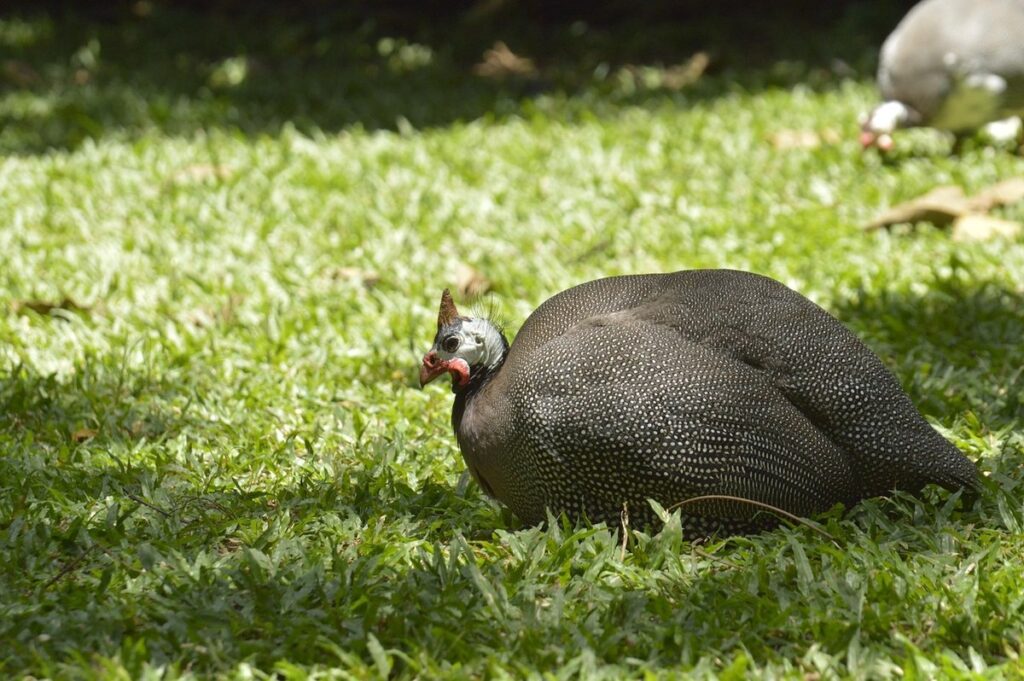
Understanding Guinea Hen Nutrition
When it comes to feeding your guinea hens, you want to make sure they’re getting all the nutrients they need to stay healthy and thrive. This section will cover the essentials of guinea hen nutrition and dietary requirements.
The Importance of Proper Nutrition
When it comes to keeping guinea hens as pets or farm animals, their nutritional needs are often overlooked. However, providing them with a balanced diet is crucial for their overall health and well-being. A guinea hen’s diet should consist of high-quality protein sources, such as grains like oats, wheat, and barley, as well as vegetables like leafy greens and root vegetables.
It’s also essential to provide calcium supplements to support strong eggshell production in females. Lack of proper nutrition can lead to a range of health issues, including scaly leg, kidney stones, and reproductive problems. To ensure your guinea hens are getting the nutrients they need, consider providing them with a balanced commercial guinea hen feed as the main staple of their diet.
In addition to their regular feed, offer treats like fruits, vegetables, and leafy greens daily. For example, you can offer sliced carrots, apples, or berries as an occasional treat. Fresh water should always be available for your guinea hens to drink. By providing a balanced and nutritious diet, you’ll be giving your guinea hens the best chance at a long and healthy life.
Common Nutritional Deficiencies in Guinea Hens
Guinea hens have unique nutritional requirements that can be easily overlooked if not properly addressed. One of the most common issues is a lack of calcium, which can lead to softening of the eggshell and weakened bone structure. To combat this, ensure their diet includes dark leafy greens like kale or spinach, as well as crushed oyster shells or cuttlebone.
Another frequently encountered deficiency is protein imbalance, often caused by over-reliance on grains in their feed. This can lead to feather loss, lethargy, and reproductive issues. To correct this, incorporate high-protein foods such as mealworms, crickets, or hard-boiled eggs into their diet. You should also consider supplementing with a commercial guinea hen feed specifically formulated to meet their nutritional needs.
Additionally, guinea hens may benefit from the inclusion of probiotics and omega-3 fatty acids to support digestive health and reduce stress. These can be introduced through dietary supplements or by offering foods rich in these nutrients, such as yogurt or flaxseeds.
Dietary Requirements for Guinea Hens
When it comes to meeting a guinea hen’s dietary needs, their specific requirements are crucial to ensure they stay healthy and thrive. This is especially important if you’re planning to raise guineas for eggs or as pets.
Protein Sources for Guinea Hens
Guinea hens require a diet rich in protein to maintain their health and vitality. Fortunately, there are various sources of protein that can be easily incorporated into their diet. One of the best ways to provide protein is through insects, which are high in protein and low in fat. Mealworms, crickets, and grasshoppers are all excellent options and can be offered as a treat or mixed with their regular feed.
In addition to insects, seeds such as sunflower seeds, pumpkin seeds, and chia seeds are also good sources of protein. You can sprinkle them on top of their feed or mix them in for added nutrition. Grains like oats, barley, and quinoa are another option, but be sure to introduce them gradually to prevent digestive upset.
When incorporating new protein sources into your guinea hens’ diet, make sure to do so in moderation and monitor their response closely. A general rule of thumb is to provide 1-2% of their daily feed as treats or supplements. This will ensure they receive the necessary nutrients without overloading on protein-rich foods.
Calcium and Phosphorus Requirements
When it comes to maintaining strong bones and overall health, guinea hens require a specific balance of calcium and phosphorus in their diet. Calcium is essential for building and maintaining bone density, while phosphorus plays a crucial role in many bodily functions, including energy production and nerve function.
A deficiency in either of these minerals can have severe consequences for your guinea hen’s health. For example, inadequate calcium intake can lead to softening of the bones (osteomalacia), causing discomfort, lameness, and even fractures. On the other hand, excessive phosphorus consumption can disrupt calcium levels, leading to a range of issues including kidney damage.
To ensure your guinea hens receive adequate calcium and phosphorus, include high-quality supplements or treats in their diet. A good rule of thumb is to provide 1-2% of their daily intake as calcium-rich foods, such as crushed eggshells or dark leafy greens like kale. For phosphorus, a balanced feed or layer feed specifically formulated for guinea hens should suffice. Regular monitoring and adjustments will help you maintain the ideal balance for your flock’s specific needs.
Fruits and Vegetables for Guinea Hens
When it comes to feeding your guinea hens a balanced diet, fruits and vegetables play a crucial role in providing essential nutrients and fiber. Here are some of our top picks for fresh treats that will delight your feathered friends.
Safe and Toxic Foods for Guinea Hens
When introducing new fruits and vegetables into your guinea hens’ diet, it’s essential to know what is safe for them to eat. Some common foods that are toxic to guinea hens include onions, garlic, chives, leeks, and their relatives (such as shallots and scallions). These belong to the Allium family and can cause anemia in birds due to their sulfur-containing compounds.
On the other hand, guinea hens can enjoy a wide variety of fruits like berries, melons, and citrus. Leafy greens such as kale, spinach, collard greens, and mustard greens are also excellent additions. However, it’s crucial to introduce new foods gradually and in small amounts to prevent digestive upset.
Avocado is another safe option for guinea hens, but ensure you only feed the flesh of the fruit (avoid the pit and skin). Similarly, carrots can be a sweet treat, but be aware that overfeeding can lead to an imbalance of calcium. Stick to dark leafy greens as your primary source of calcium.
Tips for Feeding Fresh Produce to Guinea Hens
When introducing fresh produce into your guinea hens’ diet, it’s essential to do so gradually and in moderation. Start by offering a small amount of their favorite fruits and vegetables daily, such as leafy greens like kale or collard greens, carrot tops, or sliced apples.
A good rule of thumb is to provide 1-2 tablespoons of fresh produce per guinea hen per day. You can mix it with their regular feed or offer it as a treat on its own. For example, if you’re adding spinach to their diet, begin with a small amount (about 1 teaspoon) and gradually increase the serving size over several days.
It’s also crucial to vary the types of produce offered to ensure your guinea hens receive a balanced diet. Aim to introduce at least three different fruits or vegetables per week. This not only provides essential nutrients but also helps prevent boredom with their meals. Remember, always choose fresh and clean produce to avoid contamination risks.
Commercial vs. Homemade Diets
When it comes to choosing a diet for your guinea hens, you have two main options: commercial pellets and homemade feeds. Let’s weigh their pros and cons in this section.
Pros and Cons of Commercial Pellets
Commercial pellets can be an appealing option for guinea hen owners due to their convenience and ease of use. However, it’s essential to weigh their pros and cons before making a decision.
On the positive side, commercial pellets are often formulated to meet the nutritional needs of various birds, including guinea hens. They can provide a balanced mix of proteins, vitamins, and minerals, which can be especially beneficial for young or breeding guineas. Additionally, pellets are usually cost-effective and come in compact forms that make them easy to store.
However, there are some drawbacks to consider. Many commercial pellets are formulated based on general bird nutritional needs rather than the specific requirements of guinea hens. This might lead to inadequate protein levels, excessive calcium intake, or an imbalanced vitamin profile for your birds. Furthermore, overreliance on pellets can lead to a lack of variety in their diet and potentially contribute to health problems.
As with any food choice, it’s crucial to read the label carefully and ensure that the pellet you choose meets the nutritional standards set by reputable organizations, such as the Association of Avian Veterinarians. If possible, supplement your guineas’ diet with fresh fruits, vegetables, and grains to provide a more varied and healthy intake.
Creating a Balanced Homemade Diet for Guinea Hens
Creating a balanced homemade diet for guinea hens requires careful planning to ensure they receive all the necessary nutrients. A mix of grains, proteins, fruits, and vegetables should be included to provide a well-rounded diet. For example, you can offer a blend of oats, barley, and wheat as the base grain mixture, supplemented with protein sources like mealworms, sunflower seeds, or cracked corn.
To create a simple recipe, try mixing 2 cups of the grain mixture with 1 cup of chopped vegetables like carrots, sweet potatoes, and squash. Add 1/4 cup of mealworms or sunflower seeds to provide extra protein. You can also include fruits like berries, apples, or melons in moderation.
Some key tips for creating a balanced homemade diet are:
* Avoid feeding guinea hens the same foods daily to prevent nutritional deficiencies
* Provide fresh water at all times and change it frequently to keep it clean
* Include calcium supplements if you’re not providing oyster shells as a source of calcium
* Rotate foods seasonally to ensure your guinea hens get a variety of nutrients.
Special Dietary Needs for Guinea Hens
If you have guinea hens with specific dietary requirements, such as protein deficiencies or allergies, it’s essential to tailor their feed accordingly. This section addresses common special needs and how to meet them effectively.
Handling Medical Conditions through Diet
When it comes to guinea hens with specific medical conditions, making informed dietary adjustments can significantly impact their health and well-being. Some common issues that may require attention through diet are obesity, egg binding, respiratory problems, and feather pecking.
For instance, guinea hens prone to obesity should be fed a balanced and nutritious diet with fewer high-calorie treats, but this doesn’t mean cutting out all treats altogether. You can offer fresh veggies like leafy greens or cucumber slices as an alternative snack option. For egg binding, incorporating foods rich in omega-3 fatty acids, such as flaxseeds, can help lubricate the reproductive system and promote smooth egg-laying.
Feeding guinea hens with respiratory issues involves providing a diet that’s easy to digest and low in allergenic potential. Consider adding probiotics or yogurt to their meal plan to support gut health. To address feather pecking, make sure to maintain a stress-free environment by offering enough space for movement, providing scratching posts, and reducing overcrowding.
It’s essential to monitor your guinea hens’ dietary needs closely and work with a veterinarian if necessary to ensure you’re making the right changes. By doing so, you can create a tailored plan that meets their specific health requirements and promotes overall wellness.
Age-Specific Diets for Young or Senior Guinea Hens
When it comes to providing the best possible nutrition for your guinea hens, their age plays a significant role. Young and senior guinea hens have different nutritional requirements that must be met to ensure they stay healthy and thrive.
For young guinea hens (those under six months), it’s essential to provide a high-quality starter feed that is rich in protein and calcium. These nutrients are crucial for growth and development, particularly for their bones, feathers, and internal organs. A balanced starter feed should contain around 18-20% protein and 2-3% calcium. You can also supplement with fresh vegetables like leafy greens and squash to provide essential vitamins and minerals.
As guinea hens mature, their nutritional needs change. Adult guinea hens require a balanced layer feed that contains around 16-18% protein and 1-2% calcium. However, senior guinea hens (those over five years) may benefit from a senior feed with reduced protein levels to minimize the strain on their kidneys.
It’s also crucial to note that guinea hens have specific nutritional needs throughout their lives. For example, laying hens require more calcium than non-laying hens to support eggshell production. Similarly, older guinea hens may need more joint supplements to reduce the risk of arthritis.
Tips for Maintaining a Healthy Flock
To ensure your guinea hens stay happy and healthy, it’s essential to maintain a clean and balanced living environment, which starts with their diet. Regular feeding practices can significantly impact their overall well-being.
Monitoring Guinea Hen Health
Regular monitoring is essential to identifying potential health issues early on. This will enable you to take swift action and prevent minor problems from escalating into more serious conditions.
Start by keeping an eye out for changes in behavior, such as decreased activity levels or labored breathing. Also, be aware of any unusual sounds, like coughing, sneezing, or hissing. Observe your guinea hens’ droppings: a change in color, consistency, or frequency can signal an issue.
Monitor their overall appearance by checking for signs of stress, such as ruffled feathers, loss of appetite, or lethargy. Keep track of any changes to the flock’s social dynamics – if one bird is consistently being bullied or showing aggression towards others.
Additionally, be sure to check your guinea hens regularly for external parasites like mites and lice. You can do this by gently picking up each bird and examining their skin for any signs of pests.
It’s also crucial to keep a close eye on the temperature in your coop, as guinea fowl are sensitive to extreme temperatures. A sudden drop or increase in temperature can cause discomfort, illness, or even death.
Maintaining a Stress-Free Environment for Guinea Hens
Maintaining a stress-free environment is crucial for guinea hens’ overall health and well-being. You can’t just focus on their diet; their surroundings play a significant role too. Guinea hens thrive in open spaces with adequate shelter, ventilation, and protection from predators.
One of the primary factors that contribute to stress in guinea hens is overcrowding. Ensure you provide enough space for your flock to move around comfortably. A good rule of thumb is to allocate at least 10 square feet per bird inside their coop and 20 square feet outside in a secure run. This will help prevent territorial behavior, pecking orders, and related stress issues.
In addition to sufficient space, it’s essential to provide guinea hens with a dust bath area where they can relax, clean themselves, and engage in natural behaviors. A shallow container filled with dry soil or sand is ideal for this purpose. Regular cleaning of their living areas, feeding, and watering stations will also contribute to a stress-free environment.
Consider enriching your guinea hens’ lives by incorporating toys, perches, and scratching posts. These will keep them mentally stimulated, reduce boredom, and promote physical activity.
Frequently Asked Questions
How can I customize a homemade diet for guinea hens with different ages or health conditions?
You can adjust the protein sources, calcium-rich foods, and fruits/vegetables based on your guinea hens’ specific needs. For example, young guinea hens require more protein than adults, while senior birds may benefit from easier-to-digest foods. If a guinea hen has a medical condition, you can modify their diet under the guidance of a veterinarian or poultry expert.
What are some common mistakes to avoid when introducing fresh produce to my guinea hens’ diet?
Avoid sudden changes in their diet, as this can cause digestive issues. Also, ensure that the fruits and vegetables you offer are free from pesticides, mold, and other contaminants. Gradually introduce new foods to prevent allergies or intolerances.
Can I use leftover food from my family’s meals for guinea hens?
While it might be tempting to use leftover human food, it’s best to stick with specifically formulated poultry feed or create a balanced homemade diet using nutrient-rich ingredients. Human food can lack essential nutrients and may lead to nutritional imbalances in your guinea hens.
How do I know if my guinea hens are getting enough calcium and phosphorus?
Monitor their droppings, which should be firm and dark brown. If you notice soft or pale droppings, it may indicate a deficiency in calcium or phosphorus. Additionally, ensure they have access to fresh, clean water at all times.
What’s the best way to transition my guinea hens from commercial pellets to a homemade diet?
Gradually mix increasing amounts of homemade feed into their commercial pellet-based diet over a period of 7-10 days. This will allow them to adjust to the new nutrient profile and prevent digestive upset. Always provide fresh, clean water during this transition process.