
Quail owners know that feeding their flock a balanced diet is crucial for happy and healthy birds. But with so many options available, from commercial pellets to live insects, it can be overwhelming to decide what’s best for your quails. In this article, we’ll take the guesswork out of quail nutrition by exploring the top foods to feed your birds. We’ll delve into the world of commercial pellets and discuss why they’re a staple in many quail diets. But we’ll also look beyond pellets and explore the benefits of live insects, fruits, and vegetables for a well-rounded diet. By the end of this article, you’ll have a clear understanding of what to feed your quails and how to create a toxic-free environment for your flock.
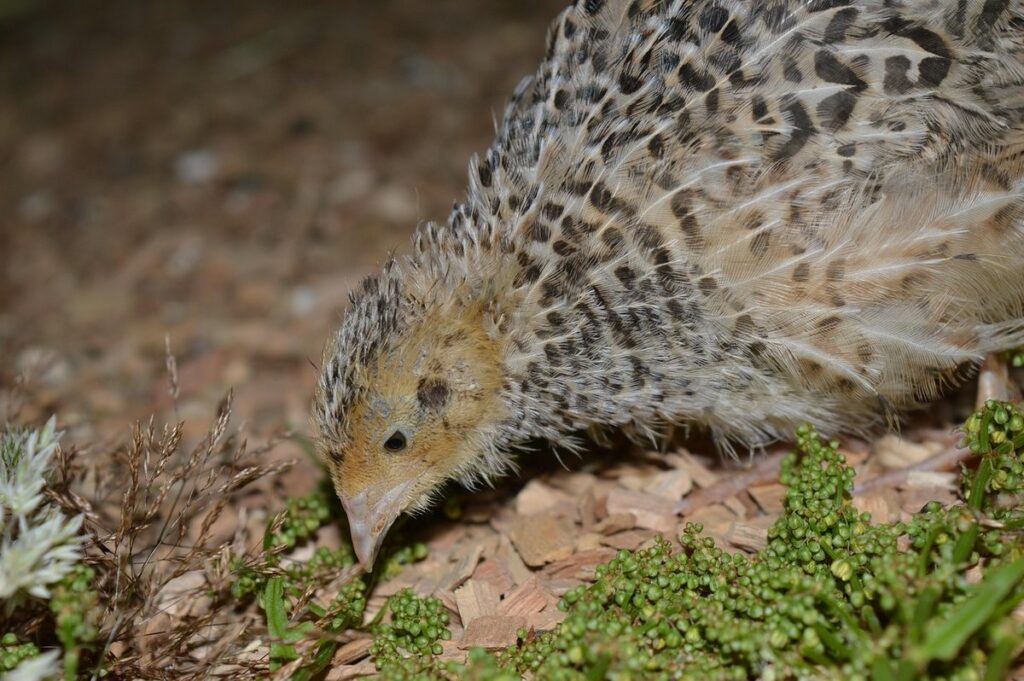
Choosing the Right Food for Your Quails
When it comes to feeding your quail, selecting the right food can be overwhelming, but choosing between commercial pellets and live foods is a great place to start.
Commercial Pellets as a Staple
When it comes to feeding your quails, commercial pellets are often the most convenient and nutritious option. These pre-mixed foods provide a balanced blend of proteins, carbohydrates, and fats that meet all your quail’s dietary needs. The benefits of using commercial pellets as a staple food are numerous.
For one, they save you time and effort in meal preparation. No more mixing and measuring ingredients or worrying about nutritional deficiencies. Commercial pellets also ensure consistency in feeding, which is particularly important for quails as their diet can be easily disrupted if not maintained properly. This consistency promotes healthy growth, egg-laying (for females), and overall well-being.
However, there are some drawbacks to consider. Some commercial pellets may contain fillers or additives that can negatively impact your quail’s health in the long run. Be sure to choose a reputable brand that uses high-quality ingredients and minimal processing. It’s also essential to follow the recommended feeding guidelines to avoid overfeeding or underfeeding your quails.
Supplementing with Fresh Fruits and Vegetables
When it comes to adding variety and nutrients to your quail’s diet, supplementing with fresh fruits and vegetables is an excellent option. Quails love to forage and explore their surroundings, so introducing new foods will not only provide a change of pace but also help keep them engaged and stimulated.
Some safe options include leafy greens like kale, spinach, and collard greens, as well as colorful bell peppers, carrots, and sweet potatoes. Fresh berries such as strawberries, blueberries, and raspberries are also great choices. However, it’s essential to introduce new fruits and vegetables gradually to prevent digestive upset.
Aim to provide 10-15% of your quail’s daily diet with fresh produce. You can sprinkle chopped veggies on top of their regular food or mix them into a salad. For example, you could combine finely chopped kale with sliced carrots and a few blueberries for a nutrient-packed treat. Be sure to remove any seeds, pits, or stems that may cause harm. By incorporating fresh fruits and vegetables into your quail’s diet, you’ll not only boost their nutritional intake but also encourage healthy foraging behavior.
Avoiding Toxic Foods for Quails
When it comes to choosing food for your quails, there are some common toxic foods that you should avoid at all costs. These foods can harm or even kill your beloved birds, so it’s essential to be aware of them.
Avocados, for instance, contain a toxin called persin that can cause respiratory problems and edema in quails. Onions and garlic also belong to the Allium family, which contains compounds that can cause anemia and damage to red blood cells. Chocolate, on the other hand, contains a substance called theobromine that’s toxic to birds.
If you’re unsure about what foods are safe for your quails, stick to a balanced diet of commercial quail feed or high-quality pellets specifically formulated for quails. You can also supplement with fresh fruits and vegetables like carrots, leafy greens, and sweet potatoes. However, always introduce new foods gradually and in small amounts to prevent digestive upset. Remember, it’s better to err on the side of caution when it comes to your quail’s diet, so do some research or consult with a veterinarian if you’re ever unsure about what to feed them.
Grains: Incorporating Oats, Barley, and More
When it comes to providing a balanced diet for your feathered friends, incorporating grains into their meals is an excellent way to boost nutrition. Let’s explore how oats, barley, and other whole grains can benefit your quail’s health.
Benefits of Grain-Based Diets
Incorporating grains into your quail’s diet can have numerous benefits for their overall health and well-being. One of the most significant advantages is improved digestive health. Grains are rich in fiber, which helps to regulate bowel movements and prevent conditions like constipation and diarrhea. For example, oats are an excellent source of dietary fiber, containing both soluble and insoluble fibers that can help maintain a healthy gut.
In addition to promoting digestive health, grains also provide quails with essential energy-boosting nutrients. Whole grains, such as barley and wheat, are rich in complex carbohydrates, vitamins, and minerals that support metabolic function and enhance endurance. For instance, adding cooked brown rice or whole-wheat bread to your quail’s diet can provide a sustained energy source throughout the day.
To incorporate grains into your quail’s diet, start by introducing small amounts of oats, barley, or wheat flour mixed with their regular feed. Gradually increase the proportion of grains as they adjust to the new food source. Remember to also provide fresh vegetables and fruits to ensure a balanced nutrient intake. By incorporating grains in moderation, you can promote your quail’s digestive health and energy levels, leading to a happier and healthier bird.
Selecting the Right Grains for Quails
When selecting grains for quails, it’s essential to choose options that are safe and nutritious. Quails have specific dietary requirements, and not all grains are created equal. Oats and barley are popular choices due to their high fiber content and ease of digestion. However, other grains like wheat, rye, and triticale can also be suitable.
When selecting grains for quail feed, look for those that are free from additives, preservatives, and artificial flavorings. You should also choose whole grains over processed ones, as they retain more nutrients and fiber. For example, rolled oats or steel-cut oats are better options than instant oats.
To prepare these grains for feeding, you can soak them in water overnight to make them easier to digest. Alternatively, you can sprout them by placing them in a damp paper bag and allowing them to germinate for 12-24 hours. This process breaks down some of the phytic acid, making it easier for quails to absorb nutrients from the grain. Always introduce new grains gradually to prevent digestive upset and monitor your quail’s health closely during this transition period.
Live Insects: A Nutritious Supplement
For a balanced and nutritious diet, incorporating live insects into your quail’s meal plan can provide essential protein and minerals in a natural way. This section will explore which insects to offer.
The Benefits of Live Insects
When it comes to supplementing your quail’s diet with live insects, the benefits are numerous. One of the most significant advantages is improved calcium intake. Live insects like mealworms and crickets are rich in calcium, which is essential for maintaining strong eggshells and bones in quails. In fact, studies have shown that feeding live insects to poultry can increase calcium absorption by up to 30%.
Live insects also provide a concentrated source of protein, making them an excellent supplement for quails. Quails require a diet rich in protein to maintain optimal health, and live insects offer a convenient way to provide this essential nutrient. To incorporate live insects into your quail’s diet, start by offering a few live mealworms or crickets as a treat once or twice a week. You can also mix them with their regular feed for added nutrition.
By adding live insects to their diet, you’ll be providing your quails with a nutritious boost that will promote overall health and well-being.
Introducing Live Insects into Your Quail’s Diet
Introducing live insects into your quail’s diet can be a nutritious and exciting supplement to their regular food. Crickets, mealworms, and waxworms are popular options, rich in protein, calcium, and other essential nutrients. Before offering live insects, ensure you’re introducing them gradually to prevent digestive upset.
Start by adding small amounts of live crickets or mealworms to your quail’s diet a few times a week. Observe their behavior and adjust the quantity accordingly. Some quails might be hesitant at first but will soon learn to enjoy these treats. Crickets, for instance, can make up 10-15% of your quail’s daily diet, while mealworms are best used in moderation due to their higher fat content.
When handling live insects, wash your hands thoroughly and keep them away from direct sunlight or moisture. Store them in a well-ventilated container with adequate hiding places for the insects. Waxworms, being high in fat, should be given sparingly as an occasional treat. Always prioritize fresh water and a balanced diet to avoid over-reliance on live insects.
Remember, introducing live insects requires patience and observation to ensure your quail’s digestive health isn’t compromised.
Water Quality: Ensuring Proper Hydration
When it comes to keeping your feathered friends healthy, ensuring they have access to clean drinking water is just as crucial as providing a balanced diet. Let’s dive into what you need to know about quail hydration.
Importance of Clean Water for Quails
Quails require access to clean water at all times to maintain their health and well-being. Clean water is essential for digestion, hydration, and waste removal, and it plays a crucial role in preventing diseases and maintaining a strong immune system. If the water provided to quails is contaminated or stale, it can lead to serious health issues.
To ensure proper water quality, change the water frequently – ideally daily – and clean the waterer thoroughly. You can do this by washing it with soap and warm water, then rinsing it thoroughly. It’s also essential to provide a separate water source for each quail to prevent overcrowding and reduce stress on the birds.
In addition to changing the water regularly, you should also monitor its quality visually. Check for signs of bacterial growth or contamination, such as cloudy or foul-smelling water. If you notice any issues, change the water immediately and take steps to identify and address the root cause of the problem.
Tips for Maintaining a Safe Drinking Water System
When it comes to maintaining a safe drinking water system for your quail, it’s essential to prioritize their health and well-being. Just as you’d want to ensure the quality of their food, you should also focus on providing clean and fresh water.
Regular cleaning and disinfecting of the water system is crucial. Make it a habit to change the water in their containers daily, and scrub them thoroughly with soap and warm water. You can also use a mixture of one part white vinegar to nine parts water as a natural disinfectant. For added peace of mind, consider installing a water filter specifically designed for small birds like quail.
Additionally, ensure that your quail’s watering system is not prone to bacterial growth or contamination. Avoid using metal waterers, as they can leach into the water and cause health issues. Instead, opt for plastic or ceramic containers with narrow openings to prevent debris from entering the water. By following these simple tips, you’ll be able to provide your quail with a safe and healthy drinking water system.
Health Considerations: Special Dietary Needs
If you’re feeding quail, it’s essential to consider their special dietary needs, especially if they have underlying health conditions or allergies. This can make a big difference in their overall well-being and happiness.
Identifying Quails with Special Dietary Needs
When it comes to quails with special dietary needs, identifying them early on is crucial. Quails can suffer from gastrointestinal issues such as diarrhea, constipation, or even inflammatory bowel disease, which requires a tailored diet. If you notice your quail exhibiting these symptoms, consult a veterinarian for guidance on the best course of action.
Some signs to look out for include changes in stool quality, weight loss, lethargy, and decreased appetite. Quails with allergies may exhibit similar symptoms, along with skin issues like feather pecking or excessive preening.
To manage gastrointestinal issues, provide probiotics or a commercial quail gut supplement as recommended by your veterinarian. Also, consider feeding cooked rice, pureed vegetables, and plain yogurt to ease digestive discomfort.
Quails with allergies require a different approach. Consult with a veterinarian to develop an elimination diet plan, where you gradually introduce new foods while monitoring your quail’s reaction.
Creating Custom Diets for Your Quail
Creating custom diets for your quail is essential if they have specific health needs or requirements. The first step is to consult with a veterinarian who can assess the quail’s health and provide recommendations on dietary changes. Once you have a clear understanding of their needs, you can start creating a custom diet that addresses their health issues.
A good place to start is by analyzing the quail’s current diet and identifying areas for improvement. For example, if your quail has a history of respiratory problems, you may want to reduce the amount of dust-producing foods such as millet or oats in their diet. Instead, focus on high-fiber foods like leafy greens or fruits that are easy to digest.
Here’s an example recipe for a custom quail diet: Mix 50% of a commercial quail feed with 30% chopped kale and 20% sliced carrots. This combination provides essential nutrients while reducing dust levels in the diet. Remember, every quail is different, so be prepared to make adjustments based on your bird’s individual needs.
Frequently Asked Questions (FAQs)
We know you’ve got questions, and we’re happy to provide some answers! Below, we’ll tackle some of the most common queries we receive about feeding quail.
Common Diet-Related Queries Answered
When introducing new foods to your quail’s diet, it’s essential to do so gradually and in small amounts. This allows them to adjust to the new flavor and texture without overwhelming their digestive system. For example, if you’re adding leafy greens like kale or spinach, start by mixing a few sprigs into their regular meal for a day or two before increasing the quantity.
Quails can be prone to food allergies, just like other birds, so monitor their behavior closely when introducing new foods. If you notice any signs of illness, such as labored breathing, lethargy, or loose droppings, discontinue the new food immediately and consult with a veterinarian. Common allergens include millet, sunflower seeds, and certain types of lettuce.
Maintaining a balanced diet is crucial for your quail’s overall health and well-being. Aim to provide a mix of protein sources (such as mealworms or crickets), grains (like oats or barley), fruits, vegetables, and calcium-rich foods (like crushed eggshells). Avoid over-reliance on commercial pellets or seed mixes, which can lead to nutritional deficiencies.
Some popular fruits for quails include berries, melons, and citrus fruits like oranges. However, be sure to remove any seeds or pits, as they can cause harm if ingested. Leafy greens, such as collard greens and mustard greens, are also excellent additions to their diet. Aim to provide a variety of foods daily, rotating between different options to ensure a balanced nutrient intake.
By following these guidelines and monitoring your quail’s response to new foods, you’ll be able to create a well-rounded and nutritious diet that keeps them happy and healthy for years to come.
Frequently Asked Questions
How often should I rotate my quail’s food to ensure they get a balanced diet?
It’s essential to rotate your quails’ food regularly to prevent nutritional deficiencies and maintain their interest in eating. We recommend rotating between commercial pellets, live insects, fruits, and vegetables every 2-3 days. This will also help you identify any adverse reactions or allergies.
Can I mix grains with commercial pellets as a staple diet?
Yes, mixing grains with commercial pellets can be a nutritious and varied way to feed your quails. However, ensure that the grains are properly introduced in moderation (about 10% of their daily intake) to prevent digestive issues. Also, choose the right grains for quails, such as oats, barley, or wheat, and avoid moldy or spoiled grains.
How do I introduce live insects into my quail’s diet safely?
Introducing live insects can be a bit tricky, but with caution, you can ensure a safe transition. Start by offering small amounts of live insects (about 1-2 per bird) and gradually increase the quantity over time. Also, choose insect species that are suitable for your climate and region, and store them in a clean environment to prevent contamination.
Can I give my quails human food as an occasional treat?
While it’s tempting to share human food with your quails, it’s essential to exercise caution. Some foods can be toxic or cause digestive issues in birds. Limit treats to small amounts of fruits and vegetables that are safe for quails (e.g., carrots, apples, and sweet potatoes) and avoid giving them human meat, dairy products, or processed foods.
How do I ensure the water quality is safe for my quails?
Yes, maintaining proper hydration is crucial for your quail’s health. Ensure their drinking water is clean, fresh, and free from contamination. Change the water frequently (at least once a day), use a water filter if necessary, and keep the water system clean to prevent bacterial growth. Regularly inspect the water quality by checking its clarity and taste.