
If you’re one of those people who can’t resist feeding the wild ducks and geese that visit your local park or pond, you’re not alone. However, many of us don’t realize the potential impact of our well-meaning actions on these beautiful birds. Overfeeding can lead to dependence on humans for food, causing problems such as aggression towards people, habitat degradation, and even disease transmission.
As a responsible duck and goose feeder, it’s essential to understand your feeding responsibilities and choose healthy options that won’t harm these magnificent creatures. In this article, we’ll explore what foods are safe and suitable for wild ducks and geese, how to avoid overfeeding, and address potential issues that may arise from our feeding habits. By adopting sustainable feeding practices, you can help ensure the long-term health and well-being of these incredible birds.
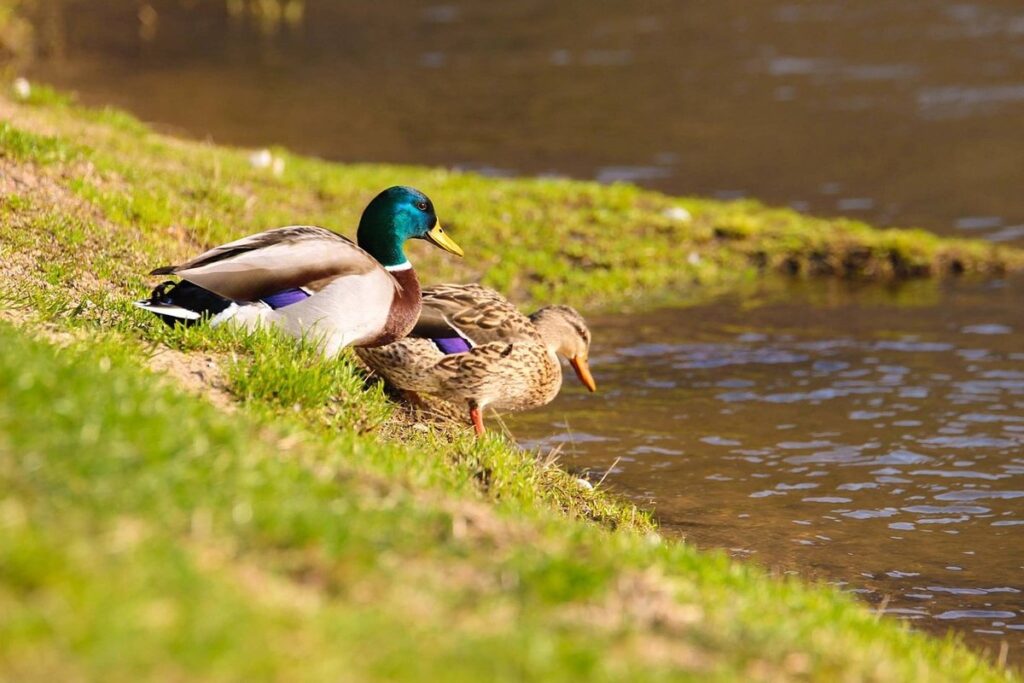
Understanding Your Feeding Responsibilities
When it comes to feeding wild ducks and geese, it’s essential to understand your responsibilities as a caregiver for these waterfowl, particularly when it comes to providing nutritious food.
Introduction to Feeding Wild Waterfowl
Feeding wild ducks and geese can be a delightful experience for both you and these beautiful creatures. However, it’s essential to understand that feeding them is not just about providing food; it plays a significant role in their survival and well-being. By feeding wild waterfowl, you’re contributing to their energy intake, which helps them cope with harsh weather conditions, migrate, and even breed.
But, overfeeding or underfeeding these birds can have severe consequences. Overfeeding can lead to habituation, where they become dependent on humans for food and lose their natural foraging skills. This behavior modification can also make them aggressive towards people and other animals, as they compete for food sources. On the other hand, underfeeding may cause malnutrition or starvation, particularly during harsh winters or breeding seasons when their energy needs are higher.
It’s crucial to find a balance between providing sustenance and allowing these birds to thrive naturally. In the next section, we’ll discuss how to feed wild ducks and geese responsibly, taking into account their dietary requirements and your local environment.
Feeding Guidelines for Different Environments
When feeding wild ducks and geese, it’s essential to consider the environment you’re in. Feeding practices can vary significantly depending on whether you’re in an urban area, a park, or a nature reserve.
In urban areas, it’s crucial to be mindful of space and safety. When feeding ducks in urban parks or along city streets, choose foods that are easy to access and won’t create a mess, such as bread-free granola or cracked corn. Avoid overfeeding, as this can attract large crowds and cause congestion. Instead, focus on providing small amounts for individual birds.
In contrast, nature reserves often have more open spaces and varied habitats. Here, you can offer a wider range of foods, including fruits like berries, apples, and grapes. However, be sure to choose fruits that are fresh and haven’t been contaminated by pesticides or other chemicals.
Remember to follow local feeding guidelines and regulations, as these can vary significantly depending on the location. By adapting your feeding practices to suit different environments, you can help maintain a healthy balance between humans and wildlife.
Identifying Suitable Food Sources
When it comes to feeding wild ducks and geese, identifying suitable food sources is crucial to ensure their health and well-being. Here are some essential tips for making the right choices.
Natural Food Sources for Wild Ducks and Geese
When it comes to feeding wild ducks and geese, it’s essential to provide them with natural food sources that they can forage on their own. In the wild, these waterfowl thrive on a variety of plants, seeds, and aquatic life.
Some excellent options include grasses like wheatgrass, oats, and barley, as well as leafy greens such as clover, dandelion, and plantain. Wild ducks and geese also love to feed on seeds like sunflower seeds, cracked corn, and sorghum. In addition to these dry foods, they can also be found feeding on aquatic plants like algae, water lilies, and duckweed.
To create a natural foraging area, consider planting native vegetation in your yard or near a nearby body of water. This will not only provide a food source for wild ducks and geese but also help to maintain a healthy ecosystem. Be sure to choose plants that are easy to grow and require minimal maintenance. By providing these natural food sources, you’ll be supporting the well-being of local wildlife while promoting sustainability in your community.
Supplemental Foods: When to Introduce Them
When extreme weather conditions hit, it’s natural to want to help out our feathered friends. Providing supplemental food during such times can be beneficial for wild ducks and geese that struggle to find suitable sustenance in the harsh environment. For instance, if a prolonged period of frost or drought renders their usual food sources scarce, offering high-energy foods like cracked corn or duck pellets can make all the difference.
Another scenario where supplemental feeding is acceptable is when birds are injured or appear stressed due to illness. In such cases, providing nutrient-rich foods can help them regain strength and recover faster. However, it’s essential to choose food items that cater specifically to their dietary needs. Mixing in some fruit, like berries or sliced apples, can provide a much-needed boost of vitamins and minerals.
When deciding what supplemental food to offer, consider the birds’ natural diet and avoid overfeeding to prevent habituation and dependency on human-provided sustenance. Remember, it’s always best to stick to a balanced mix that complements their natural foraging habits rather than replacing them altogether.
Choosing Healthy Food Options
When it comes to feeding wild ducks and geese, knowing what to feed them is crucial for their health. In this next part, we’ll explore healthy food options that are perfect for these feathered friends.
Nutrient-Rich Grains and Seeds
When it comes to feeding wild ducks and geese, offering nutrient-rich grains and seeds can be an excellent option. Not only are these foods readily available and easy to incorporate into their diet, but they also provide a range of essential nutrients.
Oats, for instance, are an excellent choice due to their high fiber content. Ducks and geese love the taste and texture of oats, which can help keep them regular and support healthy digestion. You can offer rolled oats or even oatmeal as a treat. Barley is another nutritious option that’s rich in vitamins and minerals like thiamin, niacin, and selenium. Its nutty flavor makes it a hit with wild waterfowl.
Sunflower seeds are also an excellent choice for wild ducks and geese. They’re high in healthy fats, protein, and fiber, making them a satisfying snack. Plus, their hard shell provides a fun challenge for the birds to crack open. When offering grains and seeds, be sure to provide fresh water nearby to ensure they can easily access it.
When selecting grains and seeds, opt for unsalted and unsweetened options to avoid adding unnecessary sodium and sugar to the wild ducks’ and geese’s diet.
Fresh Fruits and Vegetables: A Balanced Approach
When it comes to feeding wild ducks and geese, incorporating fresh fruits and vegetables into their diet can be a nutritious and exciting approach. But how do you ensure that this is done in a balanced way?
Firstly, remember that fruits and veggies should not make up more than 10-20% of your duck or goose’s total daily intake. This means if they normally eat around 1 pound of food per day, only about 2-4 ounces can come from fresh produce.
When selecting fruits and vegetables for wild ducks and geese, focus on leafy greens like kale, spinach, and collard greens. These are rich in essential nutrients like iron, calcium, and vitamins A and K. Carrots, sweet potatoes, and squash are also great options. Cut them into manageable pieces to prevent choking hazards.
To incorporate fresh produce into their diet, try adding chopped fruits or veggies directly onto their regular food mix, or use a separate feeding station just for treats. Some examples of healthy combinations include spinach and berries or kale and sliced apples.
Incorporating fresh fruits and vegetables in moderation will provide essential vitamins, minerals, and antioxidants that can boost the immune system and overall health of your feathered friends.
Feeding Techniques for Maximum Effectiveness
When feeding wild ducks and geese, understanding the right techniques is just as important as knowing what to feed them. This section will walk you through proven methods for maximum effectiveness.
Feeding Frequencies and Amounts
When feeding wild ducks and geese, it’s essential to consider their nutritional needs and adapt to various conditions. The frequency and amount of food you provide will depend on the age of the birds and weather conditions.
For young ducklings and goslings (less than 6 weeks old), feed them every 2-3 hours, offering a small amount of food each time. As they grow, gradually decrease the feeding frequency to every 4-5 hours. For adult ducks and geese, feeding once or twice a day is sufficient.
In extreme weather conditions like intense heat or cold, adjust the feeding schedule accordingly. In hot weather, reduce feeding frequencies to prevent overfeeding and potential water pollution. In cold weather, increase feeding frequencies to help birds stay warm.
Remember that it’s crucial not to overfeed wild ducks and geese, as this can lead to dependence on humans and negatively impact their natural foraging behavior. Provide food in moderation, and let them continue to forage naturally when possible.
Interactive Feeding Methods: Tips and Tricks
When interacting with wild ducks and geese, it’s essential to establish a trusting relationship through engaging feeding methods. Interactive feeding not only allows you to observe these birds up close but also helps them become accustomed to human presence.
One effective way to engage wild ducks and geese is by using interactive feeders or containers that dispense food as the birds peck at them. These feeders mimic natural foraging behaviors, encouraging the birds to work for their food. You can place these feeders near water sources or in open areas where the birds frequently visit.
Another technique involves scattering food on the ground while observing from a safe distance. This method allows you to observe the birds’ behavior and social dynamics without startling them. To maximize effectiveness, use small portions of the recommended foods listed in this guide, as overfeeding can lead to dependency and alter natural foraging habits.
When engaging with wild ducks and geese, maintain a calm demeanor, move slowly, and avoid sudden gestures that may frighten them. By following these guidelines, you’ll be able to build trust with these birds and establish a healthier relationship between humans and wildlife.
Addressing Potential Issues and Concerns
We know you care about feeding these amazing birds, but what happens when they get sick or start behaving strangely? Let’s talk about potential issues that may arise.
Recognizing Overfeeding Symptoms and Consequences
When it comes to feeding wild ducks and geese, it’s easy to get caught up in wanting to help these beautiful creatures. However, overfeeding can have some serious consequences that may not be immediately apparent.
If you’re overfeeding, you might notice the birds exhibiting aggressive behavior towards humans or other animals. They may become habituated to being fed by people and lose their natural fear of predators. This is a problem because it puts them at risk of injury or death. Additionally, when wild ducks and geese rely too heavily on human food, they may stop foraging for the nutrients they need in their natural diet.
This can have a ripple effect on local ecosystems, as these birds play an important role in maintaining the balance of nature. By feeding them too much, you’re essentially disrupting that balance. To avoid this, it’s essential to establish clear boundaries and only feed them what they need to survive. Provide small amounts of nutritious food, such as leafy greens or whole grains, and let them forage for their natural diet. Remember, it’s okay to observe these birds from a distance – sometimes the best way to help is to do nothing at all!
Solutions for Common Feeding-Related Problems
When feeding wild ducks and geese, it’s common to encounter problems such as attracting aggressive birds, creating messes, and feeding unhealthy or spoiled food. To address these issues, consider the following solutions.
One effective way to manage aggressive behavior is to maintain a safe distance from the birds while feeding. This can be achieved by standing behind a solid object, like a fence or a wall, or by using a raised platform to feed them from a greater height. By not approaching the birds too closely, you’ll reduce the likelihood of an encounter turning aggressive.
Another issue is feeding unhealthy or spoiled food, which can harm both humans and animals. Always choose high-quality, nutrient-rich foods that are designed for wild waterfowl, such as bread-free duck pellets or cracked corn. Avoid giving them human scraps, raw meat, or any moldy or stale foods.
To minimize messes, consider using a feeding station with built-in trays or dividers to contain the food and prevent it from spreading. Additionally, try to feed at times when other animals are less likely to be around, like early morning or late afternoon.
Additional Considerations for Sustainable Feeding Practices
When feeding wild ducks and geese, it’s easy to overlook some crucial factors that can impact their health and our ecosystems. Let’s explore these often-overlooked considerations together.
Impact on Local Ecosystems and Wildlife Populations
Feeding wild ducks and geese can have unintended consequences on local ecosystems and wildlife populations. Native species may lose their natural food sources as birds begin to rely solely on human-provided sustenance. This can lead to an imbalance in the ecosystem, causing native plants and animals to suffer.
For instance, if you’re feeding bread to wild ducks, they’ll quickly learn to associate humans with easy meals. As a result, these waterfowl may abandon their natural foraging habits, potentially leading to malnutrition or even starvation when food is scarce. Furthermore, overfeeding can also contribute to pollution by introducing excess nutrients into waterways, which can harm aquatic life.
To mitigate these effects, consider the following: avoid feeding bread and other high-carb foods altogether; instead, opt for healthier alternatives like certified duck pellets or cracked corn. Even better, create a safe and welcoming environment that encourages birds to explore their natural habitats without human interference.
Long-Term Strategies for Feeding Wild Waterfowl
When it comes to feeding wild waterfowl, many of us get caught up in the excitement of watching these beautiful birds thrive. However, it’s essential to adopt long-term strategies that promote their well-being and safety. One key aspect is providing a consistent food source, which can be achieved through designated bird-feeding areas or community gardens.
Consider implementing a rotational feeding schedule, where you offer a variety of nutritious foods at specific times of the day. For instance, supplementing bread with aquatic plants like duckweed or water lilies can provide essential nutrients and fiber for these birds. You can also explore using feeders specifically designed for wild waterfowl, which help to reduce waste and prevent overfeeding.
Remember, a balanced diet is crucial for maintaining the health of wild waterfowl populations. Aim to offer a mix of high-protein foods like cracked corn or oats, along with fresh fruits and vegetables. By adopting these strategies, you’ll not only be supporting the well-being of these magnificent creatures but also creating a safe and sustainable feeding environment for both humans and wildlife.
Conclusion
As we conclude our comprehensive guide on what to feed wild ducks and geese, it’s essential to reiterate that providing the right food is crucial for their well-being. By offering healthy options such as aquatic plants, grains, and fruits, you can help these beautiful creatures thrive in their natural habitat. Remember, it’s not just about feeding them; it’s also about doing it safely and responsibly. Avoid overfeeding, as this can lead to negative impacts on the environment and local ecosystems. By following the tips outlined in this guide, you’ll be able to create a welcoming space for these magnificent birds without disrupting their natural behaviors or habitats. With a little practice and patience, you can become an expert feeder for wild ducks and geese!
Frequently Asked Questions
Can I feed wild ducks and geese bread, even if it’s a rare treat?
While an occasional slice of bread may not harm them immediately, feeding bread to wild waterfowl regularly can lead to malnutrition and health problems. Instead, opt for nutrient-rich foods like grains, seeds, fruits, and vegetables.
How often should I feed my local duck population, considering their natural food sources?
It’s essential to strike a balance between providing supplementary food and allowing them to forage naturally. Feed your local ducks 2-3 times a week, only as much as they can consume within 15-20 minutes. Avoid overfeeding during peak breeding or molting seasons.
What if I accidentally feed the wrong type of food, like high-sugar fruits?
If you inadvertently feed high-sugar foods to wild waterfowl, stop feeding them immediately and switch to nutrient-rich options. Consider contacting a local wildlife expert for guidance on resolving any potential health issues caused by overfeeding or improper nutrition.
Can I introduce supplemental foods gradually to avoid disrupting their natural diet?
Gradually introducing new foods can be beneficial in certain situations, such as during harsh weather conditions or when wild waterfowl are molting. However, ensure that you’re not replacing their natural food sources entirely. Always monitor their behavior and adjust your feeding practices accordingly.
What should I do if the local authorities prohibit feeding wild ducks and geese altogether?
If feeding is prohibited in your area, consider partnering with local wildlife organizations or park rangers to create alternative feeding programs that prioritize animal welfare and environmental sustainability. This might include installing bird-friendly water features or providing educational materials for visitors.