
If you’ve ever been lucky enough to spot a wood duck in its natural habitat, you might have wondered about its eating habits. What does a wood duck eat, and how does it survive in the wild? The answer is quite fascinating! Wood ducks are opportunistic omnivores, which means they’ll munch on just about anything they can find. Their diet consists of aquatic insects like mosquitoes and snails, crustaceans, fruits, nuts, and seeds. But human activities like habitat destruction, pollution, and climate change are affecting the wood duck’s food supply and even its very survival. In this article, we’ll take a closer look at what wood ducks eat, how their diet is impacted by human actions, and what you can do to support conservation efforts and help protect these beautiful birds.
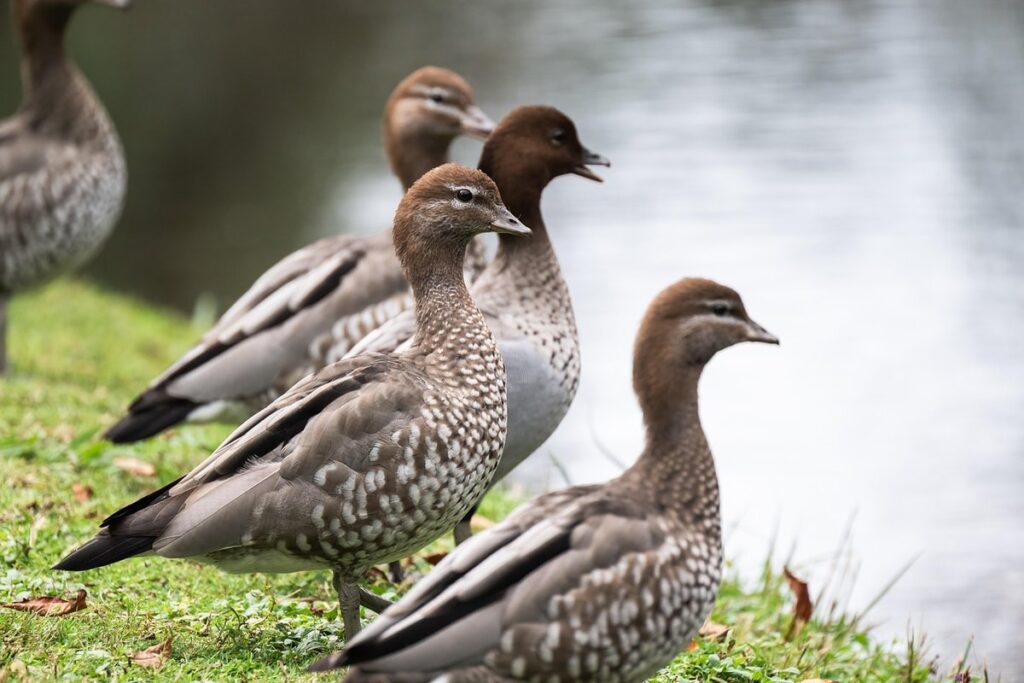
Introduction to Wood Ducks
Let’s start by getting to know one of North America’s most iconic waterfowl species: the wood duck. This section will introduce you to their unique characteristics and habits.
Overview of Wood Duck Habitat and Distribution
Wood ducks are widely distributed across North America, but their habitats and migration patterns play a crucial role in determining what they eat. In general, wood ducks inhabit freshwater ecosystems, including ponds, marshes, lakes, and slow-moving streams. They prefer areas with dense vegetation, such as aquatic plants, trees, and shrubs, which provide them with shelter, food, and breeding grounds.
During the spring and fall migrations, wood ducks travel through various habitats, including wetlands, forests, and agricultural fields. As they move between their summer and winter ranges, they adapt to different food sources. For instance, in areas with an abundance of insects and aquatic plants, wood ducks will eat mainly these foods during the breeding season.
In contrast, during the harsh winter months, when snow covers most of their habitats, wood ducks shift their diet to include more seeds, grains, and berries. Understanding the wood duck’s habitat and distribution is essential in knowing what they eat and how their diet changes with the seasons.
Importance of Understanding Wood Duck Diet
Understanding what wood ducks eat is crucial for conservation efforts and maintaining ecosystem balance. By knowing their dietary habits, wildlife managers can provide a suitable environment that meets the needs of these unique birds. Wood ducks are omnivores, feeding on a variety of plants and animals including aquatic insects, crustaceans, snails, and algae.
Invasive species and habitat destruction pose significant threats to wood duck populations. By understanding their dietary needs, conservationists can take steps to mitigate these issues. For example, restoring wetland habitats that provide a diverse range of food sources can help support healthy wood duck populations. Additionally, monitoring water quality is essential to ensure the availability of aquatic insects and other invertebrates that are an integral part of their diet.
By addressing the dietary needs of wood ducks, we can work towards maintaining a balanced ecosystem and protecting these remarkable birds for future generations.
Section 1: Aquatic Food Sources
When it comes to aquatic food sources, wood ducks love snacking on insects, crustaceans, and even small fish that they find swimming in ponds and lakes.
Insects as a Primary Food Source
Wood ducks don’t just snack on aquatic plants; they also have a hearty appetite for insects. In fact, these tiny creatures make up a significant portion of their diet. One of the most notable insect sources for wood ducks are mosquitoes. These pesky bugs may be a nuisance to humans, but they’re a delicacy for waterfowl like wood ducks.
Wood ducks will often feed on midges, too. These small flies are abundant in aquatic environments and provide an excellent source of protein for our feathered friends. Mayflies are another insect staple in the wood duck’s diet. Their larvae are rich in nutrients and make up a substantial part of their food intake.
It’s not uncommon to see wood ducks foraging for insects on or just beneath the water’s surface. They use their sensitive bills to probe into vegetation, mud, and sand in search of tasty morsels. While it may seem unusual to us, this aquatic diet is crucial for their survival.
Crustaceans and Small Fish in their Diet
In addition to plant-based foods, wood ducks also obtain essential nutrients from crustaceans and small fish. These aquatic animals are a crucial component of the wood duck’s diet, particularly during breeding and molting seasons when their energy demands are high.
Crayfish, for example, are an excellent source of protein for wood ducks. They are abundant in woodland ponds and streams, making them easily accessible to these birds. Wood ducks will often dive down to catch crayfish off guard, using their powerful beaks to crack open their shells. A study in the Journal of Wildlife Management found that crayfish accounted for up to 20% of a wood duck’s diet during certain months.
Small fish like minnows and dace are also important food sources for wood ducks. These small fish are rich in nutrients, including omega-3 fatty acids, which support the wood duck’s overall health and well-being. Wood ducks will feed on small fish in shallow waters, using their agility to catch them off guard. By incorporating crustaceans and small fish into your backyard pond or wildlife garden, you can attract wood ducks and provide them with essential nutrients during critical periods of their life cycle.
Aquatic Plants as a Supplemental Food Source
In addition to its primary diet of insects, seeds, and aquatic animals, the wood duck also forages for various aquatic plants to supplement its nutrition. Algae, a simple aquatic plant that grows on rocks, logs, or other submerged surfaces, is an essential component of their diet. These microorganisms provide valuable nutrients like protein, iron, and zinc.
Water lilies (Nymphaea spp.) are another crucial aquatic plant for wood ducks. The duck’s beak and tongue help it grasp the plant’s leaves, stems, and flowers, which contain vital nutrients like vitamins A and C, as well as minerals such as calcium and potassium. During the breeding season, waterfowl may also consume other aquatic plants like cattails (Typha spp.) and coontail (Ceratophyllum demersum) to support their energy needs.
It’s worth noting that wood ducks have a specific foraging strategy when it comes to aquatic plants. They typically feed on these plants during the day, especially in areas with abundant vegetation growth.
Section 2: Terrestrial Food Sources
On land, wood ducks forage for a variety of tasty treats including insects, seeds, and small aquatic plants that grow near their habitats. Let’s take a closer look at what they eat on dry ground.
Fruits and Berries as a Summer Staple
During the summer months, wood ducks take advantage of the lush vegetation and abundant fruit trees to supplement their diet. One of the primary sources of nutrition for these birds is fruits and berries. Wood ducks are particularly fond of wild blueberries, raspberries, blackberries, and cherries, which provide a sweet and nutritious snack.
These berries can be found in various habitats, including wetlands, woodlands, and even urban areas. To incorporate more fruit into their diet, consider offering sliced apples or oranges on a tree branch or feeder specifically designed for birds. Wood ducks also enjoy the nectar of flowers like honeysuckle, which is rich in sugars and minerals.
It’s essential to note that wood ducks eat a wide variety of fruits and berries, so providing a diverse selection will encourage them to visit your yard regularly. Consider planting native fruit-bearing trees or shrubs in your area to attract these birds and provide them with the nutrients they need during the summer months.
Nuts and Seeds as a Winter Source
During the winter months, wood ducks face a challenge in finding food sources that are readily available and nutritious. This is when they turn to terrestrial food sources like nuts and seeds to sustain themselves. Wood ducks are opportunistic eaters and have adapted to incorporate these dry foods into their diet. In fact, studies have shown that during the winter season, up to 30% of a wood duck’s diet consists of nuts and seeds.
Wood ducks can be found foraging on the ground in wooded areas, using their strong legs and sharp bill to crack open shells and retrieve nuts like acorns and hazelnuts. They also feed on seeds from various plants, including sunflowers, coneflowers, and grasses. By incorporating a variety of nuts and seeds into their diet, wood ducks can obtain essential nutrients like protein, fat, and fiber that help them survive the harsh winter months.
If you’re interested in attracting wood ducks to your yard during the winter, consider planting trees that produce nuts or offering sunflower seeds as a supplemental food source. This will provide these magnificent birds with an additional source of sustenance when their usual aquatic food sources are scarce.
Insects on Land: A Supplemental Food Source
When foraging on land, wood ducks occasionally supplement their diet with insects. These small invertebrates are an essential source of protein and can be found in abundance near water bodies. Wood ducks will search for insects like grasshoppers, crickets, and snails in open areas, meadows, and along woodland edges.
As they forage on land, wood ducks use their strong legs and sharp claws to scratch through leaf litter and soil. They also have excellent eyesight, which helps them spot potential prey from a distance. If you’re interested in attracting wood ducks to your yard, consider creating an insect-friendly habitat by planting native vegetation that supports local insect populations.
In the wild, wood ducks typically forage on land during certain times of the year when their usual aquatic food sources are scarce. For example, during the spring breeding season, they may venture onto land to feed on insects and other invertebrates while their mates incubate eggs.
Section 3: Grains and Human Provisions
When it comes to grains, wood ducks tend to forage on the ground for seeds, grains, and other plant matter, often overlooked by their counterparts in the water. Let’s dive into what specific grains they prefer.
Grain-Based Foods as a Secondary Source
In agricultural areas, wood ducks may be drawn to grain-based foods as a secondary source of nutrition. This is especially true near fields and farmlands where crops are abundant. Wood ducks will often forage for grains on the ground or at the edge of fields, taking advantage of easily accessible food sources.
Some common grain-based foods that attract wood ducks include oats, wheat, and barley. In fact, a study in Wisconsin found that wood ducks were attracted to areas with high concentrations of corn, particularly during the fall migration period. Wood duck populations have even been known to take over flooded agricultural fields, where they feed on submerged grains.
If you’re managing a farm or agricultural land and want to encourage wood ducks, consider incorporating grain-based foods into your landscape. Planting crops like oats and barley that are easily accessible to waterfowl can provide an attractive food source for these birds. Just be sure to maintain a balance between providing food sources and not over-reliance on human-provided sustenance, which can lead to dependence and negative impacts on the ecosystem.
Importance of Proper Wood Duck Feeding Practices
When it comes to feeding wild wood ducks, it’s essential to exercise caution and adopt proper feeding practices. Feeding these magnificent creatures can seem like a harmless act of kindness, but it can have unintended consequences. Habituation is one such risk: when wood ducks become reliant on human food sources, they lose their natural foraging skills and become vulnerable to predators.
Wildwood ducks are also susceptible to disease transmission through human feeding practices. When we feed them bread or other unhealthy treats, we inadvertently put them at risk of contracting diseases like botulism, avian cholera, or respiratory infections. A study by the National Wildlife Health Center found that over 50% of waterfowl deaths in North America are caused by disease, with human feeding being a significant contributing factor.
To avoid these risks, it’s best to let wood ducks forage naturally. If you’re concerned about their well-being, consider providing alternative food sources like nuts or seeds specifically designed for wild birds. By adopting responsible feeding practices, we can help ensure the long-term health and survival of these incredible creatures.
Section 4: Impact of Human Activities on Wood Duck Diet
Now that we’ve explored what wood ducks forage in nature, let’s dive into how human activities affect their food sources. Human impact can have surprising consequences for these waterfowl’s diets.
Effects of Habitat Destruction and Fragmentation
Human activities like deforestation and urbanization have severe consequences on wood duck habitats, making it difficult for them to access their natural food sources. Wood ducks rely heavily on aquatic plants, insects, and small invertebrates that are abundant in forests near wetlands. However, when these areas are cleared or fragmented due to human development, the wood duck’s diet is significantly affected.
The loss of habitat connectivity results in isolation of wood duck populations, making it challenging for them to migrate between their breeding and wintering grounds. This not only affects their food intake but also increases their vulnerability to predators and environmental stressors. A study conducted by the Audubon Society found that urbanization can lead to a 50% decline in wood duck populations over a decade.
To mitigate this issue, it’s essential for individuals to adopt sustainable practices when developing or managing land near wetlands. For example, creating wildlife corridors or preserving natural habitats can help maintain connectivity between wood duck populations and ensure their continued access to food sources.
Role of Climate Change in Altering Wood Duck Diet
Climate change is having a profound impact on the availability of food sources for wood ducks. Rising temperatures and altered precipitation patterns are causing shifts in the growth and distribution of aquatic plants, which make up a significant portion of the wood duck’s diet. For instance, changes in water levels can lead to an increase in algae growth, but also reduce the availability of submerged vegetation that wood ducks rely on.
Insects, another crucial food source for wood ducks, are also being affected by climate change. Warmer temperatures and changing precipitation patterns are altering the life cycles of insects, making them less available or more scarce at certain times of the year. This can have a ripple effect throughout the ecosystem, impacting not only the wood duck’s diet but also their overall health and reproductive success.
As a result, wood ducks are being forced to adapt their diets in response to these changes. They may be eating more terrestrial plants, such as grasses and leaves, or relying on alternative food sources like berries and seeds. By understanding these shifts in wood duck diet, we can better appreciate the complex relationships between climate change, ecosystems, and wildlife populations.
Section 5: Conclusion and Conservation Implications
Now that we’ve explored what a wood duck eats, let’s take a closer look at why understanding their diet is crucial for conservation efforts.
Recap of Key Findings on Wood Duck Diet
In conclusion to our exploration of the wood duck’s diet, it’s clear that these birds are opportunistic feeders with a varied and adaptable approach to finding food. They primarily consume aquatic plants, including algae, water lilies, and various species of grasses and sedges. Wood ducks also eat insects, such as crayfish, snails, and leeches, which they forage from the water’s surface or dig up from the sediment.
In addition to plant and animal matter, wood ducks have been known to consume fruits, berries, and seeds, particularly during migration periods when other food sources may be scarce. Interestingly, research has shown that wood duck diets can vary significantly depending on factors such as geographic location, time of year, and even the presence of nearby human activity.
As a result, if you’re hoping to attract wood ducks to your backyard or wetland area, consider incorporating a diverse range of plants and aquatic features, including native grasses, water lilies, and shallow pools for foraging. By providing a variety of food sources, you can increase the likelihood of attracting these beautiful birds and supporting their survival in the wild.
Recommendations for Supporting Wood Duck Populations
Supporting wood duck populations requires a multifaceted approach that not only protects their habitats but also promotes sustainable land use practices. As we’ve explored the diverse diet of these magnificent birds, it’s essential to recognize the importance of preserving their natural environment.
One critical aspect is safeguarding wetlands and aquatic ecosystems. Wood ducks rely heavily on ponds, lakes, and slow-moving streams for breeding, foraging, and shelter. When planning your own backyard or community garden, consider incorporating water features that mimic these habitats. This can be as simple as installing a rain garden or creating a small pond with native plants.
Protecting forests is also vital, as wood ducks often nest in tree cavities or shrubs. Planting deciduous trees, such as oak and maple, which provide food for ducklings, and preserving old-growth forests are both excellent ways to support these birds. Additionally, maintaining a mix of open fields and woodland edges allows wood ducks to easily transition between feeding grounds and nesting sites.
When it comes to promoting sustainable land use practices, consider the following tips:
* Plant native vegetation in areas adjacent to wetlands or waterways.
* Maintain a diverse array of food sources by allowing some areas to grow naturally without human intervention.
* Refrain from using pesticides or herbicides near wood duck habitats, as these chemicals can harm both birds and beneficial insects.
By implementing these strategies, you’ll not only support the well-being of local wood duck populations but also contribute to a healthier environment for all wildlife.
Frequently Asked Questions
Can I replicate a wood duck’s diet in my backyard to support local wildlife?
Replicating a wood duck’s diet can be challenging, but you can create a diverse and welcoming environment by planting native aquatic plants, fruits, and berries. Focus on providing a mix of insects, crustaceans, and small fish through a pond or water feature with a shallow area for ducks to forage. Consider installing a birdbath or feeder specifically designed for wood ducks.
How do human activities like pollution impact the availability of food sources for wood ducks?
Human activities such as pollution can significantly affect the availability of food sources for wood ducks. Pesticides and fertilizers can kill aquatic insects, reducing one of their primary food sources. Additionally, oil spills and litter can harm birds directly or indirectly by reducing food availability. To mitigate this impact, adopt environmentally friendly gardening practices and support local conservation efforts.
Can I feed wood ducks in urban areas, and what are some safe feeding practices?
Feeding wood ducks in urban areas is not recommended unless you have a properly designed and maintained pond with native plants. Avoid using bread or other human foods that can be detrimental to their health. Instead, use duck-specific feed or create a feeder that dispenses insects, fruits, and vegetables.
How do I identify the types of plants that are safe for wood ducks to eat?
To identify safe plants for wood ducks, research native aquatic plants, fruits, and berries suitable for your region. Look for plants with broad leaves, such as duckweed or water lilies, which provide shelter and food. Fruits like apples and blueberries can be a nutritious supplement to their diet.
Can I attract wood ducks to my area by creating a pond with artificial structures?
Yes, you can create an attractive habitat for wood ducks using artificial structures such as planters or submerged log shelters. Ensure your pond has a shallow area (less than 2 feet deep) and is surrounded by native vegetation to provide shelter and food sources.