
When you first bring home your new flock, one of the most eagerly anticipated events is when they’ll start laying eggs. But when exactly can you expect to see those first eggs? The answer depends on several factors: breed, nutrition, health, and environment all play a significant role in determining your chicken’s egg-laying age.
As a backyard chicken keeper, understanding these factors can make a big difference in supporting your flock’s production. In this article, we’ll explore the signs of first-time laying and share practical tips for encouraging your chickens to start producing eggs sooner rather than later. We’ll delve into the role of breed, nutrition, health, and environment in egg-laying age and provide you with expert advice on how to optimize these factors for optimal production. Whether you’re a seasoned chicken keeper or just starting out, this article will help you get cracking on supporting your flock’s reproductive health.
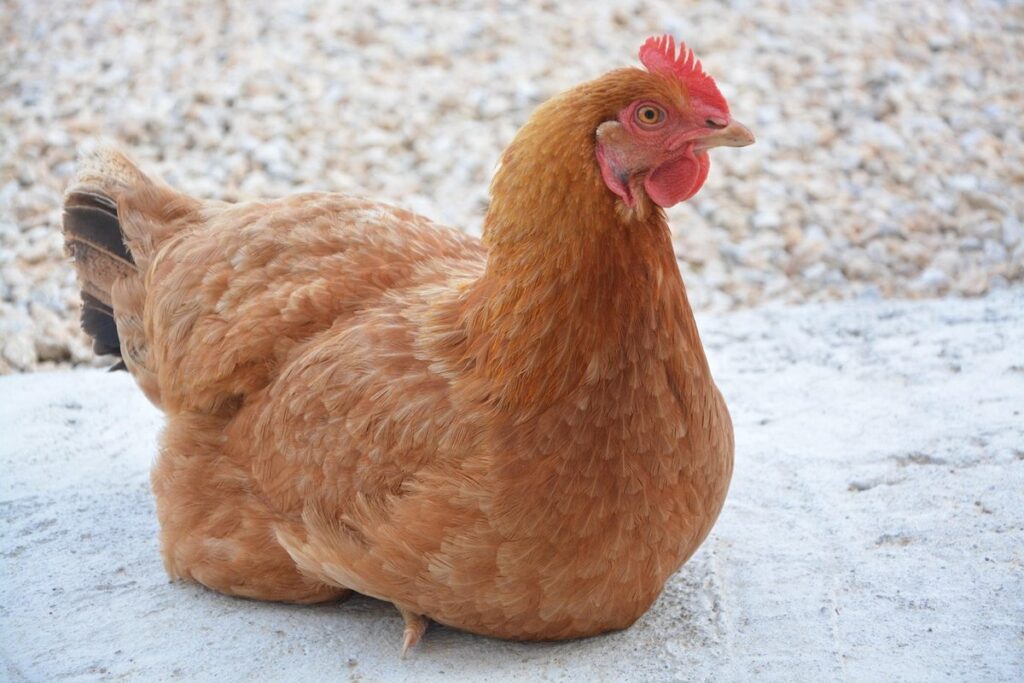
Factors Affecting Egg-Laying Age
Several factors influence when a chicken will start laying eggs, including breed, nutrition, and environmental conditions, which can vary significantly. Understanding these variables is crucial to predicting your flock’s egg-laying age.
Breed-Specific Egg-Laying Ages
When it comes to egg-laying age, not all chicken breeds are created equal. While some may start producing eggs at just a few months old, others may take up to a year or more to reach their full potential.
For example, Leghorns, one of the most popular egg-laying breeds, typically start laying eggs at around 18-20 weeks (4-5 months) of age. They can produce up to 300 eggs per year! On the other hand, larger breeds like Orpingtons may not start laying until they’re closer to 24-30 weeks (6-7 months) old, and their egg production is often lower.
It’s essential to research the specific breed you’re interested in keeping as pets or for egg production. Some popular egg-laying breeds and their average egg-laying ages include:
* Leghorns: 18-20 weeks
* Rhode Island Reds: 20-24 weeks
* Barred Rocks: 22-26 weeks
* Golden Comets: 24-30 weeks
By knowing the breed-specific egg-laying age, you can plan accordingly and ensure a steady supply of fresh eggs from your backyard flock.
Nutrition and Diet’s Impact on Egg Laying
Proper nutrition plays a crucial role in determining when a chicken starts laying eggs. A balanced diet rich in essential nutrients is vital for optimal egg production. Vitamin A, for instance, helps maintain the health of the reproductive system and promotes fertile eggs. Lack of vitamin A can lead to reduced fertility and decreased egg quality.
Other key nutrients for egg production include calcium, protein, and phosphorus. Calcium is necessary for building strong eggshells, while protein provides the building blocks for egg yolks. Phosphorus supports overall health and helps regulate calcium metabolism. Chickens require adequate access to these nutrients through their feed or supplements.
A good example of this can be seen in commercial laying hens, which receive specially formulated feeds designed to meet their nutritional needs. These feeds often contain added vitamins and minerals that support egg production and fertility. For backyard farmers, it’s essential to provide a balanced diet for their flock, taking into account the individual breed’s specific requirements.
It’s also worth noting that nutrient deficiencies can be caused by inadequate feed quality or quantity, as well as factors like age, genetics, and environmental conditions.
Health Considerations and Their Effect on Egg-Laying
Health issues can significantly impact a chicken’s ability to start laying eggs at the expected age. For instance, vitamin and mineral deficiencies can slow down or even prevent egg production altogether. A lack of calcium, for example, is essential for strong bone development and eggshell production. If a chicken doesn’t get enough calcium in its diet, it may experience weak bones and poor eggshell quality.
Nutritional disorders such as gout and obesity can also affect egg-laying age. Gout, caused by an excessive intake of protein, can lead to painful joints and reduced mobility, ultimately affecting the chicken’s ability to lay eggs regularly. Obesity, on the other hand, can cause reproductive issues, making it difficult for a hen to start laying eggs at all.
To minimize the impact of health issues on egg-laying age, ensure your chickens have access to a balanced diet rich in essential nutrients. Regular veterinary check-ups can also help identify potential health problems early on, allowing you to take corrective action before they affect egg production. Additionally, providing a clean and safe living environment with adequate space for exercise can help prevent stress-related health issues that may impact egg-laying age.
Understanding Chicken Development Stages
To understand when chickens start laying eggs, it’s essential to grasp their developmental stages and how they mature. Let’s break down the key milestones in a chicken’s life.
Chickens’ Growth Phases
Chickens go through several distinct growth phases before reaching maturity and starting to lay eggs. The first phase is poult stage, which lasts from hatch to about 4-6 weeks of age. During this period, chicks rely on their yolk sac for nutrition and grow rapidly.
Next comes the starter stage, where poult continue to grow but begin to transition towards eating feed instead of relying solely on their yolk sac. This phase typically lasts until around 8-12 weeks of age. It’s essential to provide starter feed that meets a chicken’s nutritional needs during this critical growth period.
The grower stage follows, where chickens reach about half their adult weight and continue to develop feathers, muscles, and bone density. This phase usually spans from 12-20 weeks of age. During the grower stage, it’s crucial to ensure adequate feed intake and maintain a balanced diet to support continued growth.
By understanding these growth phases, you can better care for your chickens and provide them with optimal conditions to reach reproductive maturity.
Critical Periods for Egg Production
Chickens go through various growth stages, and their ability to lay eggs is influenced by several key periods. One critical period for egg production is during embryonic development. Research suggests that the sex of a chick is determined within 24-48 hours after fertilization, and this sex-specific growth pattern can affect laying performance later in life.
Another critical period is shortly before hatching, where nutrient availability and environmental factors can significantly impact the chick’s growth rate and future egg-laying abilities. A study found that chicks exposed to adequate nutrition during this period grew faster and started laying eggs earlier than those with inadequate nutrition.
Chicks typically reach sexual maturity between 16-24 weeks of age, but breed-specific differences exist. For example, some heritage breeds may require up to 30 weeks or more to mature. Understanding the genetic potential of your flock is essential for predicting egg-laying performance.
Nutrition plays a crucial role during these critical periods. Providing balanced feed and ensuring adequate calcium intake can help support healthy skeletal development and promote optimal egg production.
Environmental Factors Influencing Egg Laying
Factors such as nutrition, breed, climate, and health can significantly impact when a chicken starts laying eggs. Let’s explore how environmental conditions influence their reproductive cycle.
Temperature and Humidity Effects
When it comes to egg laying, environmental conditions play a crucial role. Temperature and humidity levels can significantly impact a chicken’s ability to start laying eggs. For instance, extreme temperatures, whether too hot or too cold, can slow down the reproductive process in chickens.
Chickens are most productive at temperatures between 40°F and 80°F (4°C and 27°C). Temperatures above 90°F (32°C) can cause heat stress, leading to reduced egg production. On the other hand, temperatures below 32°F (0°C) can slow down the reproductive process, making it difficult for chickens to lay eggs.
Humidity levels also matter. Chickens prefer a relative humidity of 50-60%. When humidity levels are too high or too low, it can affect their ability to produce eggs. For example, if the humidity is too high, it can lead to respiratory problems in chickens, while extremely dry air can cause egg yolks to become discolored.
When keeping backyard chickens, it’s essential to provide a suitable environment for them to thrive. This includes ensuring they have access to adequate ventilation and cooling systems during hot summer months. By understanding the impact of temperature and humidity on egg laying, you can create an optimal environment that encourages your flock to lay eggs regularly.
Light Exposure and Its Role in Egg Production
Light exposure plays a significant role in regulating egg production in chickens. This might seem counterintuitive, given that most of us think of darkness as a time for rest and relaxation. However, light actually sends signals to the chicken’s brain, influencing its reproductive cycle.
When it comes to egg laying, daylight hours can make or break a chicken’s productivity. Research has shown that hens need around 14-16 hours of daylight to stimulate optimal egg production. This is why farms often employ specialized lighting systems to mimic natural day-night cycles. If your flock isn’t getting enough light, you might notice a decrease in egg production.
In fact, studies have found that increasing daylight hours can boost egg laying by up to 20%. Conversely, reducing light exposure can lead to a significant drop in production. To optimize light conditions for your chickens, ensure they have adequate natural light during the day and supplement with artificial lighting if necessary.
Recognizing the First Signs of Laying
Identifying the first signs of laying can be a thrilling moment for any chicken keeper, and it’s essential to recognize these subtle cues to ensure your girls are healthy and productive. Let’s dive into the key indicators.
Identifying Initial Clues
Recognizing the first signs that a chicken is about to start laying eggs can be an exciting experience for backyard chicken keepers. As you observe your flock’s behavior and physical changes, look out for these early indicators:
A slight increase in appetite is often one of the first signs that a young hen is approaching egg-laying age. Hens will begin to consume more food and water as their bodies prepare for the demands of laying eggs.
Another key sign is changes in droppings: you may notice an increase in frequency or changes in the size, shape, and color of your chickens’ droppings. This is a normal part of reproductive development.
Additionally, pay attention to changes in egg production equipment – you might find that your roosters start displaying more interest in hens as they become more fertile. Some breeders also report observing a “mating dance” between roosters and young pullets before the first eggs are laid.
Monitoring Flock Health and Behavior
Monitoring your flock’s health and behavior is crucial to recognizing when they’re getting ready to lay. As you approach the expected laying age of 18-24 weeks, keep a close eye on their changes in appetite, energy levels, and overall demeanor.
Changes in appetite can be an early indicator that your chickens are preparing for egg production. Observe if they start pecking at feed more frequently or showing interest in treats. A decrease in energy levels, however, is not uncommon as their bodies redirect resources to reproductive development.
Keep track of their droppings, too. A change in color or consistency can signal an upcoming molt, which often precedes egg laying. Watch for changes in feather condition and overall plumage health. A healthy flock will typically have shiny, well-maintained feathers.
Observe your birds’ behavior during the day, paying attention to when they’re most active and socializing with each other. This can give you an idea of their reproductive readiness. Some breeds are more vocal about impending egg laying than others; listen for unusual chirping or clucking sounds.
Managing Your Flock’s Egg Production
Now that you know when your chickens will start laying eggs, let’s talk about how to manage their egg production to get the most out of your flock. This includes strategies for increasing yields and maintaining a healthy reproductive cycle.
Creating an Optimal Laying Environment
When it comes to managing your flock’s egg production, creating an optimal laying environment is crucial for encouraging healthy and consistent egg-laying. Chickens are sensitive creatures, and their living conditions can greatly impact their reproductive health.
To start, consider the size of your coop or hen house. Aim for at least 3-4 square feet per chicken to prevent overcrowding, which can lead to stress and decreased egg production. Ensure proper ventilation by installing windows or vents that allow fresh air to circulate. This will help keep your flock cool in the summer and warm in the winter.
Next, think about lighting. Chickens need a photoperiod of 14 hours of light and 10 hours of darkness to stimulate egg-laying. Install LED grow lights or supplemental lighting to extend daylight hours during the winter months when natural light is scarce. Finally, don’t forget to provide adequate nesting boxes, at least one per three chickens, with soft bedding like straw or wood shavings for comfortable laying.
By setting up your coop and hen house with these key elements in mind, you’ll be well on your way to creating an optimal laying environment that supports the health and productivity of your flock.
Ensuring Proper Nutrition Throughout the Life Cycle
Providing your flock with the right nutrition is crucial for optimal egg production. This starts from day one, when they’re just chicks. A balanced diet ensures they grow strong and healthy, laying eggs at their prime age.
As chickens mature, their nutritional needs change. Layer feed is specifically formulated to meet these changing requirements. It’s rich in calcium, phosphorus, and other essential minerals that support strong eggshell production. Start feeding layer feed around 18-20 weeks of age to help your flock reach optimal laying potential.
A well-planned diet also helps prevent common issues like molting, which can significantly impact egg production. Molting occurs when a hen’s body redirects energy from egg production to feather growth. By providing the right nutrition, you can minimize this period and ensure consistent laying.
To keep your flock healthy and thriving, consider supplementing their feed with fresh fruits and vegetables. These provide essential vitamins and fiber that support overall health. For example, adding dark leafy greens like kale or spinach to their diet can boost egg production and reduce the risk of diseases.
Conclusion and Next Steps
Now that you’ve learned how old chickens start laying eggs, let’s summarize what we’ve covered and explore your next steps to raising egg-laying hens successfully.
Recap of Key Takeaways
As we conclude our journey into the world of egg-laying chickens, let’s recap the key takeaways from this article. You now know that 16-24 weeks is a general age range for most breeds to start laying eggs, but some heritage and exotic breeds may begin as young as 18-20 weeks or as old as 28-30 weeks.
You’ve also learned about the importance of breed, nutrition, health, and environment in determining when your chicken will start laying. For example, a well-nourished and healthy chicken that receives adequate light and space will be more likely to begin laying eggs at the optimal age for their breed.
To apply these takeaways in your own backyard flock, make sure to research the specific needs of your chickens’ breed, provide a balanced diet, ensure access to fresh water and adequate living space. By doing so, you’ll set your hens up for success and increase the likelihood of them starting to lay eggs at their optimal age. Remember, every chicken is unique, so be patient and observe your flock’s individual development to determine when they’re ready to start laying.
Tips for Supporting Your Flock’s Egg-Laying Journey
As your flock begins to transition from pullets to egg-laying hens, it’s essential to provide them with a supportive environment that fosters healthy growth and development. One crucial aspect of their care is ensuring they receive a balanced diet rich in nutrients.
Provide a calcium-rich feed specifically formulated for laying hens, as this will help strengthen their eggshells and prevent breakage. You can also supplement their diet with crushed oyster shells or dark leafy greens like kale and spinach, which are high in calcium.
Offer access to fresh water at all times, as dehydration can negatively impact egg production. Make sure the coop is well-ventilated to maintain a comfortable temperature, as hens prefer temperatures between 40°F and 80°F (4°C and 27°C).
Provide adequate space for your flock to roam freely, engaging in physical activity that promotes muscle tone and overall health. A good rule of thumb is to provide at least 2-3 square feet of space per bird inside the coop and 8-10 square feet per bird outside in the run.
Monitor your flock’s egg production regularly, taking note of any changes or irregularities. By following these tips, you’ll be well on your way to supporting your flock’s egg-laying journey and helping them reach their full potential.
Frequently Asked Questions
What’s the best way to determine if my chickens are receiving sufficient nutrition for optimal egg production?
It’s essential to provide a balanced diet that meets your flock’s nutritional needs. Consider consulting with a veterinarian or poultry expert to determine the ideal feed and supplement ratio for your specific breed and age of chicken. You can also monitor their droppings, feather quality, and overall health as indicators of adequate nutrition.
Can I speed up the egg-laying process by providing more protein in my chickens’ diet?
Yes, providing a balanced diet rich in protein can help support optimal egg production. However, it’s crucial to avoid over-supplementing with protein sources like mealworms or insects, as this can lead to nutritional imbalances. Consult with an expert to determine the ideal protein-to-calorie ratio for your flock.
How often should I check on my chickens’ health and behavior to ensure they’re not experiencing stress that might impact egg production?
Regular monitoring of your flock’s health and behavior is crucial to identifying potential issues early on. Check their coop daily, looking for signs of stress or disease such as changes in droppings, feather plucking, or unusual vocalizations.
Can I raise chickens in a cold climate, and how will it affect their egg-laying age?
While some breeds are more tolerant of cold temperatures than others, extreme weather conditions can impact egg production. Consider using insulation and ventilation techniques to maintain a stable environment within the coop. Research breed-specific cold-hardiness to make informed decisions about your flock’s health.
How long does it typically take for chickens to adjust to their new living environment after being introduced to their coop?
Chickens can take anywhere from 1-6 weeks to fully acclimate to their new surroundings, depending on factors like breed, age, and individual temperament. Be patient and observe your flock’s behavior closely during this transition period to ensure a smooth adjustment.