
If you’re an avid goose owner or simply fascinated by these majestic birds, you’ve probably wondered when your feathered friends will start laying eggs. But have you ever stopped to think about how factors like breed, age, nutrition, and climate can affect a geese’s breeding cycle? Understanding the intricacies of geese reproduction is essential for ensuring optimal egg production, whether you’re raising them for eggs or simply want to know more about their natural behavior. In this article, we’ll delve into the stages of geese egg-laying, exploring how these vital factors influence their reproductive cycles and providing valuable insights to help you optimize your goose’s breeding performance.
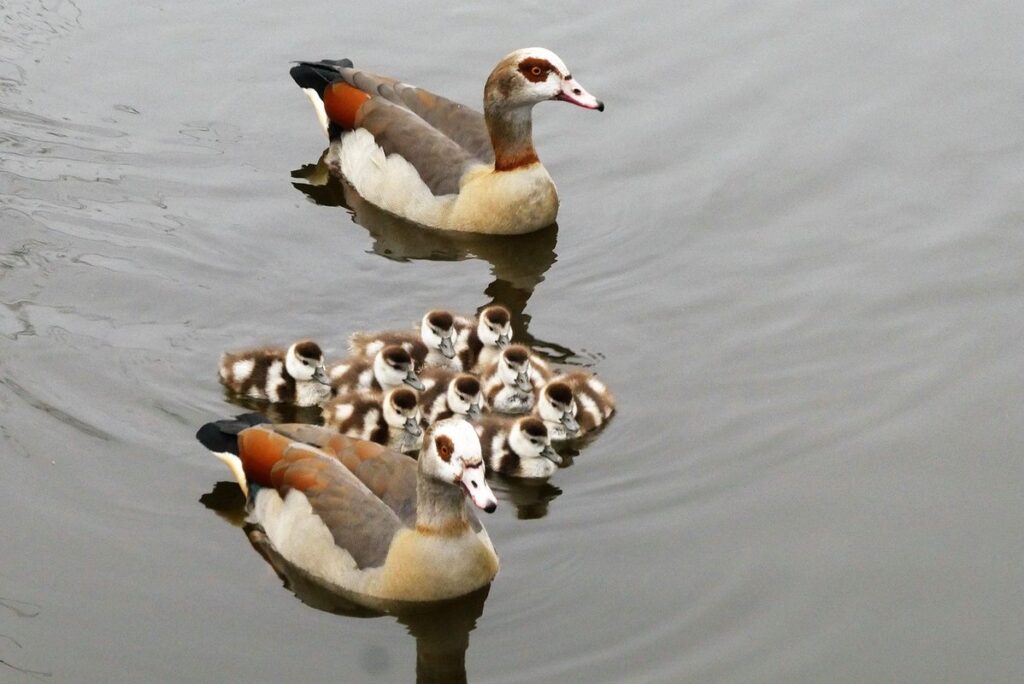
Understanding Goose Reproduction Cycle
To get a better understanding of when geese start laying eggs, it’s essential to know how their reproduction cycle works. Let’s break down the key stages of goose reproduction.
Factors Influencing Egg-Laying in Geese
As you’re eager to know when do geese start laying eggs, it’s essential to understand the various factors that influence their reproductive cycle. One crucial aspect is breed, and surprisingly, different breeds have varying egg-laying capabilities. For instance, some popular egg-laying goose breeds include the African Black Goose and the Embden Goose, while others like the Chinese Goose are known for their larger eggs but lower fertility rates.
Nutrition also plays a vital role in determining when your geese will start laying eggs. Geese require a balanced diet rich in proteins, vitamins, and minerals to maintain optimal reproductive health. A deficiency in any of these essential nutrients can lead to delayed or reduced egg production. In contrast, providing an adequate supply of grasses, grains, and fruits can significantly boost their fertility.
Climate also affects the reproductive cycle of geese. Extreme temperatures, either too hot or too cold, can cause stress that negatively impacts their ability to lay eggs. Optimal temperatures for goose breeding range between 40°F and 70°F (4°C and 21°C). Lastly, age is another critical factor, as most gander-female pairs begin laying eggs at around 18-24 months of age. It’s worth noting that proper care and attention can significantly improve their overall reproductive health, ensuring a successful egg-laying season.
Stages of Egg Development in Geese
As geese begin to lay eggs, it’s essential to understand the process of egg development, which spans several weeks. This journey starts with ovulation, where the hen lays a yolk into the oviduct, marking the beginning of egg formation. The yolk then undergoes significant changes as it travels through the magnum and isthmus, acquiring the white and shell membranes that surround it.
During this time, the egg develops at an incredible rate. In just 24 hours, the yolk transforms into a compact mass, surrounded by the albumen (white) and two distinct layers of shell membranes. Over the next few days, the egg grows in size, reaching its final shape and composition.
As you observe your geese, keep in mind that they typically lay eggs every 1-2 days during peak breeding season. Factors such as nutrition, age, and breed can influence their reproductive cycle, so ensure they have access to a balanced diet and adequate living conditions to support egg production. Regular monitoring of your flock will help you recognize the stages of egg development in geese, allowing you to make informed decisions about their care and management.
Determining the Exact Laying Date for Geese
To determine when your geese will start laying eggs, it’s essential to consider their breed, age, and individual development. This section explores the factors that influence egg-laying schedules in geese.
Breed-Specific Laying Dates for Geese
One of the most important factors to consider when determining the laying date for geese is their breed. While some breeds start laying eggs as early as 3 months, others may not begin until they’re a year old or more. This variability can be attributed to several factors, including genetic predisposition and growth rate.
For example, Embden geese are known to start laying at around 4-5 months of age, while Toulouse geese typically take about 6-7 months to reach maturity. On the other hand, some breeds like the Chinese or African geese may not begin laying until they’re a year old or older.
To determine when your geese will start laying eggs, research their specific breed and growth rate. Keep in mind that factors such as nutrition, climate, and health can also impact their development. A well-balanced diet and optimal living conditions are crucial for promoting healthy growth and egg production.
Some breeds are more prolific layers than others, so it’s essential to choose a breed that fits your needs and lifestyle. By understanding the unique characteristics of each breed, you’ll be better equipped to manage your flock and ensure they reach their full potential as egg producers.
Factors Affecting Laying Dates in Geese
The laying date of geese is significantly influenced by environmental factors that provide essential cues for reproductive readiness. One crucial factor is daylight hours, as geese typically start laying eggs when they receive 14-16 hours of daylight. In regions with extreme climates, farmers may need to manipulate lighting conditions using artificial light sources or provide supplemental lighting during periods of shorter daylight.
Temperature also plays a vital role in determining the laying date of geese. Geese are most productive at temperatures between 40°F and 70°F (4°C and 21°C), while temperatures above or below this range can significantly impact reproductive performance. Adequate nutrition is another critical factor, as a balanced diet rich in nutrients such as protein, calcium, and vitamins ensures optimal egg production.
It’s essential to provide geese with an optimal environment that supports their natural instincts. Farmers can manipulate environmental conditions by providing adequate shelter, nutrition, and management practices tailored to the specific climate and region where the geese are raised. By doing so, they can influence the laying date and optimize egg production for a more efficient operation.
Identifying Physical Signs of Egg-Laying in Geese
When it comes to identifying egg-laying in your geese, look for subtle physical signs that signal the start of laying season. These changes are often easy to miss, so keep an eye out for a few key indicators.
Visual Cues for Identifying Egg-Laying in Geese
Identifying physical signs that indicate a goose is about to start laying eggs can be crucial for poultry farmers and backyard enthusiasts alike. One of the most obvious changes is an increase in nesting behavior. Geese will often begin searching for a suitable location to lay their eggs, which may involve pacing back and forth or inspecting potential nesting sites.
Another sign is a change in feather condition. As egg-laying approaches, geese may start to preen more frequently, fluff out their feathers, or develop a more rounded abdomen. However, these changes can be subtle and may not always be noticeable, especially if you’re new to raising geese.
A more reliable indicator is the production of egg yolks. Geese will often start producing egg yolks days before actual egg-laying begins. You can check for this by gently feeling the underside of your goose’s tail feathers or inspecting the vent area. If you notice a soft, yellowish mass, it’s likely an indication that your goose is preparing to lay eggs.
Keep in mind that these physical signs can vary depending on factors such as age, breed, and environmental conditions.
Measuring and Monitoring Goose Reproductive Health
Monitoring your geese’s reproductive health is crucial to ensure they’re laying eggs at their best. To do this, you’ll want to keep an eye on a few key metrics.
Firstly, weigh your geese regularly to track changes in body condition. A healthy female goose should weigh around 8-10 pounds (3.6-4.5 kg) during breeding season. You can use a digital scale or even a spring balance to make it more convenient. Keep in mind that a sudden drop in weight could indicate health issues.
Next, measure their body fat reserves by feeling the breast and abdominal areas. Healthy geese should have some padding on these areas. If you’re unsure, consult with an expert or check online resources for breed-specific guidelines. Also, observe your birds’ overall well-being, including their appetite, droppings, and plumage condition. A happy, healthy goose is more likely to produce quality eggs. By monitoring these factors, you’ll get a clear picture of your geese’s reproductive health, helping you make informed decisions about when they’re ready to start laying eggs.
Preparing Geese for Egg-Laying: Nutrition and Care
When it comes to getting your geese ready to lay eggs, proper nutrition is key. We’ll cover essential care tips to ensure your girls are happy and healthy during this critical period.
Nutritional Requirements for Laying Geese
To ensure your laying geese are producing eggs consistently and at their best, it’s essential to provide them with a balanced diet that meets their specific nutritional needs. Geese require a higher protein intake than chickens, especially during the egg-laying stage. Aim for a diet rich in 18-20% protein, which can be achieved by feeding a commercial layer feed or a high-quality grain mix supplemented with protein sources like soybean meal or fishmeal.
In addition to protein, geese also need an adequate supply of calcium to support strong eggshell production. A minimum of 2-3% calcium content in their diet is recommended. You can achieve this by adding crushed oyster shells or limestone dust to their feed. Other essential vitamins and minerals include vitamin D3 for bone health, and phosphorus, potassium, and sodium for overall well-being.
When selecting a feed for your laying geese, look for products specifically formulated for waterfowl or poultry. Avoid using human-grade foods as they may be deficient in certain nutrients that geese require. By providing the right balance of protein, calcium, and other essential vitamins and minerals, you’ll help ensure your laying geese are healthy, happy, and producing eggs at their full potential.
Environmental Factors Affecting Goose Reproductive Health
As we delve into preparing geese for egg-laying, it’s essential to consider the environmental factors that significantly impact their reproductive health. You might be surprised at just how crucial these elements are in determining when and how many eggs your geese will lay.
Light exposure is a critical factor, as geese are sensitive to daylight hours. They require a minimum of 14 hours of light per day during breeding season to stimulate egg production. However, if they receive too much light, it can disrupt their natural cycle and lead to stress. A well-designed enclosure with adequate shading or blackout curtains can help regulate this.
Space allowance is also vital for geese reproductive health. They need room to roam, stretch their wings, and engage in social interactions. Provide at least 10 square feet per bird in a breeding flock to ensure they don’t become stressed due to overcrowding. Social interaction plays a significant role as well; geese are naturally social birds that thrive on companionship. Ensure they have opportunities for socialization with other geese or even other bird species.
By considering these environmental factors and making necessary adjustments, you can promote healthy reproductive development in your geese and set them up for successful egg-laying.
Managing Goose Flocks for Optimal Egg Production
To maximize egg production, it’s crucial to understand how to properly manage your goose flock and create an optimal environment for them to thrive. Let’s dive into some essential tips on maintaining a healthy and productive flock.
Strategies for Encouraging Healthy Laying Habits
Creating a healthy flock environment is crucial for encouraging optimal laying habits in geese. One key aspect of this is maintaining social hierarchy within the flock. Geese are highly social animals and thrive when they have a clear pecking order. To establish a natural hierarchy, introduce new birds to the existing flock gradually, allowing them to integrate peacefully.
Minimizing stress is also vital for promoting healthy laying habits. Provide adequate space for your geese to roam and exercise, as well as shelter from extreme temperatures and weather conditions. Ensure access to clean water and nutritious feed at all times. You can also try implementing enrichment activities such as providing a mud pit or allowing them to forage for treats.
Aim to provide around 10-12 hours of daylight per day during the laying season to simulate natural light patterns. This will help regulate their circadian rhythms and promote egg production. By creating a stress-free environment that encourages social interaction and activity, you’ll be well on your way to fostering healthy laying habits in your geese.
Tips for Handling Geese During the Breeding Season
During the breeding season, it’s essential to handle geese with extra care and attention to ensure their well-being and optimal egg production. One of the most crucial aspects of managing goose flocks during this time is understanding their behavior and body language.
Geese are naturally protective of their mates and territory, which can lead to aggressive behavior if they feel threatened or surprised. To avoid any potential conflicts, it’s best to approach them calmly and quietly, without sudden movements. If you need to enter the enclosure, try to do so when the geese are most relaxed, usually in the early morning or late afternoon.
When interacting with breeding geese, be gentle and respectful of their space. Avoid direct eye contact, as this can be perceived as a challenge or threat. Keep your hands visible and avoid reaching for them unless absolutely necessary. If you must handle an individual goose, support its body carefully to prevent injury.
By following these simple guidelines, you’ll minimize the risk of stressing or harming your geese, creating a safe environment that fosters healthy breeding habits.
Frequently Asked Questions
What are some common mistakes to avoid when preparing geese for egg-laying?
Avoid overfeeding or underfeeding your geese, as this can affect their reproductive health and egg production. Also, ensure they have access to fresh water, a balanced diet, and adequate space to roam.
Can I expect my geese to lay eggs consistently throughout the year, or is there a specific breeding season?
Geese typically breed in the spring and summer months, with peak egg-laying occurring during this time. However, some breeds may have a longer breeding season or lay eggs irregularly throughout the year. Research your specific breed’s needs for optimal reproductive performance.
How can I identify physical signs of impending egg-laying in my geese?
Watch for changes in your geese’s behavior and physical appearance, such as increased strutting, hissing, or making a “hissing” sound when they sense predators. You may also notice swelling of the vulva area or an increase in preening.
What are some environmental factors that can negatively impact goose reproductive health?
Extreme temperatures, humidity, and poor ventilation can all affect your geese’s reproductive performance. Ensure their living quarters have adequate shelter from harsh weather conditions and maintain a clean, well-ventilated environment to promote healthy laying habits.
Can I breed geese year-round, or are there specific guidelines for breeding seasons?
In most regions, it’s recommended to breed geese seasonally, with peak breeding occurring in the spring. However, some breeds may be suitable for year-round breeding, depending on your climate and local regulations. Consult with a veterinarian or experienced breeder to determine the best approach for your specific situation.