
If you’re a backyard chicken keeper or just starting out, one of the most common questions is: when will my hens start laying eggs? It’s natural to wonder when your girls will finally start producing those delicious, fresh eggs. But have you ever thought about what factors influence egg production in chickens?
The answer isn’t as simple as a specific age, but it’s largely influenced by breed, nutrition, and health. Different breeds of hens mature at different rates, with some starting to lay eggs as early as 16 weeks old, while others may not start until they’re over a year old. In this article, we’ll delve into the biological factors that affect egg production in chickens, helping you understand when your hens will finally start laying those coveted eggs.
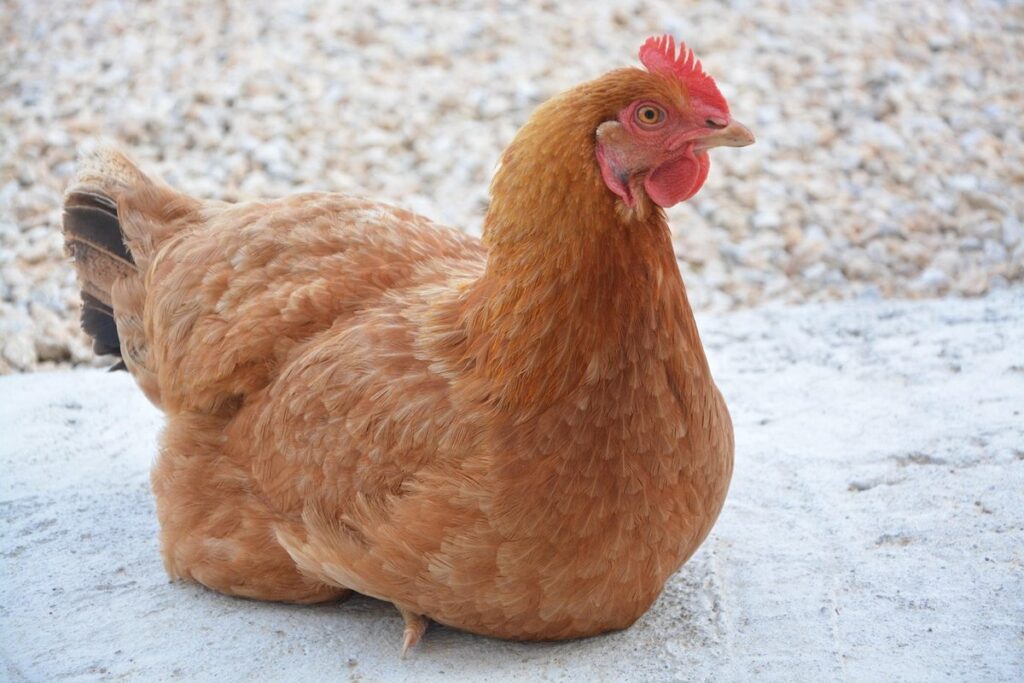
Understanding Hen Development and Egg-Laying
As hens grow into mature birds, it’s essential to understand their development and reproductive cycles to know when they’ll start laying eggs. This stage of development is crucial for egg production.
Biological Stages of Growth
A hen’s life is a fascinating journey from chick to mature egg-layer. It all begins with embryonic development, where the fertilized egg undergoes rapid growth and differentiation into vital organs and tissues. This stage lasts about 21 days, during which time the embryo develops feathers, beak, and other essential features.
As the chick hatches, it enters a broody phase, characterized by increased appetite, molting, and an overall emphasis on growth. During this period, usually spanning several months, the young hen grows its first set of feathers, builds bone structure, and starts to develop reproductive organs.
Eventually, the hen reaches sexual maturity, a critical milestone where she begins to produce eggs. This typically occurs between 16-24 weeks, depending on breed and living conditions. At this stage, the hen’s body undergoes significant changes to support egg-laying, including ovary development, yolk production, and oviduct maturation.
Keep in mind that each hen is unique, and growth rates can vary significantly based on genetics, nutrition, and environmental factors. Providing a balanced diet rich in essential nutrients will support healthy growth and ultimately influence the age at which your hens start laying eggs.
Factors Influencing Maturity
When it comes to determining the age at which hens start laying eggs, several factors come into play. Breed is a significant influencer, with some varieties maturing faster than others. For example, Leghorns are known to reach egg-laying maturity around 16-18 weeks of age, while larger breeds like Orpingtons may take up to 24-26 weeks.
Nutrition also plays a crucial role in hens’ development and egg production. A balanced diet rich in calcium, protein, and other essential nutrients is vital for proper growth and health. Conversely, deficiencies or imbalances can delay or even prevent egg-laying altogether. Factors such as health conditions, stress levels, and environmental conditions like lighting and temperature also impact a hen’s ability to produce eggs.
Some breeds are more prone to certain health issues that can affect their egg production. For instance, individuals with respiratory problems may experience reduced fertility or an inability to lay eggs at all. It’s essential to monitor your hens’ health closely and address any potential issues promptly to optimize their development and egg-laying performance.
Age of First Egg: The Science Behind It
So, you’re wondering how hens know exactly when it’s time to start laying eggs? Let’s dive into the fascinating science behind their reproductive cycle.
What is the Average Age for Hens to Lay?
When it comes to determining the average age for hens to start laying eggs, there are several factors at play. Commercial chicken farms typically look for hens to begin producing eggs around 18-20 weeks of age, with some breeds achieving this milestone as early as 16 weeks. Backyard flock owners, on the other hand, may notice their hens starting to lay anywhere from 24 to 28 weeks.
The exact timing can vary significantly depending on breed, living conditions, and management practices. For example, Leghorn hens are known for their high egg production and tend to start laying earlier than breeds like Orpingtons or Plymouth Rock. Factors such as nutrition, lighting, and health also play a crucial role in determining when a hen will begin producing eggs.
A well-managed backyard flock with access to proper nutrition, adequate light, and regular health checks may see their hens starting to lay around 24-26 weeks. In contrast, commercial farms often prioritize efficiency over individual hen development, leading to an earlier onset of egg production.
Understanding the Role of Hormones in Egg Production
Hormones play a pivotal role in initiating egg production in hens. It’s a complex process that involves a delicate balance of hormones working together to trigger ovulation and yolk formation. The hormonal cycle begins with the release of gonadotropin-releasing hormone (GnRH) from the hypothalamus, which stimulates the pituitary gland to release follicle-stimulating hormone (FSH). FSH then triggers the growth of follicles in the ovaries, which eventually mature and release an egg.
Luteinizing hormone (LH), another hormone released by the pituitary gland, surges during ovulation, causing the release of a matured egg from the follicle. This process is often compared to a “trigger” that sets off the cascade of events leading to egg laying. In addition to LH and FSH, other hormones like estrogen and progesterone also play crucial roles in preparing the reproductive tract for fertilization and implantation.
Understanding this hormonal cycle can help you better appreciate why some hens may start laying eggs earlier or later than others. Factors such as genetics, nutrition, and health can all impact hormone production and ovulation, which is why it’s essential to provide your flock with a balanced diet, adequate light, and proper care to support their reproductive health.
Factors That Can Delay or Accelerate Egg-Laying
Several factors can influence a hen’s ability to start laying eggs, including breed, nutrition, and living conditions. Let’s explore how these variables can affect your flock’s egg-laying timeline.
Nutrition’s Impact on Early Development
Nutrition plays a vital role in a young hen’s growth and development. Adequate nutrition ensures that hens receive essential nutrients for optimal health and growth, which in turn affects their ability to lay eggs early. A well-balanced diet rich in protein, calcium, phosphorus, and vitamins is crucial for developing strong bones and muscles.
A deficiency in any of these nutrients can lead to delayed or prevented egg production. For instance, a lack of calcium can cause weak eggshell formation, while inadequate vitamin D3 can disrupt the balance of calcium and phosphorus in the body. Some common dietary practices that may delay or prevent egg production include overfeeding with high-calorie foods, under-supplementation of essential vitamins and minerals, and feeding low-quality feed.
To ensure optimal nutrition for young hens, it’s recommended to provide a starter diet rich in protein (16-18%) and calcium (1.2-1.5%). Gradually transition them to layer feed after 20 weeks, taking care to maintain adequate calcium levels. Monitor their health and adjust the diet accordingly.
Health Considerations for Healthy Laying
When it comes to egg-laying age, health considerations play a crucial role. Metabolic bone disease (MBD), for instance, is a common condition that can significantly impact a hen’s ability to lay eggs. This metabolic disorder arises when hens don’t receive adequate calcium and vitamin D3 in their diet, leading to softening of the bones.
Hens suffering from MBD may experience delayed or completely halted egg-laying due to the strain on their weakened skeletons. In severe cases, it can even lead to lameness and mobility issues. To prevent this condition, ensure your hens have access to a balanced feed rich in calcium and vitamin D3, as well as regular exposure to sunlight for natural vitamin D production.
Another factor contributing to health concerns is poor nutrition, leading to issues like hypocalcemia or egg binding. These can cause immense pain and distress for the hen. By maintaining a healthy diet and providing a clean environment, you can significantly reduce the risk of such conditions occurring.
Monitoring your flock’s overall health and taking prompt action when issues arise can also contribute to optimal laying performance. Regular checks for signs of illness or discomfort in your hens will help you address any problems early on, promoting their well-being and ensuring they reach their full egg-laying potential.
Breeds Known for Early or Late Maturity
Some breeds are notorious for being early birds, while others take their sweet time to start laying eggs, and understanding these variations is key to successful chicken keeping.
Breeds That Mature Fast
If you’re looking for a quick return on investment from your backyard flock, consider breeds that mature fast. These birds are designed to hit peak egg production sooner than others, making them ideal for small-scale farmers and hobbyists.
Some top contenders include Leghorns, which can start laying eggs as early as 16-18 weeks, with an average of 280-300 large white eggs per year. Plymouth Rock hens follow closely behind, producing their first eggs at around 20-22 weeks and peaking at 220-240 eggs annually.
Rhode Island Reds are another breed to consider, maturing in about 24 weeks and laying an impressive 200-220 brown eggs per year. These birds may not have the highest egg production numbers, but they make up for it with their early start.
Keep in mind that even within these fast-maturing breeds, individual performance can vary depending on factors such as nutrition, health, and living conditions.
Breeds That Take Their Time
If you’re looking for breeds that take their time to mature, you’ll find them in the slow-laying category. These hens can be a great choice if you’re willing to wait a bit longer for eggs, but it’s essential to consider the pros and cons.
Some popular breeds known for taking their time include Orpingtons, Sussex, and Plymouth Rock. While they might not start laying until 28-32 weeks of age, their slow pace can be beneficial in several ways. For one, these hens tend to have more docile temperaments, making them perfect for families with children or beginners.
Another advantage is that slow-maturing breeds are often larger and hardier than their faster-laying counterparts. However, this extended wait time can be a drawback for some backyard chicken keepers who need eggs sooner rather than later. It’s crucial to weigh the benefits of waiting longer against your personal needs.
Consider the following factors: if you’re new to raising chickens or looking for low-maintenance hens, slow-laying breeds might be an excellent fit. However, if you’re in a hurry for eggs, it may be better to opt for faster-maturing varieties.
Managing Your Flock for Early Egg Production
When it comes to managing your flock, getting those hens laying eggs early is a top priority. Here are some practical tips for optimizing egg production in young hens.
Tips for Encouraging Hens to Lay Young
To encourage your young hens to start laying eggs early, it’s essential to focus on providing them with optimal nutrition and habitat conditions. Start by introducing a layer feed that is rich in calcium and protein around 16-18 weeks of age. Calcium is crucial for eggshell production, so make sure the feed has sufficient levels to support this process.
In addition to a nutritious diet, ensure your hens have access to plenty of fresh water and a balanced mix of vitamins and minerals. A diet deficient in essential nutrients can lead to health issues that may delay or even prevent egg-laying altogether.
Optimize your flock’s habitat by providing enough space for movement and exercise. Aim for at least 2-3 square feet per hen indoors, and consider enriching their environment with toys, perches, and scratching posts. Proper lighting is also vital; ensure the coop receives natural light during the day and invest in supplemental lighting if necessary.
Regular health checks are also crucial to maintain a healthy flock. Monitor your hens’ overall condition, check for any signs of illness or injury, and consult a veterinarian if you notice anything unusual. By implementing these strategies, you’ll be well on your way to promoting early egg production in your young hens.
Avoiding Common Mistakes That Delay Laying
When trying to get your hens to lay eggs early, it’s essential to avoid common mistakes that can delay this process. One of the most significant errors is over-manuring. While manure is crucial for maintaining a healthy flock, excessive amounts can lead to a toxic environment and slow down egg production. To avoid this, ensure you’re providing your hens with adequate space, ventilation, and a balanced diet.
Poor living conditions are another common mistake that can hinder early egg-laying. Make sure your coop is well-ventilated, dry, and free from drafts. A clean and spacious coop will help promote healthy habits in your birds, such as perching, scratching, and foraging. It’s also crucial to provide a balanced diet rich in calcium, protein, and other essential nutrients that support egg production.
Additionally, failing to introduce hens gradually to the flock can cause stress and delay laying. Introduce new birds when they’re around 6-8 weeks old, and allow them to integrate with the rest of the flock over several days. This gradual introduction will help prevent conflicts and reduce stress levels, promoting a healthier environment for your hens to thrive in.
Conclusion: Finding the Right Balance
Now that you’ve learned when your hens will start laying eggs, it’s time to think about creating a balance between egg production and your flock’s overall health.
Balancing Early Egg Production with Long-Term Health
As we’ve discussed throughout this comprehensive guide, getting hens to lay eggs early is often a top priority for backyard farmers. However, it’s equally important not to sacrifice their long-term health in the process. Finding that balance can be challenging, but there are several key takeaways to consider.
For many breeds, 18-24 weeks of age is a sweet spot for optimal egg production while minimizing health risks. For example, Leghorns typically begin laying around 16-17 weeks, but may start to decline in production quality after just one year of intense egg-laying. On the other hand, larger breeds like Orpingtons may take longer – often around 24-26 weeks – but tend to maintain higher-quality eggs for a longer period.
To balance early egg production with long-term health, consider introducing your flock to a layer feed around 16-18 weeks of age. This will provide them with essential nutrients to support rapid growth and development without pushing their bodies too hard. Also, make sure to provide plenty of space for exercise and stress reduction – even if it’s just a few hours a day.
Another crucial factor is selecting breeds that are naturally more resistant to health issues associated with early egg-laying. Consider Heritage or dual-purpose breeds which tend to be hardier and longer-lived than purebred egg producers. By choosing the right breed, feeding a balanced diet, and providing adequate living conditions, you can set your flock up for success – both in terms of early egg production and long-term health.
Remember that every flock is unique, so it’s essential to monitor your hens’ individual needs and adjust your approach accordingly. With time, patience, and a focus on overall well-being, you’ll find the perfect balance between getting those eggs flowing and keeping your girls happy and healthy for years to come.
Frequently Asked Questions
Can I speed up my hens’ egg-laying process with supplements or special feeds?
While there are no magic bullets to significantly accelerate egg production, providing a balanced and nutritious diet rich in calcium, protein, and other essential nutrients can support optimal health and fertility. However, it’s crucial to ensure the quality of your feed meets the recommended standards for laying hens. Consult with a veterinarian or poultry expert to determine the best feeding strategy for your flock.
How do I know if my hen is experiencing health issues that might delay egg-laying?
Monitor your birds’ overall health by observing their behavior, plumage condition, and appetite. Keep an eye out for signs of stress, illness, or injury, which can impact reproductive performance. Regular veterinary check-ups will also help identify potential health issues early on, allowing you to address them promptly.
What’s the ideal ratio of hens to a rooster in my backyard flock?
A general rule of thumb is to have at least 5-10 hens per rooster, depending on factors like breed, age, and living space. This balance helps maintain social harmony, reduces stress, and promotes optimal egg-laying performance.
Can I raise chicks from hatch or should I start with pullets?
Both options have their advantages. Raising chicks from hatch allows you to develop a long-term commitment to your flock and can lead to stronger bonds between birds and owners. Pullets, on the other hand, are nearly ready to lay eggs when purchased, making them an excellent choice for beginners or those seeking immediate egg production.
Will my hens continue to produce eggs at their optimal rate if I add new birds to the flock?
Adding new hens can stimulate existing birds to maintain a higher level of productivity. However, introducing too many new birds at once may cause stress, leading to decreased egg-laying rates temporarily. Integrate new birds gradually, allowing your flock time to adjust and ensuring a smooth transition.