
Have you ever wondered why your rooster seems to be screaming at the crack of dawn, or why he’s suddenly loud again in the middle of the day? It turns out that roosters crow for a reason, and it’s not just because they’re trying to wake up everyone around them. Their loud calls are actually an essential form of communication, serving as a warning to other birds of potential predators and even marking their territory. But what triggers these crows in the first place? Is it their biological rhythms, environmental factors like light and sound, or perhaps something more serious like health issues? In this article, we’ll dive into the fascinating world of rooster crowing patterns, exploring how these influential factors shape when and why they make those ear-piercing calls.
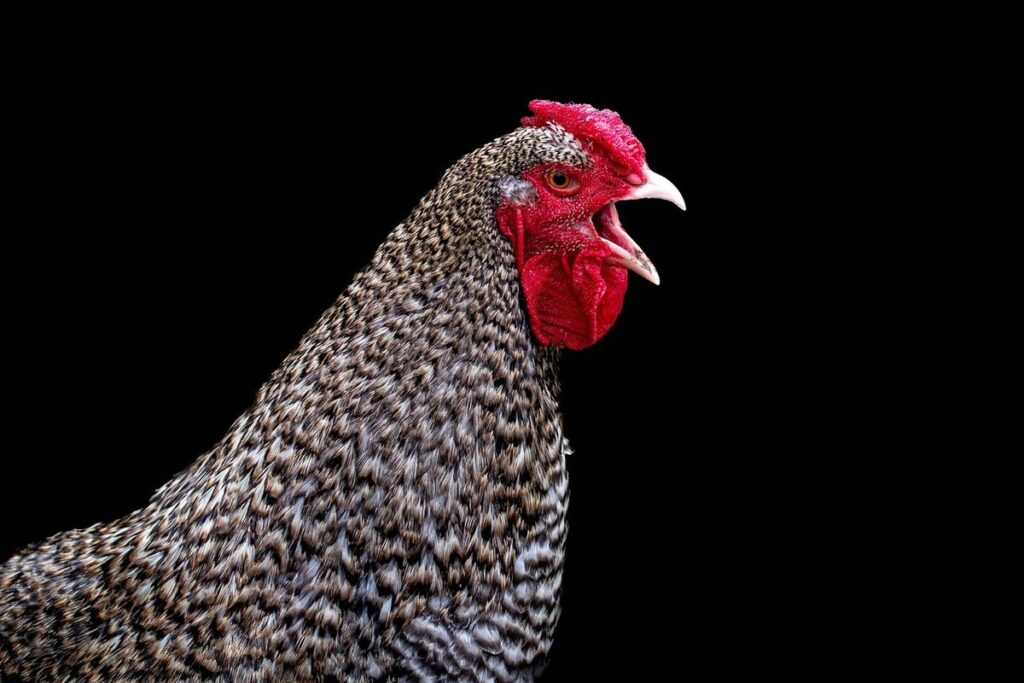
Understanding Rooster Behavior and Crowing Patterns
To better understand when roosters crow, let’s explore their behavior and typical crowing patterns so you can identify the triggers behind their morning song.
Crowing Purpose: Communication and Warning
Roosters crow for several reasons that are deeply rooted in their natural behavior. One of the primary purposes is to attract mates. Male roosters will often vocalize loudly during mating season, announcing their presence and dominance to potential females. This displays their strength, fitness, and suitability as a partner.
But crowing also serves another crucial purpose: warning others of potential threats. Roosters are vigilant birds that constantly scan their surroundings for predators or other dangers. When they detect a threat, they’ll sound the alarm, alerting their flock to potential danger. This behavior is an essential part of rooster social dynamics and helps maintain order within the group.
Establishing dominance is yet another reason why roosters crow. Within a flock, dominant males will often vocalize more frequently than subordinate birds, reinforcing their position in the pecking order. Understanding these underlying motivations can help you better interpret your rooster’s crowing patterns and respond to their needs accordingly.
Crowing Frequency: Day and Night Variations
Roosters crow at different frequencies throughout the day and night, influenced by various factors such as time of year, lighting conditions, and social interactions within the flock. For example, during peak breeding season, males may crow more frequently to establish dominance and attract hens.
Studies have shown that roosters tend to be most active during dawn and dusk, when light levels are lower, and crowing is often used as a territorial marker. In contrast, nighttime crowing is less common, but can occur if the rooster senses an intruder or feels threatened.
Considerations such as lighting conditions play a crucial role in shaping crowing patterns. Roosters may adjust their frequency based on natural light-dark cycles or artificial illumination within the coop. Social interactions also impact crowing behavior – a dominant male will typically establish a pecking order and regulate the flock’s vocal activity, including crowing.
If you’re observing unusual crowing patterns in your flock, consider monitoring lighting conditions and social dynamics to better understand the underlying causes.
Biological Rhythms Influencing Rooster Crow
As you’ve likely noticed, a rooster’s crowing patterns can be influenced by internal biological rhythms that help regulate his behavior and daily routine. Let’s take a closer look at these natural cycles in action.
Circadian Rhythm: The Role of Light and Darkness
The natural circadian rhythm plays a significant role in regulating roosters’ crowing patterns. This internal biological clock is influenced by exposure to light and darkness, which can be manipulated to encourage consistent crowing habits. When light falls within the range of 10,000-20,000 lux, it suppresses melatonin production, allowing roosters to remain active during daylight hours.
As the sun sets and light levels decrease, the internal biological clock signals the rooster’s body to increase melatonin production, promoting a rest period. This natural response is crucial for maintaining a balanced circadian rhythm. To encourage consistent crowing patterns, it’s essential to provide controlled light exposure. For instance, introducing artificial lighting in the morning can simulate dawn, triggering the rooster’s internal clock and stimulating vocal activity.
Conversely, establishing a dark environment during the night allows the rooster’s body to produce melatonin, facilitating rest and recovery. By understanding and managing this delicate balance between light and darkness, you can help regulate your rooster’s crowing patterns and ensure consistency in their daily behaviors.
Hormonal Fluctuations and Crowing Activity
As we explore the complexities of rooster crowing, it’s essential to consider the role of hormonal fluctuations. Hormones play a significant part in regulating a rooster’s behavior, including his crowing frequency and intensity.
One key factor influencing hormone production is age. As a young rooster matures, his testosterone levels rise, leading to increased aggression and crowing. This surge in hormones typically occurs between 12-18 weeks of age. However, as a rooster reaches adulthood, his testosterone levels often peak around 2-3 years old, after which they may gradually decline. Older roosters might still crow, but their frequency and volume tend to decrease.
Another significant factor affecting hormone production is the breeding season. During this time, roosters experience an increase in testosterone levels, causing them to engage in intense crowing and courtship behaviors. This surge in hormones is a natural response to reproductive readiness and serves as a signal to potential mates.
Stress levels can also impact hormone production, particularly when it comes to cortisol. High stress can suppress testosterone production, leading to decreased crowing activity. Factors such as changes in environment, diet, or social hierarchy can contribute to increased stress levels. Providing a stable, enriched environment can help mitigate the effects of stress on hormone production and promote consistent crowing behavior.
Keep in mind that individual roosters may respond differently to these factors due to genetic predispositions and overall health. Monitoring your rooster’s behavior and adjusting his living conditions accordingly can help optimize his crowing activity.
Environmental Factors Affecting Rooster Crow
Environmental factors can play a significant role in influencing a rooster’s crowing habits, affecting not only the timing but also the frequency of his morning chorus. Let’s explore these external influences further.
Weather Conditions: Temperature, Humidity, and Wind
Weather conditions can significantly impact a rooster’s crowing behavior. Temperature extremes are one factor to consider. Roosters tend to be more vocal at temperatures between 40°F and 70°F (4°C and 21°C), with the highest frequency of crows occurring around dawn when the temperature is coolest. In contrast, extremely hot or cold temperatures can suppress crowing.
Humidity also plays a role in rooster crowing. High humidity levels above 60% can make a rooster more likely to crow, while dry conditions below 40% can reduce vocalization. This may be due to the discomfort associated with high and low humidity levels affecting the bird’s comfort and stress levels.
Wind is another environmental factor that affects rooster crows. A gentle breeze of about 5-10 mph (8-16 km/h) can actually encourage a rooster to crow more frequently, but strong gusts above 20 mph (32 km/h) can have the opposite effect. Understanding these weather-related factors can help you anticipate and manage your rooster’s behavior during different environmental conditions.
Noise Pollution and Its Impact on Crowing Behavior
Noise pollution from various sources can significantly impact a rooster’s crowing behavior. Human activities such as construction, traffic, and industrial processes generate high levels of noise that can disrupt a rooster’s natural rhythm. For instance, a study found that birds living near busy roads had altered circadian rhythms due to constant exposure to loud noises.
Other animals, like dogs, cats, or even other birds, can also contribute to noise pollution. A rooster may adjust its crowing schedule to avoid competing with these louder sounds, potentially resulting in reduced crowing frequency or volume. Natural phenomena such as thunderstorms or strong winds can also create a significant disturbance, causing a rooster to alter its crowing patterns.
To mitigate the effects of noise pollution on your rooster’s crowing, consider providing a quiet environment for it to thrive. This might involve relocating the coop away from noisy areas or using sound-dampening materials to reduce echo and reverberation. By taking steps to minimize external noise interference, you can help maintain a healthy and natural crowing behavior in your rooster.
Health and Wellness Factors Influencing Rooster Crow
When it comes to determining when your rooster will crow, several health and wellness factors can play a significant role in his daily behavior. Let’s take a closer look at these influencing factors together.
Disease and Injury: Impact on Vocalization
Diseases and injuries can significantly impact a rooster’s ability to crow. Respiratory system diseases like respiratory infections, pneumonia, or bronchitis can cause inflammation and congestion in the air sacs and lungs, making it difficult for the rooster to produce loud calls. This is because the vocal cords rely on airflow from the lungs to vibrate and generate sound.
Vocal cord-related issues such as polyps, nodules, or tumors can also alter a rooster’s crowing pattern by affecting the structure and function of the vocal cords. Additionally, diseases affecting the nervous system like neurological disorders or brain infections can disrupt communication between the brain and vocal cords, leading to changes in vocalization.
Physical injuries to the throat, beak, or head can also impact a rooster’s ability to crow. For example, if a rooster suffers an injury that causes pain or discomfort while attempting to crow, it may alter its behavior and reduce the frequency or loudness of its calls. Regular health checks, proper nutrition, and safe living conditions can help minimize the risk of disease and injury affecting a rooster’s vocalization.
Nutritional Deficiencies and Crowing Behavior
Diet plays a crucial role in maintaining a rooster’s overall health and well-being. Nutritional deficiencies can significantly impact their crowing behavior, making it essential to understand the potential links between dietary factors and changes in a rooster’s vocalizations.
Certain vitamins and minerals are vital for maintaining healthy protein synthesis and metabolism, which is linked to muscle function and energy production. For instance, vitamin B12 deficiency has been known to cause fatigue, weakness, and decreased appetite – all of which can lead to reduced crowing frequency or quality. Similarly, a lack of essential amino acids in the diet can impair muscle growth and repair, affecting a rooster’s ability to produce loud, clear crows.
To prevent nutritional deficiencies from impacting your rooster’s crowing behavior, ensure you’re providing a balanced and nutritious diet that meets their specific needs. This may include supplementing with vitamins or minerals if necessary, and maintaining a consistent feeding schedule to support optimal health and well-being. By doing so, you can help maintain a healthy, happy rooster that will proudly display its vocal talents.
Frequently Asked Questions
What are the best ways to observe rooster crowing patterns?
Observe your rooster’s behavior during various times of day, noting when they tend to crow most frequently. Consider keeping a journal or using a mobile app to track their vocalization patterns. This will help you identify potential triggers and develop strategies for managing excessive crowing.
Can weather conditions affect my rooster’s crowing behavior?
Yes, weather conditions like temperature, humidity, and wind can influence your rooster’s vocalization. Roosters are more likely to crow during calm, clear weather and may be less active during extreme temperatures or weather events. Understanding these environmental factors will help you better anticipate and manage their behavior.
How do I determine if my rooster is crowing due to health issues?
If you suspect that your rooster’s vocalization is related to a health issue, observe changes in their overall behavior and physical condition. Look for signs of illness or injury, such as changes in appetite, droopy wings, or labored breathing. Consult with a veterinarian if you’re unsure about the cause.
Can I train my rooster to crow at specific times?
While roosters have an innate circadian rhythm that influences their vocalization, you can try training them using consistent routines and rewards. Establish a regular schedule for feeding, exercise, and interaction, which may help regulate their crowing patterns. Be patient and persistent, as this process may take time.
How do I balance my rooster’s need to crow with noise pollution concerns?
If you live in an area with noise restrictions or have neighbors nearby, consider implementing measures to minimize your rooster’s vocalization during peak hours or sensitive periods. This might involve using a sound-dampening enclosure, providing alternative forms of enrichment, or establishing a daily quiet time for the birds.