
Are you wondering when your backyard chickens will finally start laying those precious eggs? It’s natural to be curious about their development stages, especially if you’re new to chicken-keeping. The truth is, chickens need time to mature before they can start producing eggs consistently. Factors such as breed, nutrition, and living conditions all play a role in determining when your hens will begin laying. In this article, we’ll delve into the average age for chickens to start laying eggs, exploring how their development stages affect egg production. We’ll also share valuable tips on maintaining a balanced diet and creating an optimal environment to support healthy laying hens. By the end of this post, you’ll be equipped with the knowledge to care for your flock and encourage them to produce those delicious eggs!
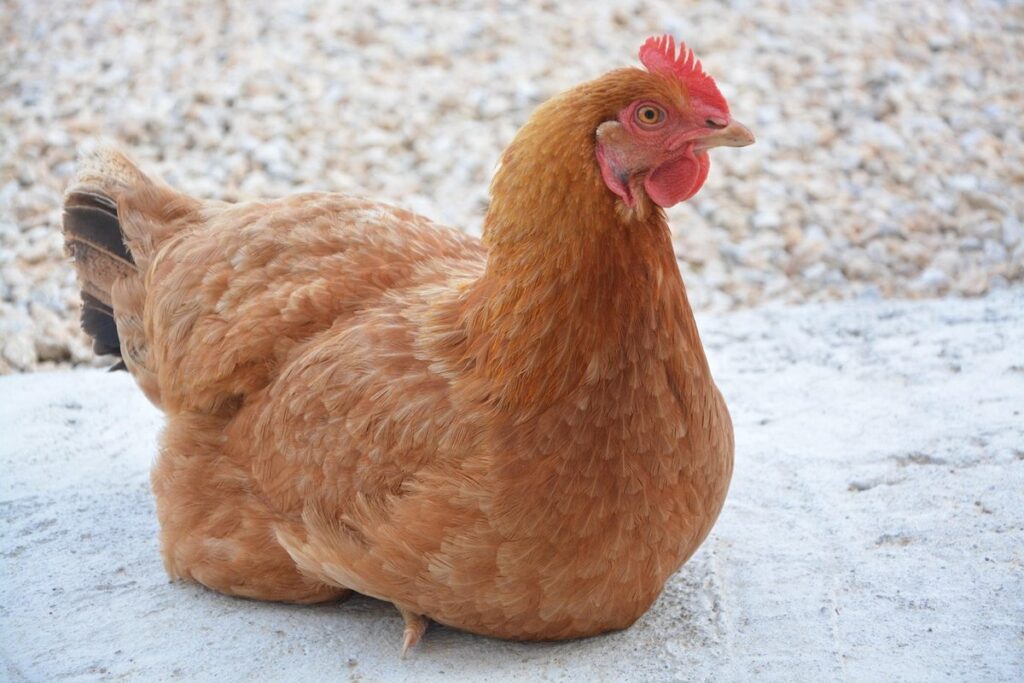
Understanding Chicken Development Stages
As you plan for your flock, understanding the various stages of chicken development is crucial to knowing when they’ll reach egg-laying maturity. Let’s break down each critical phase in a chicken’s life cycle.
Overview of Broiler and Layer Breeds
When it comes to raising chickens for eggs, understanding the difference between broiler and layer breeds is crucial. Broilers are bred specifically for their meat production, while layers are raised for egg-laying purposes. This distinction affects their reproductive maturity, as layer breeds are designed to start laying eggs at a younger age.
Typically, layer breeds begin producing eggs around 18-24 weeks of age, depending on factors such as breed, nutrition, and overall health. In contrast, broiler breeds may not reach full egg-laying capacity until they’re significantly older, often beyond their meat harvest age. It’s essential to choose the right breed for your needs, whether you’re aiming for a high egg output or want to raise chickens for meat.
For example, Leghorn and Rhode Island Red are popular layer breeds known for their high egg production. These birds typically start laying eggs at around 20-22 weeks of age and can produce up to 300 eggs per year. On the other hand, broiler breeds like Cornish Cross are bred for their fast growth rate and may not reach reproductive maturity until they’re much older.
When selecting a breed, consider your goals and choose one that aligns with them. If you want high egg production, opt for a layer breed specifically designed for this purpose. If you’re raising chickens for meat, broiler breeds are often the better choice.
Factors Influencing Egg Production
The age-old question of when chickens will start laying eggs can be influenced by several factors beyond just their physical development. Environmental conditions, nutritional intake, and health play a significant role in determining a chicken’s ability to lay eggs at optimal age.
Proper lighting is crucial for egg production. Chickens need around 14 hours of daylight to produce eggs efficiently. Anything less than this can result in poor egg quality or even prevent laying altogether. Adequate ventilation and airflow are also essential, as ammonia buildup from waste can negatively impact a chicken’s health and egg-laying abilities.
Nutrition-wise, chickens require a balanced diet rich in protein, calcium, and vitamins A and D3 to support eggshell production and overall health. Providing access to fresh fruits and vegetables is also beneficial for maintaining optimal gut health. Health issues such as respiratory problems, parasites, or diseases can significantly impact a chicken’s ability to lay eggs.
To ensure your flock reaches their full potential, monitor their living conditions closely, provide a nutritious diet, and schedule regular check-ups with a veterinarian to identify any potential health concerns early on.
Age of Chicken Laying Eggs: A Guide for Beginners
When it comes to getting eggs from your backyard flock, one crucial factor is timing. How old do chickens need to be before they start laying eggs?
What is the Average Age for Chickens to Start Laying?
As a backyard farmer, understanding when your chickens will start laying eggs is crucial for planning and managing your flock. The age at which chickens begin laying eggs is influenced by various factors, including breed, nutrition, and health. Generally, most chicken breeds start laying eggs between 18 to 24 weeks of age. However, some heritage breeds may take up to 28 weeks or more to reach maturity.
For example, Leghorns are known for their rapid egg production and typically begin laying at around 20-22 weeks old. On the other hand, Orpingtons can take a bit longer, often starting to lay between 24-26 weeks of age. When selecting breeds for your backyard flock, consider factors such as climate, available space, and feeding schedule.
It’s also essential to note that proper nutrition plays a significant role in egg production. Ensure your chickens have access to high-quality feed and clean water at all times. By providing optimal conditions, you can support your flock’s development and encourage healthy egg-laying habits.
Influencing Factors on Early Egg Production
The age-old question of when chickens will start laying eggs is influenced by several key factors. Genetics play a significant role, as some breeds are naturally earlier layers than others. For example, Leghorns are known to begin laying at around 18-20 weeks, while heavier breeds like Orpingtons may not start until 24-26 weeks.
Diet and nutrition also have an impact on egg production. A well-balanced feed that includes essential vitamins and minerals can help promote healthy growth and development in young hens. On the other hand, a diet deficient in calcium or protein can lead to stunted growth and delayed egg production.
Health issues can also affect a chicken’s ability to lay eggs. Respiratory problems, parasites, and diseases like Marek’s can all impact a hen’s reproductive health. Make sure your birds have access to clean water, adequate space, and regular veterinary check-ups to minimize the risk of these issues.
In addition to genetics, diet, and health, environmental factors such as light exposure and stress levels can also influence egg production. Providing supplemental lighting during the winter months or managing stress through enrichment activities can help promote healthy laying habits in your flock.
Chicken Development Milestones Before Laying Eggs
As your chicks grow into pullets, you’ll want to know when they reach key milestones leading up to their first egg-lay. This section outlines the critical stages in a chicken’s development.
Physical Signs Indicating Reproductive Maturity
As your hens approach reproductive maturity, they’ll undergo noticeable physical changes that signal their readiness to lay eggs. One of the first signs is a change in feather growth. Juvenile feathers are often dull and rough, but as hens mature, their feathers become more vibrant and lustrous. You may notice an increase in preening behavior as well, which is essential for maintaining healthy plumage.
A healthy beak is another indicator of reproductive maturity. As hens age, their beaks tend to darken and become more robust. A well-maintained beak is essential for pecking and scratching, making it a vital aspect of a hen’s overall health. Keep an eye out for any signs of overgrowth or splitting, which can be indicative of nutritional deficiencies.
Another key physical sign of maturity is comb development. The comb, located on top of the head, will begin to grow in size and turn a deep red color as your hens approach egg-laying age. This change is usually accompanied by an increase in wattles – the hanging flaps of skin under the chin. While these changes may seem minor, they’re essential indicators that your hens are transitioning into reproductive maturity.
Nutritional Requirements for Optimal Egg Production
To support optimal egg production and health in laying hens, it’s essential to provide them with a well-balanced diet rich in essential nutrients. A layer’s diet should consist of around 16-18% protein, which can be achieved through a combination of high-quality grains like oats, barley, and wheat, as well as legumes such as soybeans and peas.
Laying hens also require a significant amount of calcium to support strong bone development and eggshell production. A minimum of 3.5% calcium in their diet is recommended, which can be achieved through the inclusion of calcium-rich ingredients like crushed oyster shells or dark leafy greens.
In addition to these macronutrients, laying hens also require a range of micronutrients including vitamins A, D, E, and K, as well as minerals like phosphorus, potassium, and zinc. To ensure your flock is getting all the necessary nutrients, consider consulting with a poultry nutritionist or using a high-quality commercial layer feed.
It’s worth noting that the nutritional requirements for laying hens can vary depending on factors such as age, breed, and production level. Be sure to adjust their diet accordingly to support optimal egg production and health.
Health Considerations for Young Chickens Laying Eggs
When raising young chickens, it’s essential to consider their health needs as they approach laying age to ensure a strong and healthy flock. Let’s discuss some key considerations to keep in mind.
Common Health Issues Affecting Egg-Laying Chickens
As your young chickens begin to lay eggs, it’s essential to be aware of common health issues that can impact their productivity. Respiratory infections are a significant concern, particularly in the early stages of egg-laying. These infections can lead to coughing, sneezing, and difficulty breathing, making it challenging for hens to produce eggs.
Another critical issue is parasites, such as mites and lice, which can cause stress, anemia, and decreased egg production. To prevent these issues, ensure your coop is clean, well-ventilated, and regularly disinfected with a poultry-safe product. Also, consider using natural remedies or consulting a veterinarian for advice on parasite control.
Nutritional deficiencies are another common problem that can affect egg-laying hens. Make sure to provide a balanced diet rich in protein, calcium, and other essential nutrients. A lack of these vital elements can lead to soft-shelled eggs, reduced fertility, and even complete cessation of laying. Regularly check your feed’s nutrient profile or consult with a poultry expert to ensure your flock is receiving the necessary nutrients for optimal health and egg production.
Strategies for Maintaining Healthy Flock Dynamics
Maintaining healthy flock dynamics is crucial for the overall well-being of your chickens and their egg-laying abilities. To ensure a stress-free environment, it’s essential to implement regular vaccination schedules. Consult with a veterinarian to determine the best vaccination plan for your flock based on factors like age, breed, and geographic location.
Parasite control methods should also be part of your maintenance routine. Regularly inspect your chickens’ droppings and coop areas for signs of mites, lice, or other parasites. Use diatomaceous earth or a medicated powder to prevent infestations. Additionally, ensure proper ventilation in the coop to reduce moisture buildup, which can foster parasite growth.
Nutritional support is also vital for maintaining healthy flocks. Provide your chickens with a balanced layer feed that meets their nutritional requirements during the laying stage. Supplement with fresh fruits and vegetables daily, ensuring a diverse range of vitamins and minerals. Monitor your flock’s intake and adjust as needed to maintain optimal health.
Backyard Chicken Keeping: Tips for Supporting Egg-Laying Hens
To get your backyard hens laying eggs efficiently, it’s essential to provide them with a supportive environment that promotes optimal health and happiness. This section shares tips on how to create such an environment.
Creating a Suitable Environment for Laying Chickens
To support healthy egg-laying hens, it’s essential to create a suitable environment for them. This begins with providing adequate housing that meets their specific needs. When it comes to space, chickens require about 2-4 square feet per bird inside the coop, and at least 8-10 square feet of outdoor run space per chicken.
Ventilation is another critical aspect of egg-laying hen health. A well-ventilated coop will help prevent respiratory issues caused by ammonia buildup from droppings. Aim for a minimum of one window or ventilation opening for every 10-15 square feet of coop space. Consider installing a roof vent to ensure proper airflow.
Shelter is also vital, particularly in areas with harsh weather conditions. Chickens need protection from rain, wind, and sun exposure. Make sure the coop has a waterproof roof, walls, and floor. Add some insulation, such as straw or wood shavings, to keep it cozy during colder months.
Best Practices for Managing Flock Health and Hygiene
Maintaining good flock health and hygiene is crucial for ensuring your chickens’ overall well-being and supporting their egg-laying abilities. As you’re eagerly awaiting those first eggs, it’s essential to establish a regular cleaning schedule to prevent the buildup of bacteria, fungi, and other pathogens that can cause illness.
Set aside time each week to clean feeders, waterers, and nesting boxes thoroughly with soap and warm water. Disinfect these areas at least once a month using a pet-safe cleaner or vinegar solution. Additionally, regularly inspect your flock for signs of parasites like mites, lice, or fleas, and take action promptly if you notice any issues.
Monitor your chickens’ behavior, appetite, and droppings daily to catch any potential health problems early on. If you notice unusual symptoms such as lethargy, loss of appetite, or changes in droppings, consult a veterinarian experienced in poultry care for guidance. By prioritizing flock hygiene and health, you’ll create a safe and healthy environment that supports your chickens’ optimal egg-laying performance.
Understanding the Importance of a Balanced Diet for Laying Hens
A well-balanced diet is crucial for your laying hens to produce eggs regularly, and it’s essential to understand what nutrients they need to thrive. Let’s explore the importance of a balanced diet for these hardworking girls.
Nutrient-Rich Foods Supporting Optimal Egg Production
To produce high-quality eggs and maintain their overall health, laying hens require essential nutrients. These nutrients are crucial for optimal egg production and should be provided through a balanced diet that includes various food sources.
Key nutrients include protein, calcium, phosphorus, vitamin D3, and omega-3 fatty acids. Amino acids from protein-rich foods like mealworms, sunflower seeds, and oats help form the egg’s structure and support overall health. Calcium and phosphorus are vital for building strong eggshells, while vitamin D3 aids in calcium absorption.
Some nutrient-dense foods to include in your hens’ diet are dark leafy greens, such as kale and spinach, which provide calcium and other essential minerals. Nuts and seeds like flaxseeds and chia seeds offer omega-3 fatty acids. Fresh fruits like berries and citrus also contribute to a balanced mix of vitamins and minerals.
When selecting foods for your hens, choose organic or non-GMO options whenever possible. Ensure the food is fresh and free from contaminants to promote optimal health in your laying hens.
Sample Diets for Different Stages of Reproductive Development
Providing the right diet for your laying hens is crucial at every stage of their development. A well-planned feeding program ensures optimal reproductive performance and egg production. Here’s a breakdown of sample diets tailored to support different stages of reproductive development.
For young pullets, it’s essential to provide a starter feed that promotes healthy growth and development. Look for a starter feed containing 16-18% protein and 1.2-1.4% calcium. For example, consider feeding your pullets a starter feed specifically formulated for broiler-type chickens. This type of feed will support their rapid growth rate.
As your pullets transition into the grower stage, typically around 18-20 weeks old, switch to a grower feed containing 16-17% protein and 1.2-1.3% calcium. This feed will continue to promote healthy growth while preparing them for egg production.
When your hens reach full maturity at around 24-26 weeks of age, shift to a layer feed specifically formulated to support reproductive development and high egg production. A good layer feed should contain 16-18% protein and 3.5-4% calcium.
In addition to these dietary recommendations, consider supplementing with oyster shells or crushed eggshells to provide extra calcium for strong eggshell formation.
Frequently Asked Questions
Can I raise chicks from hatch to egg-laying age without any issues?
Yes, with proper care and attention to their nutritional needs, you can successfully raise chicks from hatch to egg-laying age. However, it’s crucial to provide a balanced diet and ensure they have access to fresh water at all times.
How do I know if my laying hens are getting enough nutrients for optimal egg production?
Monitor your flock’s overall health, and observe their behavior. If you notice any signs of malnutrition, such as pale combs or decreased egg production, consult with a poultry expert or veterinarian to create a tailored diet plan that meets their nutritional needs.
Can I mix different breeds in my flock to encourage early egg laying?
While mixing breeds can provide benefits like genetic diversity and reduced disease susceptibility, it may not directly impact the age at which your hens start laying eggs. Focus on creating an optimal environment with adequate nutrition and space for all birds.
How often should I collect eggs from my flock to prevent breakage and maintain cleanliness?
Collect eggs frequently, ideally daily or every other day, to minimize breakage and reduce the risk of bacterial contamination. Store them in a clean, dry area until you’re ready to use or consume them.
What’s the best way to handle stress when introducing new birds to my existing flock?
Gradual introduction is key. Start by keeping the new birds separate from your main flock for several days, allowing them to get accustomed to each other’s presence and scents before releasing them together under close supervision.