
Picking the perfect pawpaw can be a daunting task, especially for first-time growers. You’ve carefully tended to your tree, providing it with the right amount of sunlight and nutrients, but when is the best time to harvest those delicious fruits? The answer lies in understanding the factors that influence maturity, such as climate and tree variety. Some pawpaw trees are more sensitive to temperature fluctuations than others, which can impact the quality and flavor of the fruit. In this article, we’ll break down the key considerations for determining when to pick your pawpaws, ensuring you get the most optimal harvest possible. We’ll explore the signs of ripeness, the ideal time for picking, and how climate and tree variety play a role in the process.
Determining Maturity
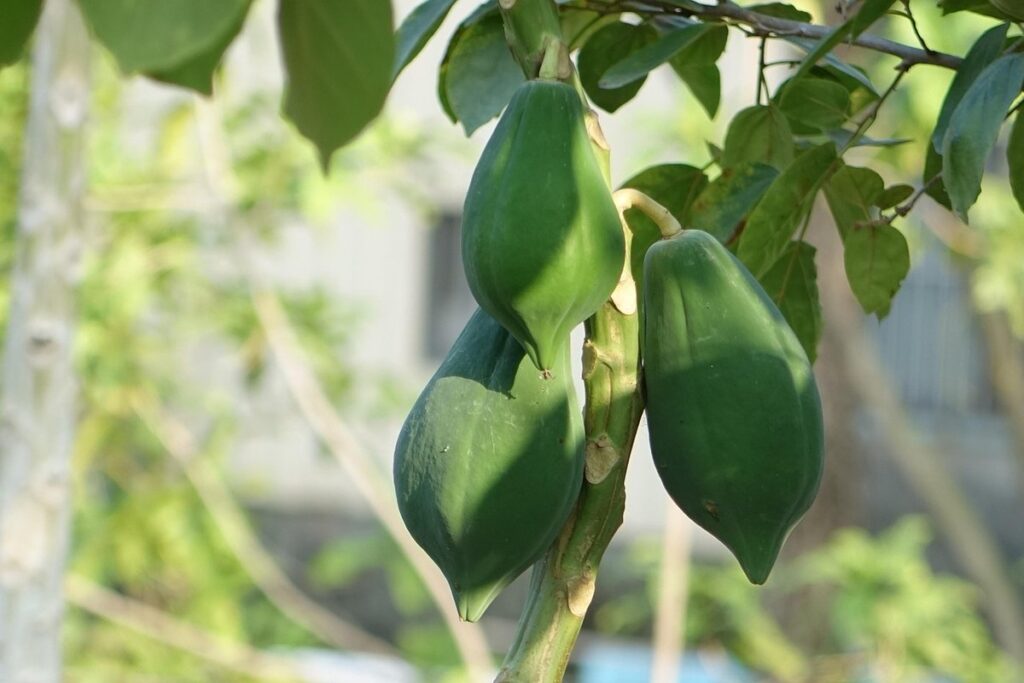
Now that you’ve learned how to identify a pawpaw tree, it’s time to figure out when your fruit is mature and ready for harvesting. Here’s what to look for.
Checking Color and Softness
Checking the color and softness of pawpaw fruits is crucial to determine their ripeness. A ripe pawpaw will typically have a yellow or greenish-yellow skin with brown spots or patches. However, it’s essential to note that some varieties may remain green even when fully ripe.
To check for ripeness, gently press the fruit near the stem. A ripe pawpaw will yield to pressure but still feel slightly firm. If it feels too soft or mushy, it may be overripe and not suitable for eating. You can also check the skin for any wrinkles or creases – a ripe pawpaw will have a few of these.
When checking color and softness, it’s essential to handle the fruit carefully to avoid bruising it. If you’re still unsure about the ripeness, you can try gently tugging on the stem. A ripe pawpaw will come off the tree easily, but be careful not to pull too hard and damage the fruit or the tree.
Measuring Sugar Content
Measuring sugar content is crucial to determine the optimal time for harvesting pawpaws. One way to do this is by using a sugar meter, also known as a refractometer. This handheld device measures the concentration of sugars in the fruit’s juice. By inserting a small sample into the meter and reading the resulting Brix value (a measure of sweetness), you can determine if your pawpaw is ripe.
However, not all gardeners have access to a sugar meter or prefer not to use it. In such cases, taste testing is an effective alternative. To do this, carefully cut open one of the pawpaws and insert a toothpick into the fruit’s pulp. The taste should be sweet but not overpowering; if it tastes too sour, wait another few days before checking again.
It’s essential to note that pawpaw sweetness levels can vary depending on factors like weather conditions, soil quality, and specific cultivar. Therefore, it’s crucial to develop a consistent measuring method and pay attention to your garden’s unique characteristics to ensure optimal harvesting times for your pawpaws.
Avoiding Overripe Fruits
Picking pawpaws at the right time is crucial to enjoy their optimal sweetness and texture. However, it’s equally important to know when they’ve gone past their prime, turning overripe and unpalatable. To avoid picking overly mature fruits, inspect them regularly for these signs of ripeness.
One way to determine if a pawpaw has reached its peak ripeness is by checking its skin color. Overripe pawpaws tend to develop brown or black spots, especially around the stem end. A slight softening of the skin near the stem is normal during ripening, but extensive softness or mushy texture indicates overripeness.
To avoid this, pick pawpaws when they’re still slightly firm to the touch and their skin has a uniform yellow or orange color. Avoid fruits with large brown spots, heavy softening, or those that are easily bruised. Also, be cautious of any unexplained discoloration, as it may be a sign of fungal infection.
Remember, timing is everything when harvesting pawpaws. Regular monitoring and observation will help you identify the optimal picking time for your fruits, ensuring they remain sweet, tender, and enjoyable throughout the season.
Understanding Climate and Weather Conditions
To successfully grow delicious pawpaw fruit, it’s essential to understand how climate and weather conditions impact your harvest. Let’s dive into what you need to know.
Temperature Fluctuations
When temperature fluctuations occur during the ripening process of pawpaw, it can be challenging to determine when they’re ready for harvest. Pawpaws are sensitive to extreme temperatures, and sudden changes can affect their texture, flavor, and overall quality. Typically, pawpaws mature between late September and early November, but the exact timing depends on your location and specific weather conditions.
In general, pawpaws need a few days of cool temperatures (around 40°F to 50°F) after ripening to develop their characteristic flavor and aroma. If the temperature is consistently above 60°F during this period, it can lead to over-ripening, causing the fruit to become mushy and unpalatable.
To determine when your pawpaws are ready for harvest, check for a slight softness around the stem, as well as a yellow or golden tint on the skin. However, avoid picking them during periods of rapid temperature changes, as this can cause damage and affect their quality. Instead, wait until the weather stabilizes before selecting the ripest fruit for eating.
Rainfall and Humidity
Excessive rainfall and humidity can significantly impact pawpaw ripening and harvesting times. As a home gardener, it’s essential to understand how these weather conditions affect the fruit’s development.
Prolonged periods of rain can cause the pawpaw skin to become soft and soggy, making it more susceptible to spoilage and bruising. This can lead to an uneven ripening process, with some fruits developing before others. For instance, if your tree is exposed to heavy rainfall during the final stages of development, you may notice a delay in ripening or even premature rotting.
To mitigate this issue, ensure good air circulation around your pawpaw trees by pruning nearby plants and maintaining a clean growing area. Regularly inspect your fruit for signs of spoilage and remove any affected areas to prevent further decay.
In regions with high humidity, consider providing some shade for your trees during the hottest part of the day to reduce moisture accumulation. This can help regulate temperature fluctuations and promote even ripening. Keep in mind that pawpaws typically require a dry spell before harvest to develop optimal flavor and texture.
Wind Protection for Pawpaws
As a home gardener, you’re likely no stranger to the challenges of growing pawpaw trees. But did you know that strong winds can significantly impact fruit ripening? In fact, wind protection is crucial for ensuring optimal flavor and texture in your pawpaw harvest.
Pawpaw trees are sensitive to wind stress, which can lead to a condition known as “sunburn” or scalding of the skin. When exposed to harsh winds, the papery husks of the fruit dry out, causing them to crack and become vulnerable to pests and diseases. Moreover, excessive wind can also cause the tree’s branches to break, resulting in lost fruit and potential damage to the entire plant.
To protect your pawpaw trees from strong winds, consider planting them in a location with some natural windbreaks, such as a group of tall shrubs or a nearby fence. You can also install individual wind supports or stakes around each tree to provide additional stability. Regular pruning is another effective way to reduce wind stress by removing any weak branches and promoting a more robust canopy. By taking these precautions, you’ll be well on your way to enjoying a bountiful and healthy pawpaw harvest.
Timing Based on Tree Variety
When growing pawpaw at home, it’s essential to know that different tree varieties have slightly varying ripening times, which can impact your picking schedule. Let’s break down these specific timing guidelines for each popular variety.
Common Pawpaw Varieties and Their Characteristics
If you’re growing pawpaws at home, it’s essential to know which varieties thrive in your region and their optimal harvesting times. Some popular pawpaw tree varieties include ‘Sunflower’ (Asimina triloba), ‘NC1’ (Asimina triloba), ‘Overland Giant’ (Asimina triloba), and ‘Red Frying Pie’ (Asimina triloba). Each of these varieties has unique characteristics that impact the picking process.
The ‘Sunflower’ variety produces fruit with a sweet, sunflower-like flavor and is known for its early ripening time. It’s an excellent choice for home gardeners in regions with short growing seasons. In contrast, ‘NC1’ and ‘Overland Giant’ are more cold-hardy and suitable for areas with cooler climates.
When selecting which variety to grow, consider your climate, desired flavor profile, and space constraints. Keep in mind that different varieties have varying ripening times, typically ranging from 100 to 150 days after pollination. Regularly inspect your trees for ripe fruit by gently twisting the stem – if it comes off easily, the pawpaw is ready to be picked.
Climate-Specific Harvesting Times
Pawpaws grow best in regions with warm and humid climates, but their ideal harvesting times vary depending on where you are. If you’re growing pawpaws in the Northeast, Midwest, or Northwest United States, be aware that the climate is generally cooler than in the South. This means your pawpaw trees may take longer to mature.
In these regions, it’s best to harvest pawpaws 3-4 months after pollination, typically between late August and early October. You can check for ripeness by gently twisting a fruit; if it comes off easily, it’s ready. However, be aware that cooler temperatures can cause the fruits to soften prematurely.
In contrast, growers in the South or Southeast United States have a longer growing season, which means their pawpaws are often ripe earlier. For these regions, harvesting usually occurs 2-3 months after pollination, from late June to early September. To avoid over-maturity and spoilage, monitor your trees closely and harvest fruits regularly.
Keep in mind that even within the same region, microclimates can vary significantly. Take note of your local weather patterns and adjust your harvesting schedule accordingly. This will help you enjoy your pawpaws at their peak flavor and texture.
Factors to Consider When Choosing a Pawpaw Variety
When selecting a pawpaw variety, it’s essential to consider several factors that will impact your tree’s performance and fruit quality. Start by thinking about the climate and growing conditions in your area. Some varieties are more tolerant of heat or cold than others, so choose one that suits your region.
For example, if you live in an area with high humidity, look for a variety like ‘Overleese’ or ‘Wabash’, which are known to perform well in these conditions. On the other hand, if you have dry soil, consider varieties like ‘Shenandoah’ or ‘NC 1’, which are more drought-tolerant.
You should also think about the size and shape of the tree. Some varieties are naturally smaller, making them ideal for smaller gardens or containers. Others may grow quite large, so ensure you have enough space for the mature tree.
Lastly, consider the flavor profile and texture of the fruit. Do you prefer a sweeter pawpaw or one with a more complex flavor? Research different varieties to find the perfect fit for your taste preferences.
Pest and Disease Management During Harvest
As you carefully harvest your pawpaw fruit, it’s essential to keep an eye out for pests and diseases that can ruin your crop, causing significant damage. Regular monitoring is key to preventing these issues from taking over during this critical time.
Common Pests and Diseases Affecting Pawpaws
As you approach harvest time, it’s essential to be aware of common pests and diseases that can affect your pawpaw crop. Some of the most prevalent issues include:
Fungal diseases such as powdery mildew and anthracnose often thrive in humid environments, causing white or grayish patches on leaves and fruit. Regularly inspect your plants for signs of disease and treat promptly with fungicides if necessary.
Insects like aphids, spider mites, and mealybugs can also infest pawpaws during harvest season. These pests feed on plant sap, weakening the tree and reducing fruit quality. Monitor your trees closely and introduce natural predators or use organic pest control methods to manage infestations.
Another significant concern is the papaya mealybug, a common pest in many regions that can cause severe damage to pawpaw trees. This pest can be identified by its distinctive white, cottony patches on stems and leaves.
To prevent pest and disease issues, maintain good garden hygiene, remove weeds, and ensure proper air circulation around your trees. By being vigilant and taking prompt action when problems arise, you’ll be able to enjoy a healthy and bountiful harvest of delicious pawpaws.
Integrated Pest Management Strategies
As you prepare to harvest your pawpaw crop, it’s essential to have an effective plan in place for managing pests and diseases that can damage the fruit. Integrated Pest Management (IPM) strategies are a crucial part of this process. IPM involves combining physical, cultural, biological, and chemical controls to manage pest populations.
When it comes to harvesting pawpaw, some common pests to watch out for include aphids, codling moths, and spider mites. These pests can cause significant damage to the fruit, reducing its quality and yield. To control these pests, consider using row covers or fine mesh screens to keep them away from your plants. You can also introduce beneficial insects, such as ladybugs or lacewings, which prey on these pests.
In addition to controlling pests, IPM strategies should also focus on preventing disease outbreaks. Regularly inspect your pawpaw plants for signs of disease, such as fungal growths or black spots. Remove any infected fruit or leaves to prevent the spread of disease. For more severe infestations, consider using organic fungicides or bactericides.
By incorporating these IPM strategies into your harvesting plan, you can protect your pawpaw crop from damage and ensure a bountiful harvest.
Using Physical Barriers to Protect Fruits
As pawpaw harvest season approaches, it’s essential to consider physical barriers as an additional layer of protection against pests and diseases. Once your pawpaws have reached maturity, inspect them regularly for signs of damage or infection. To prevent unwanted critters from ruining your crop, use fine-mesh screens or netting to enclose each tree or group of trees.
For example, you can drape a row cover over the branches to keep birds and squirrels at bay. Alternatively, install individual protective bags around each fruit to prevent insect damage. Remove any weak or diseased fruits from the cluster as they can harbor pathogens that spread to healthy ones. Regularly inspect your pawpaws for signs of pests like aphids, spider mites, or scales.
Some gardeners swear by using fine-gauge netting to trap small insects while allowing beneficial pollinators through. Experiment with different materials and methods to find what works best for your specific climate and pest issues.
Harvesting Techniques and Tools
Now that you know when to pick a ripe pawpaw, let’s explore the essential techniques and tools needed for successful harvesting of these unique fruits. We’ll cover everything from knife selection to fruit handling best practices.
Hand-Picking vs. Mechanical Harvesting
Pawpaws are delicate fruits that require gentle handling to avoid bruising and damage. When it comes to harvesting, home gardeners often debate between hand-picking and mechanical harvesting methods. While both approaches have their advantages, the choice ultimately depends on the size of the crop, desired fruit quality, and personal preference.
Hand-picking is a more labor-intensive method that allows for greater control over individual fruits. It’s ideal for smaller patches where precision is necessary to avoid missing or damaging ripe pawpaws. This approach also enables gardeners to inspect each fruit closely for any signs of spoilage or pests. On the other hand, mechanical harvesting can be more efficient for larger crops but may result in bruised or damaged fruits.
Mechanical harvesters typically use a combination of air jets and conveyor belts to collect fruits from the tree. This method is faster and more cost-effective but requires more equipment maintenance and careful calibration to avoid damaging the fruit. As a general rule, hand-picking is recommended for home gardeners who value high-quality, unblemished fruits, while mechanical harvesting suits larger commercial operations or those with extensive resources.
Tools for Safe and Efficient Harvesting
Picking pawpaws can be a delicate process, and having the right tools makes all the difference. When it comes to harvesting, safety should always be your top priority. To avoid accidents, use gloves with grip enhancement to prevent slipping on the fruit’s skin. A long-handled claw or fruit picker is also essential for reaching those hard-to-access areas without straining yourself.
If you’re planning to harvest a large quantity of pawpaws, consider investing in a mechanical harvester. These machines are specifically designed for fruit harvesting and can save you time and effort. However, for small-scale home gardening, manual tools are often sufficient.
Make sure to use sharp and clean equipment to prevent bruising the fruit during harvesting. This will ensure that your pawpaws remain intact and fresh. Regularly inspect your tools for any damage or wear and tear, replacing them as needed to maintain their effectiveness. By investing in the right tools, you’ll not only make harvesting easier but also help preserve the quality of your pawpaw crop.
Post-Harvest Handling and Storage
Once you’ve carefully selected the perfect pawpaw, it’s time to think about how to handle and store your harvest to keep them fresh for as long as possible. Proper storage is crucial to preserving their flavor and texture.
Proper Cleaning and Packaging
Once you’ve picked your pawpaws, it’s essential to clean and package them properly to maintain their quality. Cleaning is crucial as it helps remove dirt, bacteria, and other contaminants that can cause spoilage and affect flavor.
To clean your pawpaws, start by gently washing them in cool running water. Use a soft-bristled brush or a vegetable brush to remove any stubborn stains or dirt patches. Avoid using soap or harsh chemicals, as they can damage the fruit’s skin and make it more susceptible to decay.
For packaging, choose containers that allow for good airflow, such as paper bags or breathable mesh bags. This will help prevent moisture buildup and reduce the risk of rot. You can also use cardboard boxes with ventilation holes or even create your own slatted crates using wooden strips. When storing the packaged pawpaws in a cool, dry place, make sure they’re not touching each other to prevent bruising.
By following these simple cleaning and packaging steps, you’ll be able to keep your pawpaws fresh for longer, allowing you to enjoy their unique flavor and texture at its best.
Short-Term and Long-Term Storage Methods
Once you’ve carefully selected and harvested your pawpaws, proper storage is crucial to maintain their quality. The storage methods you choose will depend on how long you want to preserve the fruit.
For short-term storage, typically up to a week or two, place the pawpaws in a cool, dry area with high humidity. A temperature range of 32°F to 40°F (0°C to 4°C) is ideal. You can store them in a paper bag or wrap each one individually in newspaper to maintain moisture and prevent ethylene production. Check on the fruit regularly for any signs of spoilage.
For long-term storage, which can last several months, you’ll need to take more extreme measures. Consider freezing or dehydrating the pawpaws. Freezing will help preserve their texture and flavor, while dehydration will result in a dried form that’s perfect for making powders or teas. To freeze, slice or puree the pawpaw, then place it in an airtight container or freezer bag. For dehydrating, use a food dehydrator or your oven on its lowest temperature setting.
Keep in mind that frozen and dehydrated pawpaws can be used for various recipes, such as smoothies, baked goods, and savory dishes.
FAQs and Additional Tips
If you’re still unsure when to pick your pawpaw, don’t worry – we’ve got answers to some frequently asked questions and extra tips to help you get it just right.
Common Questions and Answers About Pawpaw Harvesting
As a home gardener growing pawpaws, you might have some questions about harvesting these unique fruits. Here are answers to some common queries that will help you determine the optimal time for picking pawpaws from your trees.
How often should I check on my pawpaw fruit? It’s essential to inspect your pawpaw trees frequently during the harvest season, typically in late summer or early fall. Check the fruit every 3-4 days as they ripen quickly and can go bad within a day or two of being fully ripe. A ripe pawpaw will have a slight give when pressed gently, similar to a ripe mango.
What’s the best way to handle harvested pawpaws? Handle pawpaws carefully to avoid bruising them. Gently twist the fruit away from the stem, and store them in a cool, dry place or refrigerate immediately to prolong their shelf life. Avoid storing them near ethylene-producing fruits like apples or bananas as this can cause the pawpaws to ripen too quickly.
Can I harvest pawpaw fruit at any stage of maturity? No, it’s crucial to wait until the fruit is fully ripe before picking it. Unripe pawpaws are often green and firm, but they won’t be sweet or tender.
Seasonal Tips for Home Gardeners
As a home gardener growing pawpaws, it’s essential to know when to pick these delicious fruits. The ripening time of pawpaws is influenced by several factors, including the tree variety, climate, and pest management practices.
In general, pawpaw trees take around 3-5 years to mature after planting, but they start producing fruit within 2-3 years. For optimal flavor and texture, wait for the fruit to reach its full color – a deep yellow or brown, depending on the variety. A ripe pawpaw will also be slightly soft to the touch, especially around the stem.
To determine if your pawpaws are ready to pick, gently twist the stem. If it comes off easily, the fruit is likely overripe. Avoid picking unripe fruits, as they won’t ripen after being picked and may spoil quickly.
When handling your harvested pawpaws, make sure to store them in a cool, dry place away from direct sunlight. This will help extend their shelf life and maintain their quality for up to 5 days.
Frequently Asked Questions
Can I use mechanical harvesting for pawpaws, or is hand-picking the best option?
Mechanical harvesting can be used for pawpaws, but it’s essential to choose a method that suits your tree variety and size. Some varieties are more sensitive to bruising than others, so hand-picking might still be the safest option. Consider factors like fruit weight, branch strength, and tree stability before deciding on a harvesting method.
What if I notice my pawpaws are not ripening uniformly? Are there any tips for achieving consistent ripeness?
Achieving uniform ripeness can be challenging due to climate and tree variety differences. To promote even ripening, ensure your trees receive sufficient sunlight (at least 12 hours) and maintain optimal moisture levels. Prune your trees regularly to improve air circulation and prevent fungal diseases.
How do I handle pest management during harvesting? Are there any natural methods for controlling pests?
Yes, there are several natural methods for controlling pests during harvesting. Use physical barriers like fine-mesh nets or fine netting around the tree to deter insects. You can also implement integrated pest management strategies by introducing beneficial insects, practicing good sanitation, and using organic pesticides.
What’s the ideal storage time for harvested pawpaws? Can I store them at room temperature?
The ideal storage time for harvested pawpaws is 3-5 days at room temperature (around 68°F/20°C). If you want to extend their shelf life, consider storing them in a cool place with high humidity or using short-term and long-term storage methods.
Can I grow pawpaw trees in areas with extreme weather conditions? Are there any climate-specific tips for optimal harvesting?
Yes, pawpaw trees can thrive in various climates. For optimal harvesting, choose tree varieties suitable to your region’s climate. In areas with hot summers or cold winters, provide wind protection and ensure adequate moisture levels during droughts or dry spells.
What if I accidentally over-ripened some of my pawpaws? Can they still be used for cooking?
Yes, even if overripe, you can still use pawpaws for cooking. They’re perfect for making jams, preserves, or smoothies. Overripe fruits are softer and sweeter, so adjust your recipes accordingly to balance the flavors.